How Long Does Fiber Cement Siding Last? A Guide for Lafayette & Dalton Homeowners
Thinking about how long your house siding will actually last? It's a good question, especially if you're in the Lafayette or Dalton area. Your siding is like your home's shield against everything the weather throws at it, from hot sun to damp air. We're going to break down what makes siding stick around for a while, what can make it fade or wear out, and how to keep it looking good. Let's get into the nitty-gritty of fiber cement siding lifespan.
Key Takeaways
- The lifespan of fiber cement siding can reach 50 years or more with proper care and installation.
- Climate factors like high humidity and intense sunlight in areas like Lafayette and Dalton can affect siding durability and appearance.
- Professional installation is vital for maximizing the fiber cement siding lifespan and preventing issues like moisture damage.
- Regular cleaning and prompt attention to minor damage are important maintenance steps to extend the life of your siding.
- While fiber cement siding is durable, understanding when to repair versus replace is key to protecting your home's value and efficiency.
Understanding Fiber Cement Siding Lifespan
When you're thinking about siding for your home here in Lafayette or Dalton, you're probably wondering how long the stuff actually lasts. It's a big investment, after all. Fiber cement siding is known for being pretty tough, often lasting 50 years or more, but that's not a hard and fast rule. A lot of things can influence how long it stays looking good and doing its job.
Factors Influencing Siding Longevity
Several things can affect how long your siding holds up. It's not just about the material itself, but also how it's treated and where it lives.
- Material Quality: Not all fiber cement is created equal. Higher quality products tend to be more durable and resist wear and tear better.
- Installation: This is a big one. Even the best siding won't last if it's not put on correctly. Proper sealing and fastening are super important to keep water out and the siding secure.
- Environmental Exposure: How much sun does your house get? Is it in a spot that gets hammered by wind and rain? Constant exposure to harsh weather can wear down any material over time.
- Maintenance: Keeping your siding clean and addressing small issues quickly can make a real difference in its overall lifespan.
The Role of Professional Siding Installation
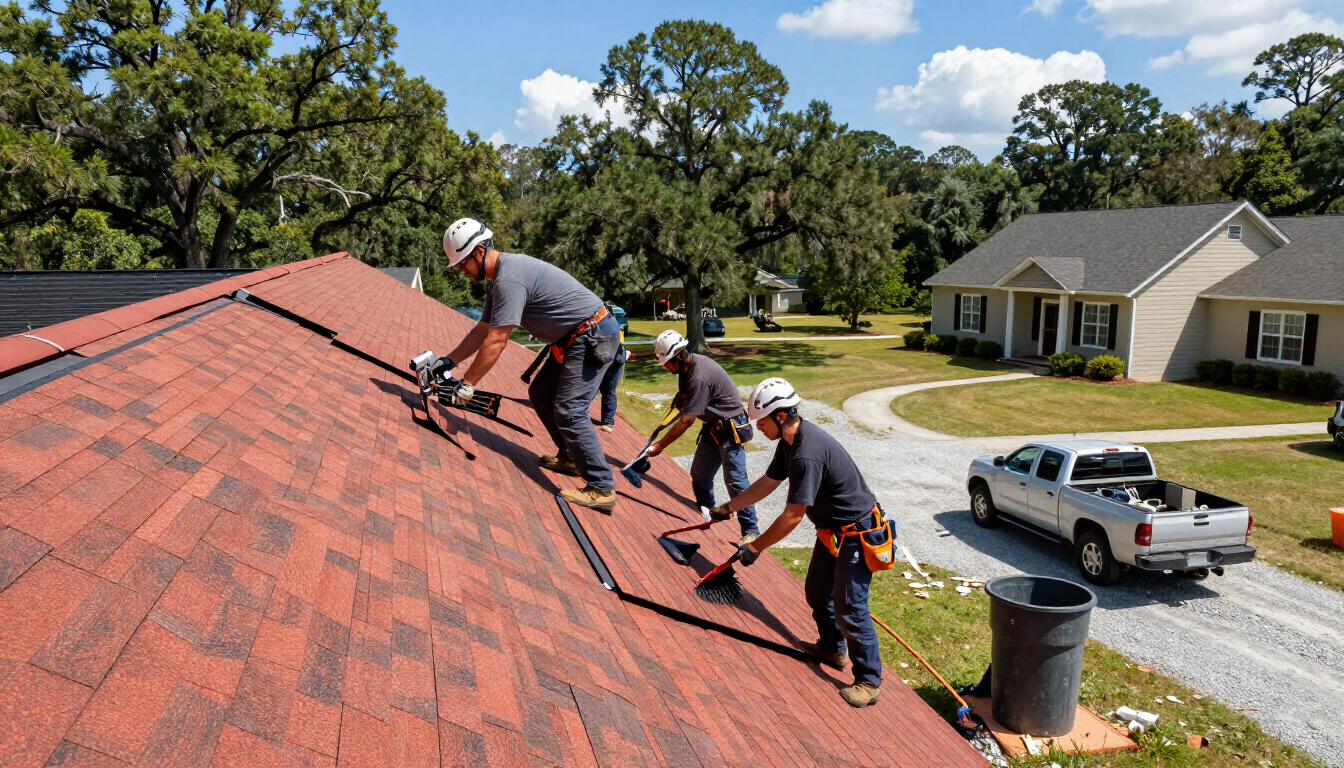
Seriously, don't skimp on installation. A professional installer knows how to handle the material, make sure it's properly attached, and seal all the edges. This prevents water from getting behind the siding, which can cause all sorts of problems like mold or rot in the underlying structure. A good install means your siding will perform as it's supposed to for years to come.
Proper installation is key to maximizing the lifespan of your fiber cement siding. It's the first line of defense against the elements and ensures the material can do its job effectively.
Material Quality and Durability
Fiber cement siding is made from a mix of cement, sand, and cellulose fibers. This combination makes it really strong and resistant to things that bother other materials, like insects and rot. It doesn't warp or crack easily, even with temperature changes. The durability comes from this robust composition, making it a solid choice for our local weather conditions.
Local Climate's Impact on Siding Durability
Living in Lafayette and Dalton means our homes are constantly dealing with a mix of sunshine and humidity. This local weather pattern really affects how long your siding lasts and how good it looks.
Humidity's Effect on Siding Integrity
Humidity is a big deal for siding, even more than just how it looks. When the air is damp, moisture can get trapped behind your siding. This can lead to a few headaches:
- Mold and Mildew: You might see dark spots or streaks, which aren't just dirt. They're actually organic growths that can spread if not dealt with.
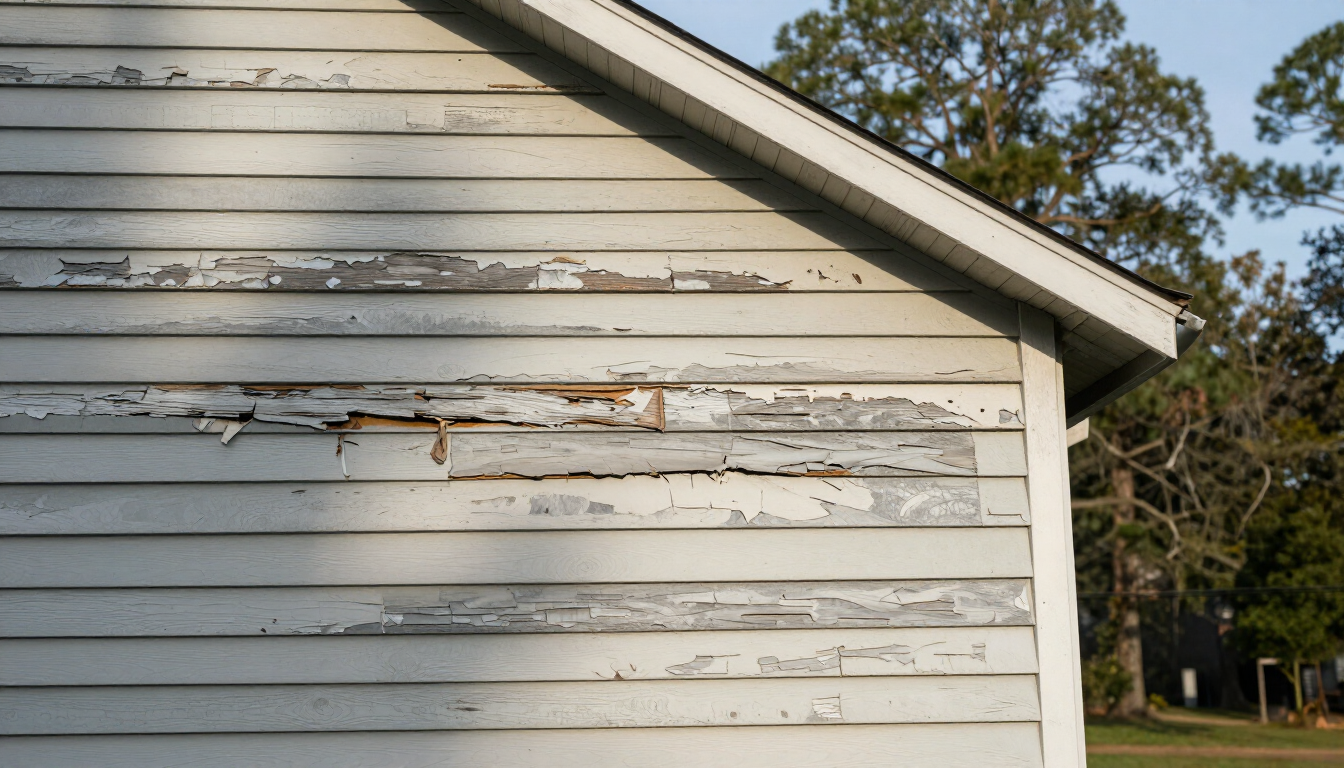
- Warping or Peeling: For some materials, constant dampness can cause them to bend, crack, or lose their finish. This definitely makes your house look run down.
- Insulation Problems: If moisture seeps into the walls, it can mess with your home's insulation, making your heating and cooling bills go up.
The constant cycle of heat and humidity in our area can really stress siding materials. What might last for decades in a drier place could have a shorter lifespan here. It's important to pick materials and installation methods that can handle our specific environment.
Sunlight's Influence on Siding Color
We all love a sunny day, but those UV rays can be tough on your siding's color. Over time, sunlight breaks down the pigments in the siding material. Think of it like leaving a bright shirt out in the sun for too long – it's going to fade.
- Color Fading: This is the most common issue. Colors can look dull and washed out after years of sun exposure.
- Heat Absorption: Darker colors tend to absorb more heat, which can sometimes speed up the fading process.
- Uneven Fading: Areas that get more direct sun might fade faster than shaded spots, leading to a patchy look.
The intensity and duration of sun exposure are key factors in how quickly your siding's color changes.
Weathering the Elements in Lafayette & Dalton
Our local weather throws a lot at our homes. From intense summer sun to occasional heavy rains and wind, your siding is the first line of defense. Fiber cement siding is known for holding up well against these conditions. Its composition makes it resistant to rot, warping, and insect damage, which are common concerns in humid climates. However, even the best materials benefit from proper installation and occasional cleaning to ensure they continue to protect your home effectively against the unique challenges of the Lafayette and Dalton environment.
Fiber Cement Siding vs. Other Materials
When you're looking at siding options for your home here in Lafayette and Dalton, it's easy to get overwhelmed. Lots of materials promise the moon, but how do they really stack up against each other, especially when it comes to lasting power and looks?
Fade Resistance Comparison
The sun here can be pretty intense, and that means your siding is constantly getting blasted. Some materials just can't handle it. Vinyl siding, for instance, can start to look a bit tired after a while, especially the cheaper kinds. You might see it fading unevenly, which really takes away from your home's curb appeal. Wood siding, while beautiful, definitely needs regular attention. It's prone to fading and can even start to look dull if it's not repainted or stained every few years. Fiber cement, on the other hand, is a different story. Because the color is often baked right into the material or applied with advanced technology like ColorPlus®, it holds its color much better. This means less chalking and peeling, and your home keeps looking fresh for longer.
Durability Against Moisture and Pests
Moisture is a big deal around here, with our humidity. It can cause all sorts of problems for different siding types. Wood siding can warp, rot, or even become a buffet for termites and other pests if it's not perfectly sealed and maintained. Some vinyl siding can trap moisture behind it, leading to mold and mildew growth, which isn't just unsightly but can also affect your home's insulation. Fiber cement siding, made from cement, sand, and wood fibers, doesn't have these issues. It's naturally resistant to rot, mold, and insects. This makes it a really solid choice for our local weather.
Maintenance Requirements Over Time
Let's be honest, nobody wants to spend their weekends constantly working on the house. This is where fiber cement really shines. While wood siding might need repainting every few years and vinyl might need occasional washing to keep it looking good, fiber cement is pretty much set-it-and-forget-it, aside from regular cleaning. You don't have to worry about it rotting, warping, or becoming a meal for bugs.
The goal is to find a material that looks good, protects your home, and doesn't demand all your free time. Fiber cement siding offers a great balance of these qualities, making it a smart investment for homeowners in our area.
Here's a quick look at what you can expect:
- Wood Siding: Requires regular painting/staining (every 3-7 years), susceptible to rot and pests, can warp.
- Vinyl Siding: Can fade over time, cheaper grades may crack or warp, can trap moisture.
- Fiber Cement Siding: Highly resistant to rot, insects, and moisture; color is long-lasting; requires occasional cleaning; generally doesn't warp or crack.
Maintaining Your Fiber Cement Siding
Keeping your fiber cement siding looking good and performing well for years to come isn't complicated, but it does require a little attention. Think of it like taking care of a good pair of shoes – a little effort goes a long way.
The Importance of Regular Cleaning
Dirt, pollen, and general grime can build up on your siding over time, making it look dull. More importantly, this buildup can sometimes hold moisture, which isn't ideal. Regular washing helps keep the color vibrant and prevents potential issues before they start. A good cleaning schedule can significantly extend the life and appearance of your siding.
Here’s a simple approach:
- Gentle Rinse: Start by rinsing the siding with a garden hose to remove loose dirt and debris. Avoid using a pressure washer, as it can force water into places it shouldn't go.
- Mild Soap Solution: Mix a bit of mild dish soap or a dedicated siding cleaner with water. You can use a soft brush or a cloth to gently scrub the surface. For tougher spots, a solution with a little white vinegar might help, but always test it on a small, hidden area first.
- Thorough Rinse: Rinse the siding again, working from top to bottom, to ensure all soap residue is gone. This prevents streaking and keeps your siding looking its best.
Preventative Measures Against Sun Damage
While fiber cement is pretty tough, constant exposure to the sun can eventually affect the color. Even though it's known for good color retention, taking a few extra steps can help.
- Consider Landscaping: Trees can offer some shade, which is great. However, make sure branches aren't constantly rubbing against the siding, as this can cause scratches over time. Keep them trimmed back.
- Quality Paint: If your fiber cement siding is painted, using a high-quality exterior paint designed for durability will make a big difference in how long the color lasts.
Even the best materials will eventually show some signs of wear from constant sun exposure. The goal is to choose a material that offers the best balance of aesthetics and longevity for our local climate, and then to maintain it properly.
Addressing Minor Issues Promptly
Sometimes, small problems can turn into big headaches if you ignore them. Catching and fixing minor issues early is key to preventing more serious damage.
- Look for Cracks or Gaps: Even small cracks or openings can allow moisture to seep in. If you spot any, get them repaired promptly.
- Check for Loose Pieces: If a piece of siding looks loose or is starting to pull away, secure it or have it replaced. This prevents water intrusion and keeps your home protected.
- Watch for Mold or Mildew: While not always a sign of damage, patches of mold or mildew can indicate trapped moisture. Cleaning these areas and investigating the cause is important.
When to Consider Siding Replacement
Even the most durable fiber cement siding won't last forever. Over time, the elements can take their toll, and what might have started as minor issues can grow into bigger problems. Knowing when to call it quits on your current siding and opt for a replacement is key to protecting your home. It’s not just about how your house looks; it’s about maintaining its structural integrity and energy efficiency.
Signs of Significant Siding Degradation
Sometimes, the signs that your siding needs replacing are pretty obvious. You might see large cracks, pieces that have fallen off, or panels that are visibly warped or buckling. These aren't just cosmetic issues; they're indicators that your siding is no longer doing its job of protecting your home from moisture and the elements. Other, more subtle signs can include:
- Loose or missing siding panels.
- Significant fading or discoloration that cleaning can't fix.
- Evidence of mold or mildew growth that keeps coming back.
- Increased drafts or higher energy bills, suggesting your insulation is compromised.
Ignoring these issues can lead to more serious problems like water damage, rot, and pest infestations. It’s always better to address them sooner rather than later.
Cost-Effectiveness of Repair vs. Replacement
It’s easy to think that patching up a few bad spots is always cheaper than a full replacement. And sometimes, that’s true for very minor damage. However, if you find yourself constantly making repairs, or if the repairs are becoming increasingly expensive, it might be time to crunch the numbers. A series of small repairs can quickly add up to more than the cost of a new siding installation. Plus, new siding offers a fresh look and potentially better performance. Think about the long-term savings and benefits. You can get a quote for siding repair to compare costs.
Enhancing Home Value and Efficiency
Replacing your siding isn't just about fixing problems; it's also an opportunity. New siding can dramatically change the appearance of your home, giving it a much-needed facelift and boosting its curb appeal. Beyond looks, modern siding materials often offer improved insulation properties. This means your home will be more comfortable year-round, and you could see a noticeable drop in your energy bills. It’s an investment that pays off in both comfort and value.
Choosing Quality Siding for Your Home
When you're looking at new siding for your place in Lafayette or Dalton, picking the right stuff is a pretty big deal. It's not just about how your house looks from the street, though that's important. It's also about protecting your home from all sorts of weather, keeping it comfortable inside, and honestly, making sure you don't have to deal with a huge headache down the road. Fiber cement siding is a popular choice for a lot of reasons, and understanding why can help you make a solid decision.
The Benefits of Fiber Cement Siding
So, why do so many people go with fiber cement? Well, it's pretty tough stuff. It's made from cement, sand, and cellulose fibers, which gives it a really solid feel. This mix means it holds up well against things that can really mess with other materials. Think about:
- Durability: It's strong and doesn't easily crack or break, even when the weather gets rough.
- Pest Resistance: Unlike wood, bugs like termites and carpenter ants just aren't interested in it.
- Fire Resistance: It's non-combustible, which is a nice safety feature to have.
- Moisture Management: While it's important to have proper installation to prevent water issues, fiber cement itself doesn't rot or warp like wood can when exposed to humidity. Proper installation is key here.
It's a material that's built to last, offering a good balance of looks and serious protection.
Understanding Color Retention Technology
One of the biggest headaches with siding can be fading. The sun here in Georgia can be pretty intense, and over time, it can really bleach out the color of some materials. Fiber cement siding often comes with advanced color retention technology. This means the color is either baked on or infused into the material itself, rather than just being a surface coat. This makes it much more resistant to fading and chalking compared to older types of siding. You'll find that it keeps its good looks for a lot longer, meaning fewer repaints and a house that stays looking fresh.
Choosing siding with good color retention means you're investing in a look that lasts. It cuts down on the need for frequent touch-ups and keeps your home looking sharp through the seasons, year after year. This is especially true when you consider how much sun exposure your home gets.
Finding Reliable Siding Contractors
Even the best siding material won't perform as it should if it's not put on correctly. That's where finding a good contractor really matters. You want someone who knows their stuff, especially when it comes to installing fiber cement. They need to understand how to properly cut, fasten, and seal the panels to protect your home. A shoddy installation can lead to problems down the line, like water getting behind the siding or panels becoming loose. Look for contractors who have experience with fiber cement, check their reviews, and don't be afraid to ask for references. Getting a few quotes is also a smart move to compare prices and get a feel for different companies. A good installation is just as important as the quality of the siding itself.
Picking the right siding for your house is a big decision. You want something that looks great and lasts a long time. Think about what kind of look you want and how much upkeep you're willing to do. We can help you figure out the best options for your home. Visit our website to learn more about choosing quality siding and get a free estimate!
Wrapping It Up: Your Siding's Lifespan in Lafayette & Dalton
So, we've gone over a lot about how long fiber cement siding can stick around, and honestly, it's pretty darn long. We're talking decades, usually, if you treat it right. It's tough stuff, built to handle our local weather here in Lafayette and Dalton, from that sticky humidity to the bright sun. Of course, nothing lasts forever without a little care. Keeping it clean and fixing any small issues that pop up quickly will make sure your siding keeps your home looking good and protected for years and years. It’s a solid investment for your home, for sure.
Frequently Asked Questions
How long can I expect fiber cement siding to last?
Fiber cement siding is known for its toughness and can last anywhere from 25 to 50 years, sometimes even longer! It's built to handle different weather conditions really well, making it a great choice for homes in areas like Lafayette and Dalton.
What makes fiber cement siding last so long?
It's made from a mix of cement, sand, and cellulose fibers. This combination makes it super strong and resistant to things like rot, insects, and even fire. Plus, it doesn't warp or crack easily when the weather changes, which helps it stay looking good for many years.
Does the weather in Lafayette and Dalton affect my siding?
Yes, the weather here can play a role. High humidity might cause moisture issues if siding isn't installed right, and the strong sun can eventually fade colors. However, fiber cement is designed to handle these elements better than many other materials, especially when installed by professionals.
How is fiber cement siding different from vinyl or wood?
Compared to vinyl, fiber cement is generally more durable and less likely to crack or warp. It also holds paint better and is more resistant to fading. Wood siding looks natural but needs a lot more upkeep, like regular painting, to prevent rot and insect damage, whereas fiber cement requires much less maintenance.
How should I clean my fiber cement siding?
Cleaning is pretty simple! You can usually just use a garden hose with a gentle spray to wash off dirt. For tougher spots, a soft brush and a mild soap or cleaner will work. It's best to avoid high-pressure washers, as they can force water into places it shouldn't go.
When should I think about replacing my siding?
You might need to replace your siding if you see major cracks, warping, or pieces falling off. If repairs become a constant expense, or if the siding is no longer protecting your home well, it's probably time for a new look. Replacing it can also make your home more energy-efficient and boost its value.