Do Gutters Come With Warranties? Smart Questions for Homeowners in Lafayette & Ringgold
Thinking about new gutters for your home in Lafayette or Ringgold? It's a good idea to know what you're getting into, especially when it comes to warranties. Gutters protect your house from water damage, so you want to make sure they're covered if something goes wrong. This article will help you understand what gutter warranties are all about and what questions you should be asking before you sign any paperwork.
Key Takeaways
- Most gutter systems come with some kind of warranty, but what they cover can differ a lot.
- There are usually two main types of gutter warranties: one from the manufacturer for the materials and one from the installer for the actual work.
- Always check the details of a gutter warranty, like how long it lasts and what it specifically covers (and doesn't cover).
- For gutter guards, look for 'clog-free' guarantees, but read the fine print to see what conditions apply.
- Asking questions about warranty claims and maintenance requirements upfront will save you headaches later.
Understanding Gutter Warranties
When you invest in new gutters for your home, it's not just about the immediate installation. You're also looking at what happens down the road if something goes wrong. That's where warranties come in. Think of a gutter warranty as a promise from the manufacturer or the installer that their product or work will hold up for a certain period.
What Does a Gutter Warranty Cover?
Not all warranties are created equal, and they definitely don't cover everything. Generally, a good warranty will protect you against defects in the materials themselves. This could mean things like:
- Cracking or peeling of the gutter material.
- Rusting or corrosion, especially with metal gutters.
- Manufacturing flaws that cause the gutters to fail prematurely.
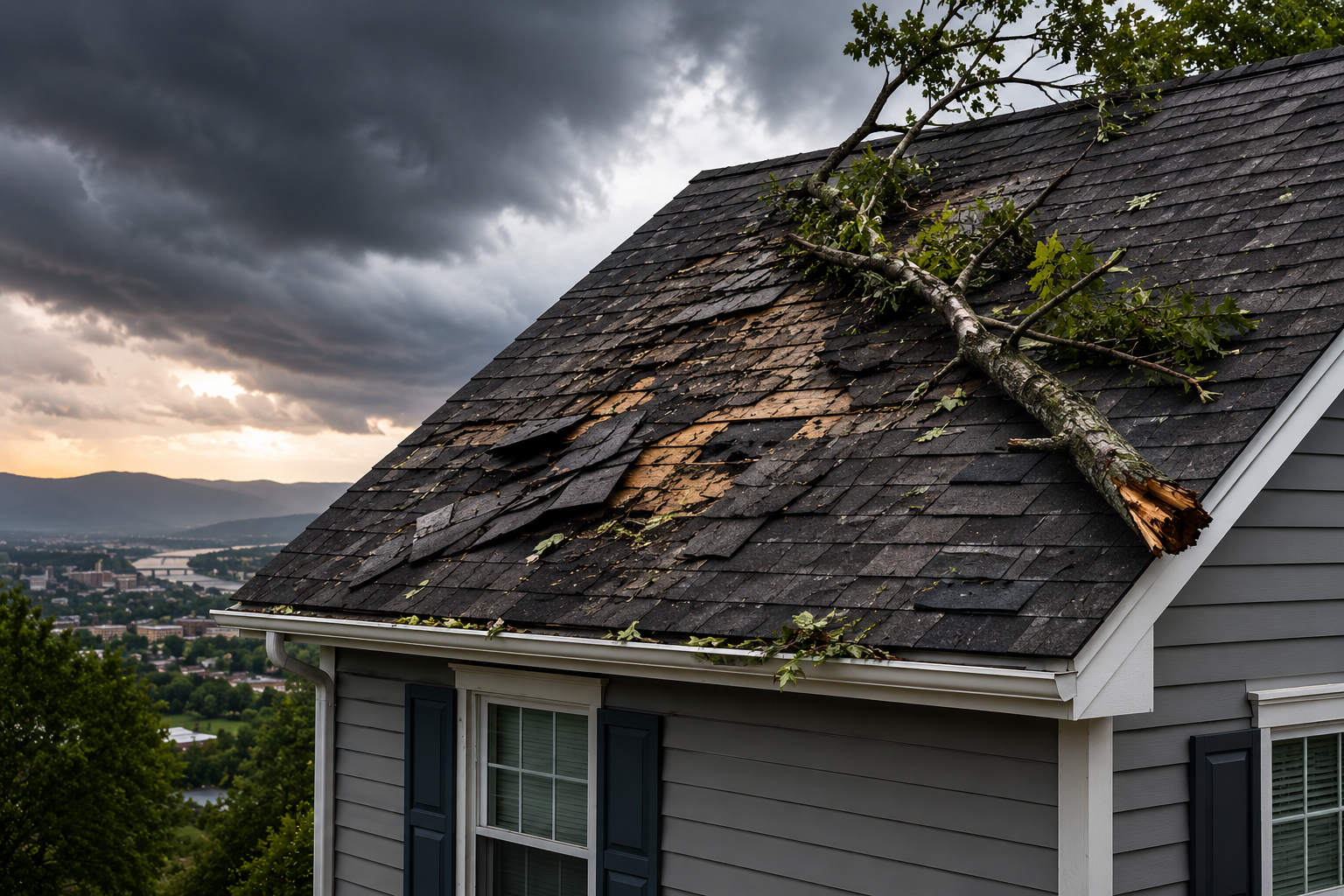
It's important to remember that warranties usually don't cover damage from external forces like falling branches, extreme weather events (unless specifically stated), or improper maintenance on your part. Basically, they cover issues that are the fault of how the gutter was made or the materials used, not acts of nature or user error.
Manufacturer vs. Workmanship Warranties
It's helpful to know there are typically two main types of warranties you'll encounter:
- Manufacturer Warranty: This comes directly from the company that made the gutters. It focuses on the quality and durability of the actual gutter material. If the material itself is faulty, this warranty should kick in.
- Workmanship Warranty: This is provided by the company that installed your gutters. It covers issues related to the installation process. For example, if the gutters were installed incorrectly, leading to leaks or sagging, the workmanship warranty would be what you'd use.
Some companies offer both, which is ideal. Others might only offer one or the other. Always ask who is backing which part of the warranty.
Key Terms in Gutter Warranty Agreements
Before you sign anything, take a moment to look over the warranty document. There are a few terms that pop up often:
- Duration: How long does the warranty last? This can range from a few years to a "lifetime" warranty (which often has its own fine print).
- Transferability: Can the warranty be passed on to a new homeowner if you sell your house? This can be a selling point.
- Exclusions: What isn't covered? This is super important to read. Things like normal wear and tear, damage from pests, or modifications you make might be excluded.
- Claim Process: What do you actually have to do if you need to make a claim? Is it a simple phone call, or do you need to fill out a stack of paperwork?
Understanding these terms upfront can save you a lot of headaches later. It's better to know the rules of the game before you need to play it.
Knowing these basics will help you ask the right questions when you're talking to gutter companies in Lafayette and Ringgold.
Types of Gutter Protection Warranties
When you're looking at new gutters or gutter guards, you'll probably see different kinds of warranties. It's not just one-size-fits-all. Understanding these can save you a headache down the road.
Limited Lifetime Manufacturer Warranties
This is a pretty common one. A limited lifetime warranty from the manufacturer usually means they stand behind the product itself for as long as you own your home. Think about what this covers: it's typically about defects in the materials. So, if the gutter material starts to corrode, crack, or peel under normal conditions, the manufacturer should replace it. It's important to remember the word 'limited' here. This means there are usually conditions and exclusions. For example, it might not cover damage from extreme weather, improper installation, or regular wear and tear. Always check the fine print to see exactly what 'limited' means in their specific agreement.
Clog-Free Guarantees for Gutter Guards
If you're considering gutter guards, you'll often see these advertised. A clog-free guarantee sounds great, right? It basically means the company promises that their gutter guard system will prevent your gutters from clogging with leaves and debris. This is a big deal for homeowners who hate cleaning gutters.
Here's what you should look for in a clog-free guarantee:
- What exactly is guaranteed? Does it mean zero debris will ever get in, or that the system will still allow water to flow even with some debris?
- What's the process if they do clog? Will the company come out and clean them for free, or is there a fee involved?
- Are there specific maintenance requirements? Some guarantees might be void if you don't perform certain upkeep.
These guarantees are often tied to specific types of gutter guard systems, like mesh or screen covers designed to keep larger debris out. It's a good selling point, but you need to know the details.
Material and Installation Coverage
This type of warranty often comes from the contractor who installs your gutters, not just the company that made them. It's a two-part deal. First, there's coverage for the materials themselves, similar to the manufacturer's warranty but sometimes with different terms. Second, and just as important, is the coverage for the installation. This means if the gutters start to sag, pull away from the house, or leak because they weren't installed correctly, the contractor should fix it.
It's a good idea to ask about both aspects. A contractor who offers a solid warranty on both the materials they use and the quality of their workmanship gives you a lot more peace of mind. You can find companies that focus on quality installations, which often means better warranty support. Check out gutter guard options that might come with these combined warranties.
Questions to Ask About Gutter Warranties
When you're investing in new gutters or gutter guards, it's not just about the upfront cost. You've got to think about what happens down the road. That's where warranties come in. But not all warranties are created equal, and it's easy to get lost in the fine print. So, what exactly should you be asking before you sign on the dotted line?
What is the Duration of the Warranty?
This is probably the most straightforward question, but it's super important. You'll see terms like "limited lifetime" thrown around a lot. What does that actually mean for your gutters? Does "lifetime" mean the lifetime of the product, or your lifetime as the homeowner? Sometimes, a "lifetime" warranty only lasts for 10 or 20 years, which might be fine, but you need to know the specifics. Always ask for a clear number of years.
Are There Any Exclusions or Limitations?
This is where things can get tricky. Most warranties have exclusions, and it's vital to understand them. For example, a warranty might cover material defects but not damage caused by extreme weather events like hail or falling branches. Or, it might not cover issues arising from improper maintenance. You need to know what situations will void your warranty. Some common limitations include:
- Damage from acts of nature (storms, floods, etc.)
- Issues caused by DIY repairs or modifications
- Wear and tear from normal aging
- Damage from pests or animals
- Problems resulting from lack of cleaning
It's easy to just glance at a warranty and think "lifetime" means "forever, no matter what." But that's rarely the case. Companies have to protect themselves, and that means setting boundaries on what they'll cover. Understanding these boundaries upfront saves you a lot of headaches later.
What is the Process for Filing a Claim?
So, something goes wrong. What's next? You need to know the exact steps involved in making a warranty claim. Is there a specific phone number to call? Do you need to fill out a form online? Who do you contact – the manufacturer or the installer? How long does it typically take for a claim to be processed and for repairs to be made? Knowing this process beforehand means you won't be scrambling when an issue pops up. It's also good to ask if there are any costs associated with filing a claim, like inspection fees or labor charges, even if the parts are covered.
Gutter Warranties in Lafayette & Ringgold
When you're looking at getting new gutters or gutter guards for your home here in the Lafayette and Ringgold area, it's smart to think about what kind of warranty comes with them. It's not just about the initial installation; it's about making sure your investment is protected down the road. Local contractors often have their own ways of handling warranties, and understanding these can save you a lot of headaches.
Local Contractor Warranty Practices
Most reputable installers in our area will offer some form of warranty. This usually breaks down into two main types:
- Manufacturer Warranties: These cover the actual materials used – the metal, the coatings, etc. They're typically provided by the company that made the gutters or gutter guards. Think of it as a guarantee that the product itself won't fail due to defects.
- Workmanship Warranties: This is the one that covers the installation itself. If the gutters are installed incorrectly and start to pull away, leak at the seams, or sag, a good workmanship warranty will cover the cost of fixing that mistake.
It's pretty common to see limited lifetime manufacturer warranties on many gutter products, especially for things like vinyl or aluminum gutters. Some gutter guard systems even come with a 100% clog-free guarantee, which sounds pretty great when you think about not having to clean them out yourself.
Considering Regional Climate Factors
Our weather here can be pretty intense sometimes, with heavy rains and humidity. This means your gutters are going to be working overtime. A good warranty should account for this. You want to know that the materials are built to withstand our local conditions and that the installation is solid enough to handle the water flow without issues. Some warranties might have specific clauses about damage from extreme weather, so it's worth asking about that.
When you're getting quotes, don't just focus on the price. Ask detailed questions about what the warranty covers, how long it lasts, and what you need to do to keep it valid. A cheap installation with no real warranty protection can end up costing you a lot more in the long run if something goes wrong.
What to Expect from Reputable Installers
Reputable companies in Lafayette and Ringgold usually make their warranty information pretty clear. They'll often provide documentation outlining:
- The duration of both the manufacturer and workmanship warranties.
- Any specific exclusions or limitations (like damage from falling branches or improper maintenance).
- The exact steps involved in filing a claim, should you ever need to.
Don't be afraid to ask for these details in writing before you sign any contract. It’s also a good idea to check out reviews and see if other homeowners in the area have had positive experiences with a company's warranty service. If a company is hesitant to provide warranty details or seems vague, it might be a sign to look elsewhere. For example, if you're dealing with a leak, you'll want to know that gutter leak repair services are covered if the issue stems from installation or material defects.
Maximizing Your Gutter Warranty Value
So, you've got a gutter warranty, that's great! But how do you make sure it's actually there for you when you need it? It's not just about having the paperwork; it's about understanding how to keep that warranty valid and what steps to take. Think of it like a contract – you've got to hold up your end of the deal too.
Proper Maintenance for Warranty Validity
This is probably the biggest one. Most warranties have clauses about regular maintenance. If your gutters aren't kept clean, and that leads to damage, your warranty might be useless. It’s not that complicated, really. You just need to stay on top of a few things:
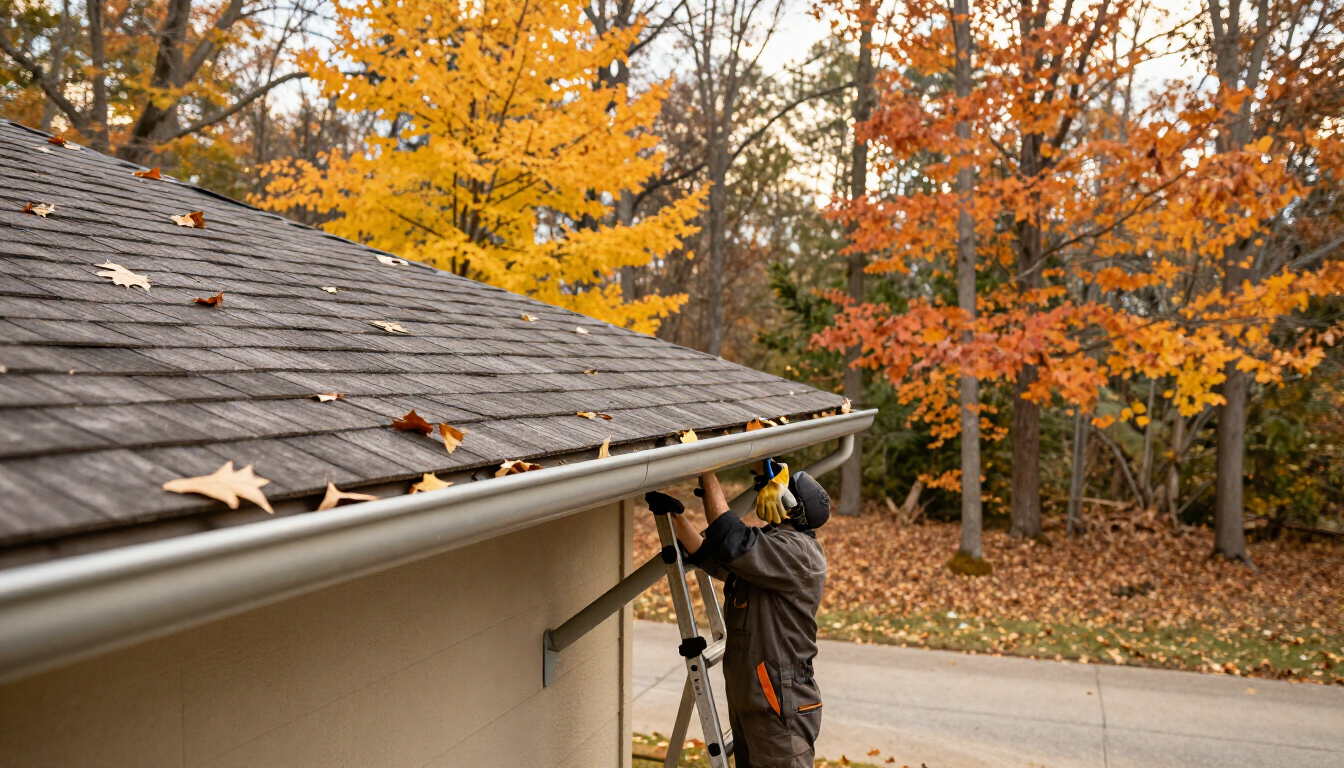
- Regular Cleaning: Aim to clear out leaves, twigs, and other debris at least twice a year, usually in the spring and fall. If you have a lot of trees, you might need to do it more often.
- Check for Damage: While you're up there (or even from the ground), keep an eye out for any loose fasteners, sagging sections, or cracks. Small issues can become big problems if ignored.
- Gutter Guard Care: If you have gutter guards, they still need maintenance. They can get clogged too, and you'll need to clean them periodically to make sure water flows freely.
Keeping your gutters in good shape isn't just about preventing water damage to your home; it's a key requirement for keeping your warranty active. A little bit of regular upkeep can save you a lot of headaches and money down the road.
Documenting Installation and Repairs
Keep records! Seriously, this is super important. When you first get your gutters installed, make sure you have all the paperwork. This includes:
- The original invoice.
- The warranty documents themselves.
- Any permits or inspection reports.
If you ever have repairs done, even minor ones, keep records of those too. Note the date, who did the work, and what was done. This creates a history of your gutter system's care. If a problem arises later, having this documentation makes filing a claim much smoother. It shows you've been a responsible homeowner. For more on how to avoid common warranty pitfalls, check out this guide on roofing warranties.
Choosing Installers with Strong Warranty Support
When you're first getting your gutters installed, the company you choose matters a lot. Look for installers who are upfront about their warranties, both for the materials and their workmanship. A reputable company will be happy to explain everything clearly. Ask them:
- What kind of warranty do they offer on their installation labor?
- How long does their workmanship warranty last?
- What is their process for handling warranty claims?
Choosing a local contractor with a solid reputation and a clear warranty policy is a smart move. It means they stand behind their work and are likely to be around if you ever need to use that warranty. It's about peace of mind, knowing you've got support if something goes wrong with your gutter installation.
Making sure your gutter warranty is worth the paper it's printed on is super important. Think of it as a safety net for your home's protection against water damage. Don't let that valuable coverage slip away! Learn how to get the most out of your gutter warranty by visiting our website today. We'll show you the simple steps to ensure you're covered when you need it most.
Wrapping It Up: Gutters and Warranties
So, when it comes to gutters, don't just assume they're a 'set it and forget it' kind of deal. We've talked about how important they are for your home's health, especially here in Lafayette and Ringgold. Remember to ask about warranties – what's covered, for how long, and what you need to do to keep it valid. A good warranty can save you a lot of headaches and money down the road. It’s always best to get things in writing and understand the details before you sign anything. Taking a little time now to ask the right questions can make a big difference later.
Frequently Asked Questions
Do gutters usually come with a warranty?
Yes, many new gutters and gutter systems do come with warranties. These can cover the materials used, how they were installed, or sometimes even offer a guarantee against clogs if you have gutter guards. It's always smart to ask about the specifics before you buy.
What's the difference between a manufacturer's warranty and an installer's warranty?
A manufacturer's warranty typically covers problems with the actual gutter materials, like defects or how they were made. An installer's warranty, often called a workmanship warranty, covers the work done by the company that put the gutters on your house. This means if they made a mistake during installation, their warranty would cover fixing it.
What should I look out for in a gutter warranty agreement?
You'll want to check how long the warranty lasts – some are for a set number of years, while others might be 'limited lifetime.' Also, see what's *not* covered, like damage from extreme weather or lack of maintenance. Understanding the claim process is important too, so you know what to do if something goes wrong.
Are gutter guards guaranteed to never clog?
Many companies offer a 'clog-free' guarantee with their gutter guards. This is a great selling point, especially if you hate cleaning your gutters! However, it's good to understand exactly what this guarantee means and if there are any conditions to it.
How does the weather in Lafayette and Ringgold affect gutter warranties?
The local climate, with its rain and maybe occasional storms, can put extra wear and tear on gutters. Reputable installers in the area often use materials and installation methods that are built to last in this specific climate. Their warranties might reflect this, offering better coverage for common local issues.
What's the best way to make sure my gutter warranty stays valid?
The easiest way is to keep up with basic maintenance. This means keeping your gutters clear of debris, especially after storms or heavy leaf fall. Also, keep records of your installation and any repairs. This documentation can be super helpful if you ever need to make a warranty claim.