Siding Issues You Shouldn’t Ignore After Winter in Chattanooga & North Georgia
Winter can be rough on your home's exterior, especially here in Chattanooga and North Georgia. When the cold snaps and icy winds finally give way to spring, it's a good time to look over your siding. Sometimes, the damage from winter might not be super obvious at first glance, but ignoring it can lead to bigger headaches down the road. Let's talk about what to watch out for and why it's smart to get it checked out.
Key Takeaways
- Winter's chill can cause siding panels to crack or warp, and sometimes entire sections can loosen or go missing.
- Look for gaps, signs of mold, or even higher energy bills – these can all point to winter siding damage.
- Ignoring siding problems can weaken your home's structure, invite pests, and mess with your insulation.
- Getting a pro to inspect your siding after winter is a smart move to catch issues early.
- Taking steps like choosing tough materials and keeping up with cleaning helps protect your siding investment.
Common Winter Siding Damage
Winter can be tough on your home's exterior, and your siding is no exception. The freeze-thaw cycles, heavy winds, and even just the general dampness can take a toll. It's not just about looks; ignoring these issues can lead to bigger, more expensive problems down the road.
Cracked or Warped Siding Panels
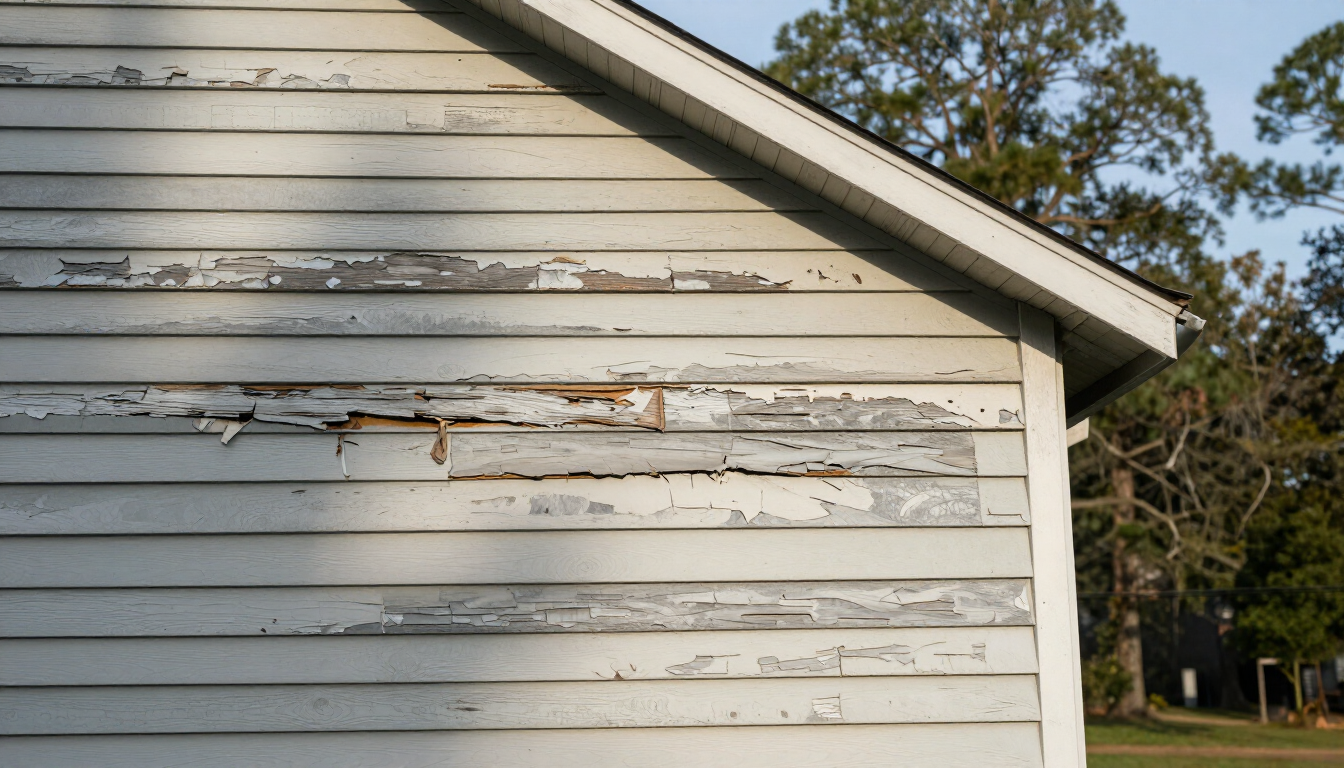
Cold temperatures can make siding materials, especially vinyl or wood, more brittle. When this happens, they're more prone to cracking, particularly if they experience sudden temperature changes or impact. You might notice small fissures that can grow over time, or entire sections might start to warp, pulling away from the house. This warping can happen as materials expand and contract with temperature shifts, and if the siding isn't flexible enough, it can buckle.
Loose or Missing Siding Sections
Strong winter winds are a common culprit here. They can exert significant pressure on your siding, loosening nails or screws that hold the panels in place. Over time, this can lead to sections of siding becoming loose, flapping in the wind, or even breaking off entirely. This is especially true if the fasteners were not installed correctly or have corroded over the years.
Water Intrusion Behind Siding
This is a sneaky one. When snow melts or rain gets behind your siding, it needs a way to escape. If there are cracks, gaps, or improper flashing around windows and doors, water can seep in. Once behind the siding, it can get trapped, especially if the drainage system isn't working right. This trapped moisture can lead to rot, mold growth, and damage to the underlying structure of your home.
Winter's harshness can expose weaknesses in your siding that might have gone unnoticed during milder seasons. Addressing these issues promptly is key to preventing more significant damage and costly repairs later on.
Signs of Winter Siding Damage
Winter can be tough on your home's exterior, and your siding is no exception. After the cold months pass, it's a good idea to take a closer look at your house. Sometimes, the damage isn't super obvious at first glance, but ignoring these signs can lead to bigger headaches down the road.
Visible Gaps and Seams
One of the first things you might notice are gaps or seams that weren't there before. Winter's freeze-thaw cycles can cause materials to expand and contract, and sometimes this leads to siding panels shifting. If you see daylight peeking through, or if sections just don't look flush anymore, that's a clear indicator something's up. These openings aren't just unsightly; they're invitations for moisture and pests to get into your home's structure. It's like leaving your front door wide open for trouble.
Mold or Mildew Growth
Seeing any fuzzy green or black spots on your siding? That's likely mold or mildew, and it's a pretty strong sign that moisture has been getting trapped somewhere. This often happens when water seeps behind the siding due to cracks or loose sections. Mold isn't just an aesthetic problem; it can affect your home's air quality and even start to break down the siding material itself over time. Addressing the source of the moisture is key here.
Increased Energy Bills
This one might seem a bit indirect, but it's a real tell-tale sign. If your heating bills suddenly jumped up this past winter, and you can't pinpoint another reason, your siding could be the culprit. Damaged siding, with its gaps and compromised seals, lets warm air escape your home and cold air sneak in. It forces your HVAC system to work overtime, which directly translates to higher energy costs. It's a constant battle against the elements that your home shouldn't have to fight.
Sometimes, the most serious damage isn't immediately apparent. Small cracks or loose pieces might not seem like a big deal, but they can quickly turn into major structural issues if left unaddressed. Think of it like a small leak in a boat – it might not sink you right away, but it's definitely not something you want to ignore.
Keep an eye out for these signs. Catching siding issues early, especially after a harsh winter, can save you a lot of money and hassle. If you're unsure about what you're seeing, it's always best to get a professional opinion. They can spot problems you might miss and help you figure out the best course of action for your Chattanooga home.
Impact of Winter Siding Damage
Winter can be tough on your home's exterior, and when your siding takes a hit, it's not just about looks. Ignoring damage can lead to some pretty serious problems down the road.
Structural Integrity Concerns
When siding panels crack, warp, or go missing, it leaves the underlying structure of your home exposed. This isn't just about a draft; it's about the whole house. Water can seep in, and if it freezes and thaws repeatedly, it can weaken the materials holding your house together. Think about the framing, the sheathing – all of that can start to degrade. This compromised structure can lead to bigger, more expensive repairs later on.
Pest Infestations
Little gaps and holes created by winter damage are like an open invitation for unwanted guests. Insects like ants, termites, or even rodents can find their way into your walls. They can chew through insulation, damage wiring, and generally make a mess. Once they're in, getting them out can be a whole other headache.
Compromised Insulation
Your siding works hand-in-hand with your insulation to keep your home comfortable and your energy bills in check. If your siding is damaged, it creates pathways for air to escape or enter. This means your heating and cooling systems have to work overtime to maintain a steady temperature. You might notice:
- Cold spots in certain rooms.
- Your HVAC system running more often than usual.
- A noticeable increase in your monthly energy costs.
Damaged siding doesn't just let the weather in; it lets your conditioned air out. This inefficiency puts a strain on your home's systems and your wallet, especially during the extreme temperature swings common in our region. It's a direct hit to your home's ability to stay comfortable and energy-efficient.
Addressing these issues promptly is key to preventing a small problem from turning into a major structural or financial burden.
Addressing Siding Issues Promptly
After a long winter, it's easy to just want to forget about home maintenance. But when it comes to your siding, ignoring problems can lead to bigger headaches down the road. Think of it like a small cut – if you don't clean it, it can get infected and become a much bigger deal. The same goes for your home's exterior.
So, what should you do when you spot something amiss?
Professional Inspection
First off, don't try to be a hero and guess what's wrong. It's always best to get a professional opinion. They have the trained eye to spot issues you might miss and know exactly what to look for. They can tell you if that small crack is just a cosmetic flaw or a sign of deeper trouble. Getting a qualified opinion is key to understanding the full scope of the problem. For example, if you're having trouble with your roof, you might want to look into residential roofing services.
Repair vs. Replacement Decisions
Once you know what you're dealing with, you'll need to figure out the best course of action. Sometimes, a simple repair is all that's needed. A loose board can be reattached, or a small crack can be sealed. Other times, especially if the damage is widespread or has been ignored for too long, replacing a section or even the entire siding might be the smarter choice. It really depends on the extent of the damage and the age of your siding.
Making the right call between repair and replacement isn't just about cost; it's about long-term protection for your home. A quick fix might save money now, but a proper replacement could prevent more expensive issues later, like water damage or structural problems. Weighing these factors carefully will save you stress and money in the long run.
Preventative Maintenance
Finally, think about how to stop this from happening again next year. Regular check-ups, even just a quick walk-around yourself after a harsh season, can catch minor issues before they become major ones. Keeping your gutters clean and ensuring proper drainage around your foundation also plays a big role in protecting your siding. It’s all about staying ahead of the game.
Protecting Your Siding Investment
After a long winter, it's smart to give your home's exterior a good once-over. Taking care of your siding isn't just about looks; it's about keeping your house safe and sound. Think of it like giving your home a good check-up after a tough season.
Choosing Durable Siding Materials
When it's time to think about new siding, or even repairs, picking the right stuff makes a big difference. You want materials that can handle whatever Mother Nature throws at them, especially here in Chattanooga and North Georgia where we see a bit of everything. Some options are known for holding up well against moisture and temperature swings.
- Vinyl Siding: It's popular for a reason. It's relatively low-maintenance and comes in tons of colors and styles. Plus, it's pretty good at resisting impact.
- Fiber Cement Siding: This stuff is tough. It's made from cement, sand, and cellulose fibers, so it's resistant to rot, insects, and fire. It can also mimic the look of wood really well.
- Wood Siding: While beautiful, wood requires more upkeep. If you love the natural look, just be prepared for regular painting or staining and keeping an eye out for pests.
Proper Installation Techniques
Even the best siding material won't perform well if it's not put on correctly. This is where hiring a good contractor really pays off. They know how to make sure:
- The siding is installed with the right expansion and contraction gaps, so it doesn't buckle or crack when the weather changes.
- Water is properly managed. This means correct flashing around windows and doors, and making sure water can drain away from the house, not get trapped behind the panels.
- The house wrap or weather-resistant barrier is installed correctly. This is a key layer that helps keep moisture out while letting the wall breathe.
Getting the installation right the first time saves a lot of headaches and money down the road. It's about building a solid defense for your home.
Regular Cleaning and Upkeep
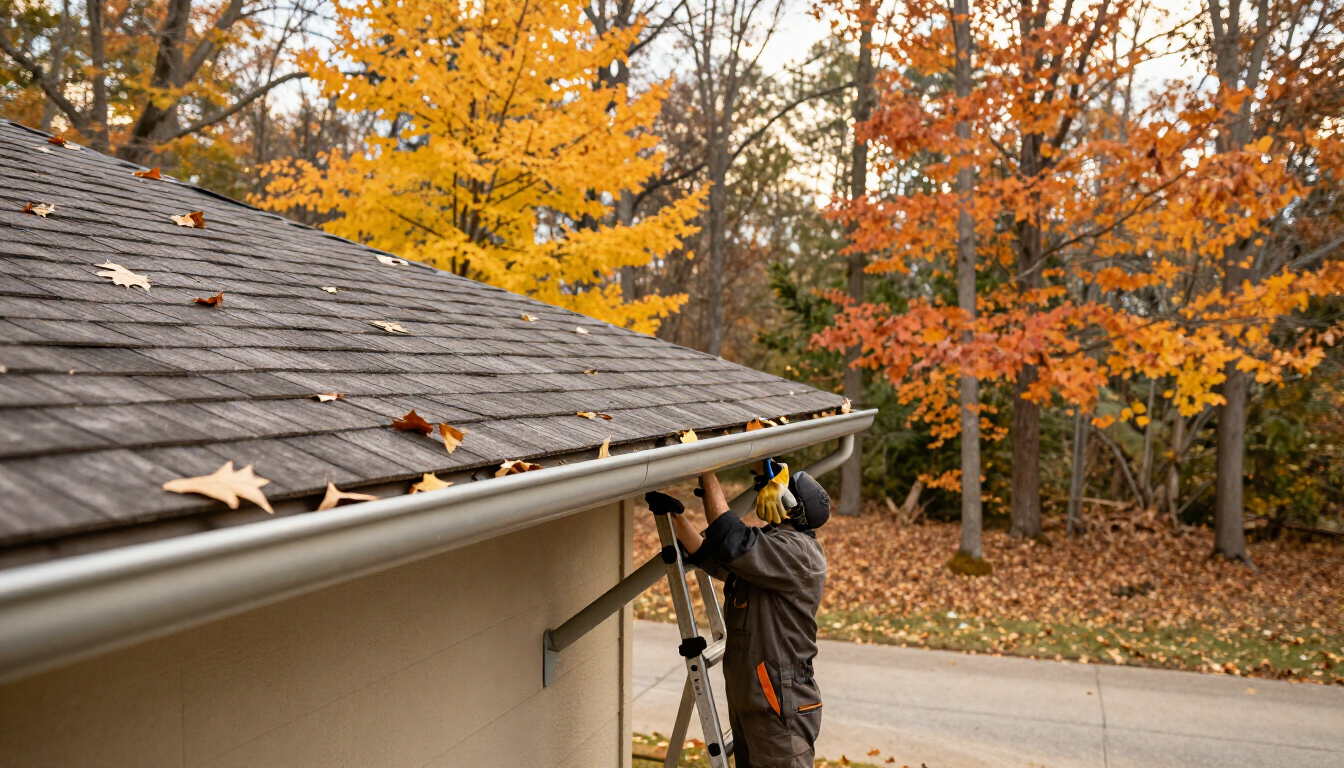
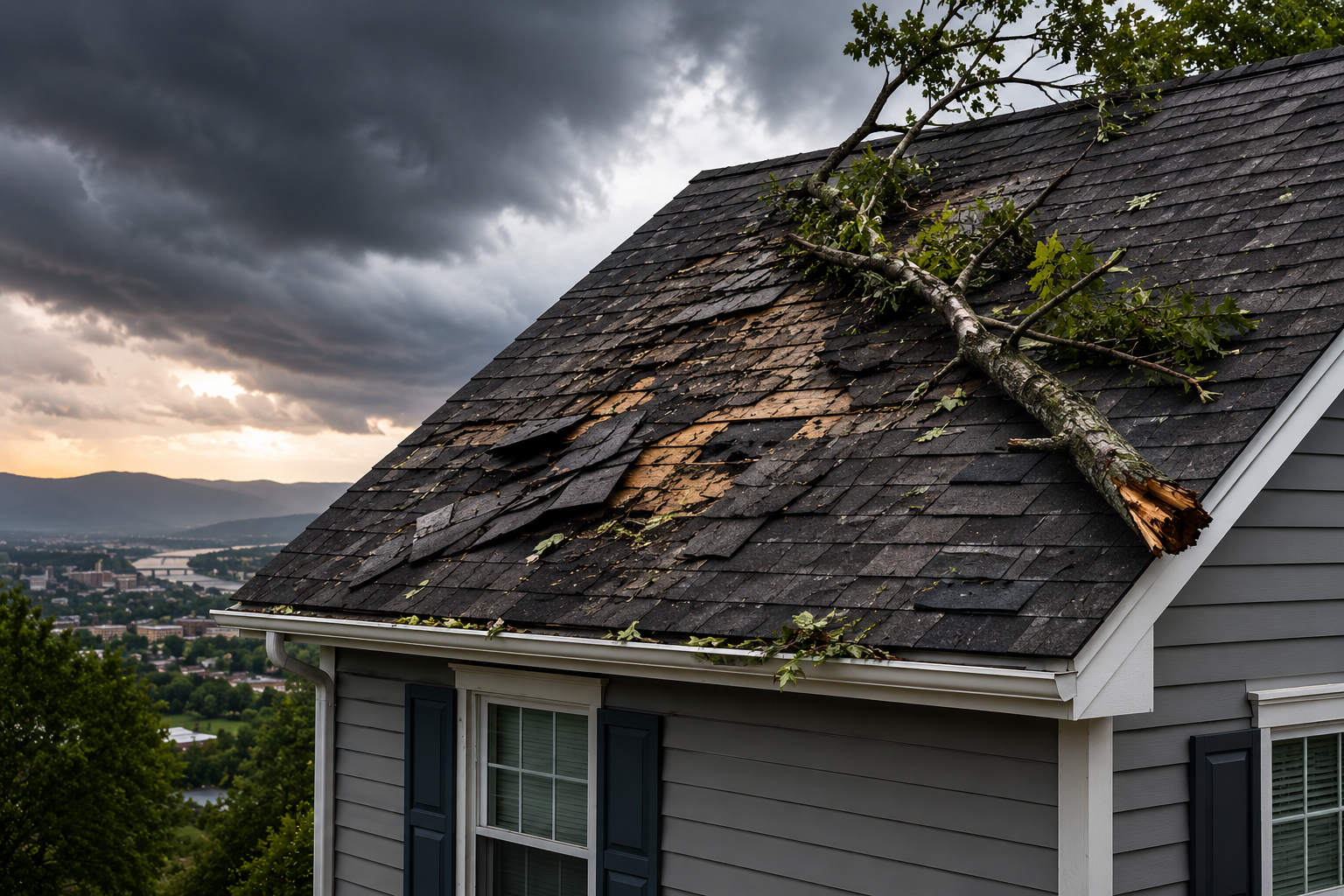
Don't forget about keeping your siding clean! Over time, dirt, pollen, and mildew can build up, which not only looks bad but can also start to break down the material. A good cleaning can make a world of difference. You might also want to keep an eye on your gutters and downspouts; if they're clogged, water can overflow and run down your siding, causing issues. For more on storm response, you might find resources helpful for emergency storm response.
- Gentle Cleaning: Usually, a soft brush and a mild detergent mixed with water is all you need. Avoid harsh chemicals or pressure washers that can damage the siding.
- Inspect While Cleaning: This is a great time to look for any small cracks, loose pieces, or signs of wear that might need attention.
- Trim Overhanging Branches: Trees brushing against your siding can cause scratches and hold moisture, so keep them trimmed back.
Taking good care of your siding is super important for keeping your home looking great and protected. Regular check-ups and quick fixes can stop small problems from becoming big, expensive headaches. Want to learn more about how to keep your siding in top shape? Visit our website today for all the best tips and advice!
Don't Let Winter's Damage Linger
So, winter's finally packed its bags and headed out of Chattanooga and North Georgia. That's great news, right? But before you fully switch to summer mode, take a good look at your home's siding. We've talked about cracks, gaps, and other signs that winter might have done more than just chill things out. Ignoring these issues now could mean bigger headaches and more expensive repairs down the road. Think of it like that leaky faucet you keep meaning to fix – it's usually not a big deal until it floods the kitchen. Getting a professional to check out any siding problems you spotted is a smart move. It's better to deal with a small issue now than a major one later. Plus, keeping your siding in good shape helps your home look good and stay protected, especially with our unpredictable weather here.
Frequently Asked Questions
What kind of siding damage happens in winter?
Winter's cold can make siding brittle. This can lead to cracks or panels warping, especially if they get wet and then freeze. Sometimes, the freeze-thaw cycle can loosen siding, making parts of it hang loose or even fall off. Water can also sneak behind the siding, causing hidden problems.
How can I tell if my siding is damaged after winter?
Look for obvious signs like gaps where siding panels should meet tightly or visible cracks. You might also notice fuzzy or colored spots, which could be mold or mildew growing from moisture. If your heating bills suddenly jump up, it could mean cold air is getting in through damaged siding.
Why is it important to fix siding damage right away?
Ignoring siding problems can lead to bigger issues. Water getting behind the siding can weaken the structure of your house. It can also create a cozy spot for bugs or rodents to move in. Plus, damaged siding lets heat escape, making your home less energy-efficient and costing you more money.
Should I repair or replace my siding?
It depends on how bad the damage is. Small cracks or a few loose pieces can often be fixed. But if large sections are damaged, warped, or if there's widespread water intrusion, replacing the siding might be the better, long-term solution. A professional can help you figure out the best option.
What's the best way to prevent siding damage from winter?
Choosing strong siding materials that can handle different weather is a good start. Making sure it's installed correctly by experts is also key. Regular cleaning and checking for any small issues before winter hits can help prevent bigger problems later on.
How often should I have my siding inspected?
It's a good idea to look at your siding at least once a year, and definitely after harsh weather like a tough winter. A professional inspection can catch problems you might miss. This helps you address issues when they are small and less expensive to fix.