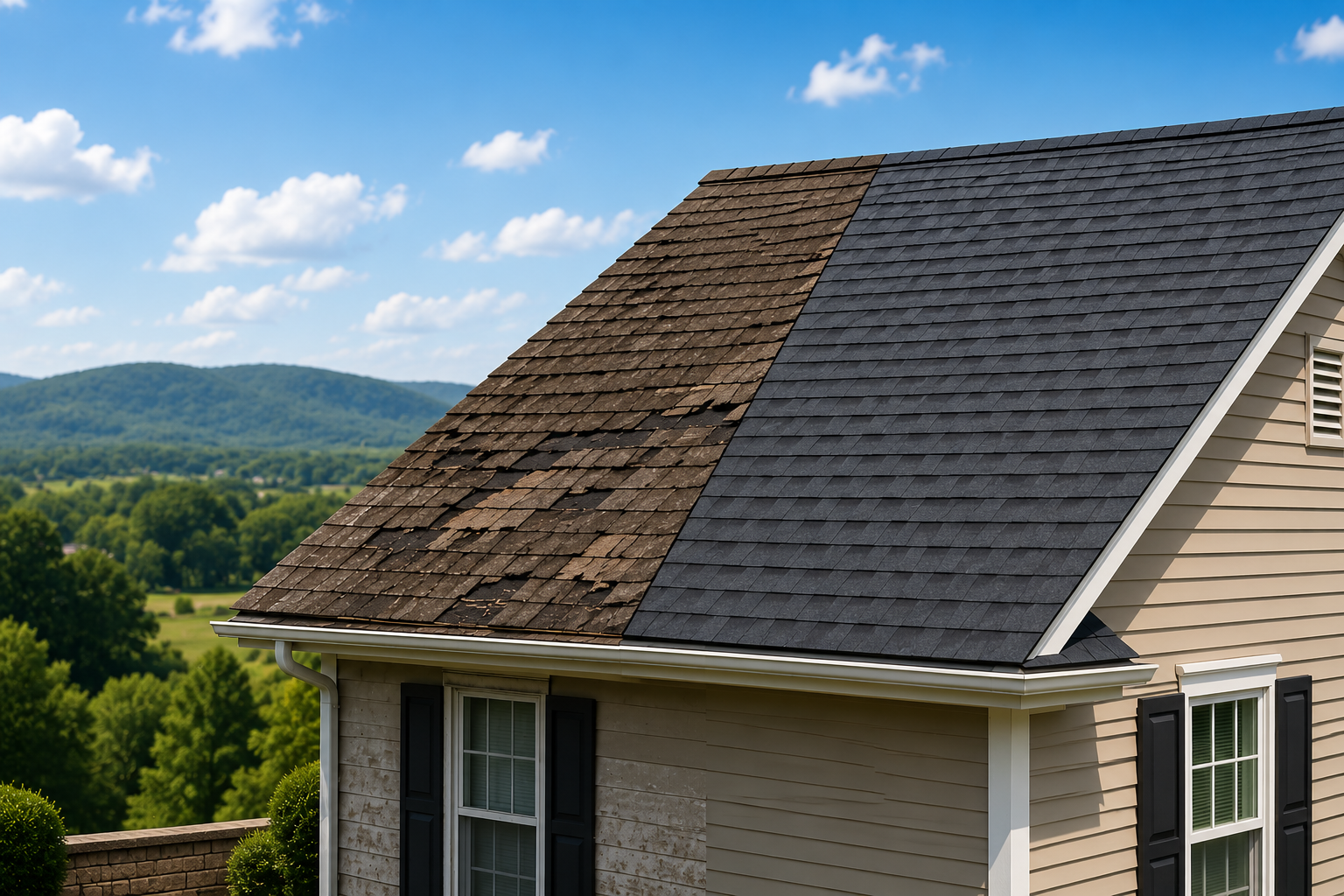
North Georgia's spring storm season is right around the corner, and if your roof isn't in good shape, you could be in for a rough time. From strong winds and heavy rain to occasional hail, these conditions can wear down your roof quickly. Taking a proactive approach now can help protect your home before severe weather hits.
Key Takeaways
- High winds can lift shingles, heavy rain can cause leaks, and hail can crack roofing materials.
- Moisture buildup can lead to mold and rot if ventilation is poor.
- Routine inspections help catch small issues before they become costly repairs.
- Keeping gutters and roof surfaces clear prevents water damage.
- Choosing durable, weather-resistant materials can extend your roof’s lifespan.
Understanding North Georgia's Storm Season Threats
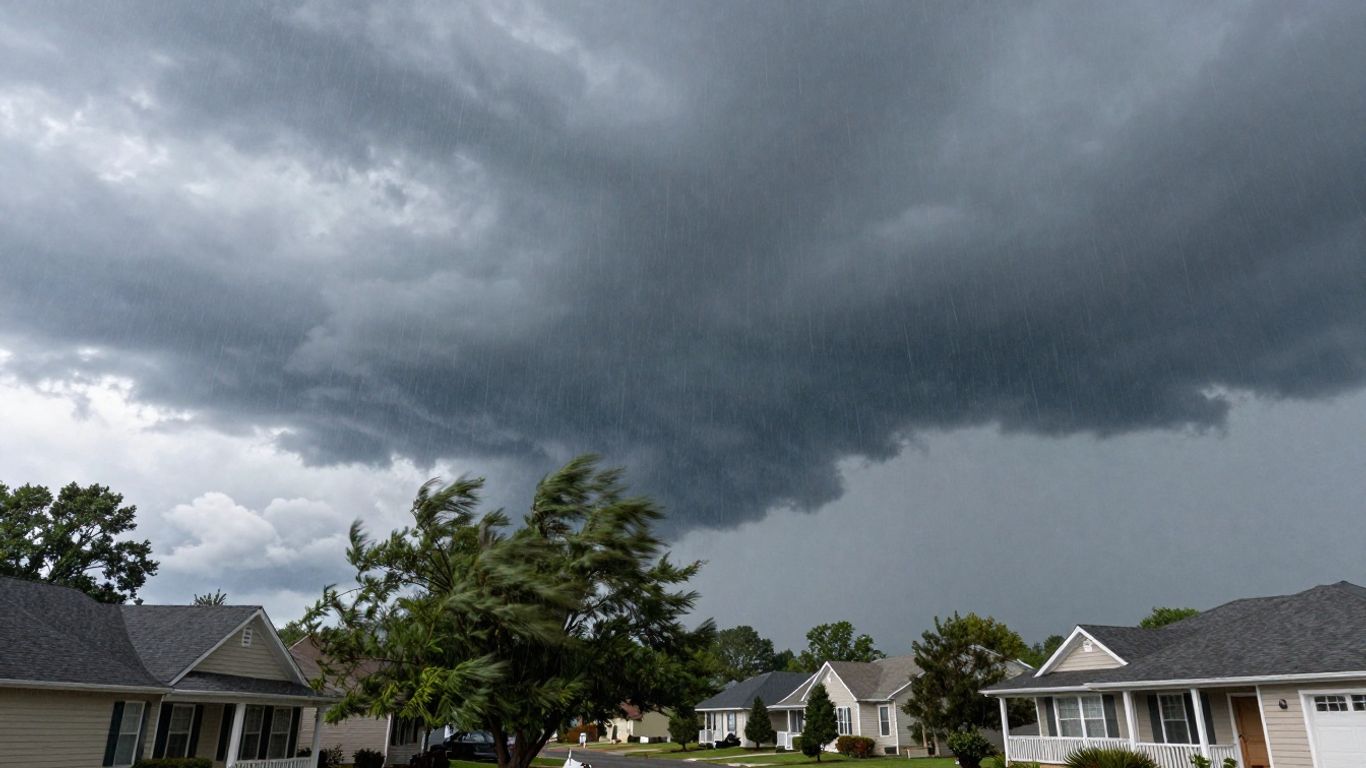
Spring in North Georgia can bring unpredictable weather. Some days are calm, while others bring intense storms that can put serious stress on your roof.
The Impact of High Winds and Severe Gusts
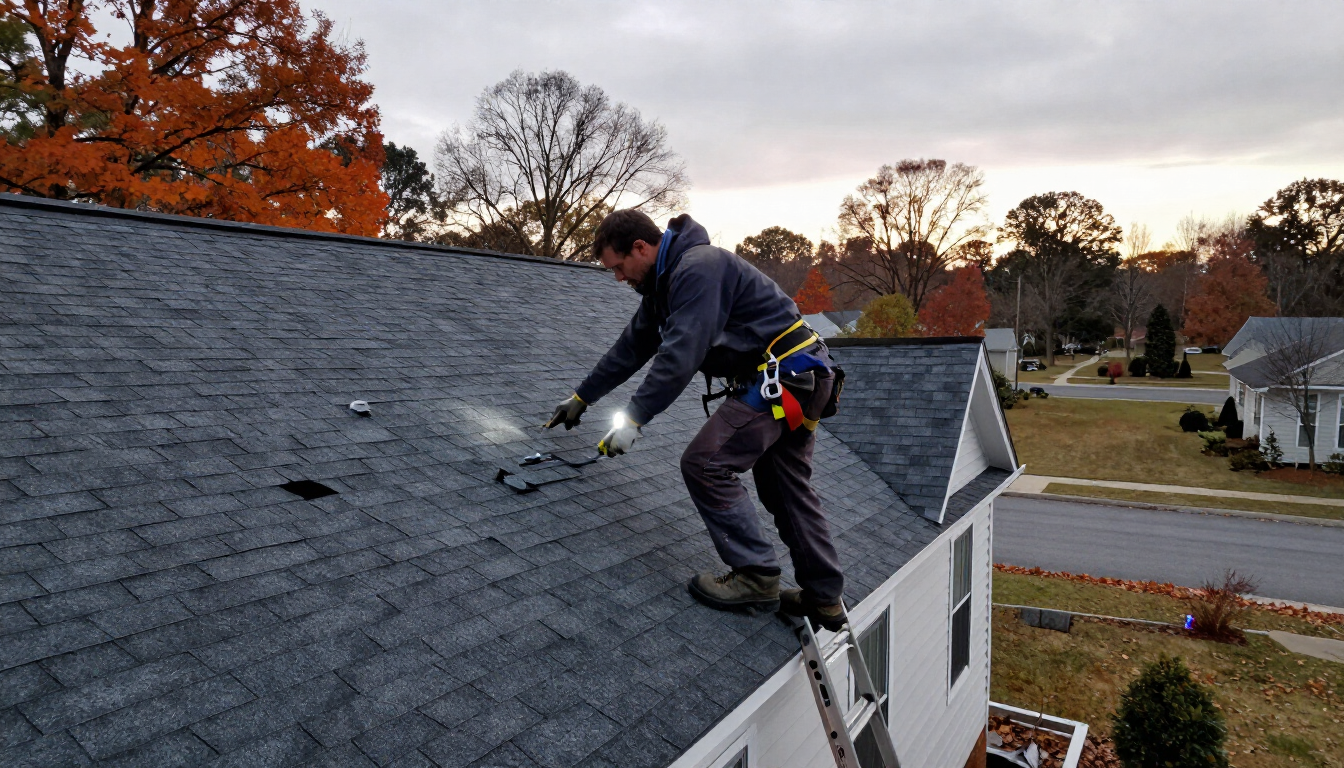
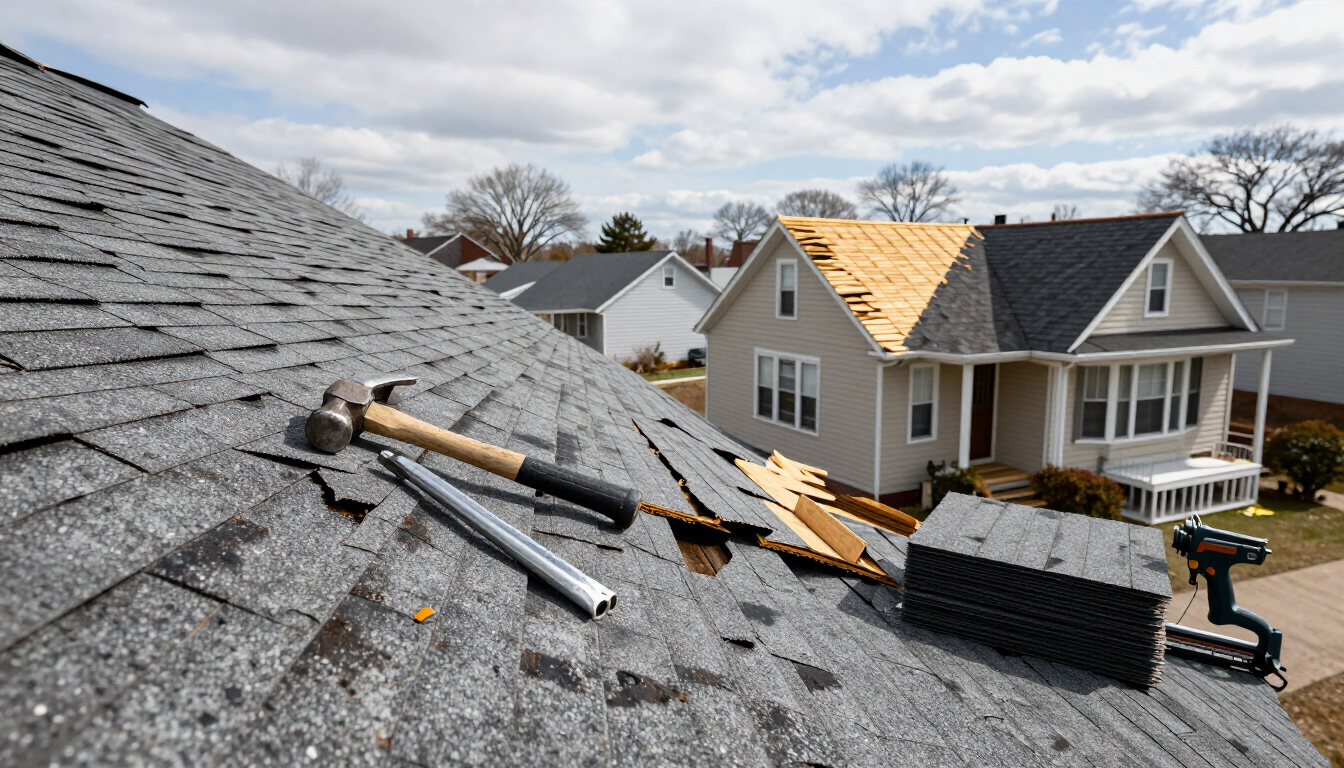
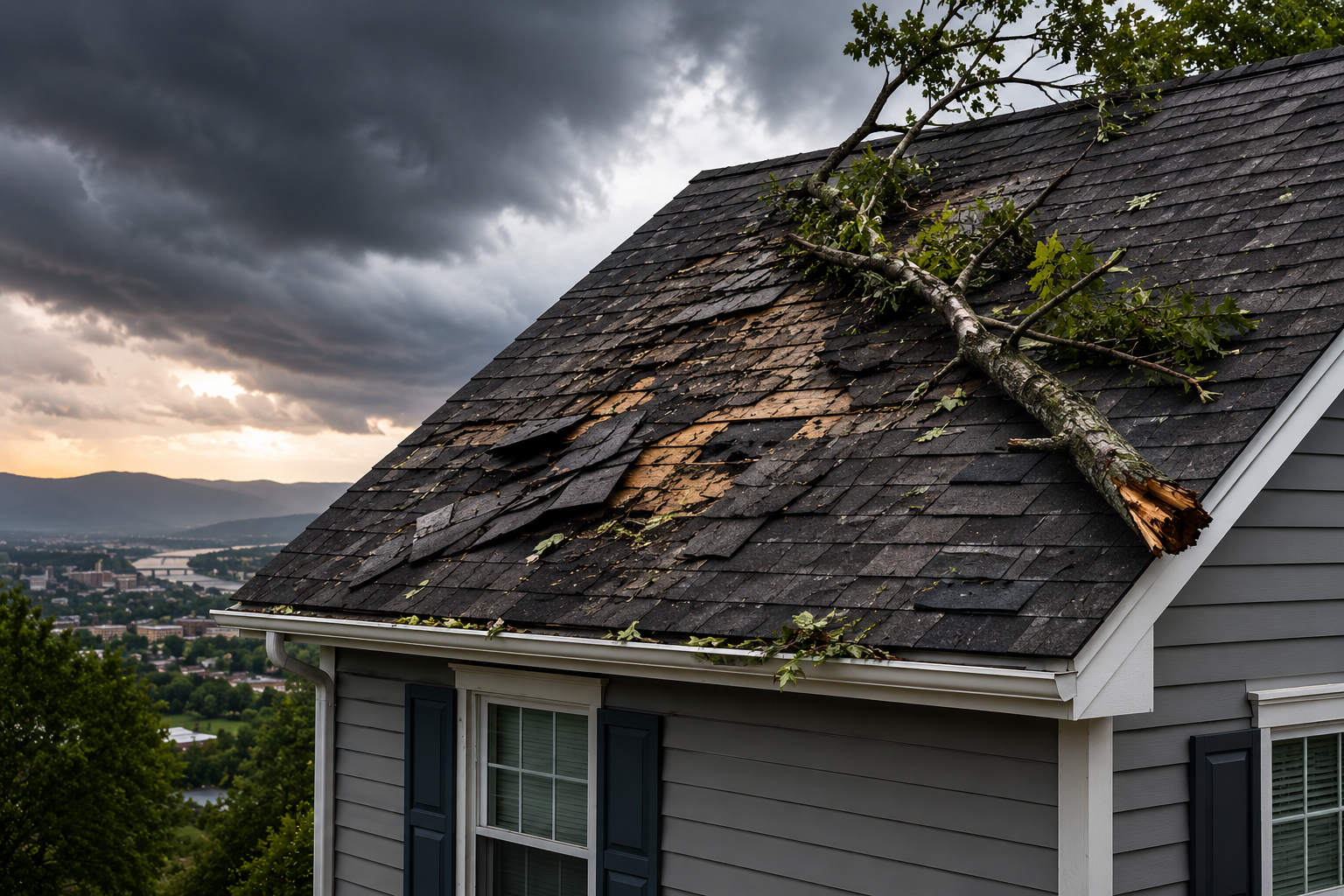
Strong winds can lift shingles and expose the roof beneath. Even minor wind damage can create entry points for water.
- Missing or lifted shingles
- Ridge caps blown off
- Exposed roof decking
- Water intrusion at weak spots
Even one missing shingle can allow rainwater to seep into your roof structure over time.
How Heavy Rains and Thunderstorms Affect Your Roof
Heavy rainfall can push water through weak points in your roofing system, especially if flashing or seals are worn down.
- Ceiling stains or discoloration
- Damp attic insulation
- Leaks near vents or chimneys
The Danger of Hailstorms and Debris Impacts
Hail and falling debris can cause damage that isn’t always visible right away.
- Cracks in shingles
- Granule loss that accelerates aging
- Dents in vents, flashing, or gutters
Even if damage isn’t obvious, a post-storm inspection is often a smart step.
Preparing Your Roof for Spring Showers
Addressing Moisture and Mold Concerns
Moisture trapped under shingles or inside the attic can lead to mold growth and structural damage. Preventing moisture buildup is key to maintaining a healthy roof.
- Check for musty odors in the attic
- Inspect insulation and wood for dark spots
- Ensure proper ventilation is in place
Early signs of mold or moisture should be addressed quickly to avoid costly repairs.
Preventing Leaks and Flashing Failures
Flashing protects vulnerable areas like chimneys and roof valleys. If it becomes damaged, water can easily enter your home.
- Inspect flashing for rust or looseness
- Check for missing sealant or exposed nails
- Repair or replace damaged sections promptly
Mitigating Damage from Thermal Expansion
Temperature swings cause roofing materials to expand and contract. Over time, this can weaken shingles and create cracks.
- Use materials designed for temperature changes
- Schedule inspections after seasonal shifts
- Watch for early signs of cracking or loosening
Essential Storm Season Roof Prep
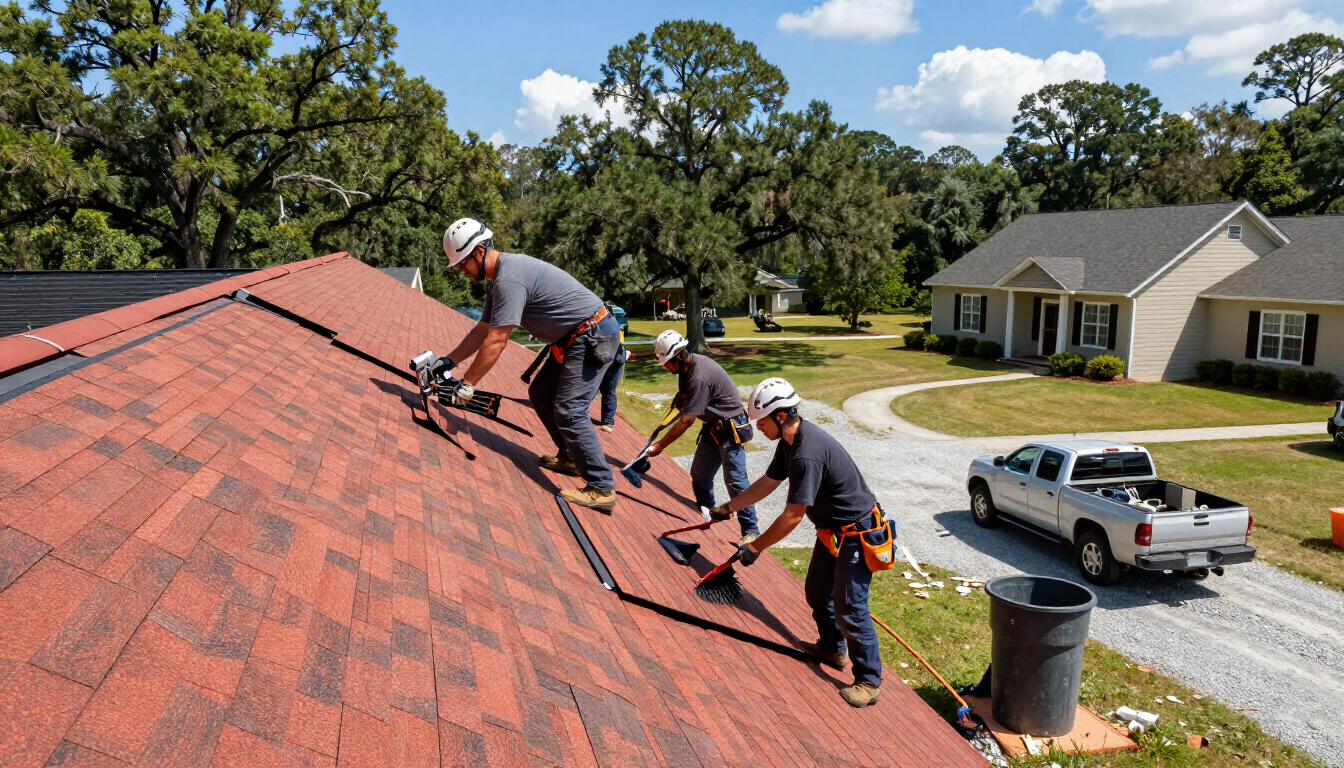
Proactive maintenance helps prevent major issues during storm season. Regular inspections and upkeep can significantly reduce repair costs over time.
- Shingle inspection: Look for missing, cracked, or loose shingles
- Flashing check: Ensure proper sealing around roof penetrations
- Granule monitoring: Check gutters for excessive granule buildup
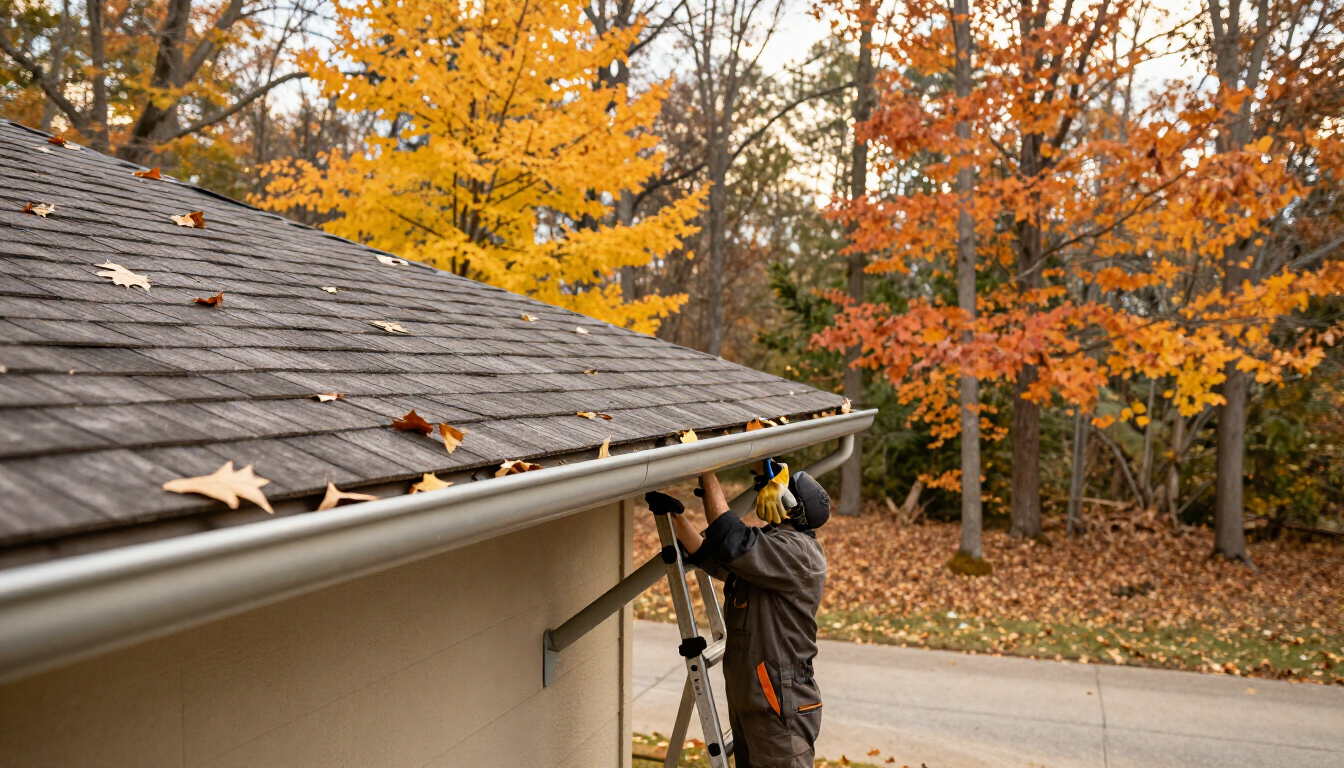
Keeping gutters clear is also essential. Blocked gutters can cause water to back up and damage both the roof and foundation.
Clean gutters and routine inspections are simple steps that can prevent major storm damage.
Signs Your Roof Needs Attention
Identifying Granule Loss and Shingle Damage
Granules protect shingles from UV rays. When they begin to wear off, shingles become more vulnerable.
- Granules collecting in gutters
- Cracked or curling shingles
- Missing shingles after storms
Recognizing Water Stains and Attic Leaks
Water stains inside your home are a clear sign of a roofing issue.
- Discoloration on ceilings or walls
- Visible attic moisture
- Dripping sounds during or after rain
Spotting Sagging Roof Sections
A sagging roof often indicates structural issues that require immediate attention.
- Visible dips or uneven roof lines
- Water pooling in low areas
- Signs of weakened roof decking
Maximizing Roof Longevity in Georgia's Climate
The Role of Proper Attic Ventilation
Proper ventilation helps regulate temperature and moisture levels, reducing the risk of mold, rot, and premature shingle wear.
- Prevents moisture buildup
- Reduces heat damage
- Improves overall roof performance
Proper ventilation is one of the most effective ways to extend the life of your roof.
Selecting Algae-Resistant Shingle Materials
Humidity in Georgia can lead to algae growth on roofs. Choosing algae-resistant shingles helps maintain appearance and durability.
Investing in Quality Roofing Materials
Higher-quality materials offer better protection against wind, rain, and UV exposure.
- Impact-resistant shingles for hail protection
- High wind-rated materials
- Durable underlayment for added protection
For expert guidance and roofing solutions tailored to Georgia’s climate, visit Patriot Exteriors.
Don’t Wait for the Next Downpour
North Georgia weather can be unpredictable, but your roof doesn’t have to be unprepared. Taking time now to inspect, maintain, and upgrade your roofing system can help prevent costly repairs later. A proactive approach ensures your home stays protected through every storm.
Frequently Asked Questions
What are the main storm dangers for roofs in North Georgia?
Strong winds, heavy rain, and hail can all damage roofing materials, leading to leaks and structural issues.
How can I prepare my roof for storm season?
Inspect your roof regularly, clean gutters, and repair any visible damage before storms arrive.
What are signs that my roof needs repair?
Look for missing shingles, water stains, granule loss, or sagging areas.
Why is attic ventilation important?
It helps control moisture and temperature, preventing mold and extending roof lifespan.
How long does a roof typically last in Georgia?
Most asphalt roofs last 20–30 years depending on maintenance and weather exposure.
When is the best time for roof repairs?
Spring and fall are ideal due to moderate weather conditions, but repairs should be done as soon as damage is identified.