By late October, most Fort Oglethorpe homeowners have noticed the change. Mornings are cooler, leaves are piling up in the yard, and the long stretch of summer heat is finally behind us. What most people don’t notice is what that summer did to their roof.
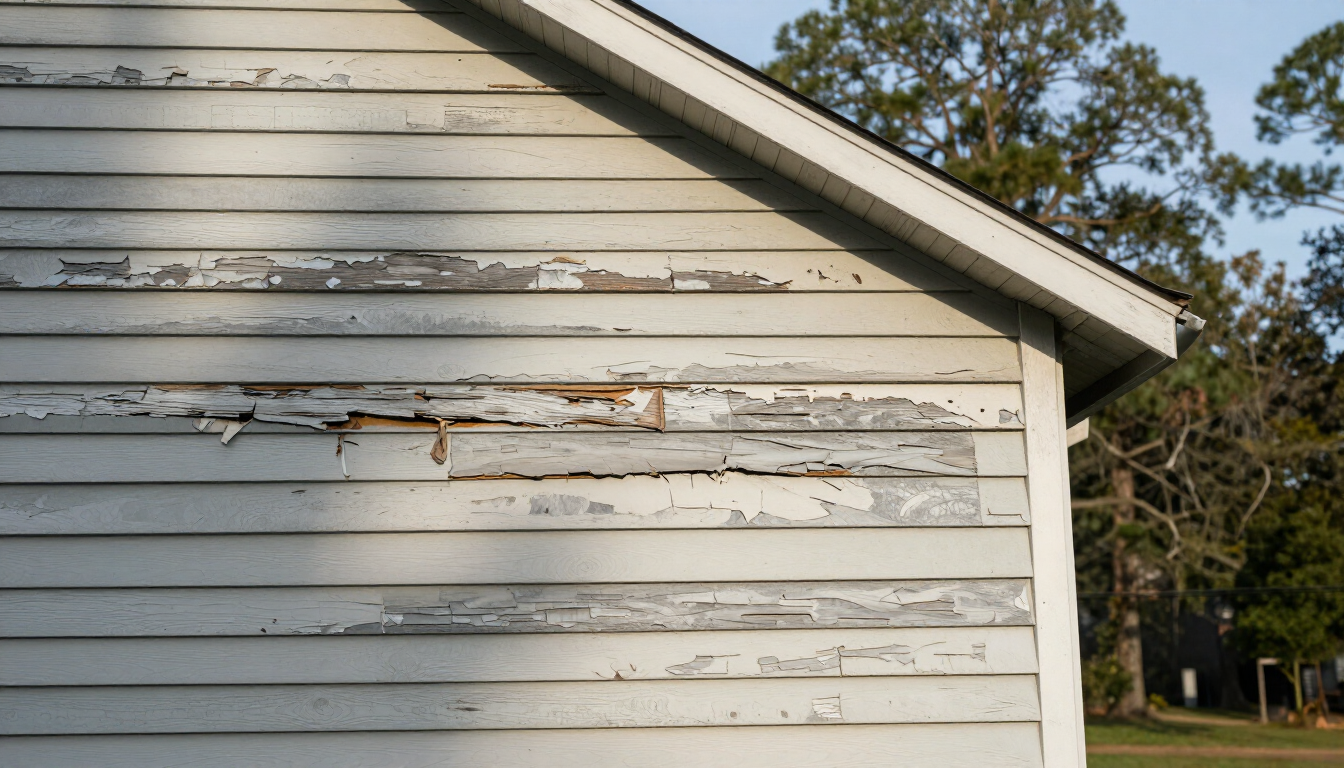
Months of strong sun, afternoon thunderstorms, and humid nights can loosen sealant, crack rubber pipe boots, and lift the edges of shingles. None of these problems looks dramatic on its own. But once colder, wetter weather sets in, a small gap can let water into the attic, sometimes for weeks before a stain appears on a ceiling.
A fall roof inspection gives you a chance to find those problems while they’re still small and inexpensive to fix. This guide covers what an inspection checks, the warning signs you can look for from the ground, and what to expect when you schedule one.
Why Fall Is the Right Time for a Roof Inspection in Fort Oglethorpe
Fall sits between two tough seasons for roofs in North Georgia. Summer brings heat, UV exposure, and storms. Winter brings cold rain, occasional ice, and freeze-thaw cycles. In a freeze-thaw cycle, water seeps into a gap, freezes, expands, and widens that gap a little more each time.
Inspecting in fall has practical advantages:
- Summer damage is still easy to spot. Heat wear and storm damage from the past few months are fresh and easier to document.
- Repairs go smoothly in mild weather. Asphalt shingles have self-sealing strips that need warmth to bond well. Moderate fall temperatures are better for many repairs than a cold January day.
- You have time to plan. If your roof is nearing the end of its life, you can compare options and budget instead of reacting to an emergency leak.
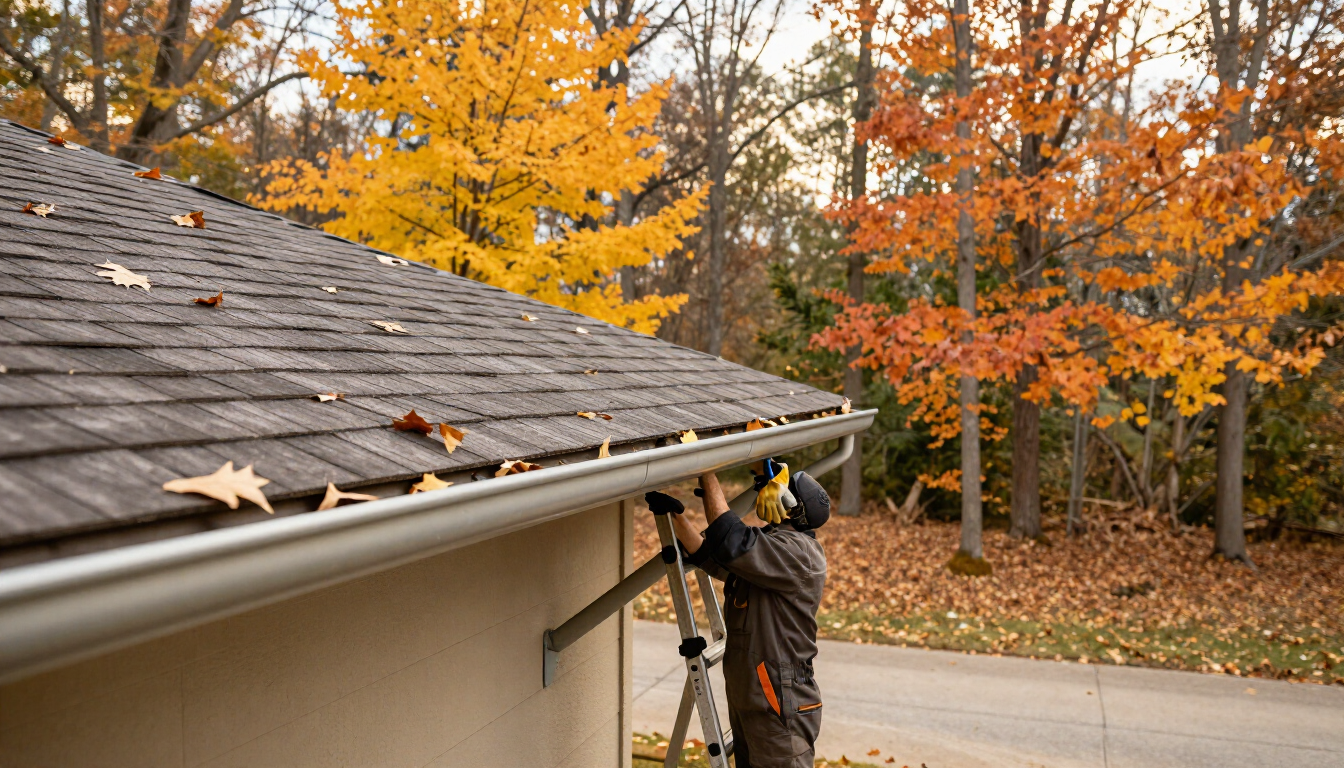
- Falling leaves reveal drainage trouble. Debris shows exactly where water and leaves collect in valleys and gutters.
What a Fall Roof Inspection Covers
A thorough inspection looks at the whole roof system, not just the shingles. Here’s what a professional typically checks.
Shingles and Roof Surface
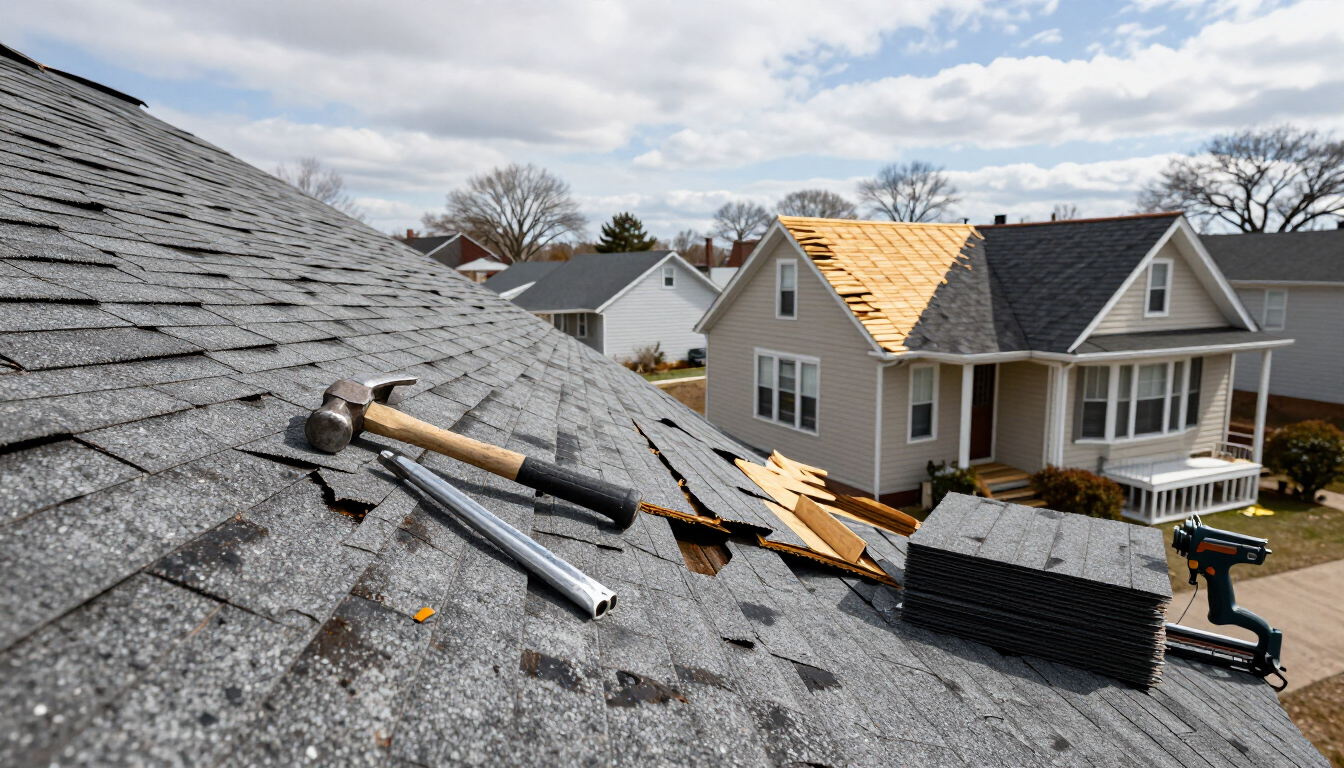
The inspector looks for cracked, curled, lifted, or missing shingles. They also check for granule loss. Granules are the gritty coating on asphalt shingles that protects them from the sun. Bare spots, or a heavy layer of granules in your gutters, can mean the shingles are wearing out.
Flashing
Flashing is thin metal installed where the roof meets a wall, chimney, skylight, or another roof slope. It directs water away from those seams. When flashing loosens, rusts, or loses its sealant, it becomes one of the most common sources of roof leaks.
Pipe Boots and Roof Penetrations
Plumbing vents and exhaust pipes pass through your roof inside rubber or plastic collars called pipe boots. Years of sun can dry out the rubber until it cracks. A cracked pipe boot can leak slowly for a long time before anyone notices.
Valleys
Valleys are the V-shaped channels where two roof slopes meet. They carry a lot of water, and in fall they also collect leaves and pine needles. Debris that sits in a valley holds moisture against the roof and can push water sideways under the shingles.
Gutters and Drip Edge
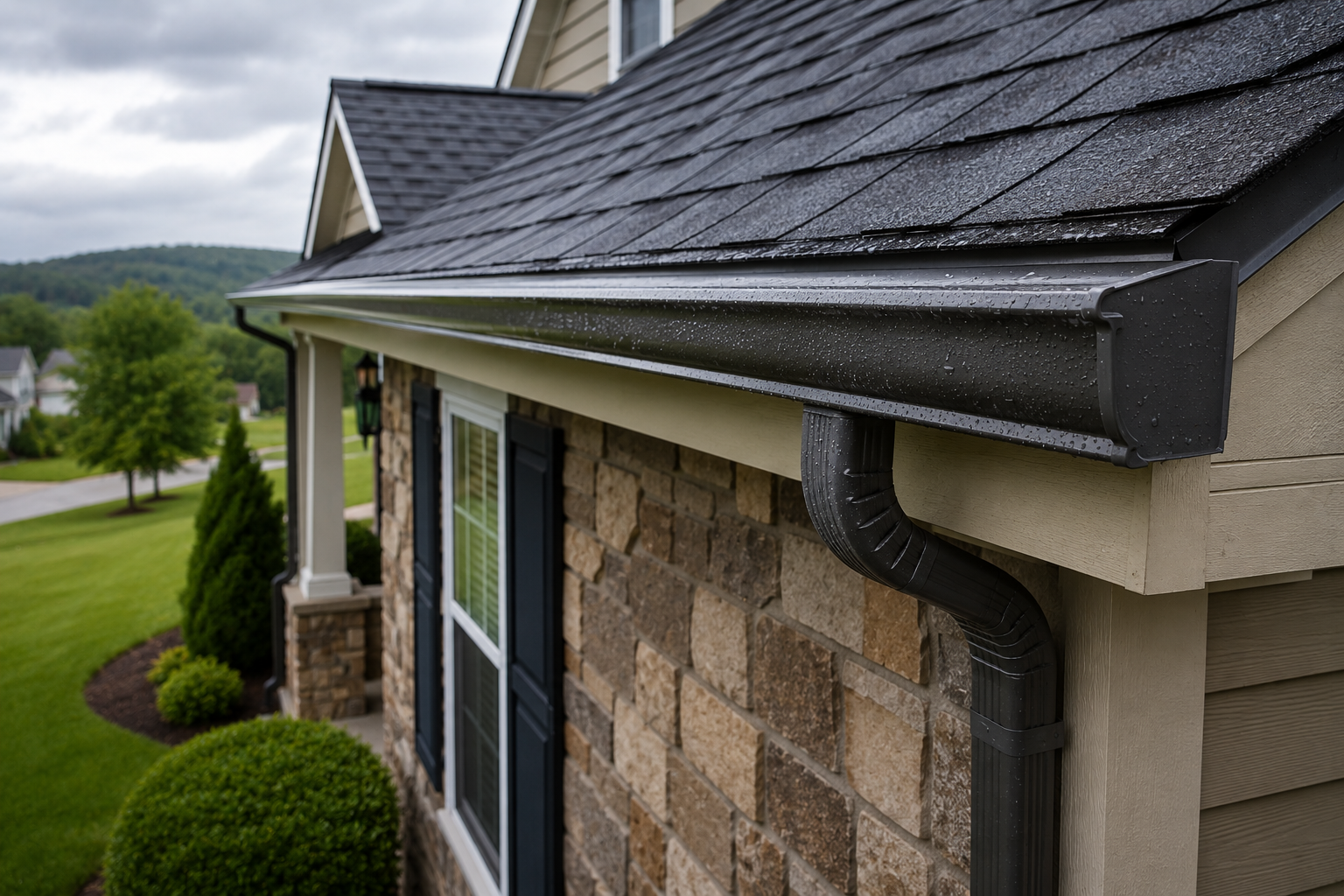
Your roof and gutters work as one system. The inspector checks whether gutters are pulling away from the fascia, whether water is backing up under the drip edge (the metal strip along the roof’s edge), and whether downspouts are clear. For a full homeowner checklist, see our
fall gutter maintenance checklist.
Attic and Ventilation
When the attic is accessible, a quick look inside can reveal water stains, damp insulation, or daylight showing through the roof boards. The inspector may also check ventilation. Good roof ventilation lets heat and moisture escape, which helps shingles last longer and reduces condensation in winter.
Common Roof Problems on Fort Oglethorpe Homes Before Winter
Most fall inspections in the Catoosa County area turn up the same handful of issues. Here’s what to watch for:
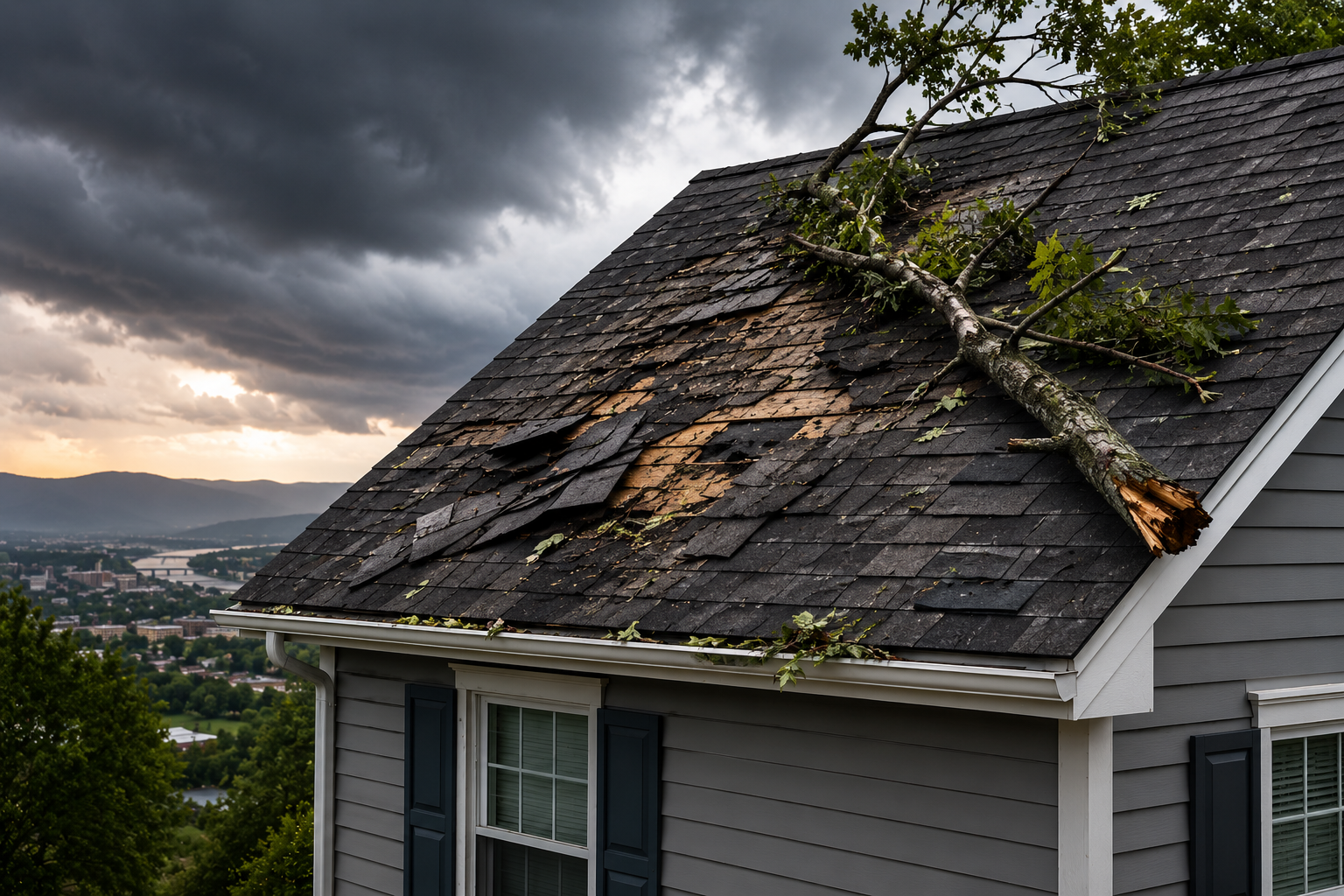
- Lifted or creased shingles from summer wind gusts
- Worn sealant around flashing, chimneys, and skylights
- Cracked pipe boots on plumbing vents
- Nail pops, where nails back out and push up the shingle above them
- Clogged valleys and gutters filled with leaves and pine needles
- Small soft spots in the roof deck from a slow, hidden leak
The good news? Most of these are routine repairs when caught early. Finding a cracked pipe boot in October costs far less than replacing stained drywall and wet insulation in February.
Warning Signs You Can Check From the Ground
You don’t need to climb a ladder to spot many early warning signs. In fact, please don’t. Wet leaves, morning dew, and steep slopes make fall roofs especially slippery. A pair of binoculars works well.
- Scan the roof for gaps. Look for missing shingles, uneven lines, or shingles that look lifted or curled at the edges.
- Check your gutters and downspout outlets. Large amounts of shingle granules can be a sign of aging shingles.
- Look at the chimney and wall joints. Rusted, bent, or separated flashing deserves a closer look.
- Walk through your top floor. Look for brown stains or bubbling paint on ceilings and upper walls, especially near chimneys and exterior walls.
- Visit the attic after a rain. Use a flashlight to check for drips, dark spots on the wood, or damp insulation.
- Notice musty smells. Ongoing moisture can lead to mold. The EPA explains how
moisture problems can lead to mold growth indoors and why fixing the water source comes first.
If you spot any of these, our
professional roof inspections and repairs can help determine the cause and the right fix.
Repair Now or Plan for Replacement?
Not every inspection ends with a short repair list. Sometimes it shows that a roof is close to the end of its service life. Signs pointing toward replacement include:
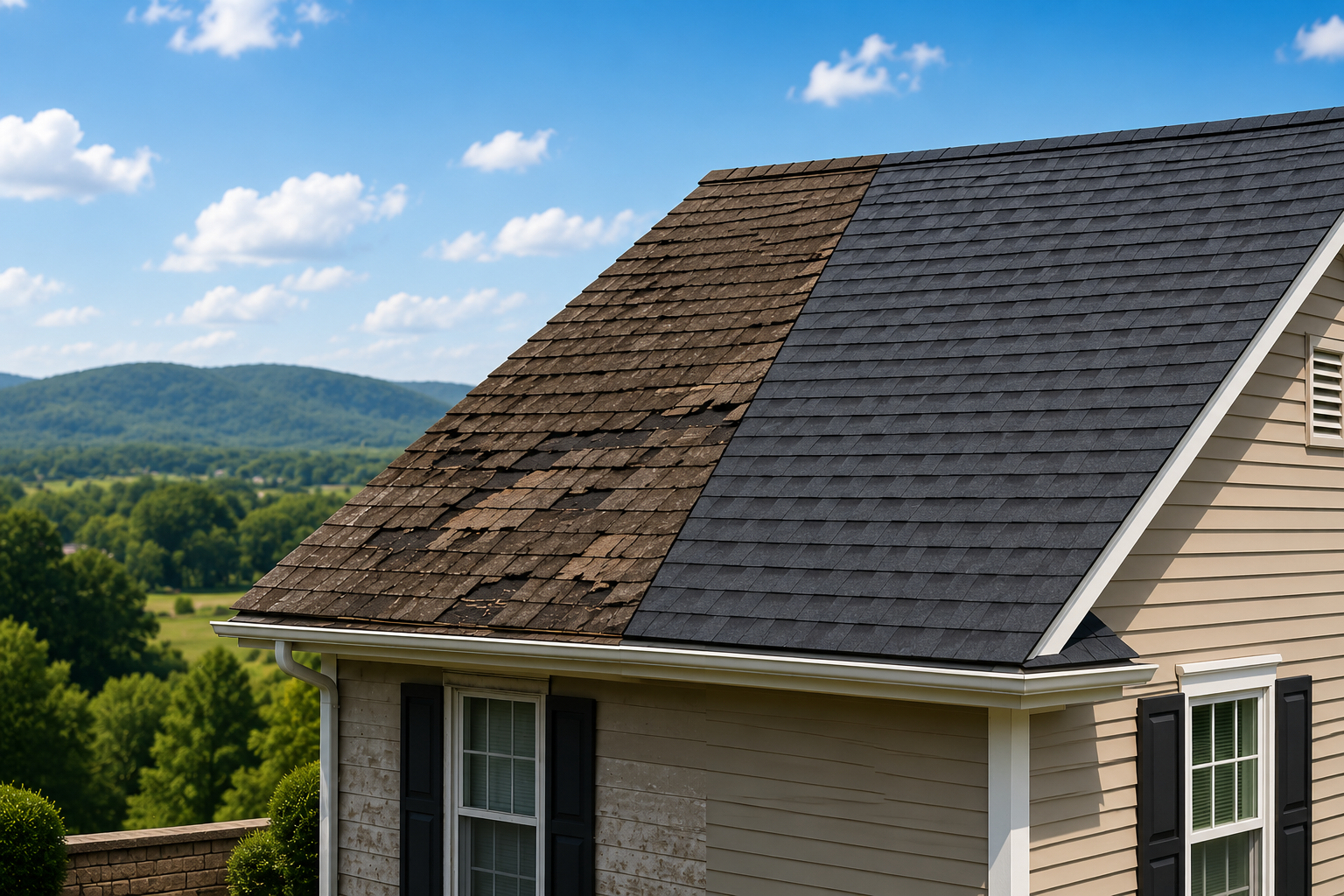
- Widespread curling, cracking, or granule loss across many slopes
- Repeated leaks in different areas
- Soft or sagging sections of roof decking
- A roof that has already been patched many times
Asphalt shingle lifespan depends on the product, ventilation, installation quality, and weather exposure. The Asphalt Roofing Manufacturers Association offers
homeowner guidance on asphalt shingle roofing if you want to understand your options.
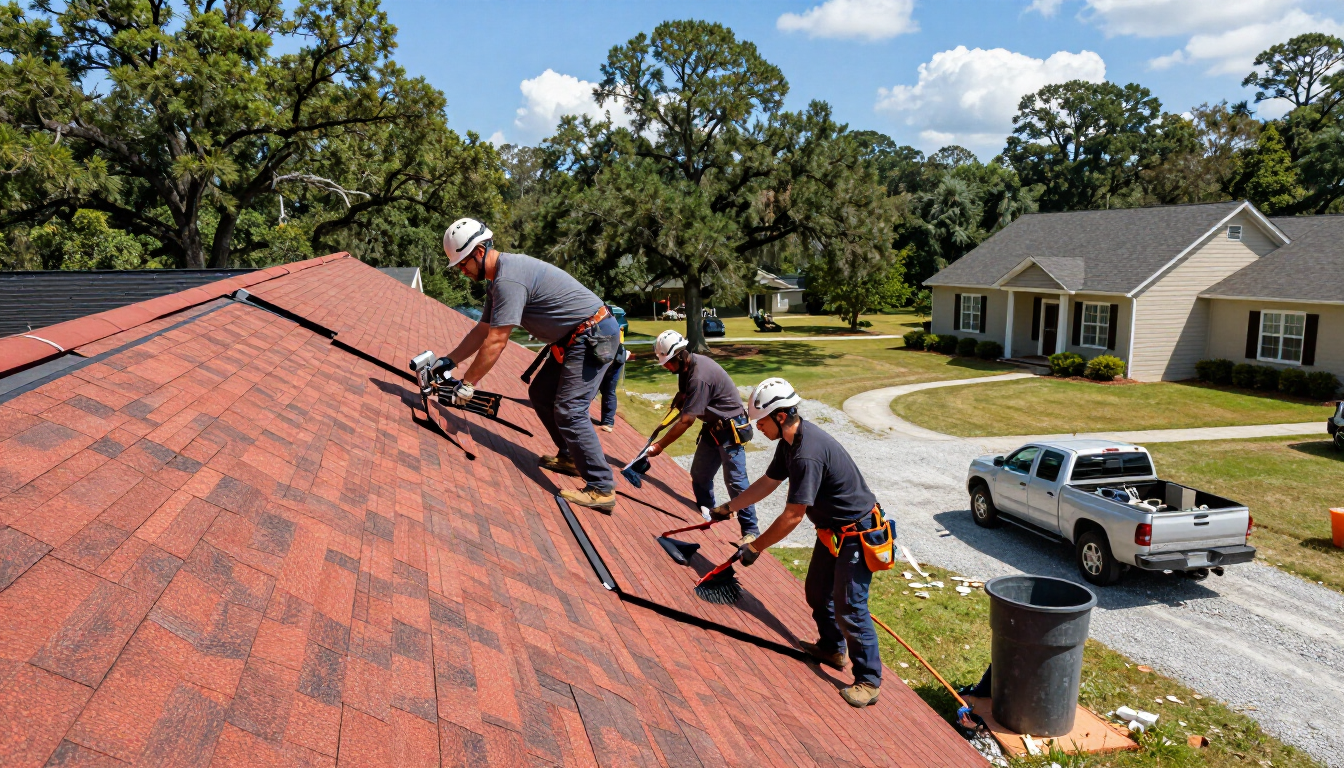
If replacement is the right call, fall gives you breathing room to plan. Patriot Exterior Services gives honest recommendations without high-pressure sales tactics. If your roof only needs a repair, that’s what we’ll tell you.
Financing options are also available for larger projects.
What to Expect When You Schedule an Inspection
Here’s how the process works with Patriot:
- Request your visit. Call (423) 618-7810 or use the online form.
- Onsite evaluation. We inspect the roof surface, flashing, penetrations, valleys, gutters, and the attic when accessible. We document what we find.
- Written quote within 48 hours. You’ll receive a detailed written estimate within 48 hours of the visit, with clear, transparent pricing.
- You decide. Take your time to review the recommendations. There’s no pressure.
- Repairs and cleanup. Scheduling depends on the scope of work and the weather. Our crews follow a clean-job-site policy and remove old materials and debris when the work is done.
Patriot is a locally based, fully insured exterior contractor serving homeowners across North Georgia and Southeast Tennessee.
Frequently Asked Questions
How often should I have my roof inspected?
Many homeowners schedule a roof inspection once a year and again after any major storm. Fall is a practical time because it catches summer wear before winter weather arrives.
What does a roof inspector look for?
An inspector checks shingles, flashing, pipe boots, valleys, gutters, and drip edge. When the attic is accessible, they also look for water stains, damp insulation, and ventilation problems.
How quickly will I get a quote after my Fort Oglethorpe roof inspection?
Patriot Exterior Services provides a detailed written estimate within 48 hours of the onsite evaluation.
Can small roof problems really cause winter leaks?
Yes. A cracked pipe boot or loose flashing may not leak much during dry weeks. Cold rain and freeze-thaw cycles can widen small gaps and let more water into the attic over time.
Should I climb on my roof to check it myself?
No. Roofs can be steep and slippery, especially with fall leaves and morning dew. Check what you can from the ground with binoculars and leave the roof itself to a professional.
What happens if the inspection finds serious damage?
You’ll receive written recommendations and a quote. If there’s an active leak, emergency roof tarping and repairs may be available within one to two business days to protect your home while permanent repairs are planned.
Schedule Your Fall Roof Inspection
Want peace of mind before winter weather arrives? Call Patriot Exterior Services at
(423) 618-7810 to schedule an onsite roof inspection in
Fort Oglethorpe, GA. You’ll receive a detailed written quote within 48 hours of the visit, with honest recommendations and no high-pressure sales. Prefer to book online?
Schedule your onsite roof evaluation through our contact page.