You were pressure washing the north side of the house — the shaded side, the one that stays damp — and the wand pushed a little too easily against a panel near the bottom. It gave. Not a hole, just a soft, spongy give where solid material should have been.
That's usually the first honest signal a homeowner gets. Siding rarely announces its failure. It fades gradually, warps subtly, and hides moisture problems behind panels that still look acceptable from the street. By the time damage is obvious, water has often been working on the sheathing underneath for a while.
If you own an older home in Chickamauga, GA, this article will help you tell the difference between siding that needs a repair and siding that has genuinely reached the end of its service life — and what your material options actually are in a climate this humid.
Seven Signs Siding Needs Replacing, Not Patching
1. Warping, buckling, or waving
Stand at the corner of your house and sight down each wall. Siding should run flat and straight. Ripples, bulges, or panels that appear to wave mean the material has expanded, the fasteners have failed, or moisture has gotten behind it and swelled the substrate. Isolated warping can sometimes be replaced panel by panel. Waving across a full wall means the system is done.
2. Soft spots and spongy panels
Press firmly along the lower courses, especially on shaded walls and anywhere near a downspout discharge. Firm resistance is good. Give, softness, or crumbling means water has reached the material behind the siding. This is the single most reliable indicator that you're past the repair stage.
3. Bubbling or blistering
Bubbles under the surface of siding mean trapped moisture. Siding is designed to shed water, not hold it — so blistering tells you water is getting in and cannot get out. On vinyl, this often follows heat exposure combined with moisture intrusion at a seam.
4. Cracks, holes, and impact damage
Small cracks matter more than they look. Every crack is an entry point, and North Georgia gets enough freeze-thaw cycling to widen them over a few winters. Scattered cracking across older, brittle panels usually signals material that has become too fragile to work with.
5. You're repainting every few years
Wood or fiber cement siding that holds paint well should go a long stretch between repaints. If you're repainting every three or four years because the finish keeps failing, the substrate is likely holding moisture. Paint is treating a symptom at that point.
6. Rising heating and cooling bills
Siding itself isn't the primary insulator on a house, but siding failure often coincides with failed housewrap and wet insulation behind the wall. Wet insulation loses most of its effectiveness. The Department of Energy's consumer guide to air sealing
is a useful starting point for understanding how the whole envelope works together. If your energy costs have crept up without a change in habits or rates, an exterior wall assessment is worth doing.
7. Interior signs
Peeling wallpaper, bubbling interior paint, soft drywall near exterior walls, or a persistent musty smell in a specific room can all trace back to water getting past the siding. Interior symptoms on an exterior wall should always prompt an outside inspection.
What's Actually Happening Behind the Panels
Siding isn't a waterproof shell. It's the outer layer of a system designed to shed the bulk of the water and let the rest drain and dry. Behind it sits housewrap or building paper, then sheathing, then the framing and insulation.
The Department of Energy's Building America program describes the role of that weather-resistant barrier
plainly: it blocks moisture that gets past the siding and gives it a path to drain down and away from the wall. Note the assumption built into that — water is
expected to get past the siding. The barrier behind it is what determines whether that becomes a problem.
When the system works, incidental moisture drains down and out through weep openings and dries. When it fails — usually at a seam, a penetration, a window or door flashing, or a spot where a downspout dumps against the wall — water sits against the sheathing instead.
Over time that produces sheathing rot, mold behind the wall, degraded insulation, and in extended cases, damage to the framing itself. This is why replacement projects sometimes uncover more than expected once panels come off, and why any contractor should tell you upfront how additional damage will be handled if it's found.
The reassuring part: caught reasonably early, this is repairable and the fix is durable. Caught late, it becomes a structural conversation.
Siding Materials That Hold Up in North Georgia Humidity
Walker County summers are hot and humid, winters swing through freeze-thaw cycles, and spring storms deliver wind-driven rain. Material choice matters here more than it does in a dry climate.
Vinyl siding
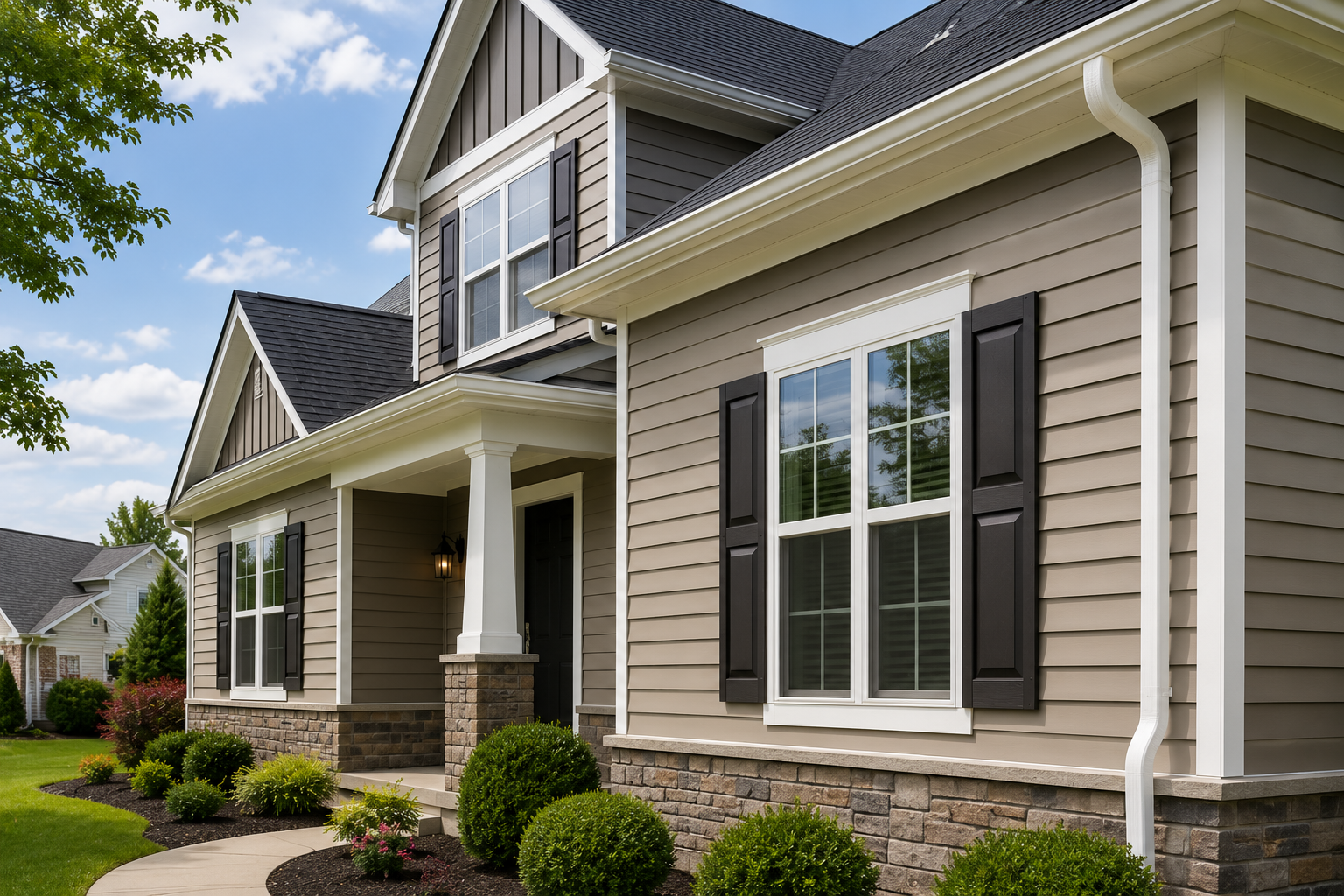
Still the most common residential choice, and for practical reasons. Vinyl is cost-effective, requires essentially no repainting, resists moisture well, and comes in a wide range of profiles and colors. Modern insulated vinyl performs considerably better than the thin panels of decades past.
Trade-offs: it can crack under hard impact in cold weather, darker colors can fade over many years of direct sun, and it can warp under extreme, concentrated heat.
Best for:
homeowners prioritizing low maintenance and value.
Fiber cement siding
Fiber cement is a composite of cement, sand, and cellulose fiber. It handles humidity, resists insects and rot, is non-combustible, and holds paint exceptionally well. It also delivers a substantial, dimensional look that reads as higher-end from the curb.
Trade-offs: it costs more than vinyl, it's heavy and requires experienced installation, and it does need repainting eventually — just far less often than wood.
Best for:
homeowners wanting long service life and a premium appearance, especially on homes where curb appeal drives value.
Engineered wood siding
Engineered wood delivers genuine wood texture with treated strand or fiber construction that resists moisture and pests better than traditional wood. It's lighter than fiber cement, cuts cleanly, and offers deep, authentic grain.
Trade-offs: it requires proper installation clearances and periodic finish maintenance to perform as intended.
Best for:
homeowners who want a real wood look without traditional wood's maintenance burden.
There's no single best material — there's the one that fits your home's style, exposure, and how much maintenance you want to sign up for.
The Color-Matching Problem With Partial Replacement
Homeowners often ask whether one damaged wall can be replaced instead of the whole house. Sometimes yes — but be realistic about the result.
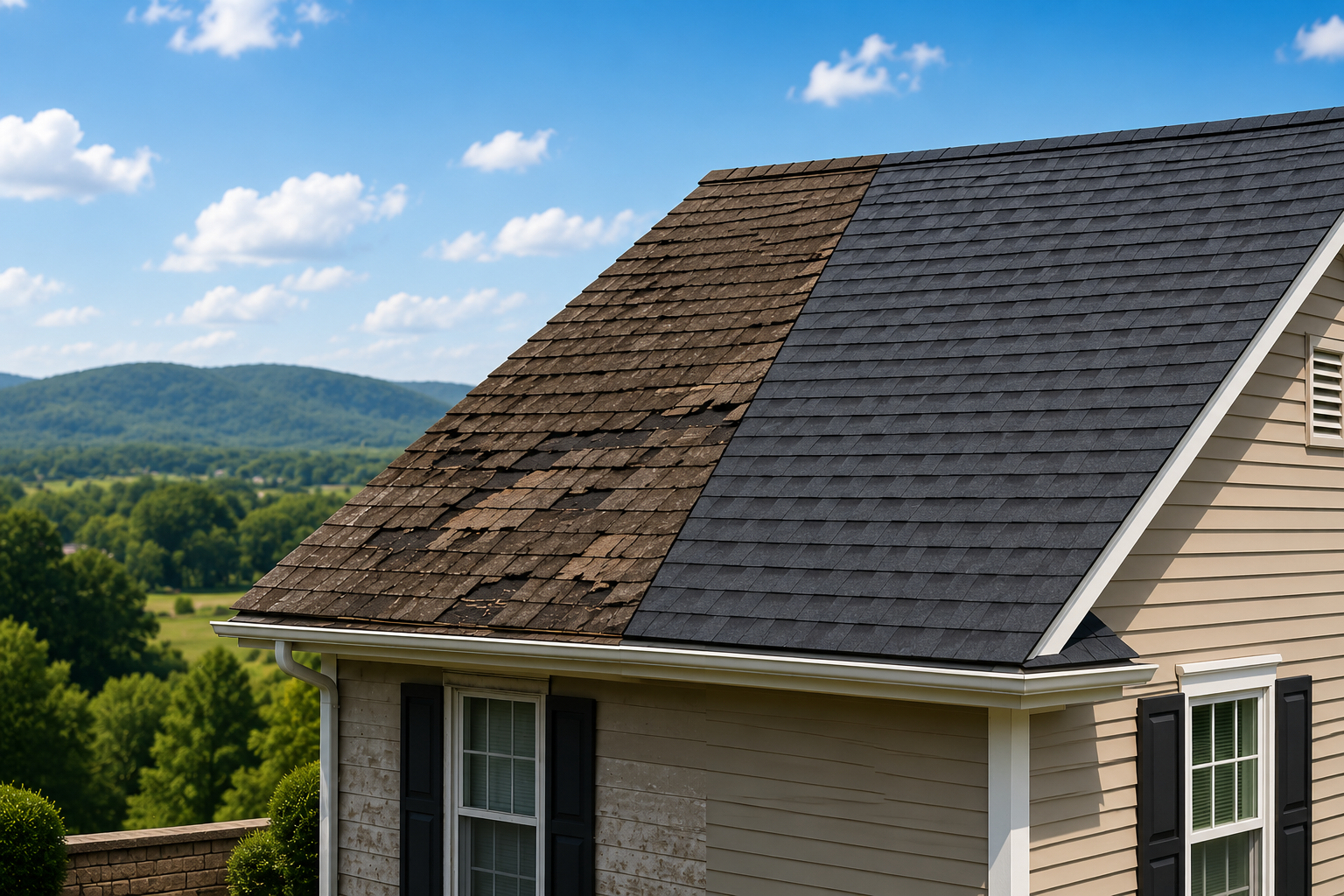
Existing siding has been weathering in the sun for years. New panels, even in the identical manufacturer color code, will not match. The new section reads brighter and cleaner, and the contrast is most obvious on the walls with the heaviest sun exposure.
There's also availability. Manufacturers discontinue colors and profiles regularly. Siding installed fifteen years ago may simply not be produced anymore.
Practical approaches:
- Replace a full elevation, not a partial wall.
A natural break at a corner disguises the difference far better than a patch mid-wall.
- Use the mismatch deliberately.
Replace a front elevation in a complementary accent material or color as an intentional design choice.
- Replace everything
when damage appears on more than one elevation. It usually costs less than staged partial work and gives you a uniform result.
A good contractor will show you samples against your existing siding in daylight before you commit — not just hand you a color card.
What Siding Replacement Looks Like in Chickamauga, GA
Patriot Exterior Services is a locally based, fully insured exterior contractor, and our siding installation and repair services
cover both repair and full replacement. A project generally runs like this:
- Onsite evaluation.
We walk every elevation, check for soft spots and moisture indicators, inspect trim, flashing, and penetrations, and look at how roof runoff and grading are affecting the walls.
- Detailed written quote within 48 hours
of the visit — itemized, with material options and a clear explanation of how any hidden damage found during tear-off would be handled.
- Material selection.
Samples viewed against your existing exterior, in natural light.
- Tear-off and inspection.
Old siding comes off and the sheathing and housewrap underneath get assessed. Anything compromised is addressed before new material goes on.
- Installation.
New housewrap or weather barrier as needed, then siding installed with proper clearances, flashing, and fastening.
- Trim and detail work.
Corners, window and door surrounds, soffit and fascia, and any decorative elements.
- Cleanup.
Old materials and debris leave with us. Our clean-job-site policy covers magnetic sweeps for fasteners and full removal of tear-off waste.
Full siding remodels include a five-year workmanship warranty. Financing options
are available, and evaluations come with no high-pressure sales tactics — if a section repair is the right answer, that's what we'll recommend.
Trim, Brackets, and the Details That Change a Facade
Siding replacement is the natural moment to address exterior details that dated the house in the first place. Because the trim comes off anyway, adding or upgrading it costs far less as part of the larger project than as standalone work.
Worth considering:
- Wider window and door casings
for weight and definition
- Decorative brackets and corbels
under gable overhangs
- Columns or column wraps
on porches
- Gable accents
— board and batten, shake, or shingle panels in a contrasting texture
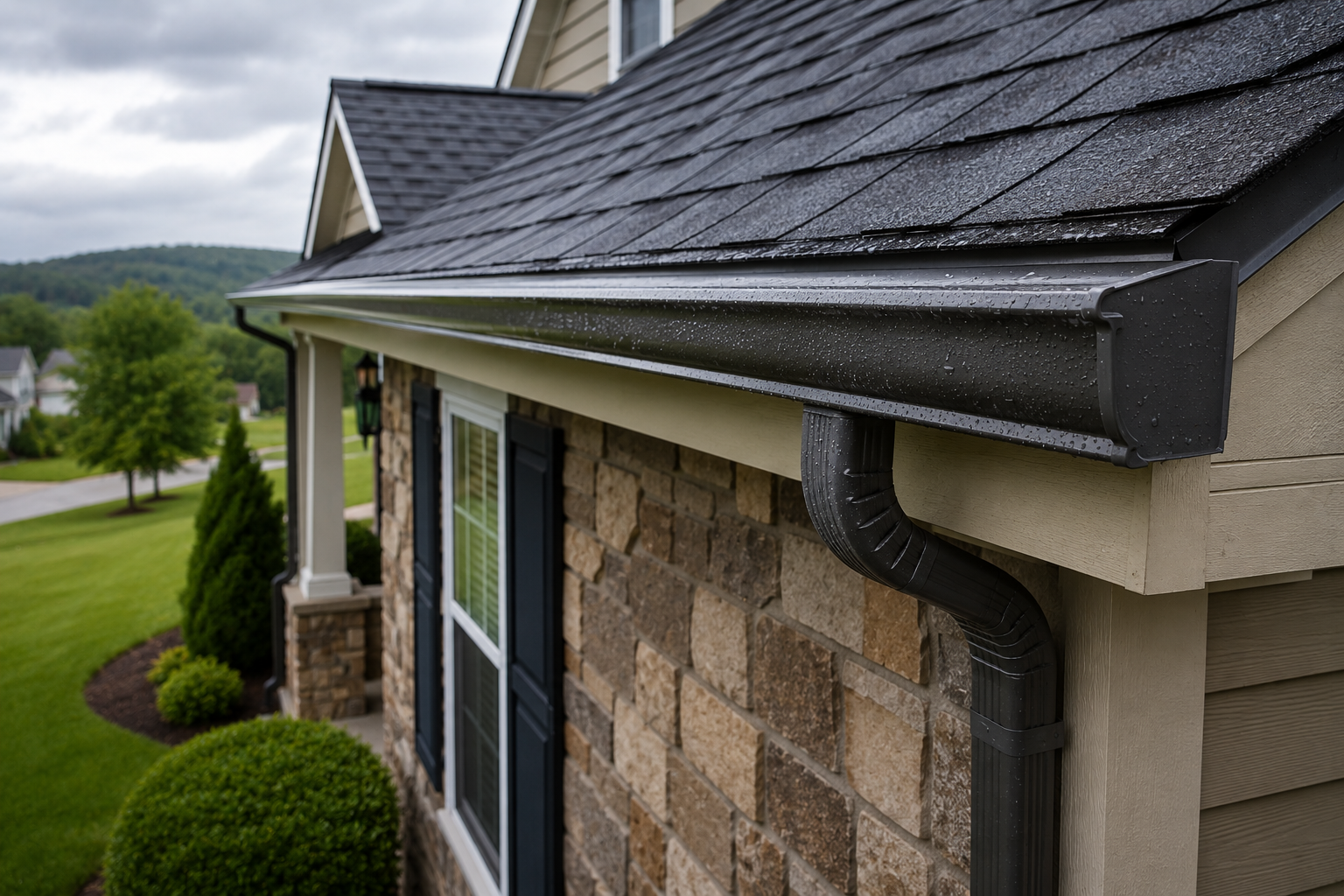
- Updated soffit and fascia, coordinated with new seamless gutter installation
if those are aging too
These are the elements that make a rehabbed exterior look intentional rather than merely new.
Frequently Asked Questions About Siding in Chickamauga, GA
How do I know if my Chickamauga home needs siding replacement or just repair?
Isolated damage on an otherwise solid wall is usually repairable. Soft spots, warping across multiple elevations, or interior moisture signs point toward replacement. An onsite evaluation can identify what's happening behind the panels.
Is fiber cement siding worth the extra cost in Georgia?
For many homeowners, yes. It handles humidity well, resists insects and rot, and holds paint far longer than wood. Whether the added cost makes sense depends on how long you plan to stay and how much curb appeal matters to your goals.
Can you replace just one section of siding?
Often, yes — but new panels won't match weathered existing siding, and older colors and profiles are frequently discontinued. Replacing a full elevation typically produces a much better-looking result than patching mid-wall.
Will new siding lower my energy bills?
It can help, particularly if wet or degraded insulation is replaced during the project or if you choose insulated siding. Actual savings depend on your home's overall envelope, windows, and attic insulation, so we won't promise a specific number.
How long does siding replacement take?
Most residential projects run several days to a week, though timelines depend on home size, material, weather, and site conditions. Your written quote will include a realistic window.
What happens if you find rotted sheathing after tear-off?
We stop, document it, show you, and provide pricing for the additional work before proceeding. That's spelled out in the quote so there are no surprises.
Do you handle gutters and trim at the same time?
Yes. Siding, trim, soffit, fascia, and gutters all interact, and coordinating them in one project usually produces a better result than sequencing them separately.
Schedule an Onsite Siding Evaluation
If you've found a soft spot, spotted warping, or you're just tired of repainting the same wall, the next step is straightforward: get someone to look at what's actually happening behind the panels.
Need siding replacement in Chickamauga, GA? Contact Patriot Exterior Services at (423) 618-7810
to schedule an onsite evaluation and receive a detailed written quote within 48 hours of the visit. You can also request an estimate through our contact page.