Gutter Problems to Fix Before Spring Storm Season Hits
Spring is finally here, and while we're all excited about warmer weather, it also means storm season is right around the corner. Before the heavy rains start, it's a good idea to take a look at your home's gutters. They've been through a lot this winter with snow, ice, and temperature swings. Now's the time to do some checks and maybe a few fixes to make sure they can handle the downpours and protect your house. We're talking about gutter repair North Georgia homeowners should think about before the skies open up.
Key Takeaways
- Look for obvious signs of trouble like gaps, sagging sections, or water dripping where it shouldn't. These are early warnings that gutter repair North Georgia might be needed.
- Loose or detached gutters can cause water to pool around your foundation. Make sure hangers and brackets are secure, and check the wood they're attached to for rot.
- Small cracks and leaks at gutter seams can get worse quickly. Use the right sealant for your area's weather, or consider replacing sections that are too far gone.
- Winter debris can clog gutters and downspouts, leading to overflow and potential damage. Clearing these out is a must, and gutter guards can help prevent future blockages.
- Sometimes, the damage is too much for a DIY fix, or it's just too risky to climb on a ladder. Knowing when to call a professional for gutter repair North Georgia is smart for safety and a job done right.
Identifying Common Signs You Need Gutter Repair North Georgia
Spring storms in North Georgia can hit fast, leaving little time to deal with drainage issues. Before the rainy season begins, you’ll want to spot problems early so your home stays protected. Here are the main warning signs that your gutters need attention:
Spotting Gaps or Sagging Sections
- Look for gutters pulling away from the fascia board—daylight between them means they’re not secured properly.
- Notice any areas where the gutter dips instead of running straight; those are places water will collect.
- Sagging usually appears after winter, especially if ice or heavy debris piled up, which stresses brackets and can even lead to collapse if ignored.
If you see these issues, don’t delay. Sagging gutters are a recipe for overflowing water that targets your foundation and could require professional repairs sooner than you think.
Detecting Leaks and Drips at Seams
- Take a walk around during a gentle rain and inspect beneath the joints and seams—dripping or trickling water is a big red flag.
- Water stains on siding or puddles beneath the gutter’s path are another clue that you’ve got leaks.
- Rust spots, peeling paint, or mildew patches often point to slow leaks worsening over time.
Don’t brush off a slow drip at the seam—it can lead to wood rot and bigger water issues inside your home.
Recognizing Detached Downspouts or Brackets
- Check for downspouts that look crooked or have separated from where they attach to the wall or gutter.
- Missing screws or brackets are easy to overlook but they’re critical; without them, sections can detach in strong winds or heavy storms.
- Downspouts that dump water at the base of your house instead of leading it away can result in problems like foundation cracks and water pooling.
If you spot any of these problems, remember how quickly clogged or damaged gutters cause harm. Fixing these early keeps your home dry and your repair bills lower. Tackle these repairs before the spring storms hit so you’re not left scrambling after disaster strikes.
Addressing Sagging and Detached Gutters Before Storm Season
After a long winter, your gutters might be looking a little worse for wear. All that snow, ice, and temperature fluctuation can really put a strain on them. If you notice sections that are pulling away from the house or just seem to be hanging lower than they should, it’s time to take action. Ignoring sagging gutters means water isn't being directed away from your home properly, which can lead to all sorts of problems down the line.
Strengthening Hanger and Bracket Installations
Loose hangers or brackets are often the culprit behind sagging gutters. These are the pieces that hold the gutter system in place against your home. Over time, the screws can loosen, or the wood they're attached to might start to give way.
- Inspect all hangers and brackets. Look for any that are bent, rusted, or seem loose.
- Tighten any loose screws. If the screws just spin without biting, the wood might be compromised.
- Consider upgrading your hardware. Older homes might still have basic spikes and ferrules, which aren't as strong as modern hidden hangers. Switching to these can provide much better support, especially if you live in an area with heavy snowfall. Make sure they're installed close together for maximum stability.
When gutters pull away, it's not just about aesthetics. Water can seep behind them, damaging your fascia and soffits, and eventually finding its way into your attic or walls. It's a domino effect of potential water damage.
Inspecting Fascia Boards for Rot or Damage
The fascia board is the long, straight board that runs along the lower edge of your roof. Your gutters are typically attached to this. If the fascia is rotten, it won't be able to hold the gutters securely.
- Check for soft spots. Gently press on the fascia board, especially around the gutter brackets. If it feels soft or spongy, it's likely rotten.
- Look for water stains or mold. These are clear indicators that moisture has been getting behind the gutters.
- Probe suspect areas with a screwdriver. If it easily pierces the wood, you've found rot.
If you find rot, it's important to address it. You might need to replace sections of the fascia before reattaching or installing new gutters. This is a job that often requires professional help, especially if the damage is extensive. You can find more information on general exterior maintenance checks around this time of year before spring storms arrive.
Upgrading Outdated Mounting Hardware
As mentioned, older homes often use less robust mounting systems. If your gutters are held up by simple spikes hammered into the fascia, they're more prone to loosening over time due to the freeze-thaw cycle and the weight of debris. Modern gutter systems often use hidden hangers that screw directly into the fascia or even the roof joists for superior strength.
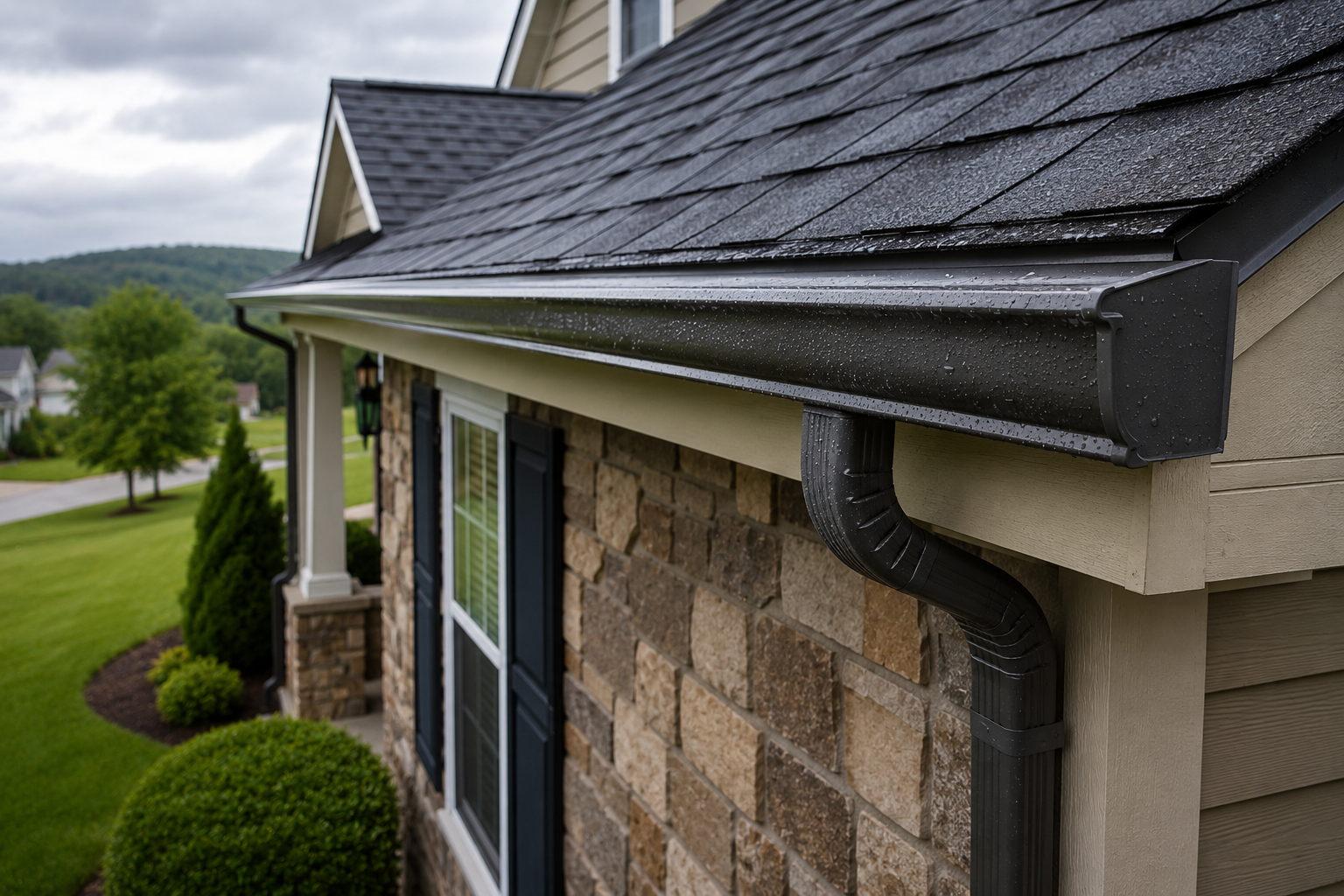
- Hidden hangers are screwed into the fascia board from inside the gutter, providing a cleaner look and stronger hold.
- For even more support, especially on larger or heavier gutter systems, hangers can be attached to the roof joists behind the fascia.
- Spacing is key; installing hangers closer together provides better support against weight and wind.
If your gutters are significantly detached or sagging, it might be time for a complete overhaul. Replacing old, failing hardware with a more secure system is a smart investment to prevent future problems and keep your home protected from the elements.
Sealing and Repairing Leaky Gutter Joints
Spring storms in North Georgia have a way of finding every weak spot in your gutters. Leaky joints top the list. A few drips may not seem like a big deal today, but they can turn into major headaches fast—water stains, rotting wood, and even basement leaks. Let’s look at how you can tackle this.
Locating Cracks and Split Seams
Cracks and splits in gutter seams usually show up after freeze-thaw cycles or just from years of rain pounding the same spot. Look for slow drips during a light rain or check for water stains under gutter seams after a storm. You may also notice little rusty trails or tell-tale water streaks down the siding.
- Walk the perimeter of your house and inspect seams closely.
- Check for pinholes or thin lines of rust.
- Touch the area—dampness below a joint is a giveaway.
If you spot standing water near the house after rainfall, there’s a good chance a gutter joint is leaking or pooling up water somewhere along the line. Don’t ignore it—that’s how foundation trouble gets started.
Using Proper Sealants for North Georgia Weather
Once you spot a leak, skip the regular glue or hardware-store caulking—those usually won’t hold up under Georgia’s humid summers and sudden downpours. You want a sealant that’s made for gutters, isn’t weakened by strong sunlight, and stays flexible even as temperatures swing.
Here’s how to apply the right sealant:
- Scrape out any old, cracked caulking or sealant from the joint.
- Clean the area thoroughly—dirt, moss, or even dusty debris makes new sealant less effective.
- Apply a gutter-specific, UV-resistant sealant along the joint, covering all gaps.
- Press the seam together, if you can, and smooth out excess for a watertight finish.
If you’re not sure which product to pick, check out this overview of seasonal gutter maintenance in Georgia to help you choose a weatherproof option that lasts.
When to Replace Severely Damaged Sections
Sometimes a joint is too far gone for a simple patch. If you notice large holes, metal that’s rusted through, or joints that simply don’t meet flush anymore, sealing them won’t cut it. Replacement is your best bet if:
- The seam stays wet or rusty no matter how many times you repair it.
- The gutter section is warped or bent and doesn’t line up.
- There’s repeat leaking in the same area, even after applying new sealant.
Replacing a whole section isn’t everyone’s favorite weekend project, but it saves you from bigger problems if that gutter fails mid-storm. Don’t be afraid to call in a pro if heights, tricky angles, or persistent leaks are part of the equation. Doing it right keeps your home dry—no regrets there.
Clearing Clogs and Preventing Gutter Blockages
Removing Winter Debris and Leaves
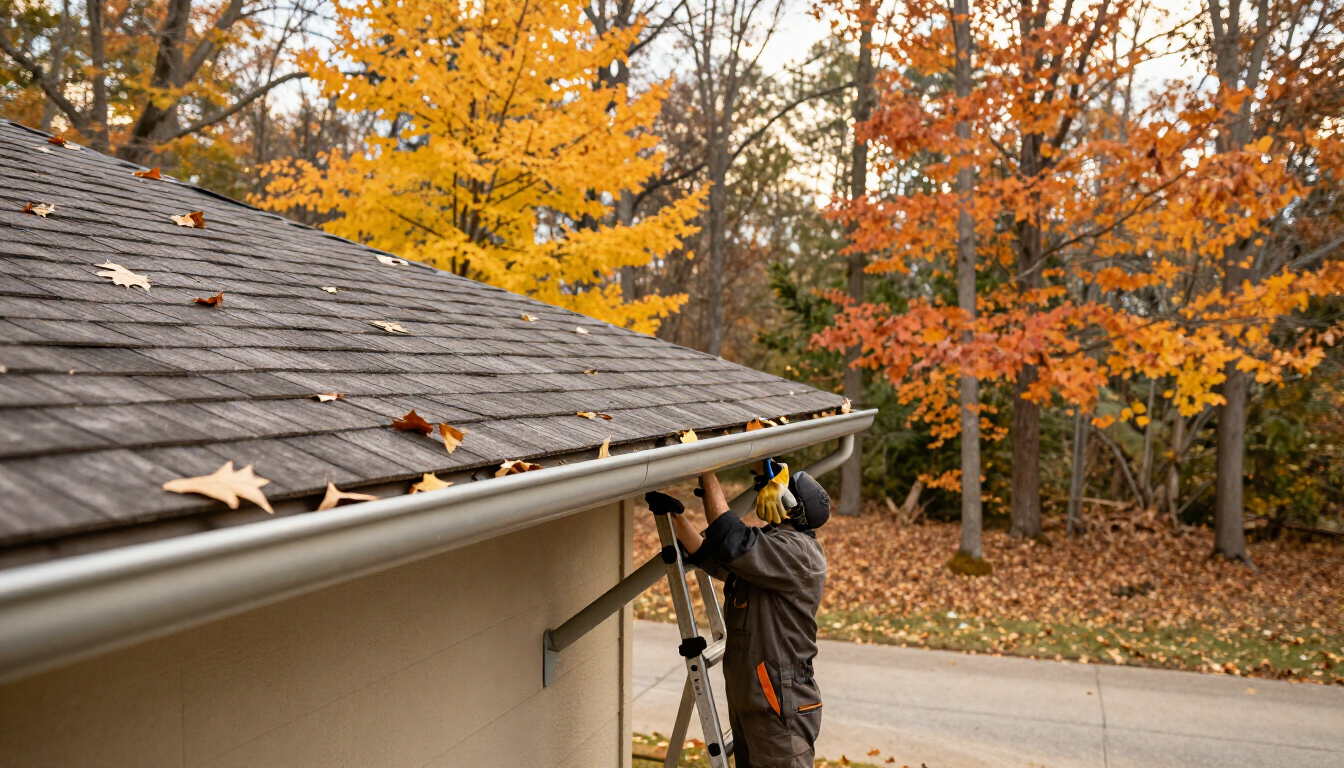
After a long winter, gutters tend to fill with leaves, small branches, and other junk. It’s not the most fun job, but pulling all that gunk out is the first step to making sure water can actually move where it’s supposed to go. Gutters packed with debris can lead to water spilling over and soaking right next to your foundation, which is never a good thing.
- Always put on gloves and long sleeves – gutter mess isn’t pretty, and sometimes it’s sharp.
- Start where each downspout connects and work your way in the opposite direction. This way, you avoid accidentally packing more stuff down into the pipes.
- Don’t forget to scoop leaves off the roof above your gutters so you’re not setting yourself up for more clogs next time it rains.
Taking your time to clear out all the packed-in muck is uncomfortable, but a clean gutter means you’re much less likely to face surprise water issues during the next big downpour.
Unclogging Downspouts Efficiently
Even if your gutters look clear, downspouts can sneakily build up sludge inside. Water trickling (instead of whooshing) out at the bottom is usually a giveaway. For underground downspout clogs, a good trick is using a drain bladder with a hose; the water pressure can break up most minor blockages. Otherwise, a plumber’s snake or simply pushing through with a stick can usually do the job for aboveground pipes.
A clogged downspout means water will back up and dump over the edge of your gutters. Not only can this wash away the dirt next to your house, but it invites pests and causes rust to start where you don’t want it. If you deal with frequent clogs, it might be time to look at a different system.
Installing Gutter Guards for Long-Term Protection
Once everything’s cleaned out, you might be wondering if there’s a way to cut down on this dirty job. Gutter guards are inserts or covers that sit on top of your gutters, letting rainwater pass through while blocking twigs and leaves. Here’s why you might want to add them:
- They keep out most debris, so cleanouts aren’t needed as often
- They help prevent insect and animal nests
- Less standing water means fewer problems with rust and rot
Just be sure to choose a style that works with the type of trees around your house and won’t make clearing out smaller bits harder down the line. After all, anything that means less ladder time in the rain is a win.
Mitigating Water Damage to Your Home’s Structure
Spring storms can unleash surprising amounts of water, and your gutter system is meant to whisk it safely away. When gutters aren’t working as they should, the results show up fast—rotting wood, musty basements, and even issues with your foundation. To keep your home dry and standing strong, let’s look at the basic steps you should take before the rain really starts.
Preventing Foundation Erosion from Overflow
If rain is gushing over the sides of your gutters, it doesn’t just vanish; it lands around your foundation. Standing water here eats away at the soil, and over time, you risk cracks or even flooding. To help avoid trouble, make sure your downspouts are sending water at least a few feet away from your home. If needed, add extender pipes or splash blocks. Sometimes it’s tempting to ignore puddling after a heavy rain, but doing so could mean big repairs down the line.
Protecting Fascia and Siding from Rot
Gutters tightly attached to healthy fascia boards are your first line of defense. When leaks or overflowing water consistently hit these boards or your siding, wood rot is a matter of when, not if. Here’s what can help:
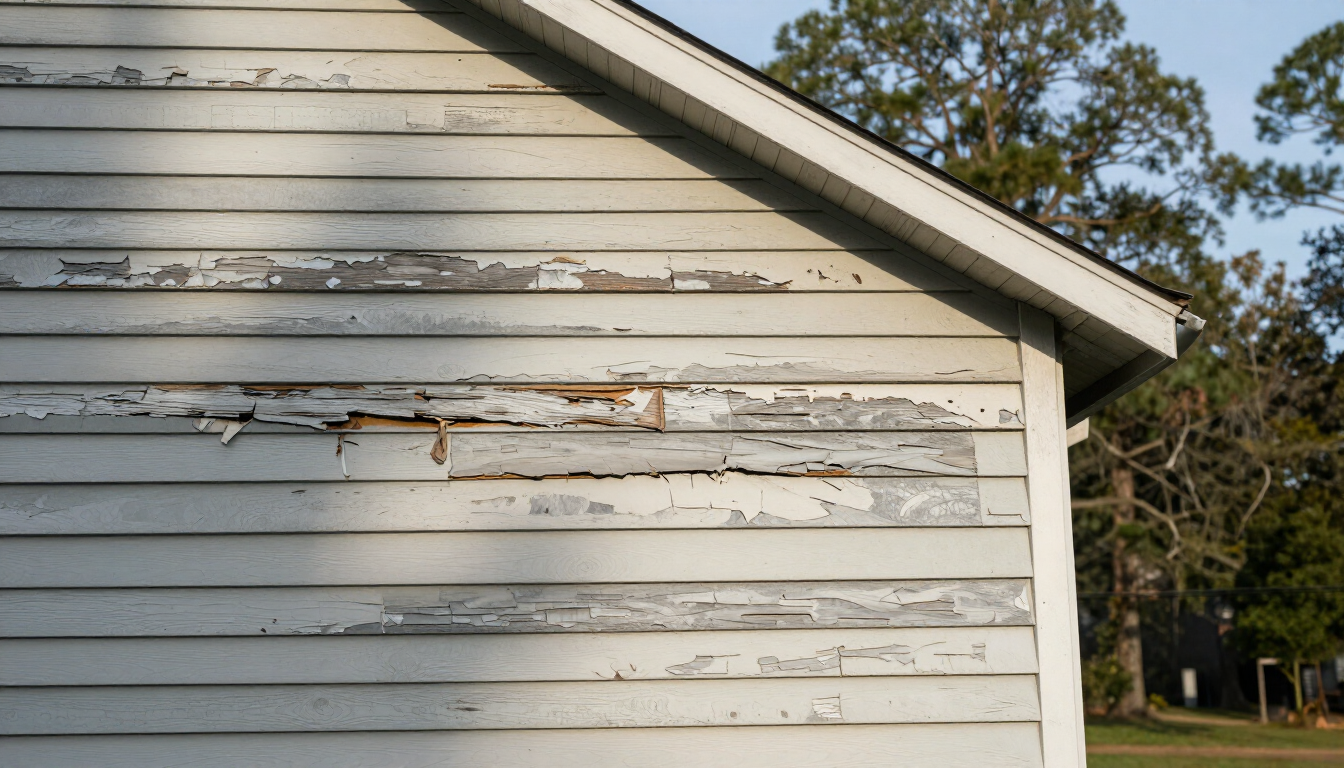
- Check for peeling paint or dark streaks along the boards (these are often signs of water sneaking in)
- Inspect all seams and joints after a storm—these areas are common trouble spots
- Repair or reseal any spots where gutter brackets are pulling away
Replacing damaged pieces early is always less expensive than repairing widespread rot. Also, keep an eye on your siding for stains or bubbling paint, which are another indicator of hidden water damage. A strong roof structure, combined with dry fascia and siding, goes a long way in protecting your home’s integrity after a storm.
Exposing Signs of Basement or Crawlspace Moisture
Basements and crawlspaces often feel a little damp, but chronic moisture points to water entry or pooling along the outside walls. If your gutters are blocked or leaking, water is often the culprit. Look for:
- Wet spots or peeling paint on basement or crawlspace walls
- A steady musty smell, even after drying out
- Pooled water or mold in corners
Whenever possible, inspect these areas after strong storms. Catching leaks early saves you from more serious water or mold problems.
Remember, addressing water damage starts with well-maintained gutters but sometimes requires repairs beyond your comfort level. Don’t hesitate to connect with a pro if you spot big warning signs. Ignoring them just lets small issues turn into expensive headaches later. Let your gutters do their job—and your home will stay sturdy for many rainy seasons to come.
Keeping Pests and Critters Out of Your Gutters
Tips to Deter Nesting Animals
Gutters can look like a five-star hotel for all sorts of critters, especially if they're filled with leaves and other debris. Squirrels, mice, and even birds might decide your gutters are the perfect spot to build a nest. This isn't just annoying; it can lead to clogs and damage. A clean gutter is a less attractive gutter to unwanted guests. To keep them out, make sure your gutters are clear of any buildup that could provide shelter or nesting material. Sometimes, simple deterrents like strategically placed screens on downspouts can make a big difference. Remember, February is a good time for exterior home repairs in North Georgia, so tackling this before spring is smart. Exterior home repairs are easier in cooler weather.
Avoiding Mosquito Breeding Grounds
Standing water is a mosquito's best friend, and clogged gutters are a prime spot for it. When leaves and gunk pile up, they create little pools that are perfect for mosquitoes to lay their eggs. This can turn your backyard into a no-go zone during warmer months and even pose health risks. Regularly clearing out your gutters is key. If you're finding it's a constant battle, consider installing gutter guards. They help keep the bulk of the debris out, allowing water to flow freely.
Choosing Screens and Barriers for North Georgia Homes
When it comes to keeping pests out, the right barriers make all the difference. For small critters like mice or squirrels trying to use your downspouts as an express elevator to your attic, consider installing downspout screens. These are usually simple metal or plastic mesh covers. For larger debris that can lead to clogs and standing water, gutter guards are a great option. They come in various forms:
- Mesh guards: These have small holes to let water through but block leaves and twigs.
- Solid covers: These have a sloped surface that debris slides off, with openings only for water to enter the gutter.
- Foam inserts: These fit inside the gutter and allow water to filter through while holding back debris.
No matter what type of barrier you choose, remember that they aren't entirely maintenance-free. You'll still need to check them periodically to clear off any accumulated leaves or debris that might block the guard itself. It’s about reducing the frequency and difficulty of gutter cleaning, not eliminating it entirely.
Recognizing When to Call a Professional for Gutter Repair North Georgia
Sometimes, you can handle gutter issues yourself. A quick tightening of a bracket or a bit of sealant might do the trick. But there are definitely times when it’s smarter, and safer, to call in the pros. Trying to fix big problems on a ladder, especially when the wind is picking up, can be a recipe for disaster. Plus, some repairs require specific tools or a level of know-how that most homeowners just don't have.
Evaluating the Scope of Gutter Damage
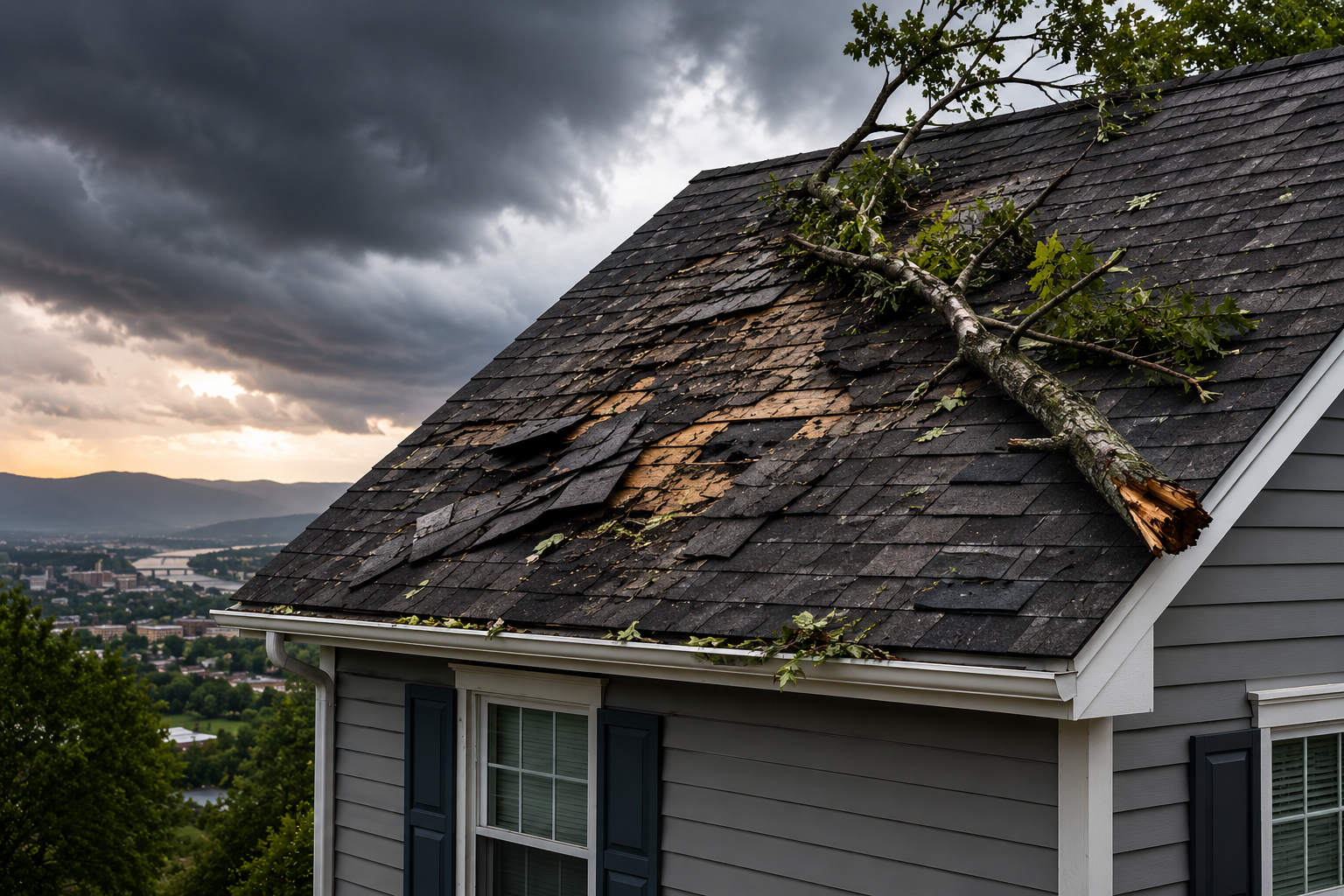
If you're looking at gutters that are completely detached, have large sections that have collapsed, or if you notice significant rot on the fascia boards where the gutters attach, it's probably time to call for help. These aren't minor fixes; they often involve more extensive work, like replacing entire runs of gutters or repairing structural wood. It's also a good indicator if you see water pooling around your foundation consistently, which suggests a larger drainage issue that needs a professional eye.
Understanding Safety Precautions for Tall Roofs
Working on a ladder, especially a tall one, carries risks. If your gutters are high up, or if your roof has a steep pitch, it’s best to leave the work to experienced professionals. They have the right safety equipment and training to handle these situations without putting themselves in danger. Trying to reach difficult spots can lead to falls, which can cause serious injuries. Remember, your safety is more important than a quick fix.
Getting a Local Expert’s Assessment
Sometimes, the damage isn't immediately obvious. A professional gutter service in North Georgia can spot issues you might miss, like hidden cracks, improper slope that causes water to back up, or even problems with your roof that are affecting the gutters. They understand the specific challenges that North Georgia weather can throw at your home and can offer solutions tailored to your situation. They can also advise if it's more cost-effective to repair or replace sections, or even the whole system, saving you money and headaches down the line.
Are your gutters in North Georgia acting up? If you notice water pooling around your home, see sagging sections, or find debris buildup that you can't clear, it might be time to get some expert help. Don't wait for small problems to turn into big headaches. Visit our website to learn more about our services and how we can help keep your home protected.
Conclusion
Spring is the perfect time to give your gutters some attention before those big storms roll in. It might not be the most exciting weekend project, but a little effort now can save you a lot of trouble (and money) down the road. Whether you’re scooping out last year’s leaves, tightening up a loose bracket, or calling in a pro for the heavy stuff, every bit helps. Clean, working gutters mean less chance of water sneaking into your basement or messing up your landscaping. So grab your ladder, check things over, and get ahead of the weather. When the first spring downpour hits, you’ll be glad you did.
Frequently Asked Questions
What are the main signs my gutters need fixing before spring storms?
Look for gutters that are pulling away from your house, have noticeable dips or sagging spots, or if you see water dripping from seams where sections connect. Also, check if the downspouts are still firmly attached and directing water away from your home's foundation.
Why is it important to fix sagging gutters?
When gutters sag, they don't channel water correctly. This can cause water to spill over the sides, right onto your foundation, landscaping, or even your home's siding. Over time, this can lead to serious issues like basement flooding and damage to your home's structure.
How can I fix a leaky gutter seam?
First, thoroughly clean the area around the leak. Then, apply a sealant made specifically for gutters. For bigger cracks, you might need to use a metal patch or even replace the whole section if it's too damaged.
What should I do if my downspouts are damaged or detached?
If a downspout is just loose, reattach it securely. If it's dented or has split seams, it might need to be replaced. The most important thing is to make sure water is being carried away from your house and not pooling near the foundation.
How often should I clean my gutters?
It's a good idea to clean your gutters at least twice a year, once in the fall after leaves have dropped and again in the spring. If you have a lot of trees nearby, you might need to clean them more often.
When should I call a professional for gutter repair?
If you notice widespread damage, if the gutters have pulled away significantly from the house, or if you're uncomfortable or unsafe working on a ladder, it's best to call a professional. They have the right tools and experience to handle bigger jobs safely and effectively.