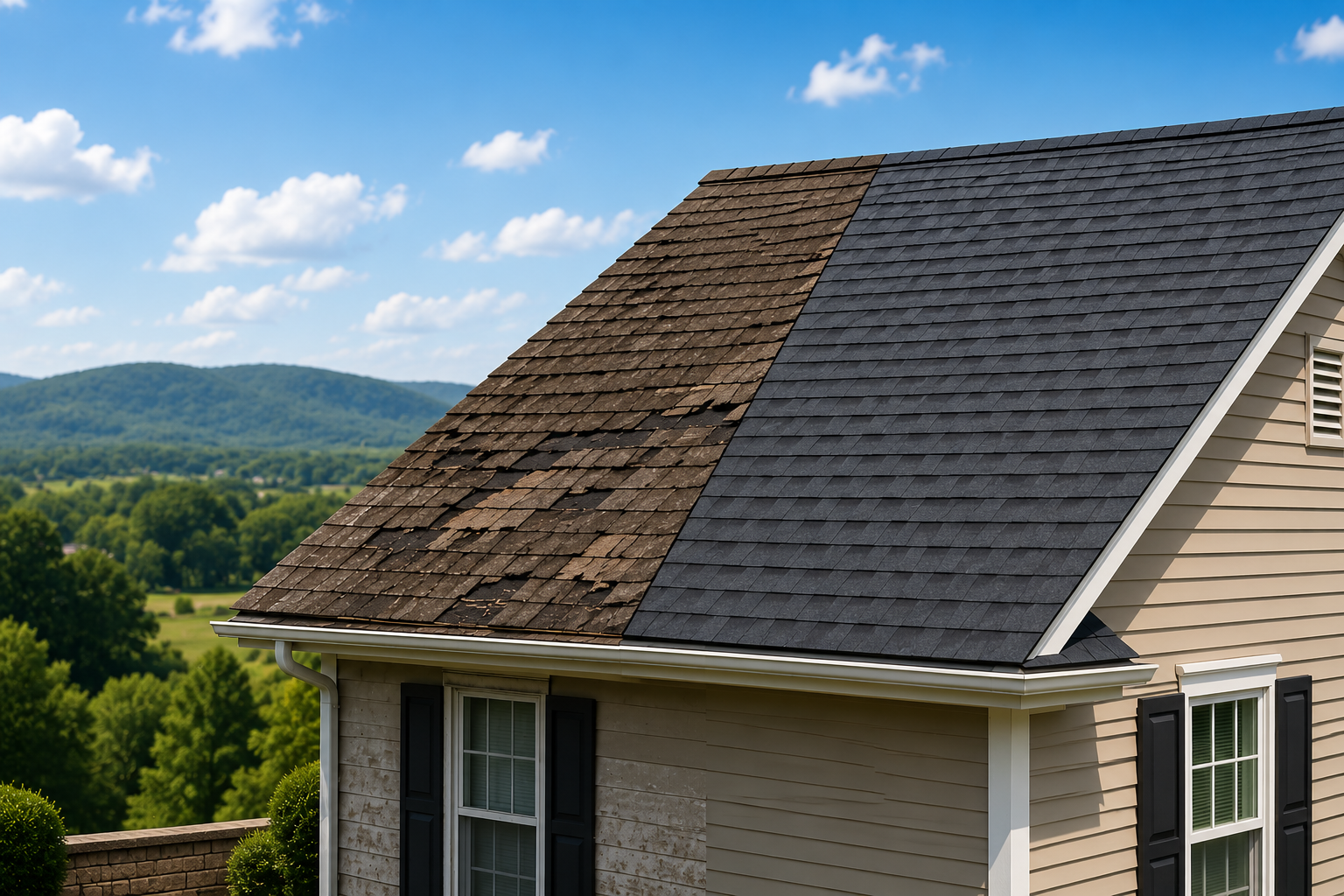
Thinking about a new roof this spring? It’s a big job, and let’s be honest, it can get expensive fast. But you don't have to break the bank. There are plenty of ways to get a solid new roof without emptying your savings account. We’ll look at smart material choices, how to plan your budget, and importantly, how to handle the financing so it fits your life.
Key Takeaways
- Decide if a full roof replacement or a partial repair is the best option based on your roof's age and condition.
- Compare different roofing materials like asphalt and metal, considering their lifespan, maintenance needs, and how they hold up in your climate.
- Create a detailed budget that includes labor, materials, and a buffer for unexpected issues that might pop up during the project.
- Explore various roof replacement financing options, such as home equity loans or contractor financing, to spread out the cost.
- Prioritize quality installation and materials over the cheapest upfront price to avoid more costly repairs down the road.
Deciding Between Roof Repair and Full Replacement
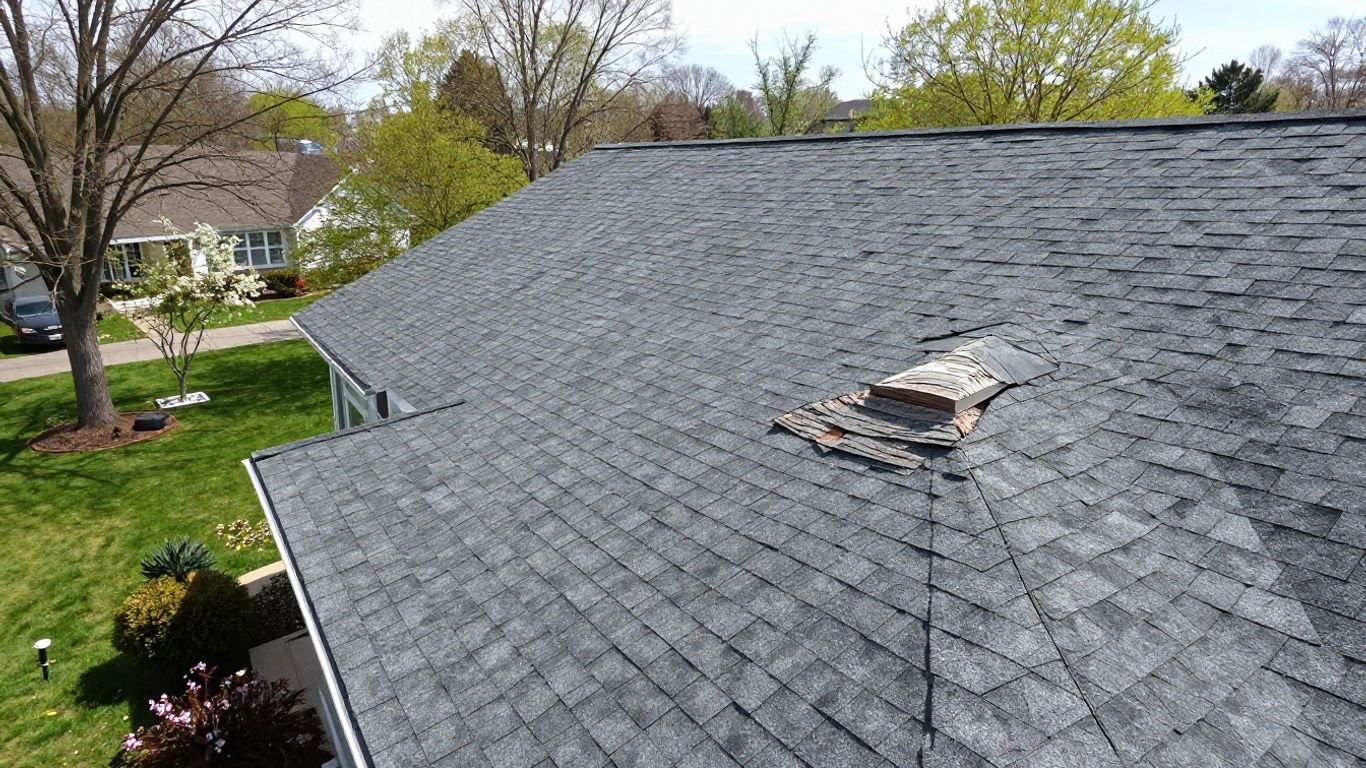
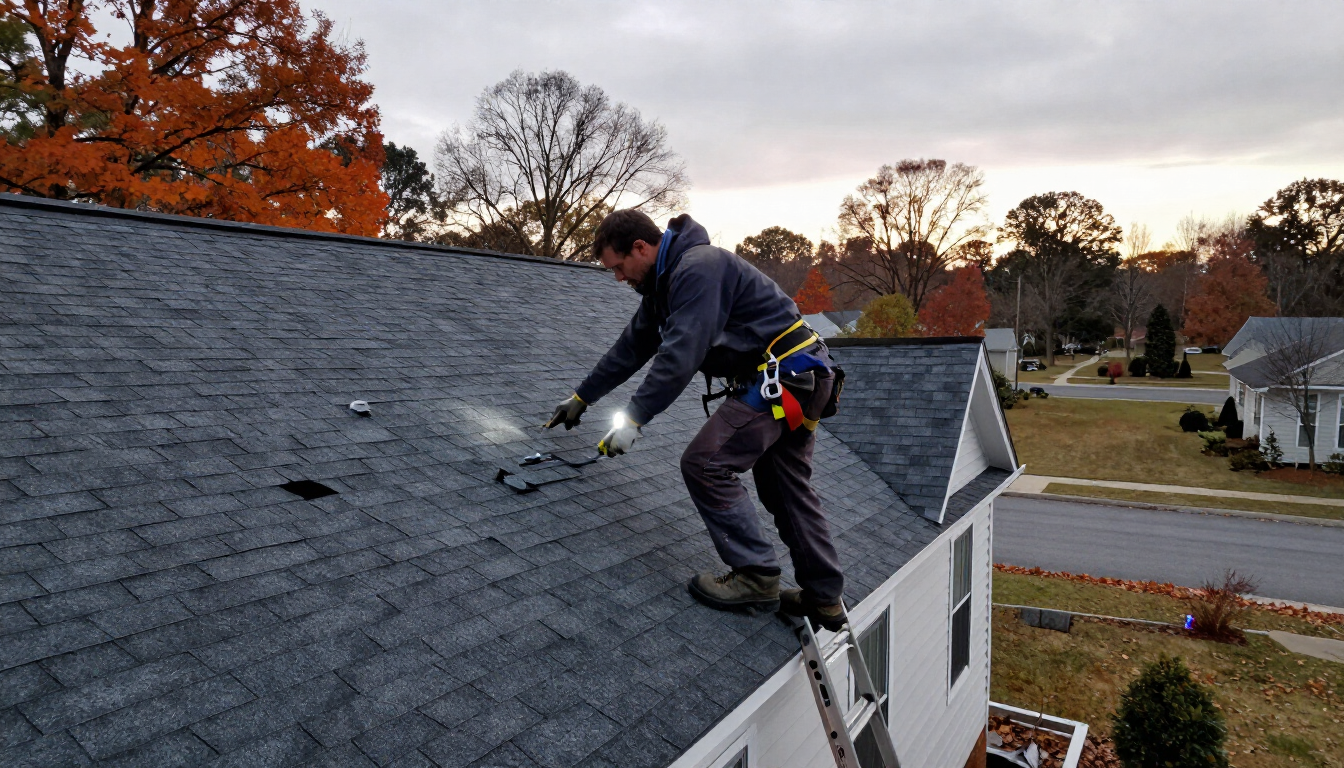
Making the right call between fixing up your current roof and going for a full replacement can seriously affect both your wallet and your home's protection. Sometimes what looks like a minor problem is really the tip of the iceberg. You need to weigh the condition, age, and your long-term plans for the house before committing either way.
When Replacement Becomes Necessary
It's easy to want a quick fix, but there are moments when patching just won't cut it:
- Widespread leaks popping up in several rooms.
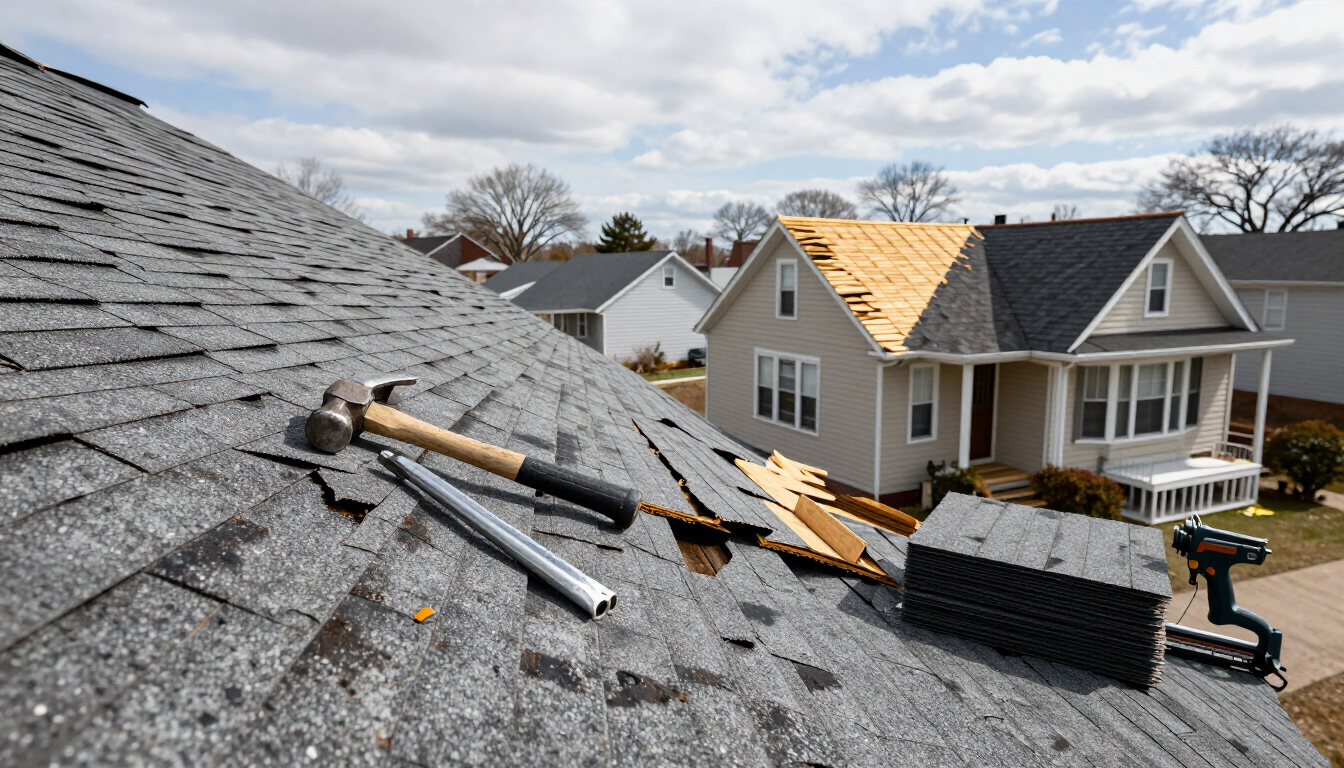
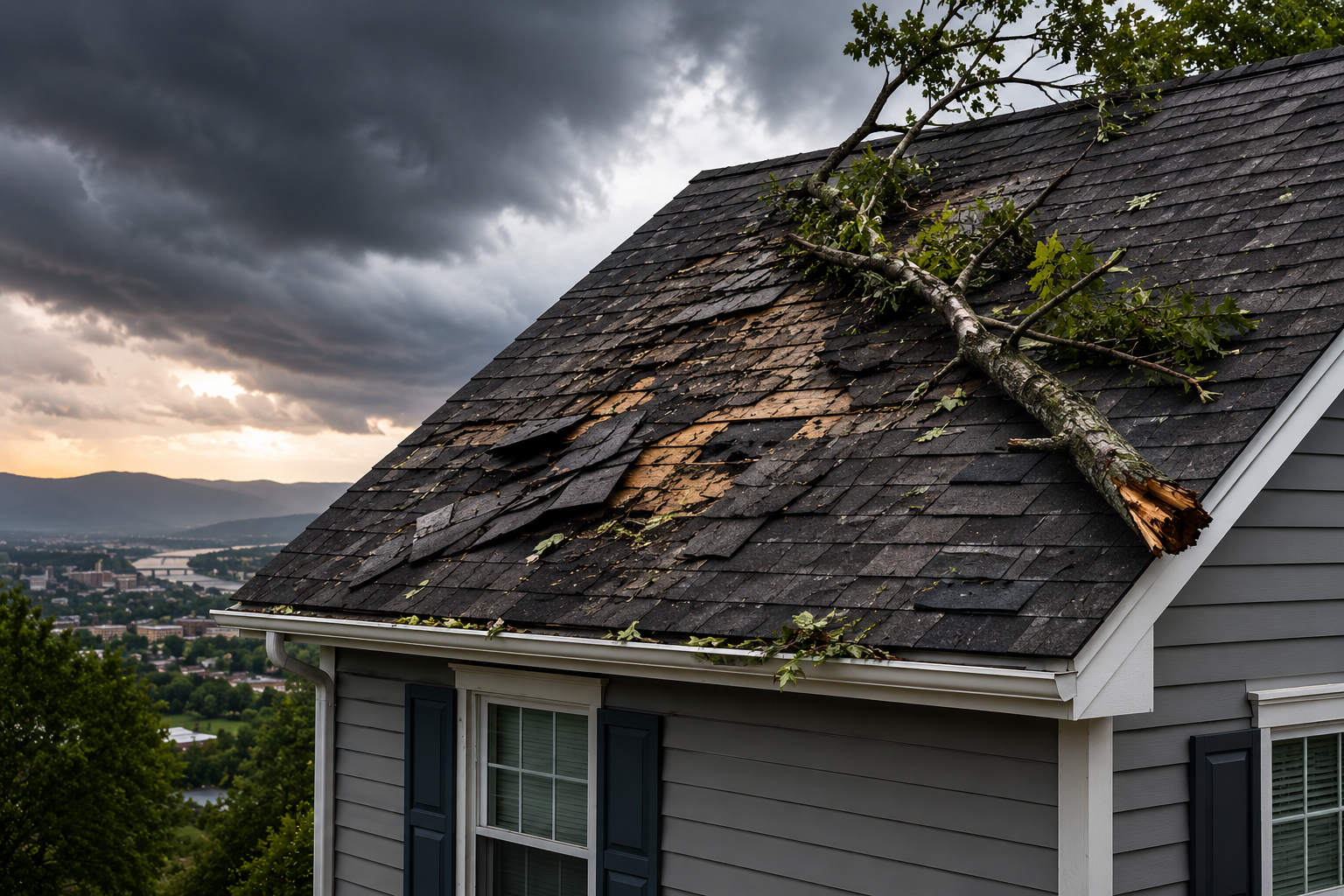
- Shingles are curling, missing, or breaking off all over the place.
- Visible sagging, mold, or dark streaks that just keep growing.
- You've had more than one repair and issues keep coming back.
If your roof is over 20 years old, consider that repairs might just be delaying the need for a replacement. Big repairs on an old roof often cost more in the long run than just starting fresh.
Advantages of Partial Repairs
Roof repairs are usually cheaper, and they do make sense if:
- The damage is confined to a small area, and the rest of your roof is in good shape.
- Your roof is just a few years old.
- The cause is storm or wind damage and your materials are still under warranty.
How Roof Age Affects Your Decision
- Under 10–12 years: Repair is usually fine if the overall condition is strong.
- 15–20 years: Repairs can work for minor issues, but watch for signs of deeper wear.
- 20+ years: Constant patching is tossing money out the window; it’s time for a full replacement.
Budget-Friendly Roofing Materials and Their Lifespans
When you're looking at replacing your roof, especially if you're trying to keep costs down for a spring project, the materials you choose make a big difference. It's not just about the cheapest option upfront; you've got to think about how long it'll last and what kind of upkeep it'll need.
Comparing Asphalt, Metal, and Other Materials
Asphalt shingles are probably the most common choice for a reason: they're usually the most affordable to start with. You can get basic 3-tab shingles for a lower price, and they're pretty straightforward to install, which can save on labor costs. They generally last about 15 to 25 years, depending on the quality and your climate. Architectural shingles are a step up, offering better durability and a longer lifespan, often 20 to 30 years, and they look a bit nicer too.
Metal roofing is another popular option that's becoming more accessible. While the initial cost can be higher than asphalt, metal roofs can last much longer, often 40 to 70 years or even more. They're really good at standing up to harsh weather, like high winds and heavy rain, and they can even help with energy efficiency by reflecting sunlight.
Other materials exist, too. Rolled roofing is about as cheap as it gets, but it doesn't last very long, maybe 5 to 10 years, and is best for sheds or temporary fixes. For low-slope roofs, systems like EPDM or modified bitumen can be cost-effective and last around 15 to 20 years if installed correctly.
Maintenance Needs of Cost-Effective Options
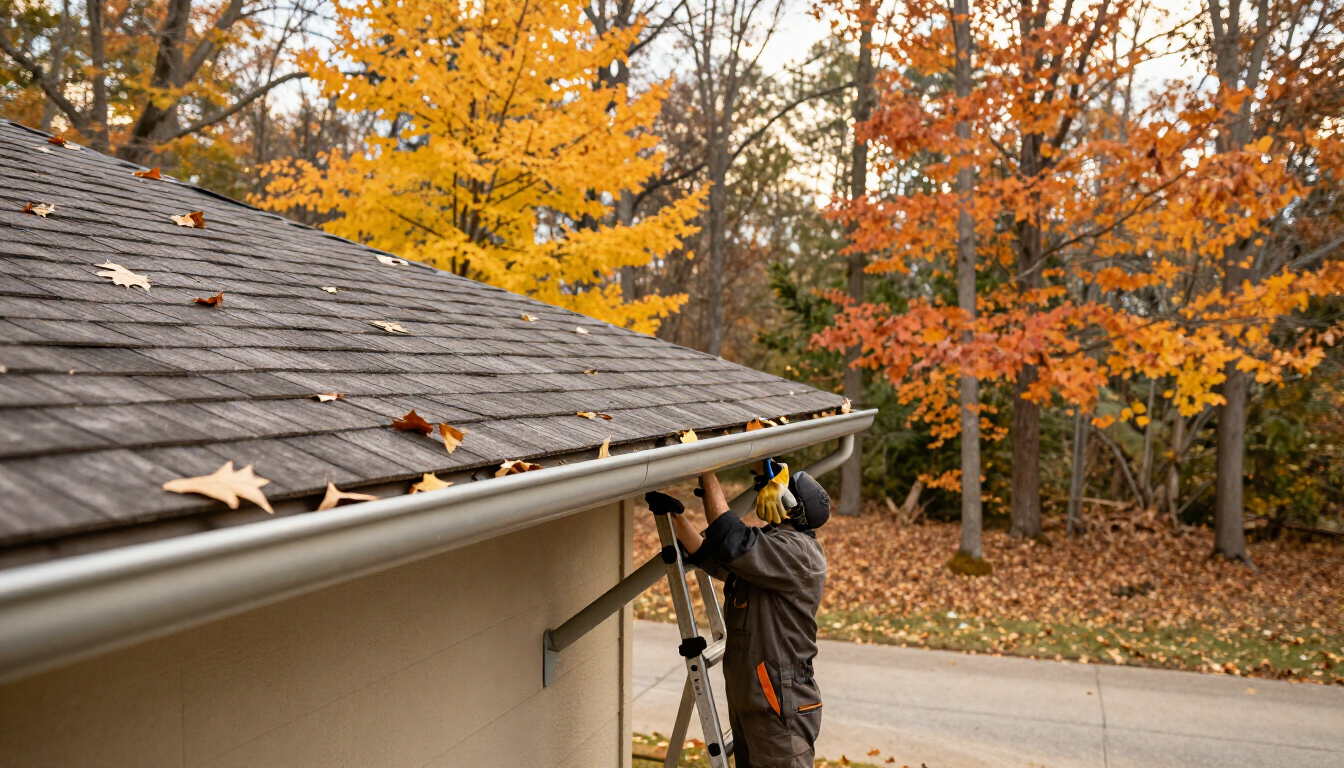
Even the most budget-friendly roofs need some attention. Asphalt shingles might need more frequent checks. You'll want to keep an eye out for cracked or missing shingles, especially after a big storm. Cleaning out your gutters regularly is also a must, as clogged gutters can cause water to back up under your shingles. For metal roofs, maintenance is usually pretty minimal, but you'll want to make sure fasteners stay tight and check for any dents or scratches that could lead to rust over time.
Regular inspections are key, no matter what material you pick. Catching small problems early can save you a ton of money down the road.
- Asphalt Shingles: Inspect annually and after storms. Keep gutters clear.
- Metal Roofing: Check fasteners periodically. Clean off debris.
- Flat Roofing Systems: Inspect for punctures/tears and ensure proper drainage.
Climate Considerations for Material Choice
Your local weather plays a huge role in how long any roofing material will actually last. If you live in an area with intense sun and heat, materials that can handle UV exposure well are important. In places with lots of rain or snow, you need a roof that sheds water effectively. High winds are another factor; some materials are much better at staying put than others.
How to Create a Cost-Effective Roof Replacement Plan
Planning a roof replacement can feel like a big undertaking, and honestly, it is. But with a solid plan, you can get the job done without totally wrecking your budget.
Setting Realistic Budgets for Spring Projects
First things first, you need to figure out what you can actually afford. Don't just guess. Set a number, then treat it as your absolute maximum (not your target). Spring is a popular time for home projects, so prices might be a bit higher than in the off-season.
- Define your project scope: full replacement or repairs?
- Research material prices and availability.
- Factor in your savings and available credit.
Factoring in Labor, Materials, and Hidden Costs
Labor is often a big chunk of the bill because roofing is tough, skilled work. Don’t forget permits and disposal fees, which can add up quickly. Roof complexity (steep pitch, valleys, dormers) also impacts cost.
- Materials: shingles, underlayment, flashing, etc.
- Labor: crew time and skill
- Permits & disposal: required fees
- Complexity: steep/complex roofs cost more
Planning for Unexpected Issues
Once shingles come off, hidden damage can show up—like rotten decking or water damage. Build a 10–20% buffer into your budget for surprises.
- Rotten decking replacement
- Structural damage
- Code compliance upgrades
- Extra flashing needs
Maximizing Value with Professional Installation
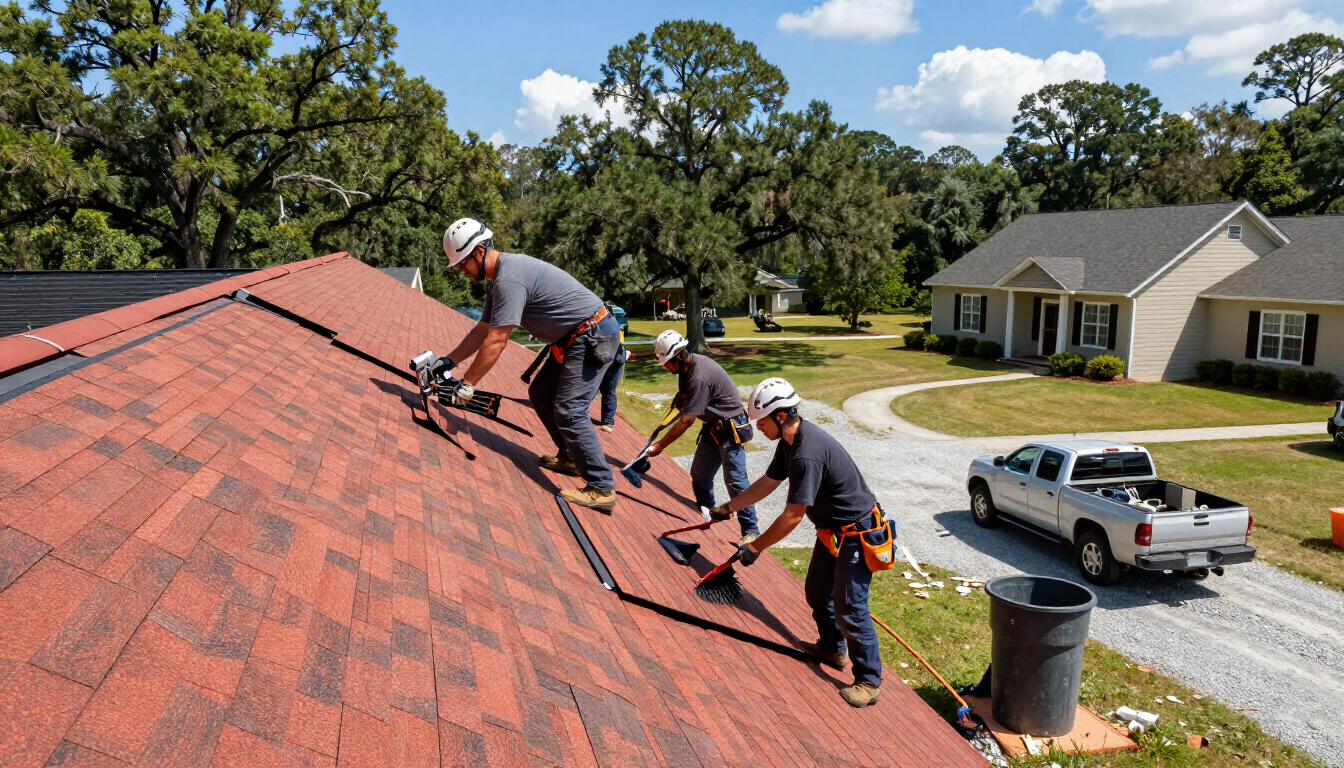
Trying to cut corners with installation can cost you more later. A professional roofer helps ensure your roof lasts and your warranty stays valid.
Importance of Skilled Contractors
- Proper underlayment and flashing
- Correct shingle placement and sealing
- Code compliance
- Efficient completion
Warranties and Long-Term Protection
Ask about both the manufacturer warranty (materials) and workmanship warranty (installation). A good warranty matters.
Roof Replacement Financing Solutions
Financing can make roof replacement doable without a massive upfront hit. Consider home equity options, personal loans, or contractor financing.
Home Equity and Contractor Financing Options
Home equity loans/lines of credit often have lower rates than personal loans. Contractor financing can be easier to qualify for and offers manageable monthly payments.
How to Compare Loan and Credit Terms
- Interest rate (fixed vs variable)
- Total cost over the full term
- Fees and early payoff penalties
- Payment flexibility
Insurance Claims and Warranty Programs
If storm damage caused the issue, your insurance may cover part of the cost. Check your policy and consider filing a claim if applicable.
Tips for Saving on Roof Replacement Without Sacrificing Quality
Negotiating Multiple Contractor Quotes
- Get at least three quotes
- Compare scope, materials, warranty, and timeline
- Ask for itemized written estimates
Leveraging Off-Season Discounts
If possible, schedule outside peak summer season to get better pricing and availability.
Overlaying vs. Full Tear-Off Approaches
Overlaying can save money upfront, but it won’t fix hidden issues and isn’t always allowed by code. A full tear-off is often best for long-term results.
Timing Your Roof Replacement Project for the Best Price
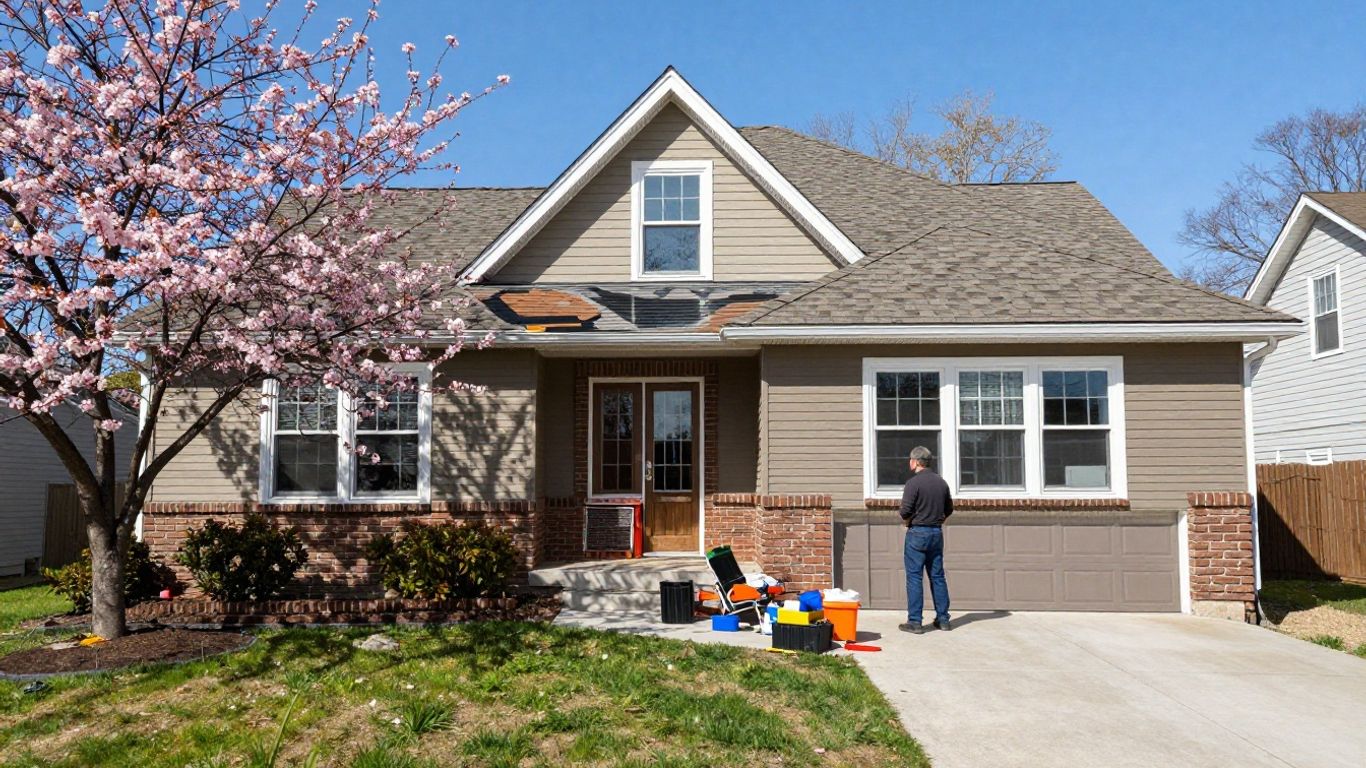
Seasonal Trends in Roofing Costs
- Spring/Fall: often better scheduling
- Summer: peak demand and higher prices
- Winter: possible discounts but weather risks
Booking Ahead for Peak Spring Demand
If you want a spring project, book early to secure a good crew and reduce delays.
Thinking about getting your roof replaced? Ready for tips and a free estimate? Visit our website.
Wrapping Up Your Spring Roofing Project
Replacing your roof doesn’t have to destroy your budget. With smart materials, solid planning, and the right timing, you can get a quality roof that protects your home for years.
Frequently Asked Questions
What's the most budget-friendly roofing material?
Basic asphalt shingles are usually the cheapest option upfront.
When should I repair my roof instead of replacing it?
If damage is small and your roof is relatively new, repairs may be enough. Widespread issues usually point to replacement.
How much does a new roof typically cost?
Costs vary by size, material, and complexity—get multiple quotes for accuracy.
Are there ways to finance a new roof?
Yes—home equity loans, contractor financing, and personal loans are common options.
Can I save money by doing a roof overlay?
Sometimes, but it can hide problems and isn’t always recommended or allowed.
Why is professional installation so important?
Proper installation prevents leaks, protects warranties, and helps your roof last longer.