Spring always seems to bring a long list of home repairs, especially after a rough winter. You walk outside and suddenly notice the cracked siding, loose shingles, or gutters hanging on by a thread. It’s easy to feel overwhelmed, but figuring out what needs fixing and how to pay for it doesn’t have to be complicated. If you’re thinking about home improvement financing GA options this spring, here’s what you should keep in mind to make the process smoother and less stressful.
Key Takeaways
- Start by walking around your home and making a list of winter damage before repairs get worse.
- Build a budget that includes both expected costs and a little extra for surprise issues.
- Spring repairs can save you money later by stopping small problems from turning big.
- Look at different home improvement financing GA options, like home equity loans or personal loans, before choosing.
- Plan ahead by getting estimates early, checking contractor reviews, and making sure you have all the right permits.
Recognizing Spring Exterior Repair Needs
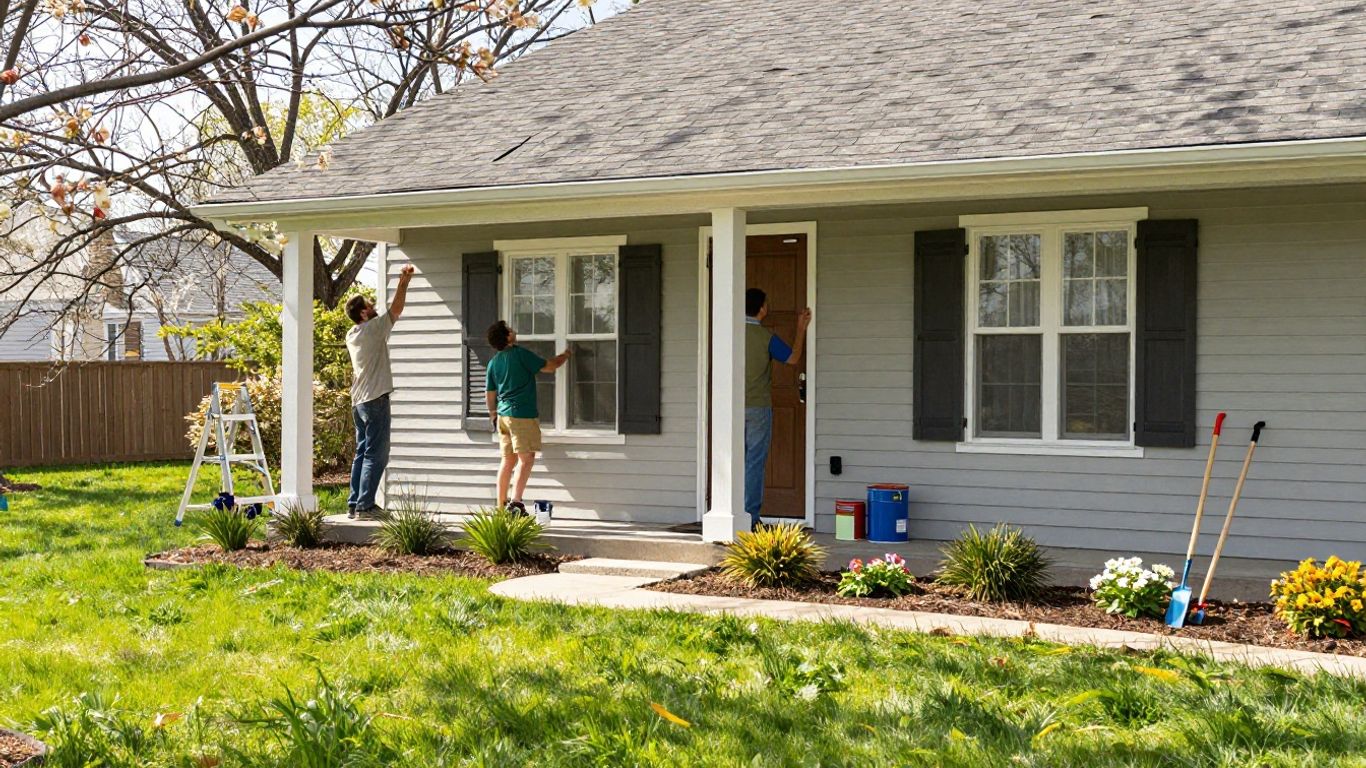
After a long winter, it's easy to just want to enjoy the warmer weather, but your home's exterior might be telling a different story. The ice, snow, and wind can really do a number on your house, and spring is the perfect time to take stock. Ignoring these issues now can lead to much bigger, more expensive problems down the road.
Common Winter Damage to Look For
Winter's harsh conditions can leave behind a trail of damage. You'll want to give your home a good once-over to spot any of these common culprits:
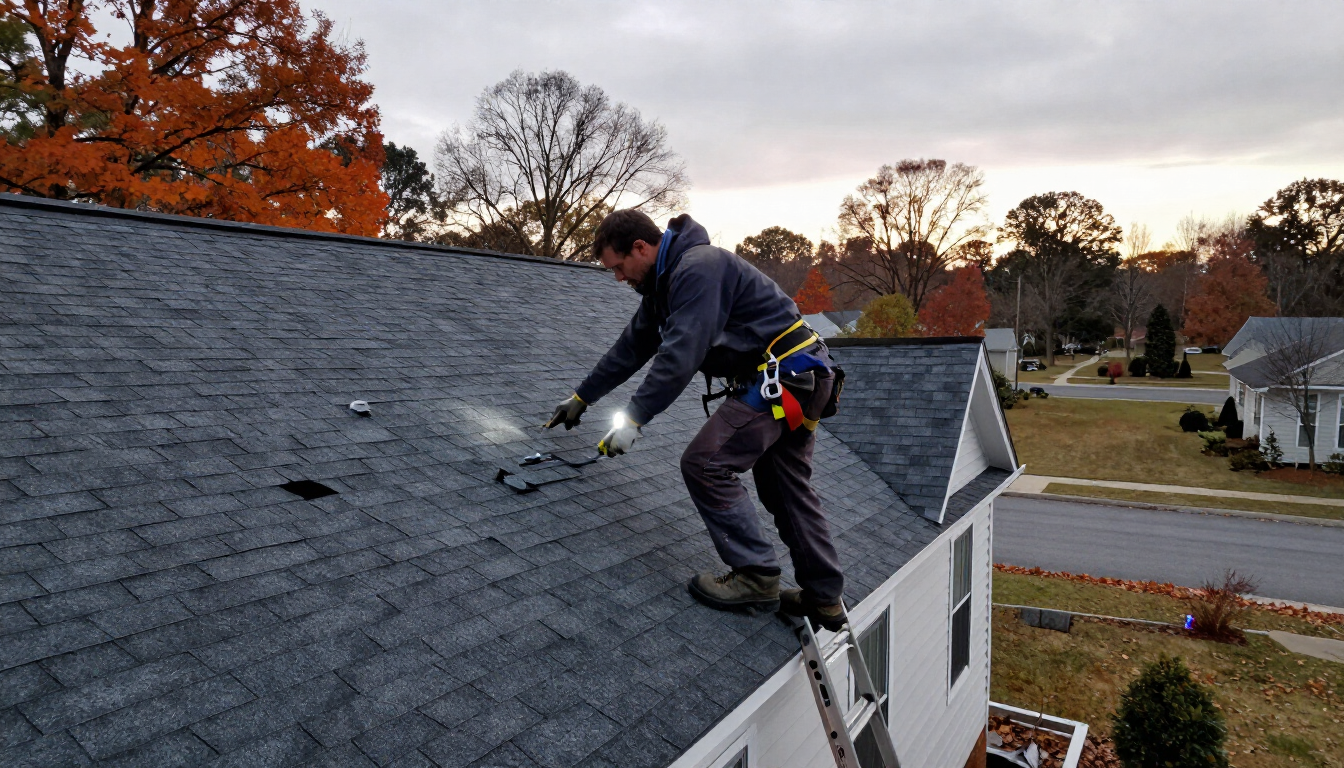
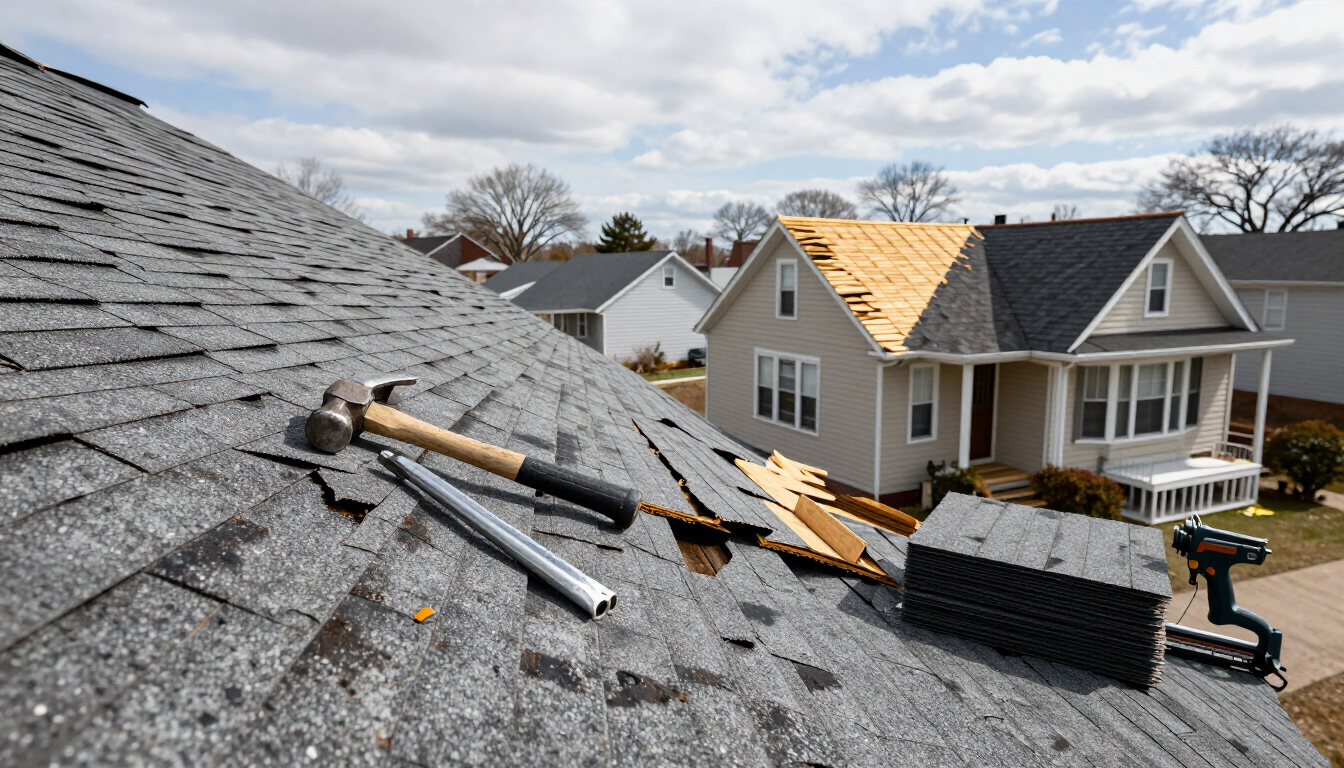
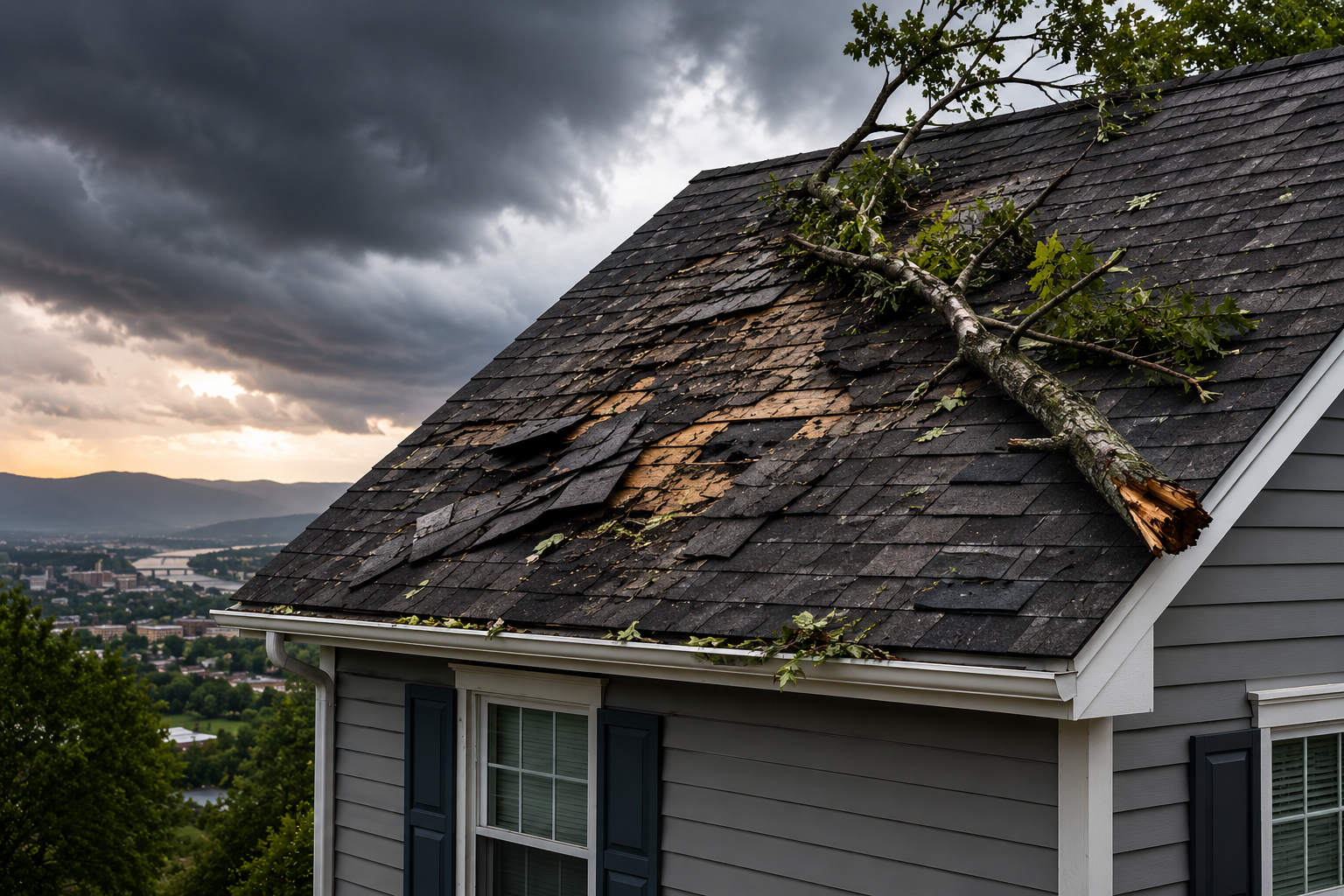
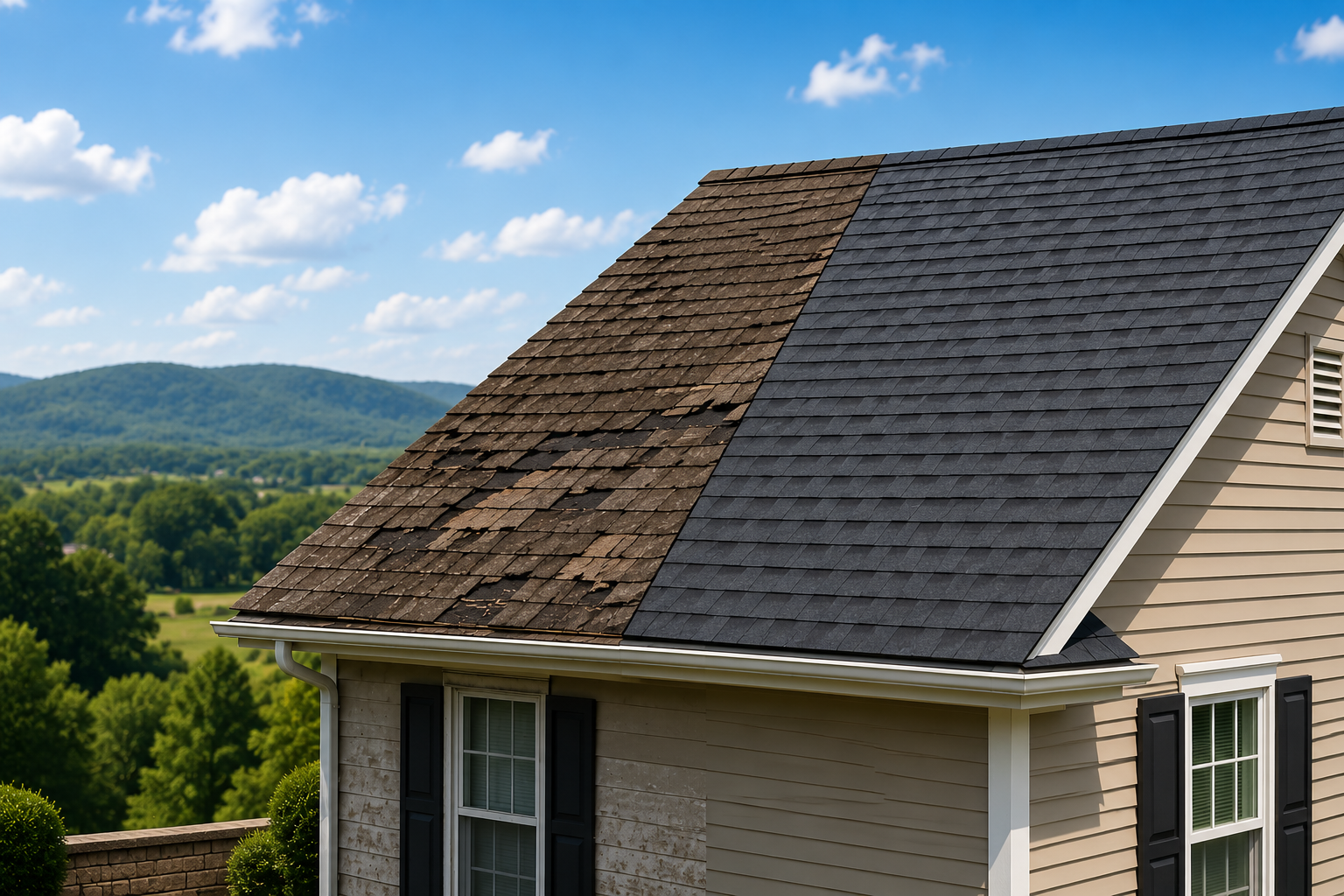
- Roofing: Look for missing, cracked, or curling shingles. Dark streaks or bare spots can also be a sign of wear. Check the flashing around chimneys and vents for any signs of damage or dislodgement.
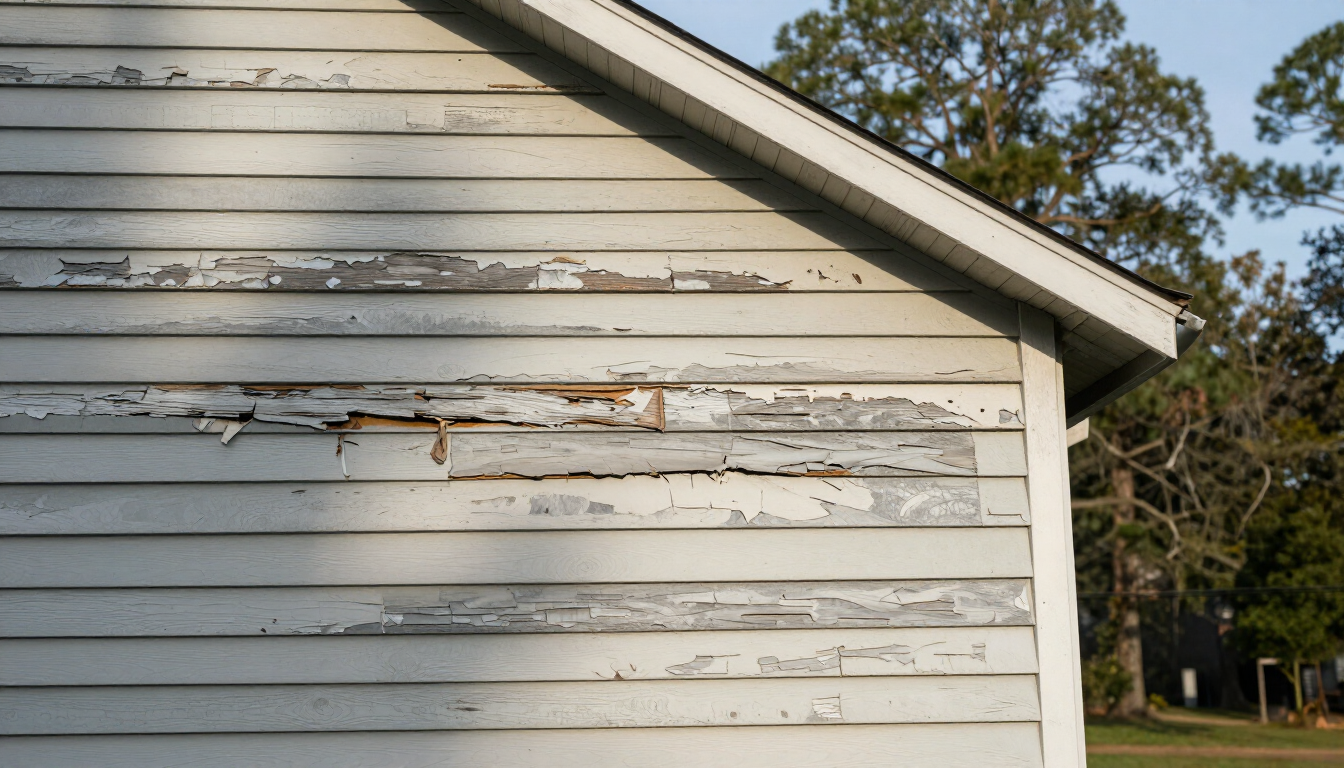
- Siding: Inspect for cracks, warping, or peeling paint. Bubbling or discoloration might mean moisture is trapped underneath, which can lead to rot.
- Foundation and Walkways: The freeze-thaw cycle can cause ground shifts. Check your foundation for new cracks, especially wider ones, and look at your driveways and walkways for significant cracks or unevenness that could be a tripping hazard.
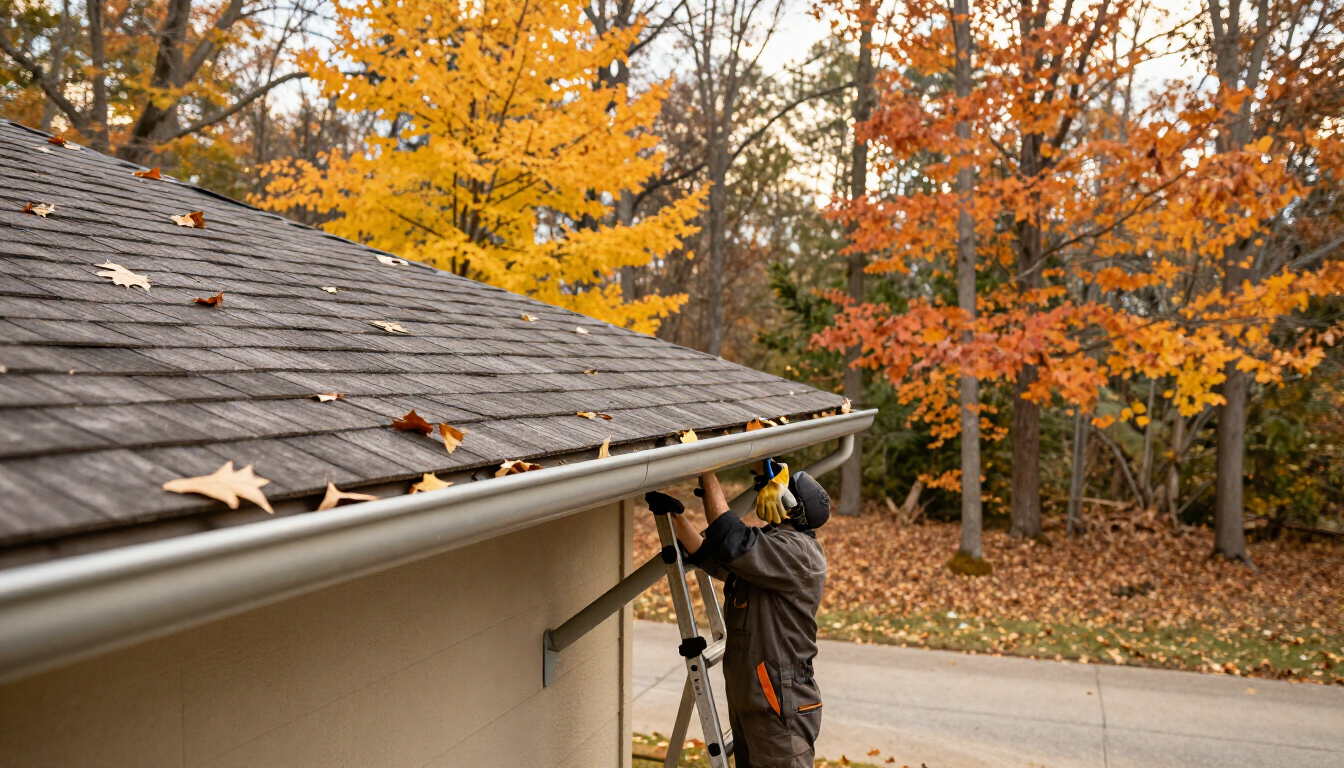
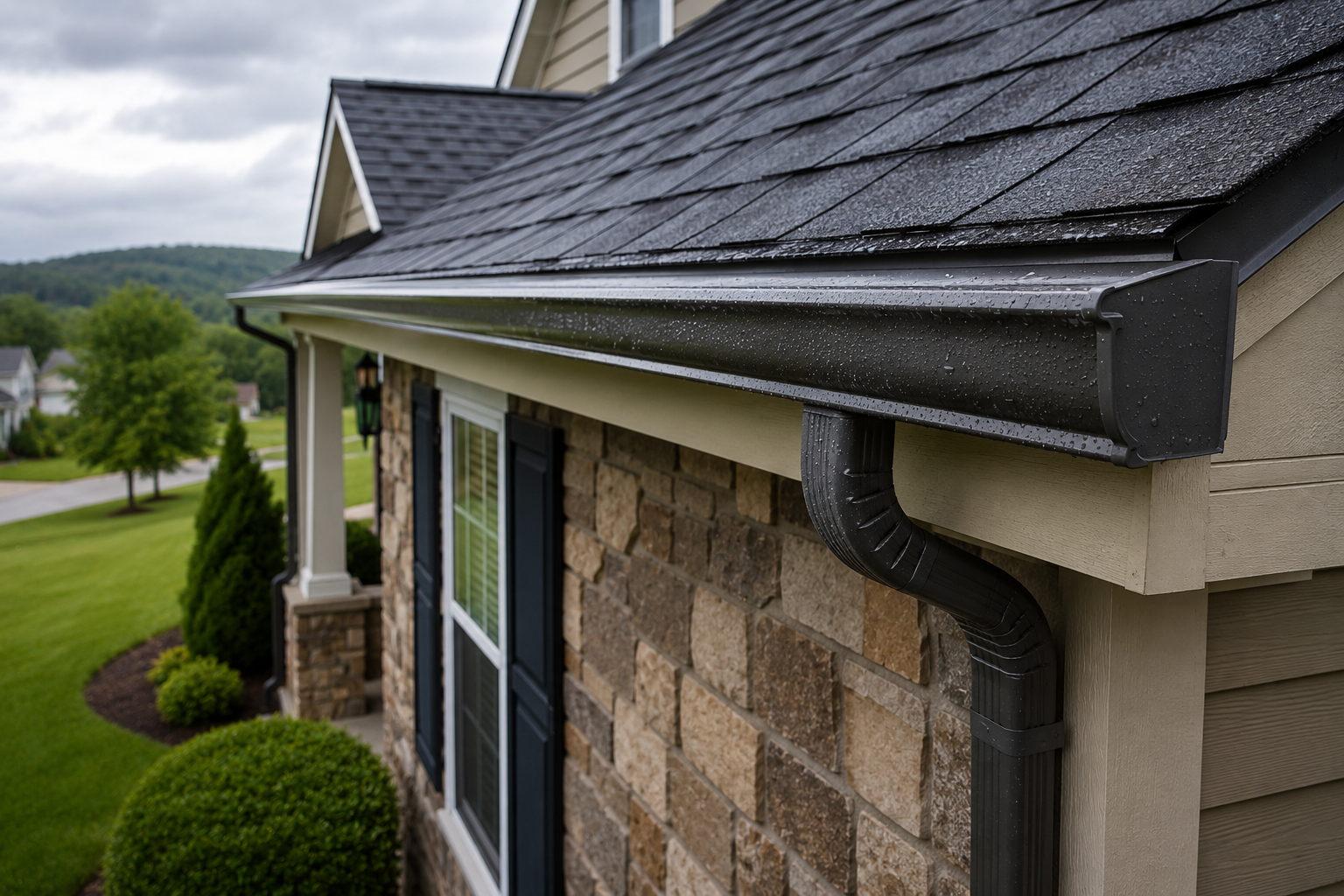
- Gutters and Downspouts: Snow and ice can dislodge these, and accumulated leaves can cause blockages. Make sure they're securely attached and clear of debris.
Essential Spring Maintenance Tasks
Beyond just fixing damage, a few regular tasks can keep your home in good shape. Think of these as preventative care:
- Clean Gutters: Get rid of leaves and gunk that built up over winter. Clogged gutters can cause water to back up and damage your roofline or foundation.
- Wash Siding: A good cleaning can remove dirt, mold, and mildew. For vinyl or brick, power washing might be an option, but wood siding needs a gentler touch.
- Trim Overhanging Branches: Keep tree limbs from rubbing against your house or dropping debris onto your roof. This also helps prevent pests from easily accessing your home.
Early Signs of Bigger Problems
Sometimes, the issues aren't obvious at first glance. Keep an eye out for these subtle indicators that something more serious might be brewing:
- Water Stains: If you see water stains in your attic, it's a clear sign your roof isn't as watertight as it should be.
- Sagging Areas: Any sagging or uneven spots on your roof could point to trapped moisture or underlying structural problems.
- Doors/Windows Sticking: If doors or windows are suddenly hard to open or close, it might not just be humidity. It could indicate that your foundation has shifted due to ground movement.
Addressing small issues promptly is key. A tiny crack in a shingle might seem minor, but it can let water in, leading to rot and more extensive damage over time. Catching these things early saves you a lot of headaches and money.
Why Timely Repairs Protect Home Value
Taking care of your home's exterior isn't just about aesthetics; it's a smart financial move. A well-maintained exterior makes a great first impression and signals to potential buyers that the home has been cared for. Ignoring repairs can lead to a cascade of problems that significantly decrease your property's market value. Getting a handle on exterior repairs now means you're protecting your investment for the future.
Building a Realistic Budget for Spring Home Improvements
Spring has a way of making home projects feel suddenly urgent, especially after a long winter. Snow melts, damage shows itself, and ideas that sat quietly all winter move to the top of the list. A leaky roof. A tired kitchen. A deck that did not survive another freeze and thaw. Home improvements often start with good intentions, but figuring out how to pay for them in a way that feels manageable, not stressful, is key. Planning your budget early gives you more control and fewer surprises.
Determining Project Priority and Scope
Before you even think about financing, you need to know exactly what you want to get done and in what order. Some projects are about stopping further damage, like fixing that leaky gutter. Others are more about comfort or looks, like updating your kitchen cabinets. It’s smart to separate the must-haves from the nice-to-haves. This helps you focus your spending where it’s needed most.
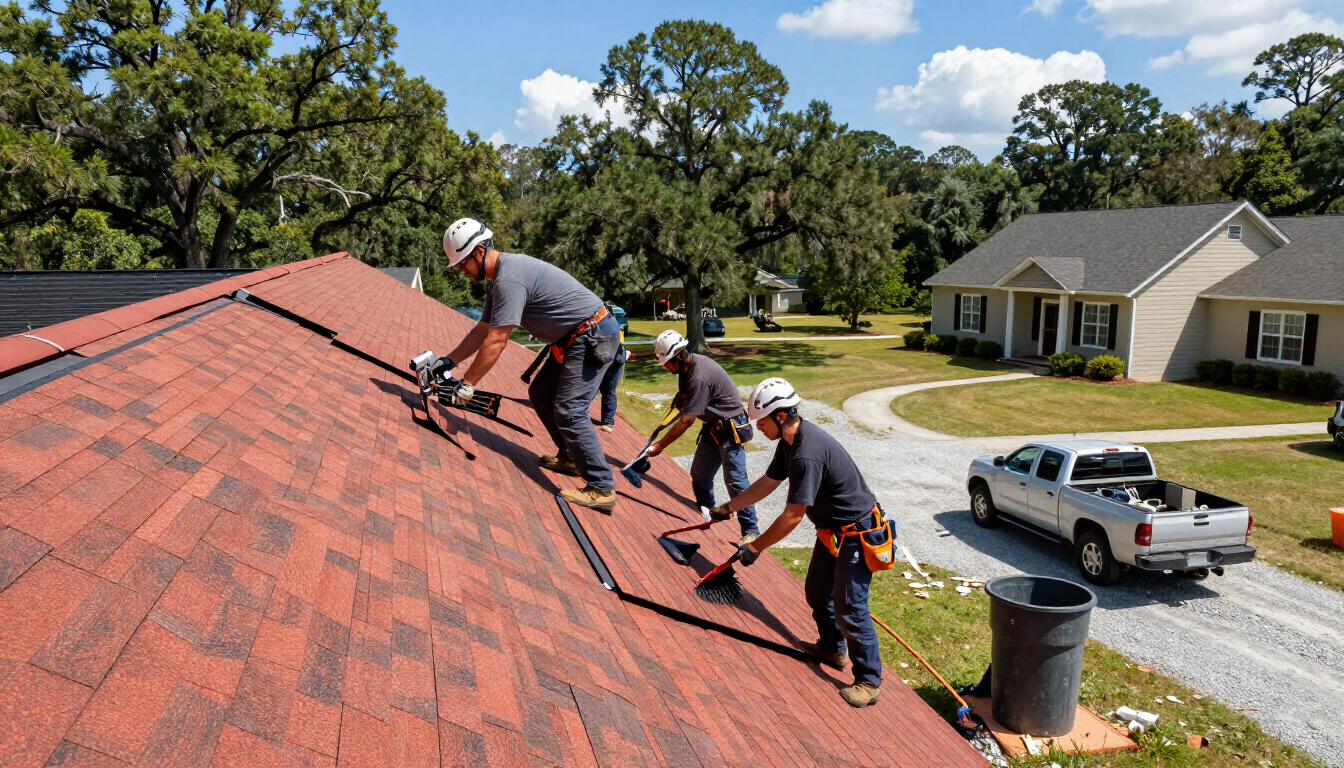
- Roof repairs or replacement: Often a top priority to prevent water damage.
- Window and siding updates: Can improve energy efficiency and curb appeal.
- Deck, patio, or exterior repairs: Important for safety and outdoor living.
- Interior updates (kitchens, bathrooms): Can improve daily living and home value.
Estimating Costs for Exterior Repairs
Once you know what you want done, it’s time to get a handle on the costs. This is more than just picking out materials. You need to factor in labor, potential permits, and even delivery fees. Contractor estimates are a big part of this, and in the spring, their schedules fill up fast. Getting multiple quotes is a good idea, but remember that the cheapest option isn't always the best. Look at their reviews and how long they've been in business.
Older homes, common in many areas, can sometimes hide unexpected issues once work begins. It’s wise to anticipate that costs might go up a bit once the project is underway. Planning for this helps avoid stress.
Setting Aside a Contingency Fund
No matter how carefully you plan, things can pop up. A hidden rot spot on the deck, an old pipe that decides to leak – these surprises can add to the bill. It’s a good practice to set aside an extra 10-20% of your estimated project cost for these unexpected expenses. This contingency fund acts as a buffer, preventing small issues from turning into major financial setbacks and keeping your project on track without derailing your budget.
Key Benefits of Spring Exterior Maintenance
Spring is the perfect time to give your home's exterior some much-needed attention. After a long winter, the elements can leave their mark, and tackling these issues now offers a lot more than just a nicer-looking house.
Preventing Costly Future Repairs
Think of spring maintenance as an investment. A small crack in your siding or a few loose shingles might not seem like a big deal right now, but they can quickly turn into major problems. Water can seep in, leading to rot and structural damage, which is way more expensive to fix later. Addressing these minor issues early on can save you a significant amount of money and hassle down the road.
Enhancing Curb Appeal and Resale Value
Let's be honest, a well-maintained exterior makes your home look good. Fresh paint, clean gutters, and sturdy fences all contribute to a positive first impression. This improved curb appeal isn't just for your own enjoyment; it directly impacts your home's value.
Improving Home Safety and Efficiency
Beyond looks and cost savings, spring maintenance also plays a role in safety and how efficiently your home runs. Things like checking your deck for loose railings or ensuring your walkways are free of hazards are important for preventing accidents. Also, making sure your insulation is sound and your windows are properly sealed can make a big difference in your home's energy efficiency.
Taking care of your home's exterior in the spring isn't just about fixing what's broken. It's about protecting your investment, making your home a safer and more comfortable place to live, and setting yourself up for financial savings in the long run.
Here are a few key areas to focus on:
- Roof Inspection: Look for missing or damaged shingles that could lead to leaks.
- Gutter Cleaning: Remove leaves and debris to ensure proper water drainage away from your foundation.
- Siding and Paint Check: Identify any cracks, peeling paint, or rot that needs attention.
- Window and Door Seals: Make sure they are intact to prevent drafts and energy loss. You can find great resources for exterior upgrades and financing options at Patriot Exteriors.
Evaluating Home Improvement Financing GA Options
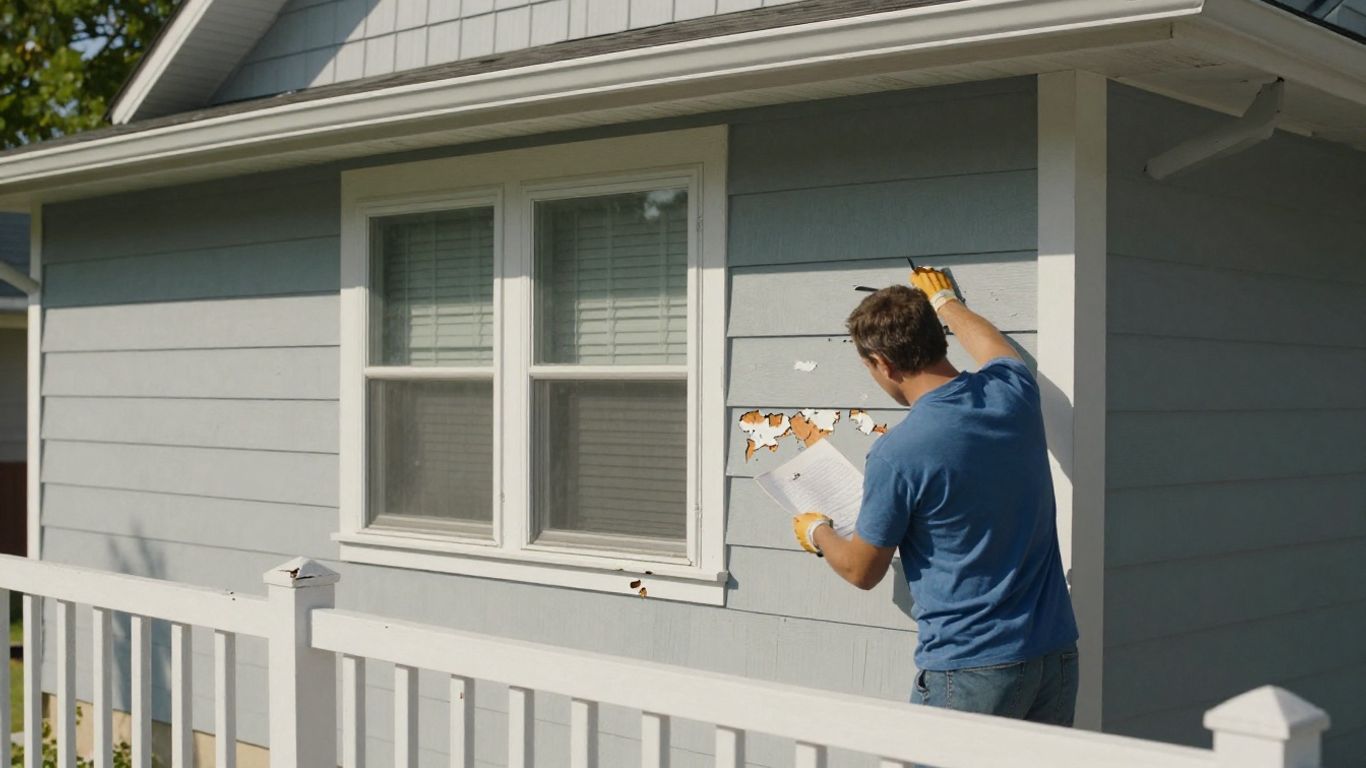
Choosing how to pay for big spring repairs isn't always simple. With the cost of materials and labor on the rise, having flexible financing options makes a real difference for Georgia homeowners.
Home Equity Loans and Lines of Credit
Tapping into your home's value is a common way to fund exterior projects. With a home equity loan or a HELOC, you borrow against the equity you’ve built up over years of payments.
- Usually lower interest rates compared to unsecured loans
- Potential access to larger sums for major exterior work
- Possibly longer repayment terms
Just keep in mind, your house is the collateral. Always weigh the repayment terms, APR, and total cost before signing anything.
Review details closely, since fees and interest rates can make a big difference in what you pay overall. Don’t rush the paperwork—read it all and ask plenty of questions.
Personal Loans for Exterior Projects
For folks who don’t want to put their house on the line, a personal loan might be a better fit.
- Faster funding
- No need for home equity
- Fixed payments
But be aware, these usually come with higher interest rates.
Government and Local Grant Programs
Some homeowners in Georgia can access government help for repairs, especially for safety upgrades or weather-related damage. Program options may include grants or low-interest loans.
Check with your local government office or housing authority to see what’s available.
Choosing the Right Home Improvement Financing GA Solution
Comparing Interest Rates and Repayment Terms
When you're looking at different loan options, pay close attention to the interest rate and the repayment term. A longer term can mean smaller monthly payments, but it often means you’ll pay more interest overall.
- Interest Rate Type: fixed vs variable
- Loan Term Length: shorter vs longer
- Fees: origination fees or prepayment penalties
Financing can help you keep your emergency fund intact while still getting repairs done, but it adds interest costs and a monthly payment. Balance urgency and long-term financial comfort.
Understanding the Impact on Monthly Budget
Before you commit, look at your monthly budget and make sure the new payment fits without creating stress.
When to Use Savings Versus Financing
If using savings won’t drain your emergency fund, paying cash can be simple. If the project is urgent or large, financing can spread costs and protect your cash reserves.
Planning Ahead for a Smooth Home Improvement Project
To avoid stress, it pays to plan ahead so your repairs actually get done—without last-minute scrambling or surprises.
Timing Contractor Estimates and Schedules
Get on your preferred contractor’s calendar before their schedules fill up. Reach out early for estimates and allow flexibility for weather and supply delays.
- Request at least three written estimates for major jobs.
- Ask about material lead times and realistic start dates.
- Plan for possible weather delays.
Making quick calls now means less risk you'll end up waiting weeks for a spot, or paying more in peak season when options are slim.
Vetting Providers to Avoid Scams
Be careful with anyone who pressures you to decide fast or asks for full payment upfront. Protect yourself by checking licensing, insurance, and reviews.
- Ask for proof of licensing, insurance, and references.
- Look up reviews and business history.
- Never pay for the full job upfront.
Scheduling Inspections and Permit Approvals
For many exterior repairs, you may need permits and inspections. Apply early and keep all paperwork organized.
- Apply for permits as soon as the scope is clear.
- Book inspections early during busy season.
- Keep permits, receipts, and reports in one place.
Ready to get started? Visit our website to request a free estimate!
Wrapping Up Your Spring Projects
Spring is here and your house needs some work. Whether it's a leaky roof or a deck that's seen better days, getting these repairs done is important. A little planning now—especially around budgeting and financing—can make the whole process smoother and far less stressful.
Frequently Asked Questions
What are the most common spring exterior repairs for homes?
After winter, many homes need roof repairs, gutter cleaning, fixing cracked walkways, and checking siding or windows for leaks. Decks and fences might also need work because of cold weather damage.
How can I figure out how much my spring home repairs will cost?
Make a list of what needs fixing, then get quotes from a few local contractors. Add extra for surprises, since repairs can uncover hidden problems.
What are my options for paying for exterior home repairs?
You can use savings, a home equity loan/HELOC, or a personal loan. Some programs may offer grants or low-interest help for certain repairs.
Is it better to use savings or get a loan for home improvements?
If you can pay without draining your emergency fund, cash is simple. For large or urgent repairs, financing can spread costs and preserve savings.
How do I avoid scams when hiring someone for repairs?
Check reviews, ask for proof of insurance, and get everything in writing. Avoid anyone who pressures you or asks for large upfront payments.
Why should I take care of exterior repairs in spring instead of waiting?
Fixing problems early keeps them from getting worse and more expensive later. Spring weather is better for repairs and contractor schedules are often easier than peak summer.