February Home Exterior Checklist: Roof, Siding, Gutters & Storm Damage
February might not be the first month you think of for home upkeep, but it's actually a pretty good time to check on your home's exterior. Before the real spring weather hits, taking a look at your roof, siding, and gutters can save you a lot of headaches later. This home exterior inspection February checklist will help you spot any issues that might have popped up over the winter or could cause trouble with upcoming storms.
Key Takeaways
- Check your roof for any loose or damaged shingles after winter weather. Also, look for signs of ice dams in the attic.
- Examine your siding for cracks, chips, or loose pieces. Make sure the caulking around windows and doors is still good.
- Clear out your gutters and downspouts to make sure water can flow freely. Look for any damage like cracks or sagging.
- Assess your home's exterior for any damage that could worsen with spring storms, like loose shingles or siding.
- Know when to call in a professional for repairs, especially for roof issues or if you're not comfortable doing the inspection yourself.
February Roof Inspection Essentials
February is a tough month for your roof. The cold, snow, and ice can really take a toll, and sometimes you don't see the damage until things start to melt. It's a good time to take a closer look, especially after any big winter storms.
Assess Shingle Condition After Winter Weather
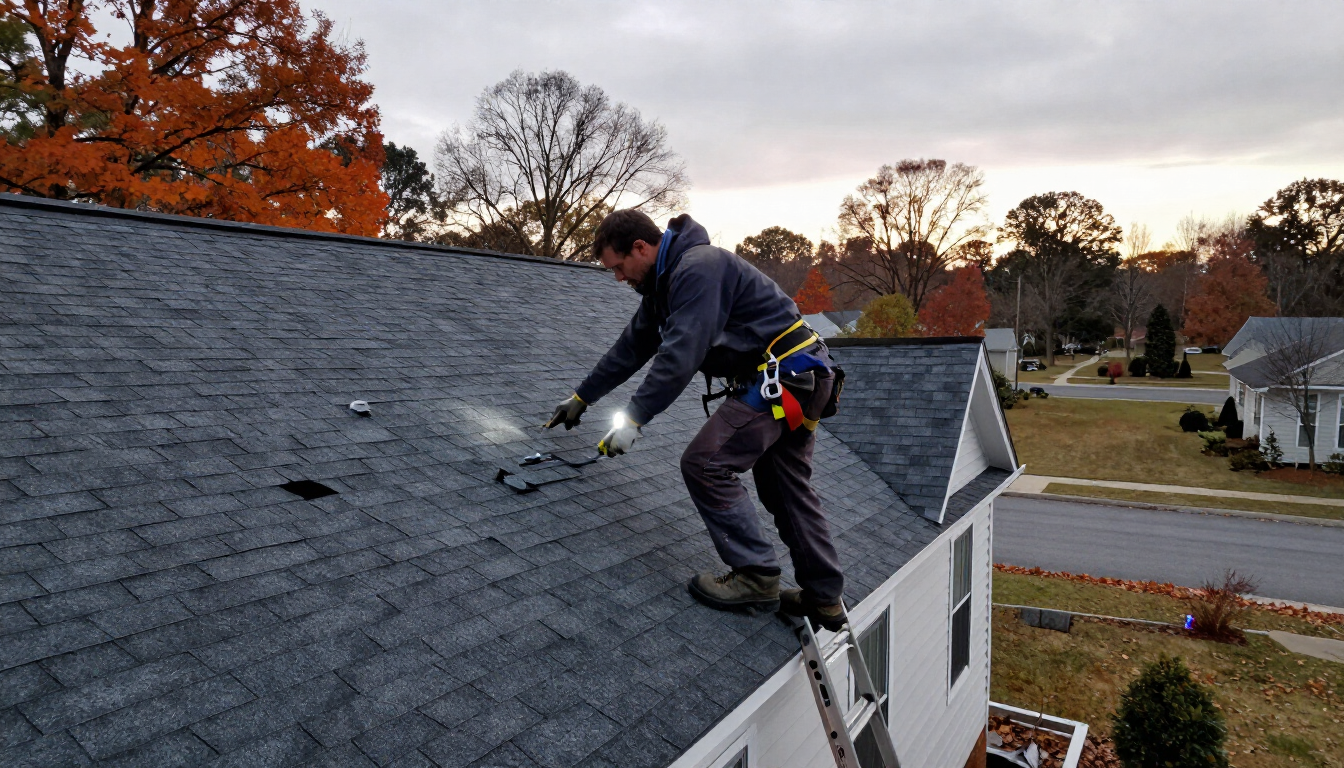
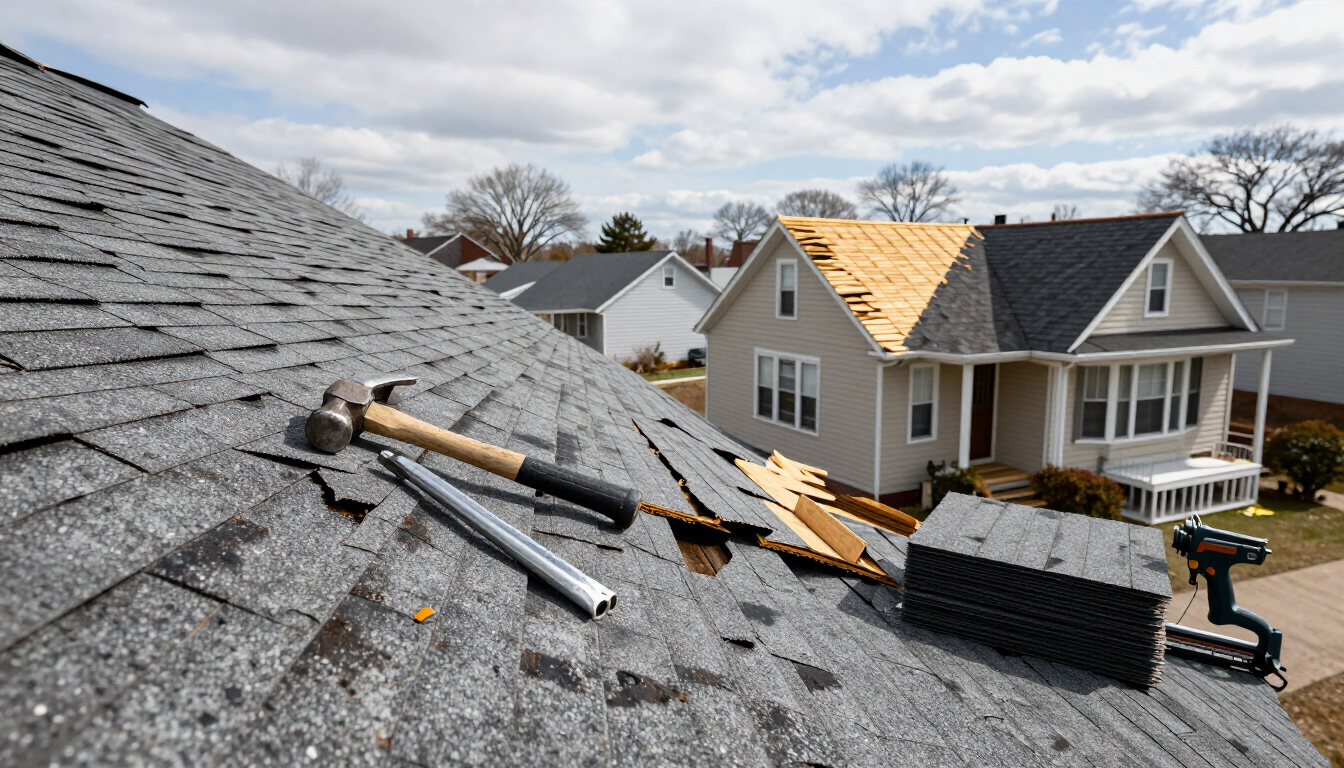
After a few months of snow and ice, your shingles might be showing some wear and tear. You'll want to check for any that have cracked, curled up at the edges, or are completely missing. Sometimes, ice dams can lift shingles, and you might not even notice until water starts seeping in. A quick visual check from the ground with binoculars can tell you a lot, but if you see anything concerning, it might be time for a closer look.
- Look for signs of brittleness in the shingles due to the cold.
- Check for any granule loss, which can look like dark sand in your gutters.
- Note any areas where shingles seem to be lifting or peeling away.
Winter weather can make shingles brittle. What looks like a small crack now could become a bigger problem when the temperature fluctuates.
Inspect for Ice Dams and Attic Leaks
Ice dams are those ridges of ice that form at the edge of your roof, and they're a real headache. They can prevent melting snow from draining properly, causing water to back up and potentially seep under your shingles and into your attic. So, head up to your attic on a cold day and look for any signs of moisture. You're looking for water stains on the ceiling or the underside of the roof decking. If you spot any, it's a clear indicator that water is getting where it shouldn't be. This is a good time to think about professional roof inspection before spring rains hit.
- Check attic insulation for damp spots.
- Look for water stains or mold on the attic's wooden beams.
- Ensure attic vents aren't blocked by snow or ice.
Check Chimneys and Ventilation Systems
Your chimney and any roof vents are common spots where water can find its way in. Take a look at the flashing around your chimney – that's the metal material used to seal the joint between the chimney and the roof. Make sure it's still in good shape, with no cracks or gaps. Also, check any vent pipes sticking out of the roof. The seals around them can degrade over time, especially with harsh weather. If you have a masonry chimney, check for any loose bricks or crumbling mortar.
- Inspect the condition of the flashing around the chimney.
- Look for any damage to vent pipe boots or seals.
- Check for loose bricks or mortar on masonry chimneys.
Siding Integrity Check This February
February is a good time to give your home's siding a once-over. Winter weather, especially if it's been a harsh one, can really do a number on exterior surfaces. Think about it: freezing and thawing cycles, wind, and maybe even some heavy snow can put a strain on things. Keeping your siding in good shape is key to protecting your home from the elements and preventing bigger problems down the road.
Examine Siding for Cracks and Chipping
Take a good look at your siding panels. You're looking for any signs of damage that might have popped up over the winter. This includes:
- Cracks: Especially in vinyl or plastic siding, small cracks can let water in. When that water freezes, it expands, making the crack even worse. It's a cycle that can really break down your siding over time.
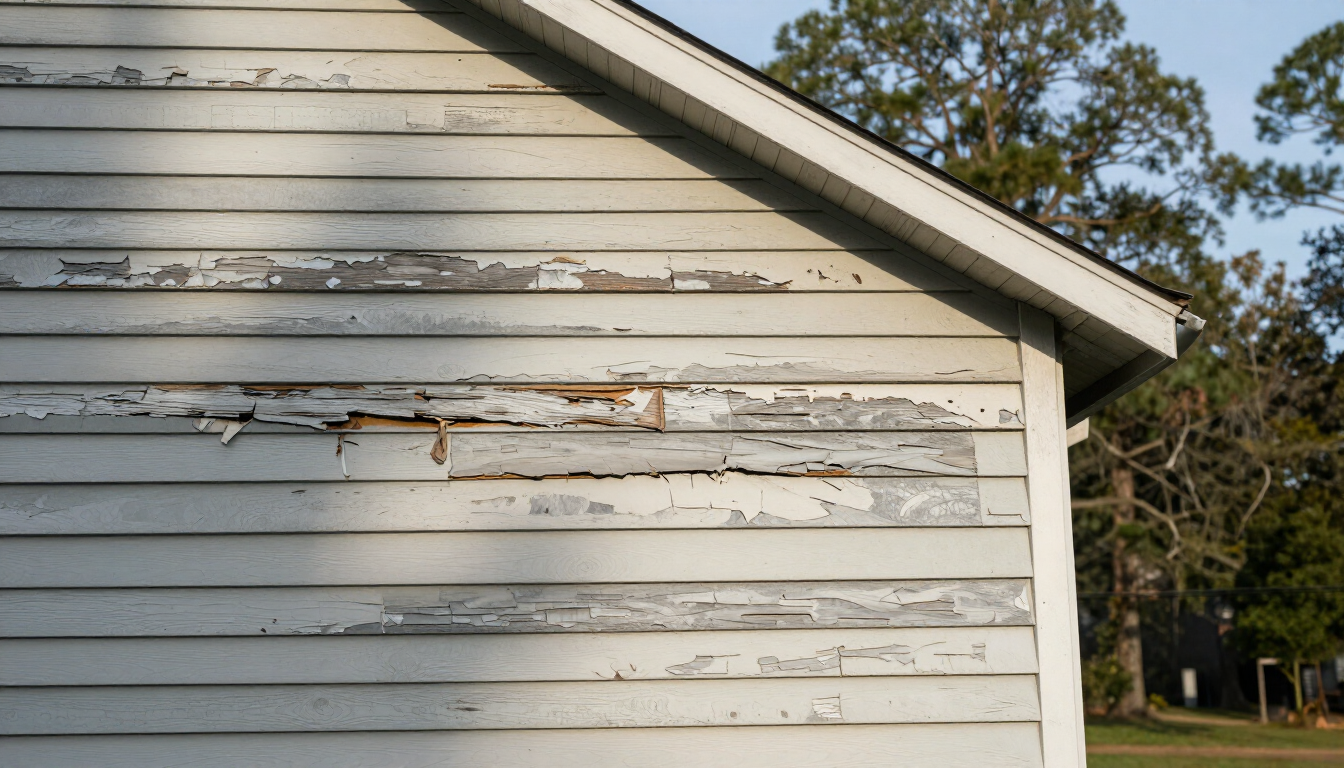
- Chipping or Peeling Paint: If you have wood or metal siding, check for areas where the paint is chipping or peeling. This exposes the material underneath to moisture and potential rot or rust.
- Loose Panels: Wind can sometimes catch a loose siding panel and pull it right off, leaving a big opening for water and pests.
Ensure Proper Caulking Around Joints
Caulking is like the little guardian that seals up gaps and keeps water out. Over time, especially with temperature changes, caulk can dry out, shrink, or crack.
- Check around windows and doors: These are common spots where water can sneak in if the caulk isn't doing its job.
- Inspect seams and corners: Where different siding panels meet, or at the corners of your house, the caulk needs to be intact.
- Look near vents and pipes: Any place where something penetrates the siding needs a good seal.
If you find any gaps or areas where the caulk looks old and brittle, it's time to reapply. A good bead of exterior caulk can make a big difference in keeping your home dry and draft-free.
Clear Vegetation Away From Exterior Walls
Plants, shrubs, and trees that are growing too close to your house can cause a surprising amount of trouble for your siding.
- Moisture Retention: Leaves and branches pressed against siding can trap moisture, creating a damp environment where mold and mildew can thrive. This is especially bad for wood siding.
- Physical Damage: Overgrown branches can rub against the siding, causing scratches or even breaking off pieces, particularly during windy conditions.
- Pest Highways: Dense vegetation can provide easy access for insects and small animals to climb onto your siding and potentially find their way into your home.
Try to keep at least a foot of space between your siding and any plants. It might seem like a small thing, but it really helps your siding breathe and stay dry.
Gutter and Downspout Maintenance
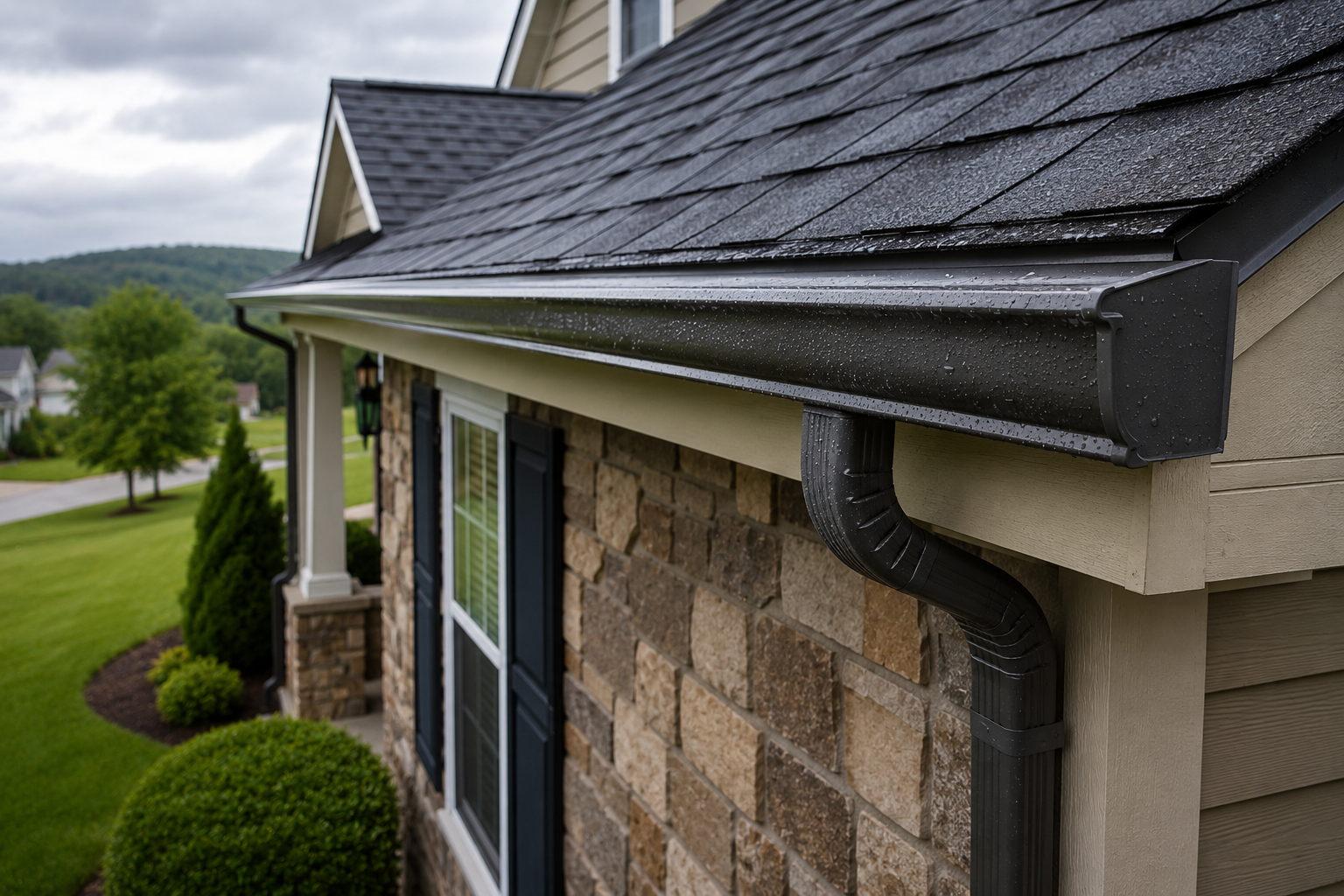
Gutters and downspouts are like your home's drainage system, and they really need some attention, especially after winter. Their main job is to direct water away from your house, protecting everything from the roof down to the foundation. If they're not working right, you can end up with some serious problems.
Clear Debris for Optimal Water Flow
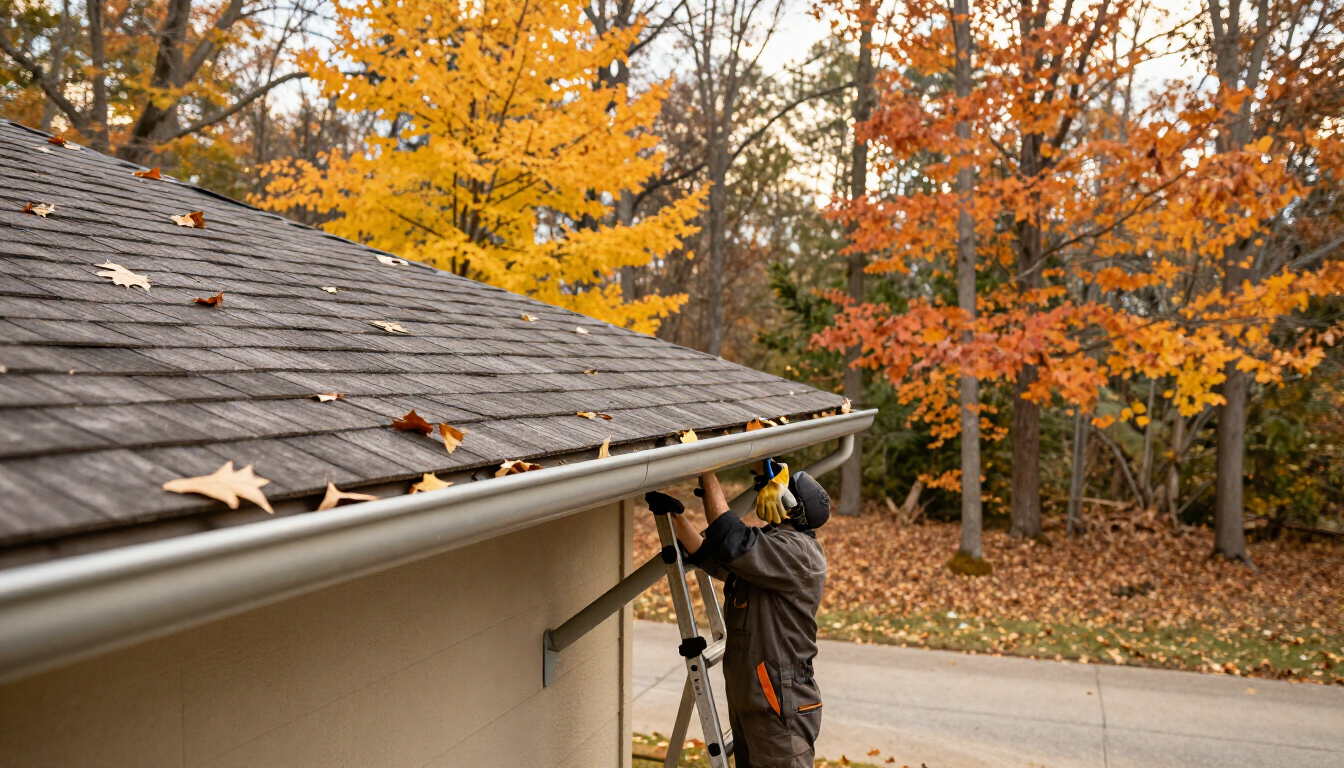
This is probably the most common gutter task, but it's super important. Think about all the leaves, twigs, and other junk that can pile up in there. When gutters get clogged, water has nowhere to go but over the sides, and that can cause water damage to your siding, landscaping, and even your foundation. You want to make sure they're completely clear so water can flow freely.
- Remove leaves and small branches.
- Check for and clear out any nests from birds or other critters.
- Flush the system with a hose to make sure everything is moving.
Keeping your gutters clear isn't just about looks; it's a key part of preventing water damage. Water pooling around your foundation can lead to cracks and costly repairs down the line. So, a little bit of cleaning now can save you a lot of headaches later.
Inspect for Cracks and Sagging
While you're up there cleaning, take a good look at the gutters themselves. Are there any cracks or holes? Sometimes, especially after a harsh winter with ice, gutters can sag or pull away from the house. This is bad because it means they aren't channeling water effectively anymore. You might see water dripping from places it shouldn't be, or the gutter might just look like it's drooping.
Address Potential Clogs Promptly
Don't wait too long if you notice a clog or a problem. If you see water backing up or overflowing, it needs to be fixed. Sometimes a simple poke with a stick can clear a minor blockage, but if it's more serious, you might need to take the downspout off to get it cleared. Ignoring clogs is a fast track to water damage.
Preparing for Spring Storms
As winter winds down, we need to start thinking about what comes next: spring storms. These can bring heavy rain, strong winds, and sometimes even hail, all of which can put a real strain on your home's exterior. Taking a little time now to check things over can save you a lot of headaches later.
Evaluate Roof for Pre-Existing Damage
Winter weather can be tough on roofs. Ice dams, heavy snow, and strong winds can all cause hidden damage. Before the spring showers really get going, it's a good idea to give your roof a good look.
- Check for missing or loose shingles. These are often the first things to go when the weather gets rough.
- Look for any signs of wear and tear, like curling or cracking, especially after a long winter.
- Inspect the flashing around chimneys and vents. This is a common spot for leaks to start.
A quick visual check from the ground with binoculars can reveal a lot. If you see anything concerning, it might be time to call in a professional for a closer look before a storm hits.
Reinforce Siding Against Wind
Spring storms often come with strong gusts of wind. Your siding is the first line of defense against these forces. Make sure it's in good shape and securely attached.
- Examine your siding for any cracks, holes, or loose sections. Small issues can quickly become big problems when exposed to the elements.
- Check the caulking around windows, doors, and trim. This seals out water and prevents wind from getting underneath the siding.
- Ensure any vegetation near your home is trimmed back. Overgrown bushes and trees can rub against siding, causing damage, or can be blown into your walls during high winds.
Ensure Gutters Can Handle Heavy Rain
Spring means more rain, and your gutters need to be ready to channel that water away from your home's foundation. Clogged or damaged gutters can cause water to back up and pool around your house, leading to all sorts of problems.
- Make sure your gutters are clear of any lingering winter debris like leaves or ice.
- Check for any sagging sections or cracks in the gutters themselves.
- Confirm that downspouts are clear and directing water at least a few feet away from your home's foundation.
Addressing Potential Storm Damage
After a rough winter, it's smart to take a good look around your home's exterior for any signs that recent storms might have caused some trouble. You don't want to wait until spring showers really start to hit and find out there's a problem.
Look for Loose or Missing Shingles
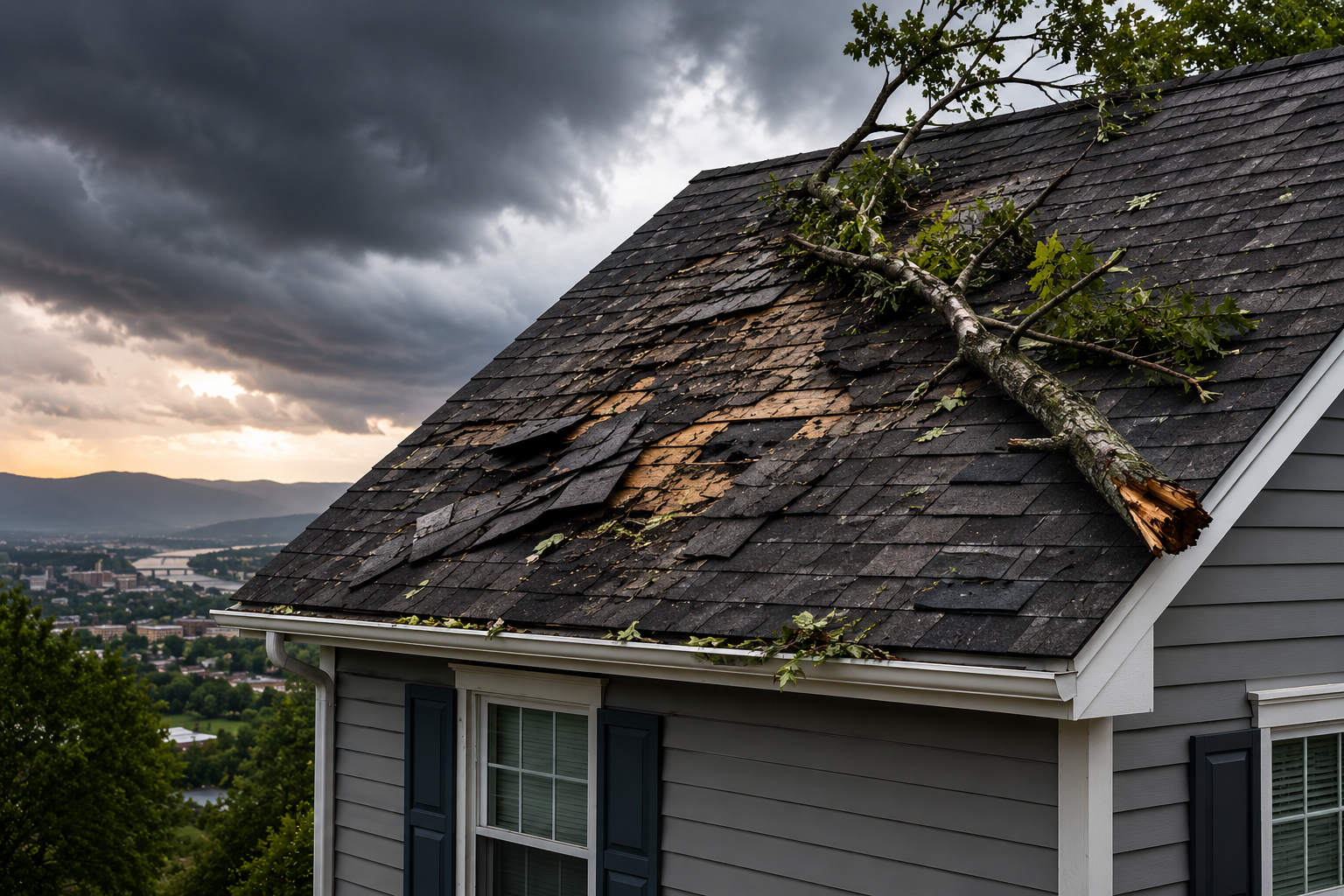
This is probably the most obvious thing to check after high winds or heavy snow. Get up there (safely, of course, or have someone do it for you) and see if any shingles have been lifted, cracked, or completely blown off. Even a few missing shingles can let water sneak in where it shouldn't be. A small problem now can turn into a big, expensive headache later if you ignore it.
Identify Signs of Water Intrusion
Water is sneaky. Look for any damp spots or stains on your ceilings or walls, especially near the roofline or around windows. This could mean water is getting past your roof or siding. Check your attic too; any wet insulation or dark spots on the rafters are a clear warning sign. Don't forget to look at the foundation – pooling water or dampness there can also point to drainage issues higher up.
Check for Siding Detachment
Siding takes a beating from the elements. After a storm, walk around your house and inspect the siding panels. Are any loose? Are there any cracks or pieces that look like they're pulling away from the house? This is especially important with vinyl siding, as a small crack can widen with temperature changes and let moisture behind the panels. If you see anything out of place, it's best to get it fixed before more damage occurs.
Sometimes, the damage isn't immediately obvious. A strong gust of wind might not rip off a whole section of siding, but it could loosen the seals around windows and doors, or create tiny fractures in shingles that aren't visible from the ground. It's the hidden damage that can cause the most trouble down the line if left unchecked.
Professional Assessment for Your Home Exterior
When to Call a Roofing Professional
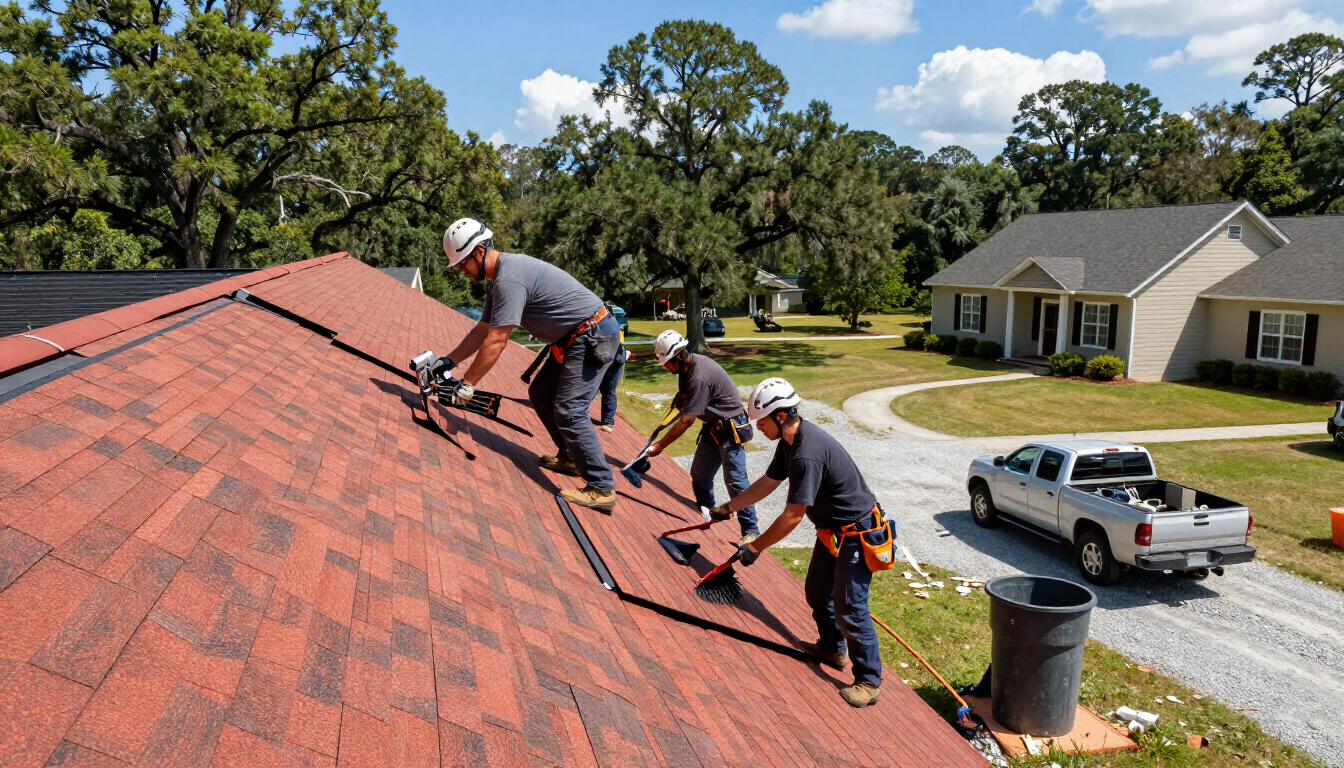
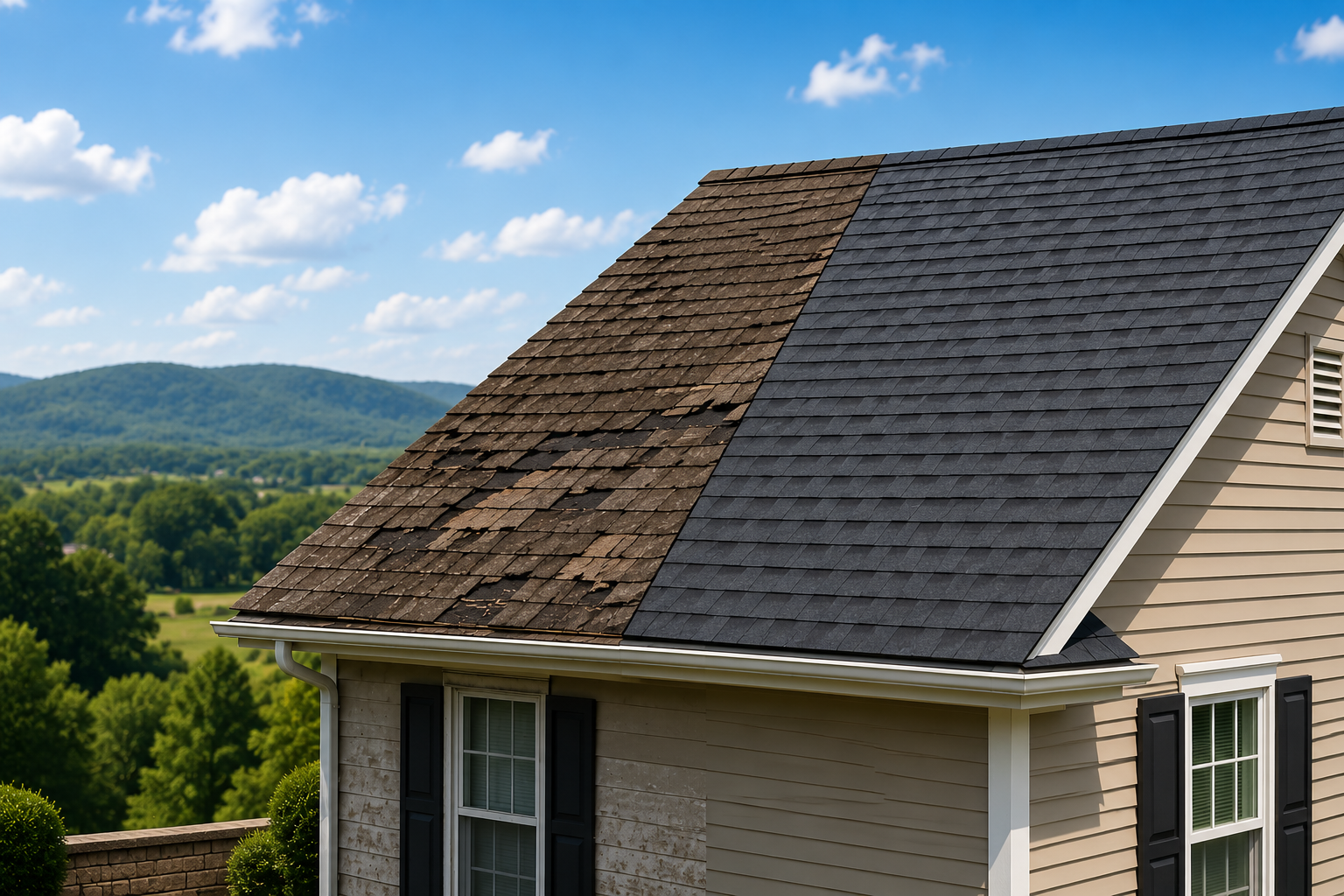
Sometimes, you just know when a job is too big for you to handle yourself. If you've spotted significant damage, like a large section of missing shingles or a noticeable sag in your roofline, it's definitely time to call in the pros. Also, if your roof is really steep or just plain hard to get to safely, don't risk it. A professional roofer has the right gear and knows how to work safely, even on tricky pitches. It's also a smart move to get an expert opinion if you're thinking about buying or selling a house, or if you just want a really thorough check-up to catch problems before they get serious.
Understanding DIY vs. Expert Inspections
Look, doing a quick walk-around yourself is great for spotting obvious issues. You can check for loose shingles or see if your gutters are pulling away. But there's a whole lot going on that you might miss. Professionals have a trained eye for things like subtle signs of water damage under shingles, issues with the flashing around vents and chimneys, or problems with the attic's ventilation. They can tell you if that small crack in your siding is just cosmetic or a sign of deeper trouble. For a truly complete picture of your home's exterior health, an expert inspection is usually the way to go.
Budgeting for Future Repairs
Getting a professional assessment isn't just about fixing what's broken right now. It's also about planning for the future. A good inspection report will give you a clear idea of what needs attention, what can wait a bit, and what might become a problem down the road. This helps you:
- Prioritize repairs based on urgency and cost.
- Set aside money gradually for bigger projects, like a roof replacement.
- Get a realistic estimate of potential expenses.
Think of it like a doctor's check-up for your house. You get a report card on its health, and you can make a plan to keep it in good shape for years to come. It's much better than waiting for a major breakdown that costs a fortune to fix.
Knowing what to expect financially makes homeownership a lot less stressful. You can tackle issues proactively rather than reacting to emergencies, which almost always cost more.
Thinking about your home's outside? We can help you check it out to make sure everything is in top shape. We'll look at things like your roof, siding, and gutters to spot any problems before they get bigger. It's important to keep your home protected and looking great. Want to know more about how we can help? Visit our website today to get a free estimate!
Keep Your Home Protected
So, we've gone over the roof, the siding, and the gutters. It might seem like a lot, but taking a little time now can save you big headaches later. Think of it like this: you wouldn't drive your car for years without an oil change, right? Your home's exterior is kind of the same. A quick check after a big storm or at the start of a new season can catch small problems before they turn into expensive repairs. Don't wait until you see a leak or a loose shingle. A little bit of attention to these outside parts of your house really does make a difference in keeping everything else inside safe and sound. Plus, a well-maintained exterior just looks good, and that's always a bonus.
Frequently Asked Questions
Why should I check my roof in February?
February can still bring harsh winter weather like snow, ice, and strong winds. Checking your roof now helps you spot any damage caused by winter storms before it leads to bigger problems like leaks or structural issues. It's also a good time to look for ice dams, which can cause water to back up under your shingles.
What should I look for on my siding?
When checking your siding, look for any cracks, chips, or peeling paint. Make sure the caulking around windows, doors, and where different siding pieces meet is in good shape. Also, keep plants and bushes trimmed back a foot or so from the siding to prevent moisture buildup and damage.
How do I know if my gutters are working correctly?
Your gutters should be clear of leaves and debris so water can flow freely. Look for any signs of sagging, cracks, or holes. If water isn't draining properly or you see water overflowing, it's time to clear them out or get them fixed.
What's the difference between a DIY inspection and a professional one?
A DIY inspection is when you do a basic check yourself for obvious problems like loose shingles or clogged gutters. A professional inspection involves an expert who can spot hidden issues, assess the overall health of your roof and siding, and recommend necessary repairs you might miss.
When is it time to call a professional for roof repairs?
You should call a professional if you see a lot of missing or damaged shingles, notice water stains inside your home (especially in the attic), or if your roof seems to be sagging. If your roof is very steep or hard to reach safely, it's also best to let an expert handle it.
How can I prepare my home's exterior for spring storms?
To get ready for spring storms, make sure your roof doesn't have any pre-existing damage like loose shingles. Check that your siding is secure and properly sealed. Ensure your gutters are clean and can handle heavy rain without overflowing. Addressing any small issues now can prevent major damage later.