Financing Your Roof Replacement: Affordable Options for February Home Projects
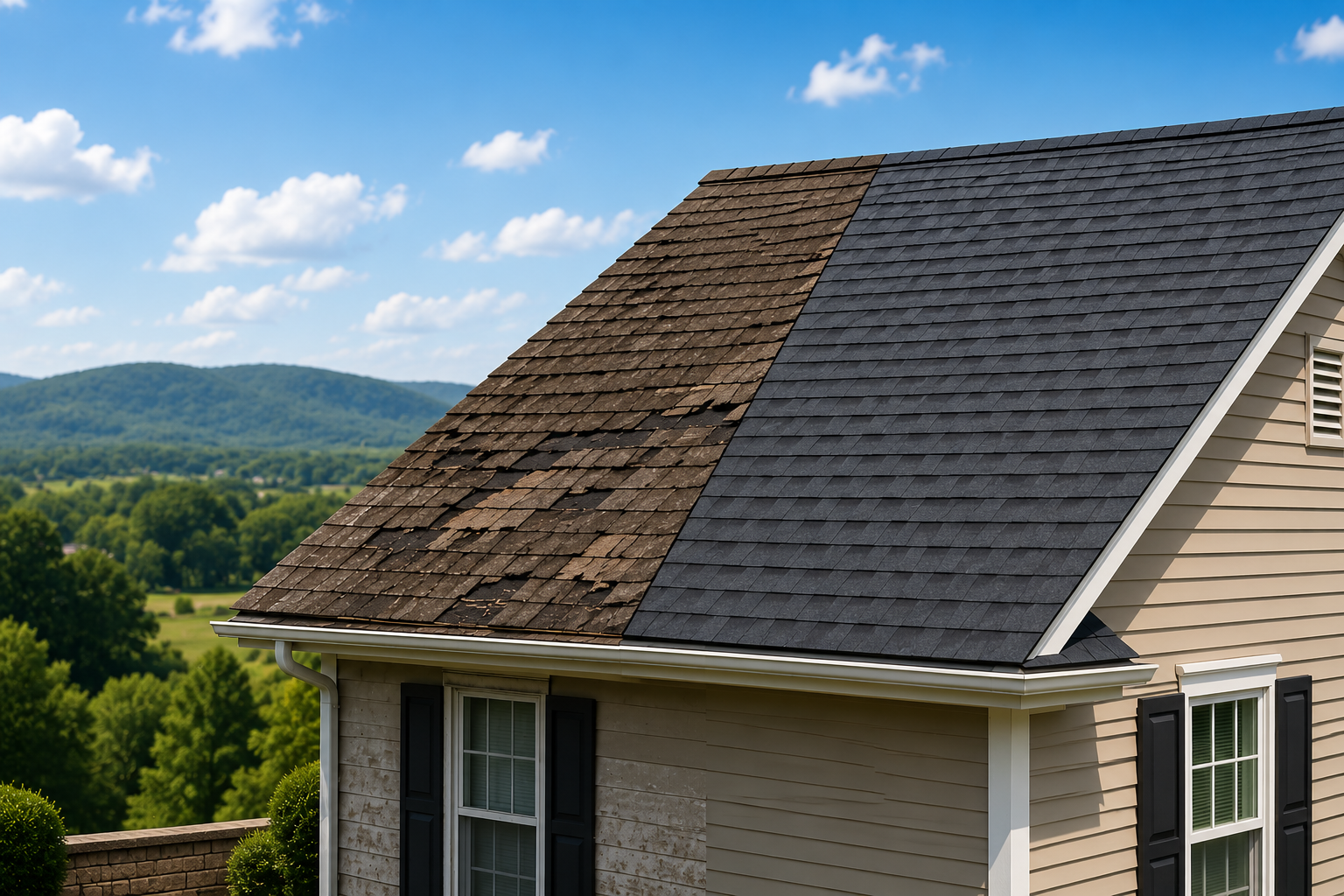
So, your roof is looking a little rough, huh? Maybe it's time for a new one, but the price tag has you sweating more than a July afternoon in Georgia. Don't worry, replacing your roof doesn't have to break the bank. There are actually a bunch of ways to finance this big project, even if your savings account isn't quite ready for it. We're going to look at some of the most common options to help you get that new roof without all the financial stress.
Key Takeaways
- Financing a roof replacement can make a big expense more manageable by spreading payments over time.
- Personal loans offer a flexible way to pay for a new roof, often with quick approval and competitive rates.
- Using your home's equity through a home equity loan or HELOC can provide larger sums for major projects, but carries risks.
- Contractor-provided financing can be convenient, but it's important to check the terms carefully, as they can sometimes be more expensive.
- Always compare different roof financing Georgia options, looking closely at the APR, fees, and total cost before signing any agreement.
Exploring Your Roof Financing Options in Georgia
Replacing your roof is a big deal, and let's be honest, it's usually not cheap. Especially here in Georgia, where the weather can be pretty rough on our homes sometimes, a new roof might be something you need sooner rather than later. You've got options for paying for it, though, so don't panic.
Understanding the Need for Roof Financing
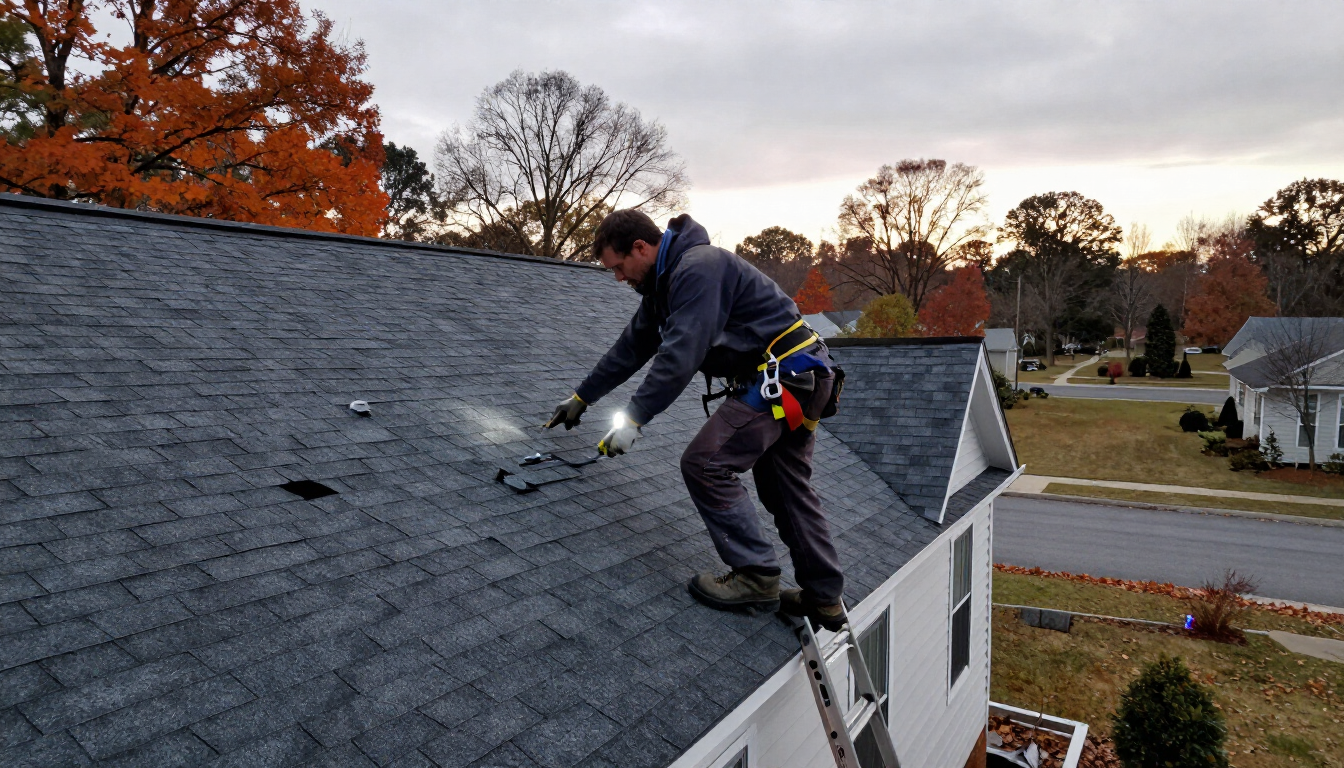
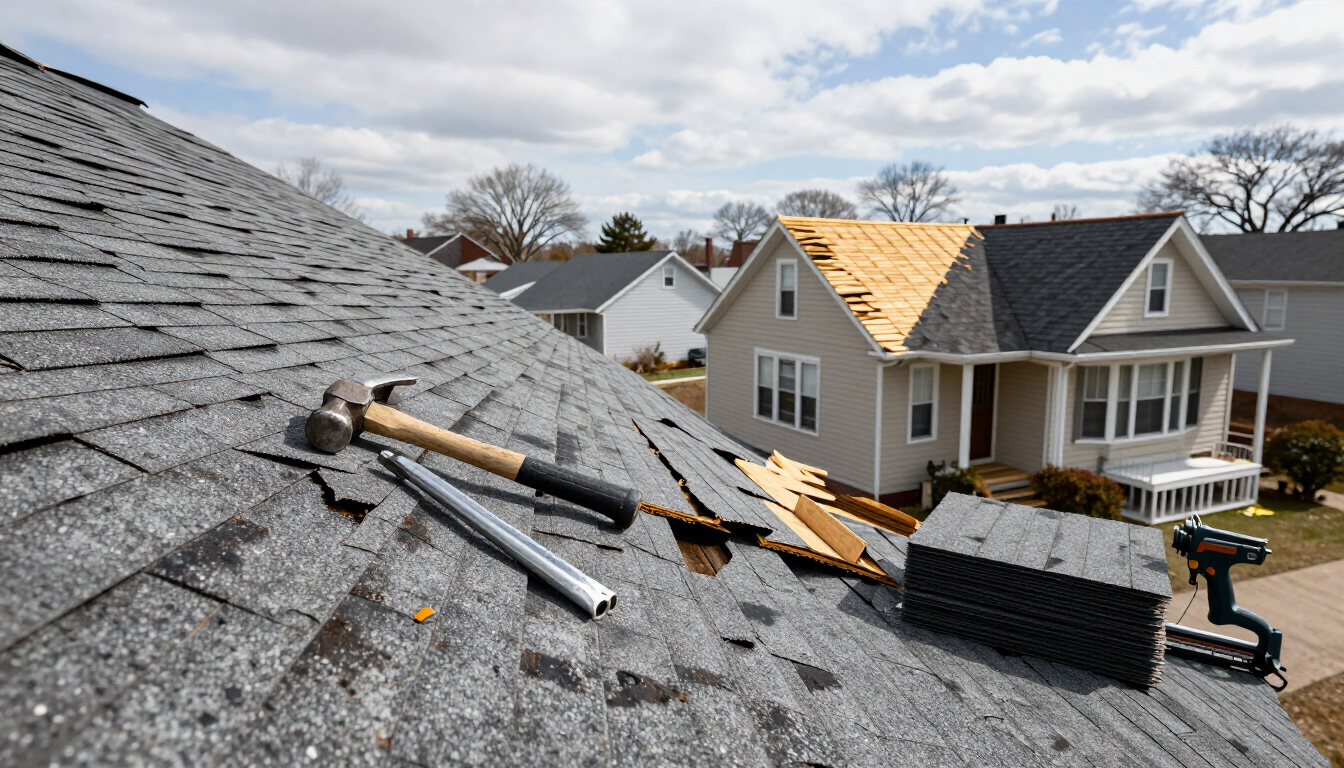
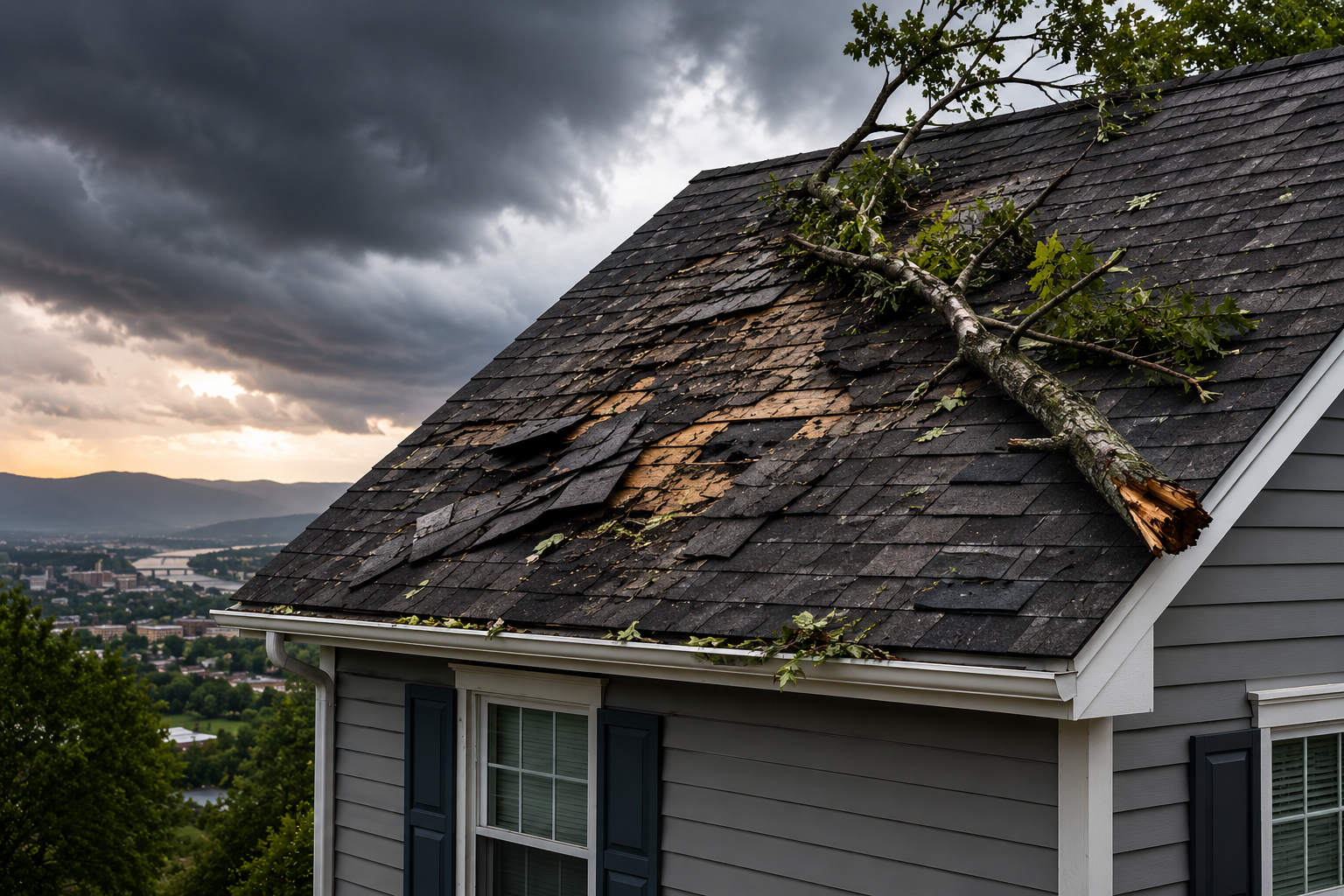
Sometimes, a roof just gives out. Maybe it's age, maybe it's a storm that did more damage than you thought. Whatever the reason, when you need a new roof, you often need it now. Waiting means risking more damage inside your house, which costs even more money. Financing lets you get the work done right away, so you're not dealing with leaks and potential structural problems. It also means you can pick a better quality roof and a good contractor without having to drain your savings account completely. Think of it as spreading out a big expense so it doesn't wreck your budget.
Key Considerations for Georgia Homeowners
When you're looking into how to pay for your roof, there are a few things to keep in mind, especially living here in Georgia. You'll want to think about:
- Your budget: How much can you realistically afford to pay each month without feeling squeezed?
- Interest rates: What's the APR (Annual Percentage Rate)? A lower rate means you pay less interest over time.
- Loan terms: How long do you have to pay it back? Shorter terms mean higher monthly payments but less interest overall. Longer terms mean lower monthly payments but more interest.
- Fees: Are there any hidden fees, like for applying or paying the loan off early?
- Contractor reputation: Make sure the company you hire is trustworthy and offers fair financing terms.
It's always a good idea to get a few different quotes for the roof work itself. Knowing the exact cost helps you figure out exactly how much you need to borrow and compare financing offers more accurately. Don't just go with the first number you hear.
Finding the Right Roof Financing Georgia Solution
So, where do you even start looking? You've got a few main paths. You can look into personal loans from banks or credit unions, see if your contractor offers financing plans, or even consider using home equity if you have it. Each has its own good points and bad points. The goal is to find something that fits your financial situation and lets you get a solid roof over your head without causing a new financial headache. We'll break down these options more in the next sections.
Personal Loans: A Flexible Financing Avenue
How Personal Loans Work for Roof Replacements
Personal loans are a pretty straightforward way to pay for a new roof. Think of it like borrowing a set amount of money from a bank, credit union, or an online lender. You get the cash upfront, and then you pay it back over time in fixed monthly payments. This predictability is a big plus when you're trying to budget for a major home project. Since most personal loans for things like roof replacements are unsecured, you don't have to put up your house or car as collateral. That means if you somehow couldn't make payments, they couldn't just take your home, which is a relief.
Pros and Cons of Personal Loans
There are definitely some good things about using personal loans for your roof.
- No Collateral Needed: As mentioned, you usually don't have to risk your assets.
- Fast Funding: Often, you can get approved and have the money within a few days, which is great if your roof is leaking right now.
- Fixed Payments: You know exactly what you'll owe each month, making it easier to plan.
But, like anything, there are downsides.
- Interest Rates Can Be Higher: Because they're unsecured, the interest rates might be a bit higher than loans where you use your house as collateral. This means you'll pay more overall.
- Credit Score Matters: To get the best rates and terms, you'll need a decent credit score. If your score isn't great, the interest could be quite high.
- Loan Limits: There might be a limit to how much you can borrow, which could be an issue for a really expensive roof job.
It's important to remember that even with a personal loan, you're still taking on debt. Make sure the monthly payments fit comfortably into your budget, and that you're not stretching yourself too thin. A new roof is important, but so is your overall financial health.
Securing the Best Personal Loan Rates
Getting a good rate on a personal loan isn't just luck; it takes a little effort. Here’s a quick rundown:
- Check Your Credit Score: Know where you stand. The better your score, the better your chances for a lower interest rate.
- Shop Around: Don't just take the first offer you get. Compare rates and terms from multiple lenders – banks, credit unions, and online lenders are all worth checking.
- Read the Fine Print: Look closely at the Annual Percentage Rate (APR), which includes fees, not just the interest rate. Also, check for any prepayment penalties if you decide to pay the loan off early.
Home Equity Financing for Major Roof Projects
Leveraging Home Equity Loans
If you've been a homeowner for a while, you might have built up some equity in your house. This is basically the difference between what your home is worth and what you still owe on your mortgage. A home equity loan lets you borrow against that built-up value. It's often a good choice for big projects like a full roof replacement because you typically get a lump sum of cash upfront. This can be really helpful when you have a clear idea of the total cost, including any unexpected issues that might pop up during the work.
- Fixed interest rate: This means your monthly payment stays the same throughout the loan's life, making budgeting easier.
- Predictable repayment schedule: You'll know exactly when the loan will be paid off.
- Potentially lower rates: Because the loan is secured by your home, the interest rates are often lower than unsecured options like personal loans.
Understanding Home Equity Lines of Credit (HELOCs)
A Home Equity Line of Credit, or HELOC, is a bit different from a home equity loan. Instead of getting all the money at once, a HELOC works more like a credit card. You get approved for a certain amount, and you can draw money from it as you need it during a specific period, often called the "draw period." This flexibility is great if you're not entirely sure of the final cost or if your project might take a while. You only pay interest on the amount you actually borrow.
- Variable interest rate: Be aware that the rate can go up or down, affecting your monthly payments.
- Draw as needed: Perfect for projects with uncertain costs or phased work.
- Revolving credit: Once you pay back some of the principal, you can borrow it again during the draw period.
Risks Associated with Equity-Based Financing
While tapping into your home's equity can be a smart move for a significant investment like a new roof, it's not without its risks. The biggest one is that your home serves as collateral. If you can't make your payments, you could risk losing your house. It's super important to be confident in your ability to repay the loan before you sign anything. Also, home values can fluctuate, so the equity you think you have might change over time.
Always consider your long-term financial stability. A new roof is important, but it shouldn't put your home at risk if your income situation changes unexpectedly. Make sure the monthly payments fit comfortably within your budget, even if your income were to decrease slightly.
Contractor-Provided Financing Programs
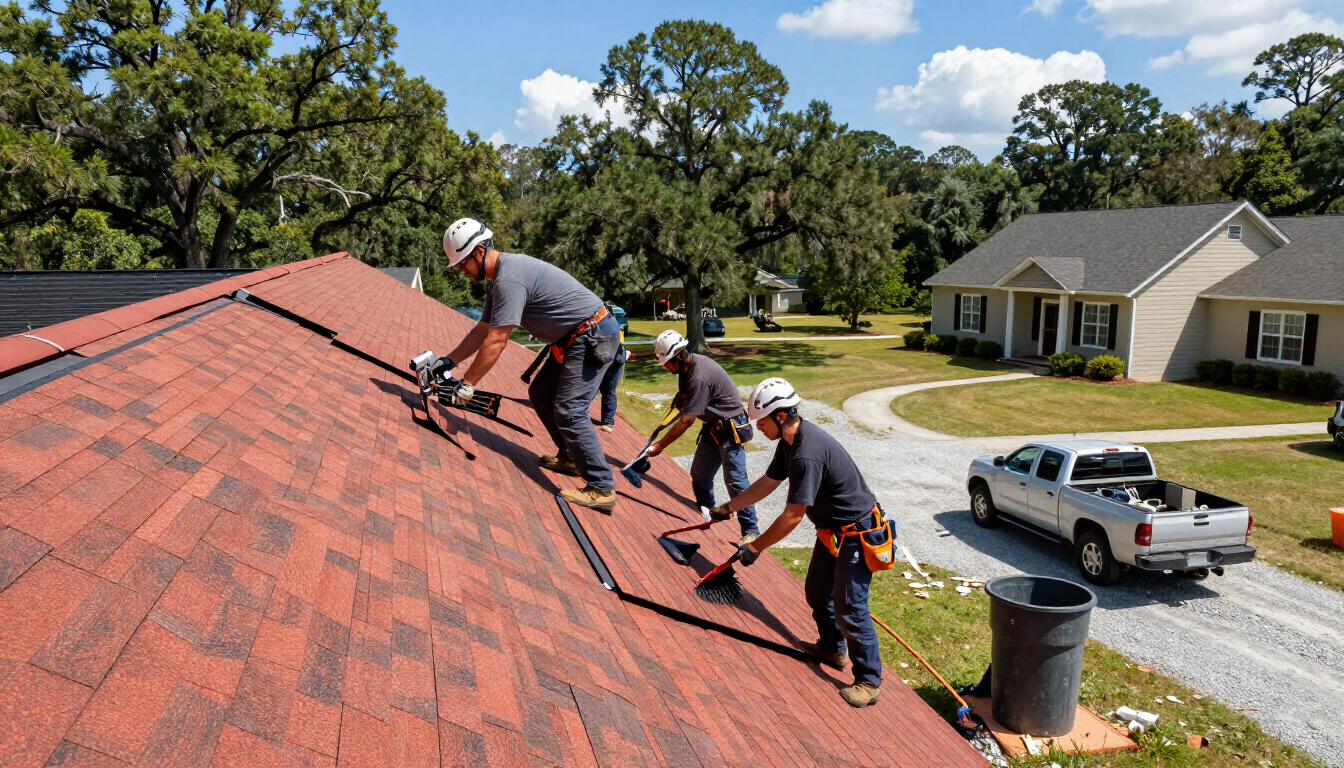
Sometimes, the easiest way to get that roof fixed is to go right to the source: your roofing contractor. Many companies work with financing partners to offer plans specifically for home improvement projects like a new roof. This can be super convenient because the contractor usually handles most of the paperwork for you.
Benefits of In-House Financing
Getting financing directly through your roofer can speed things up. They often have pre-arranged deals with lenders, which can mean quicker approvals, sometimes even on the same day you apply. Plus, these programs are sometimes more open to people with less-than-perfect credit scores. They might look at more than just your score, like how long you've been at your job or your income.
- Simplified application process: Less hassle for you.
- Potentially faster approvals: Get the green light quickly.
- Broader credit acceptance: May work for moderate credit.
- Tailored for roofing: Plans designed for this specific need.
Potential Drawbacks and Hidden Costs
While convenient, contractor financing isn't always the cheapest option. The interest rates might be higher than what you could get from a bank or credit union. It's really important to read all the fine print. Sometimes there are special deals like deferred interest, where if you don't pay off the full amount by a certain date, you get charged all the interest from the beginning. That can be a nasty surprise.
Always ask about the Annual Percentage Rate (APR) and what happens if you miss a payment or pay the loan off early. Make sure you understand the total cost over the life of the loan, not just the monthly payment.
When Contractor Financing Makes Sense
This type of financing really shines when you need a roof fixed now and maybe don't have the best credit history. If you find a program with a 0% introductory APR for a decent period, and you're confident you can pay it off before that period ends, it could be a great way to go. It's also a good option if you're looking for a single point of contact for both the work and the payment plan. Just remember to compare their offer to other options before signing anything.
Credit Cards: A Short-Term Solution
While not typically the first choice for a major expense like a roof replacement, credit cards can sometimes fit into a homeowner's financial picture, especially for smaller projects or if you're strategic. The main draw here is often the allure of introductory 0% APR offers. These can give you a period, usually 6 to 18 months, where you won't pay any interest on your balance. This can be a way to get the roof work done now and pay it off over time without incurring extra costs, provided you stick to the payment schedule. It's a way to avoid waiting to save up the full amount for your new roof.
Utilizing 0% APR Offers
Using a credit card with a 0% introductory APR can be a smart move if you have a solid plan to pay off the balance before the promotional period ends. It's like getting a short-term, interest-free loan. Here’s how to make it work:
- Know the End Date: Always be aware of when the 0% APR period finishes. Mark it on your calendar.
- Calculate Payments: Divide the total cost of the roof by the number of months in the promotional period. This tells you the minimum you need to pay each month to be debt-free.
- Budget Accordingly: Make sure this monthly payment fits comfortably within your regular household budget. Don't stretch yourself too thin.
The Risks of High Interest Rates
The biggest pitfall with credit cards is what happens after the introductory period expires. If you haven't paid off the entire balance, the interest rate can jump significantly. Many standard credit card APRs are quite high, often much higher than personal loans or home equity options. This can turn a manageable roof project into a much more expensive one due to accumulating interest charges. It’s easy to get caught in a cycle of minimum payments that barely touch the principal, letting interest costs balloon.
Be wary of offers that seem too good to be true. Always read the fine print regarding interest rates, fees, and the duration of any promotional periods. A seemingly convenient payment method can quickly become a financial burden if not managed carefully.
Best Practices for Credit Card Use
If you decide a credit card is the way to go, treat it like a temporary loan, not a permanent payment method. The goal should always be to pay off the full amount before the interest kicks in. Consider these tips:
- Only Use for What You Can Afford: Don't let the credit limit tempt you into a more expensive roof than you initially planned or budgeted for.
- Prioritize the Balance: Make paying down the roof replacement cost a top financial priority during the 0% APR period.
- Avoid Other Purchases: Try not to add other expenses to that card while you're paying off the roof. This keeps the focus on the main debt.
- Compare Offers: Look for cards with the longest 0% APR period and reasonable regular interest rates, just in case. You can find cards that offer cash back or other rewards, but don't let those distract you from the primary goal of paying off the debt interest-free. You might even find a card that helps you get the new roof you need without delay through 0% interest financing for roof replacement.
Navigating Red Flags in Financing Offers
When you're looking into financing for your roof replacement, it's easy to get excited about getting the work done quickly. But hold on a second. Not all financing offers are created equal, and some can end up costing you a lot more than you bargained for. It's super important to look closely at what's being offered before you sign anything. You don't want to get stuck with a deal that feels like a steal at first but turns into a financial headache later.
Identifying Predatory Lending Tactics
Some companies are really pushy with their sales. They might try to rush you into a decision, making it seem like the offer is only good for a limited time. This high-pressure approach is a big warning sign. They want you to sign without really thinking it through. Watch out for offers that seem too good to be true, especially if they come with a lot of urgency. It’s always better to take your time and compare options. You might find that a little patience leads to a much better deal. Remember, a good contractor wants you to be comfortable with your choice, not pressured into it. If you're feeling rushed, it's probably a sign to step back and re-evaluate. It's also wise to be aware of common home inspection red flags that could lead to unexpected costs down the line.
Understanding APRs and Hidden Fees
This is where things can get tricky. The Annual Percentage Rate (APR) is supposed to show you the yearly cost of borrowing money, including interest and certain fees. But sometimes, the advertised rate isn't the whole story. You need to look beyond just the monthly payment. Ask about all the fees involved – origination fees, late payment penalties, and especially any fees for paying off the loan early. Some loans have precomputed interest, meaning they calculate all the interest upfront and add it to your loan amount. This can make your total cost much higher than you expect. Always ask for a full breakdown of costs and read the fine print carefully. A truly fair loan will have clear, upfront disclosures.
Ensuring Fair Loan Terms
So, what makes a loan term fair? For starters, the repayment period should make sense. A loan term that lasts longer than your new roof is expected to last is a major red flag. You don't want to still be paying for a roof that's nearing the end of its life! Also, look for plans that don't penalize you for paying off the loan early. If you get a bonus or save up some extra cash, you should be able to pay down the principal without extra charges. Here are a few things to keep in mind:
- Competitive interest rates: Compare rates from different lenders. A rate that's significantly higher than market average is a concern.
- Clear repayment schedule: The monthly payments should be manageable for your budget, and the total loan term should be reasonable.
- No hidden penalties: Ensure there are no surprise fees for things like early payoff or missed payments (beyond standard late fees).
When evaluating financing, always ask yourself if the total cost of the loan, including all interest and fees over the entire repayment period, is something you're comfortable with. If the numbers don't add up or feel right, it's best to explore other options, like looking into personal loans from a bank or credit union.
If a financing offer seems confusing, has a lot of fine print, or involves high-pressure sales tactics, it's probably best to walk away. There are plenty of legitimate ways to finance a roof replacement, and you deserve a deal that's transparent and works for your financial situation. Don't be afraid to ask questions and get everything in writing before you commit. Your future self will thank you for it.
When looking at money offers for your project, it's smart to watch out for warning signs. Don't get caught by deals that seem too good to be true or have hidden costs. We want to help you make the best choice for your home. Learn more about spotting these tricky offers on our website.
Wrapping Up Your Roof Project
So, getting a new roof doesn't have to break the bank this February. We've looked at a few ways to pay for it, from personal loans to working with the company doing the work. It really comes down to what fits your wallet best and what makes you feel comfortable. Just remember to look closely at all the details, like interest rates and fees, before you sign anything. A solid roof is a big deal for your home, and finding the right way to pay for it means you can get it done without a ton of stress.
Frequently Asked Questions
Is it a good idea to finance a roof replacement?
Yes, financing can be a really smart move, especially if your roof needs fixing right away due to damage or leaks. It lets you get the work done without emptying your savings account. Plus, spreading out the payments makes it easier to manage your budget. It's a way to protect your home without causing a financial headache.
What's the difference between a home equity loan and a HELOC?
A home equity loan gives you a set amount of money all at once, like a lump sum, with a fixed interest rate. A HELOC, or Home Equity Line of Credit, is more like a credit card for your home's value. You can borrow money as you need it, up to a certain limit, and the interest rate can change.
Are there any downsides to using credit cards for roof financing?
While some credit cards offer 0% interest for a short time, which can be tempting, it's risky for big projects like a roof. If you don't pay off the balance before the special offer ends, the interest rates can jump really high, costing you much more in the long run. It's usually better for smaller expenses.
What are some warning signs I should watch out for when looking at financing offers?
Be careful of deals that seem too good to be true. Watch out for super high interest rates (APRs), hidden fees, or pressure to sign up immediately. Also, be wary if the loan term is much longer than your roof is expected to last. Always read the fine print carefully!
Can I get financing if my credit score isn't perfect?
It can be tougher, but yes, it's often still possible. Some lenders specialize in helping people with less-than-perfect credit, though the interest rates might be higher. You might also consider a co-signer or looking into contractor financing options, which can sometimes be more flexible.
What's the first step I should take when considering financing for my roof?
The very first step is to get a detailed estimate from a reputable roofing company. Knowing exactly how much the roof will cost helps you figure out how much you need to borrow and compare different loan offers more accurately. It sets you up to make a smart financial decision.