Winter Roof Damage in North Georgia: What February Weather Can Do to Your Home
February in North Georgia can bring some wild weather. We might get a few warm days, but then bam! Cold snaps, heavy rain, and wind can really mess with your roof. It’s easy to forget about your roof when the weather seems mild, but these conditions can cause serious winter roof damage North Georgia homeowners need to watch out for. Let’s talk about what’s happening up there and how to spot it.
Key Takeaways
- Freeze-thaw cycles are a big deal in North Georgia, causing small cracks in shingles and seals to grow larger when water freezes and expands.
- Heavy rain and strong winds are common in February and can push water under shingles and into weak spots, leading to leaks.
- Ice dams can form even in milder climates if attic heat melts snow, which then refreezes at the eaves, forcing water back under shingles.
- Look for missing or cracked shingles, areas with lost granules, and clogged gutters, as these are common signs of winter roof damage North Georgia roofs can suffer.
- Regular roof inspections, especially after storms, and keeping gutters clean are the best ways to prevent and catch winter roof damage before it becomes a major problem.
Understanding Winter Roof Damage North Georgia
The Sneaky Nature of Southeastern Winters
Winter in North Georgia can be a bit tricky. We don't always get the harsh, prolonged freezes you see further north, but that doesn't mean our roofs are safe. In fact, the milder, fluctuating temperatures can sometimes be more damaging in the long run. Think about it: one day it's chilly enough to freeze, and the next, it's warm enough to melt. This constant back-and-forth can really stress out your roofing materials.
Southeastern winters often present a unique set of challenges for homeowners. The combination of fluctuating temperatures, high humidity, and occasional severe storms means that even seemingly mild weather can lead to hidden damage. It's not always about the big, dramatic events; sometimes, it's the slow, steady wear and tear that causes the most trouble.
How Winter Weather Impacts North Georgia Roofs
So, what exactly does this weather do to your roof? A few things. First, there's the freeze-thaw cycle. When water gets into tiny cracks in shingles or seals, it freezes and expands. Then, when it thaws, it contracts. Repeat this enough times, and those small cracks get bigger. We also get plenty of rain, and when strong winds blow, water can get forced under shingles, especially if they're already a bit worn. This can lead to leaks and, over time, rot in the wood underneath.
Here are some common ways winter weather takes its toll:
- Freeze-thaw cycles: Water seeps into small openings, freezes, expands, and widens the damage.
- Heavy rain and wind: Pushes water into vulnerable spots like flashing and under loose shingles.
- Ice dams: Can form even in milder climates if attic heat melts snow, which then refreezes at the eaves, trapping water.
- Fallen debris: Branches and leaves can clog gutters and damage shingles.
Recognizing the Signs of Winter Roof Damage
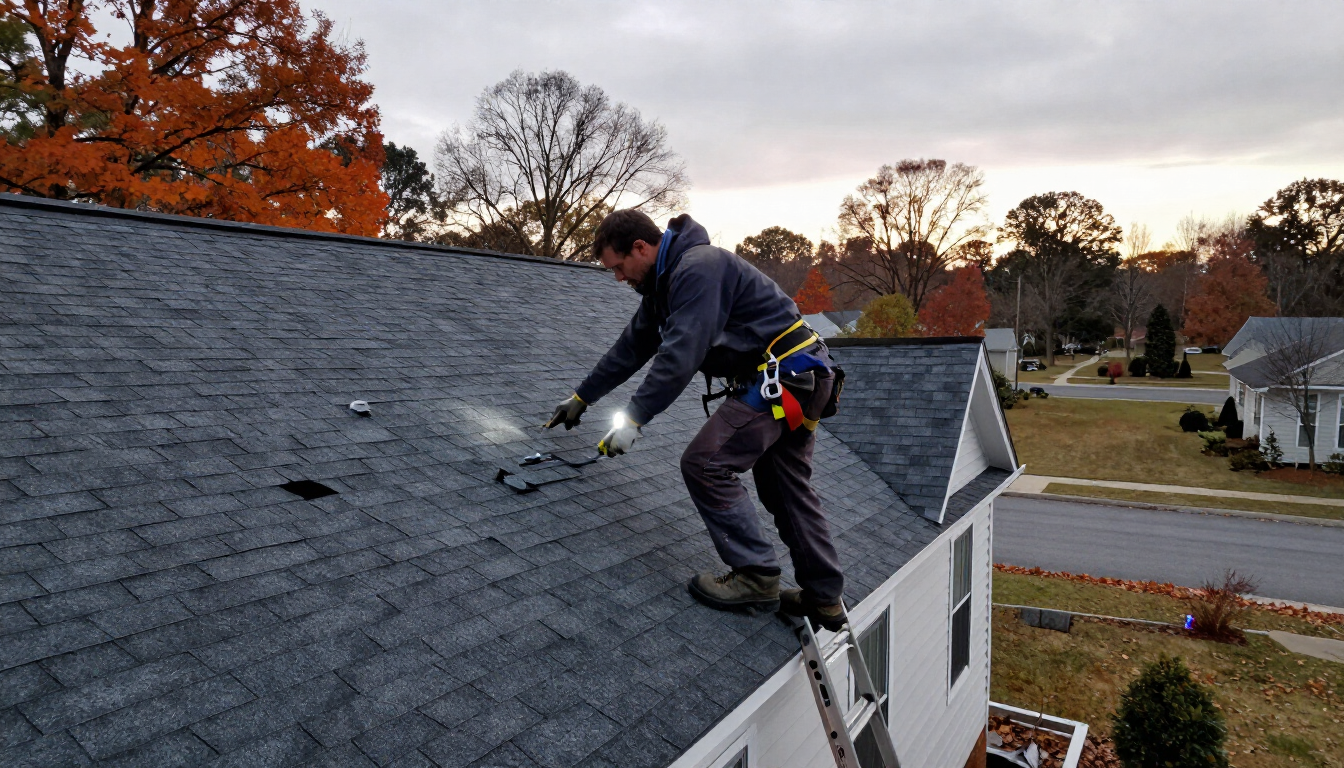
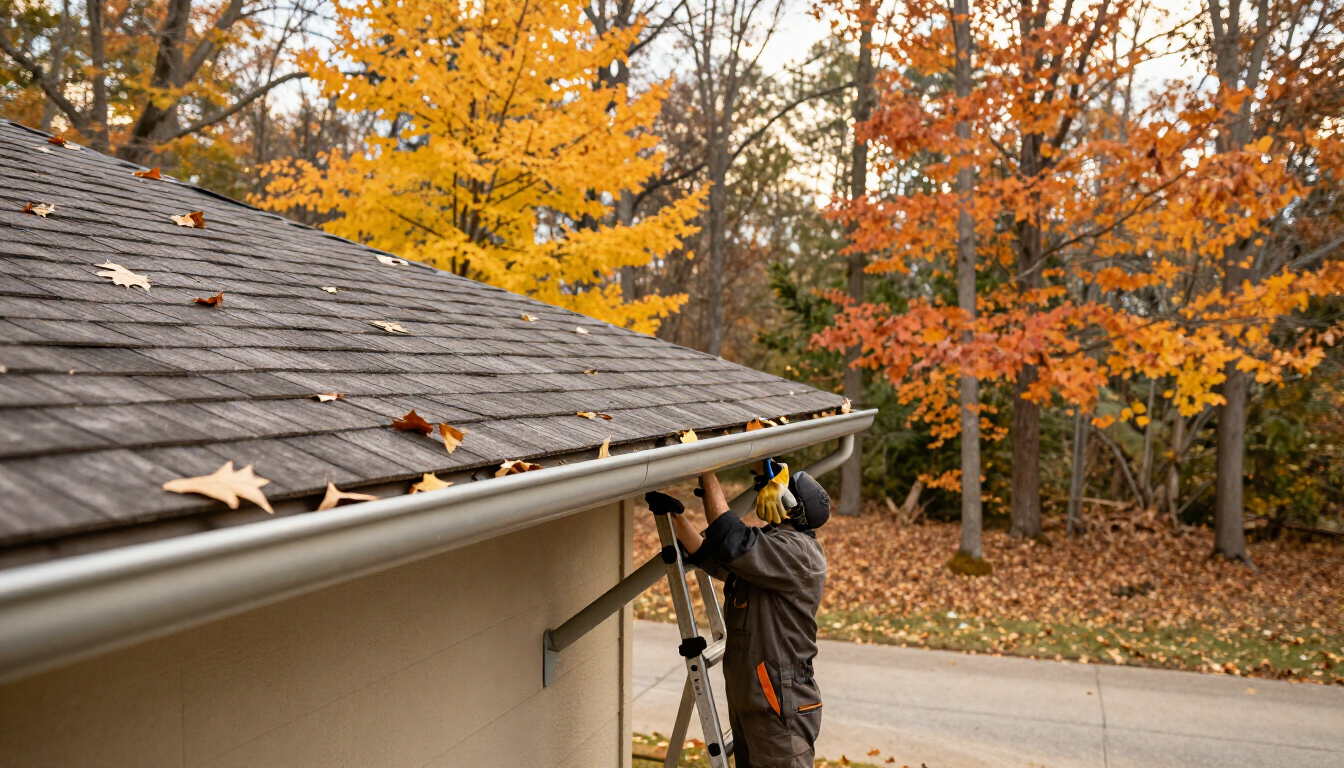
Spotting damage early is key. You don't need to be a roofing expert to do a basic check. Look for anything that seems out of place. From the ground, use binoculars to scan your roof. Are any shingles missing, cracked, or curling up at the edges? You might also notice areas where the little granules that protect the shingles look like they've washed away, leaving darker patches. Also, keep an eye on your gutters – if they're full of leaves and debris, water can't drain properly, which is a big problem waiting to happen.
Key Winter Weather Threats to North Georgia Roofs
Even though North Georgia winters aren't usually brutal like up north, our roofs still get put through the wringer. We deal with a mix of wet weather, sudden cold snaps, and strong winds that can cause sneaky damage. It's not always about snow; sometimes, it's the combination of rain and freezing temperatures that really does a number on your home.
Here are some of the main culprits that can mess with your roof during the winter months:
Freeze-Thaw Cycles and Expanding Cracks
This is a big one for us. When water gets into tiny cracks in your shingles or sealant, it freezes and expands. Then, when the temperature goes up, it thaws and contracts. This constant back-and-forth puts a lot of stress on your roofing materials. Over time, those little cracks get bigger and bigger, making it easier for water to seep in. It’s like a slow-motion attack on your roof’s integrity.
Heavy Rain and Wind Intrusion
North Georgia gets its fair share of heavy rain, and winter storms can bring some serious downpours. When combined with strong winds, this rain can get forced under shingles, especially if they're already a bit loose or damaged. This is where you start seeing leaks, often in places you wouldn't expect. Wind can also lift shingles, creating openings for water to get in. We've seen how quickly a strong gust can cause problems, especially if your roof isn't in top shape.
Ice Dams Formation in Milder Climates
This might sound odd for a milder climate, but ice dams can still happen here. It usually occurs when heat escapes from your attic and melts snow or ice on the roof. This meltwater then runs down to the colder eaves and refreezes, creating a dam. Water gets trapped behind this dam and can back up under your shingles, leading to leaks inside your home. Proper attic insulation and ventilation are key to preventing this.
Keeping your attic temperature consistent is a major defense against ice dams. If warm air is constantly escaping your living space into the attic, it's going to melt any snow on the roof, which then refreezes at the edges, creating that damaging dam. It's a cycle that can cause a lot of trouble.
Damage from Fallen Debris and Branches
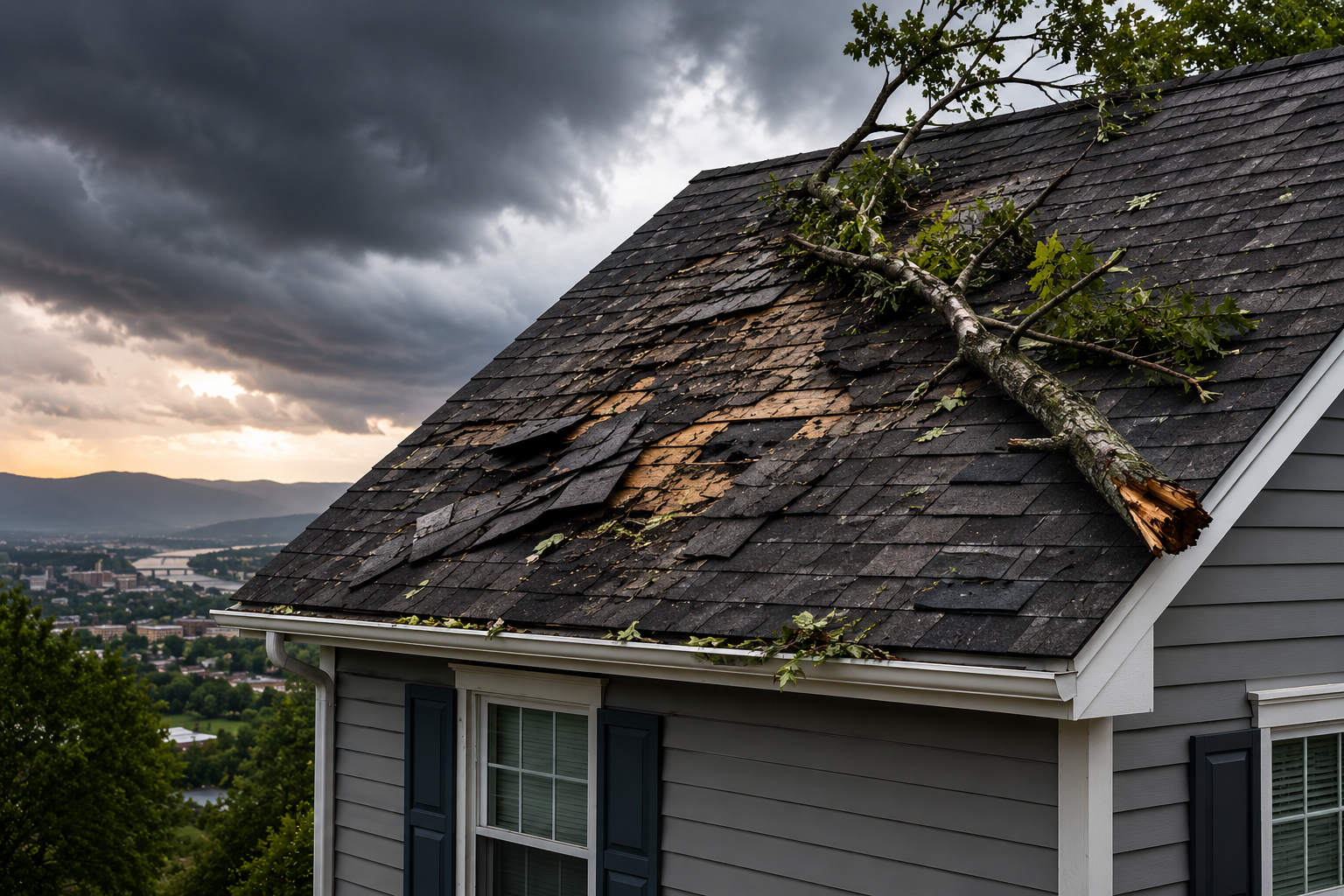
Winter storms often bring down tree limbs and other debris. These falling objects can puncture shingles, crack flashing, or even cause more significant damage if a large branch falls. Even smaller debris can accumulate in gutters and valleys, blocking drainage and leading to water buildup, which then exacerbates other winter weather issues. It's always a good idea to clear away any loose branches or debris from your yard before a big storm hits. You can find tips on storm preparation at [d5f7].
Common Areas Vulnerable to Winter Roof Damage
Even in a milder climate like North Georgia's, winter weather can really take a toll on specific parts of your roof. It's not always about heavy snow; it's often the combination of rain, wind, and temperature swings that causes trouble. Paying attention to these common weak spots can help you catch problems before they get serious.
Shingle Integrity and Granule Loss
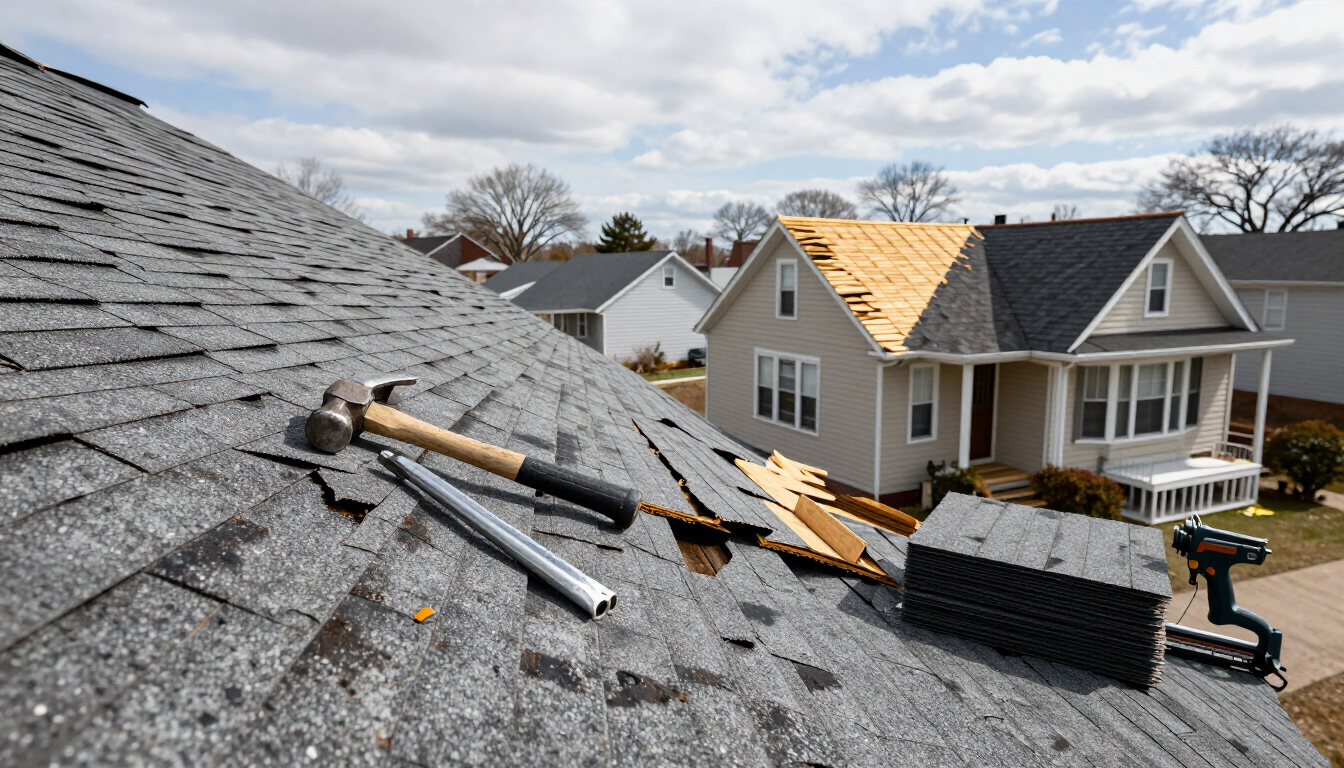
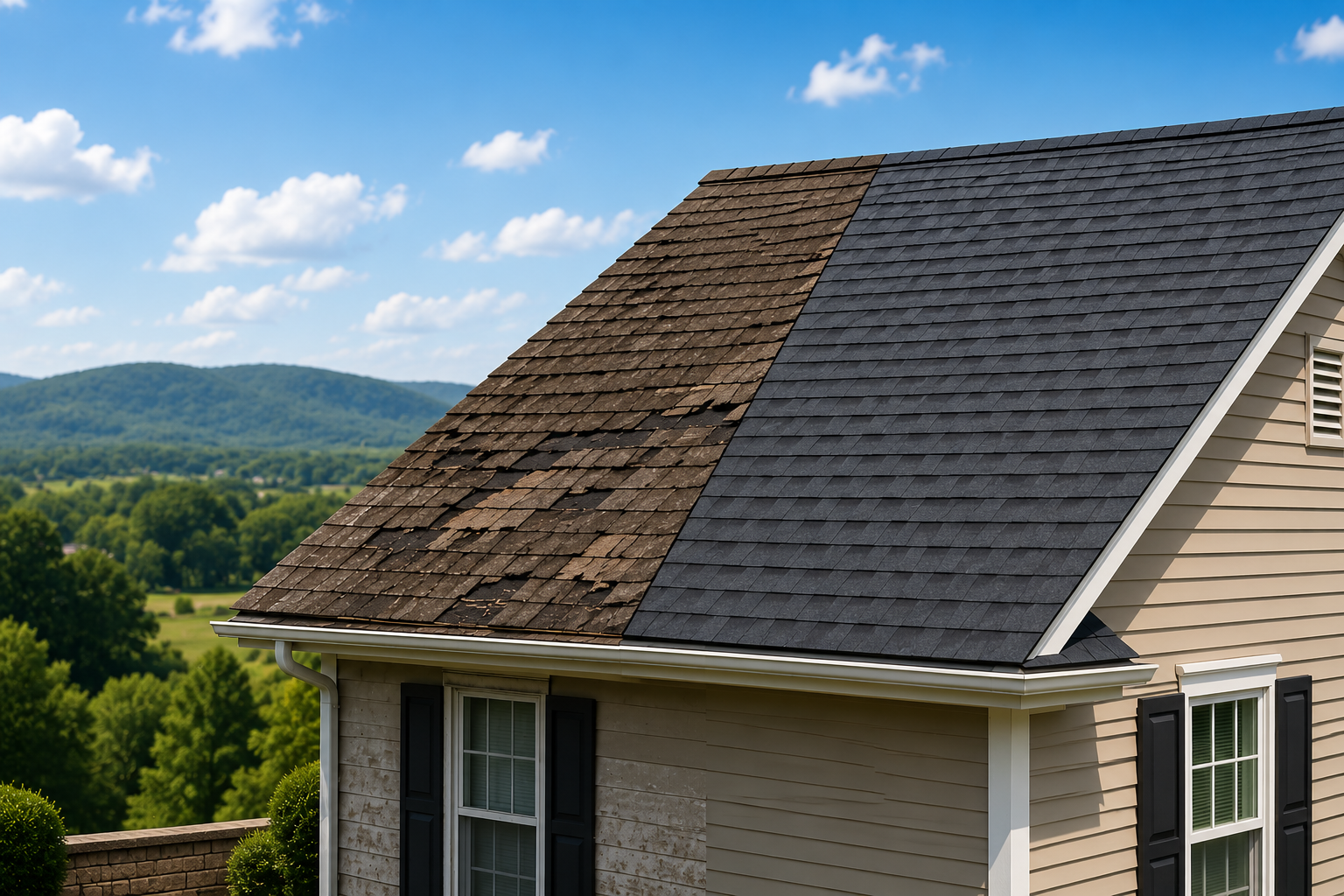
Shingles are your roof's first line of defense, but winter's elements can wear them down. You might notice shingles that are cracked, curled, or even missing entirely after a strong wind. A more subtle sign is granule loss. These tiny granules protect the shingle from UV rays and moisture. If you see a lot of them collecting in your gutters or around your downspouts, it means your shingles are aging or have been damaged, leaving them more exposed to the elements. This can lead to faster deterioration and potential leaks.
Flashing Failures Around Penetrations
Think of flashing as the waterproof seals around anything that pokes through your roof – like vents, chimneys, or skylights. These areas are prime spots for water intrusion. Winter winds can loosen flashing, and freeze-thaw cycles can create tiny gaps. If the sealant around these metal pieces starts to crack or pull away, water can seep underneath, leading to leaks inside your attic or walls. It's a common place for problems to start, especially on older roofs.
Roof Valleys and Drainage Obstructions
Roof valleys are the internal angles where two sloping sides of your roof meet. They're designed to channel water down to your gutters. However, they can easily become clogged with leaves, small branches, or even shingle debris, especially after a windy, wet winter. When water can't drain properly, it can back up and sit on your roof, increasing the risk of leaks and damage to the underlayment. Keeping these areas clear is super important.
Gutter Clogs and Water Backup
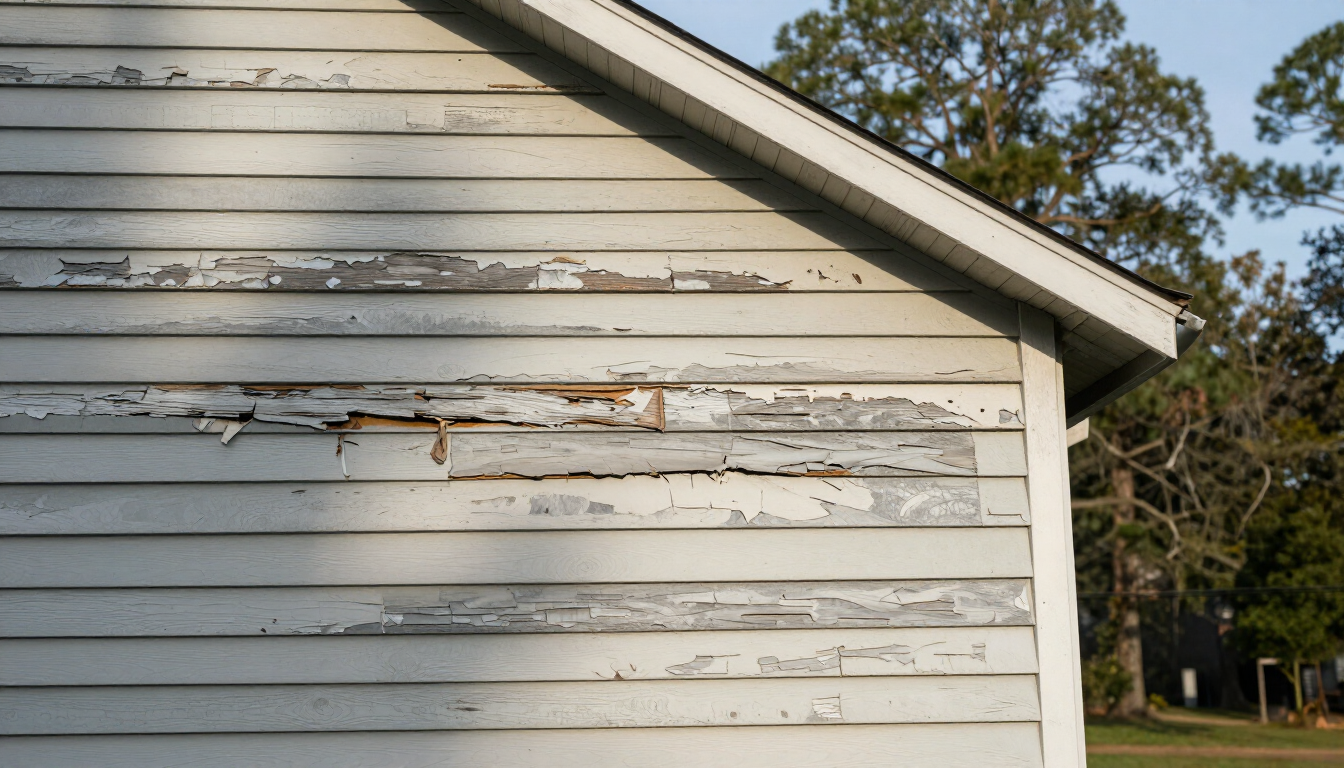
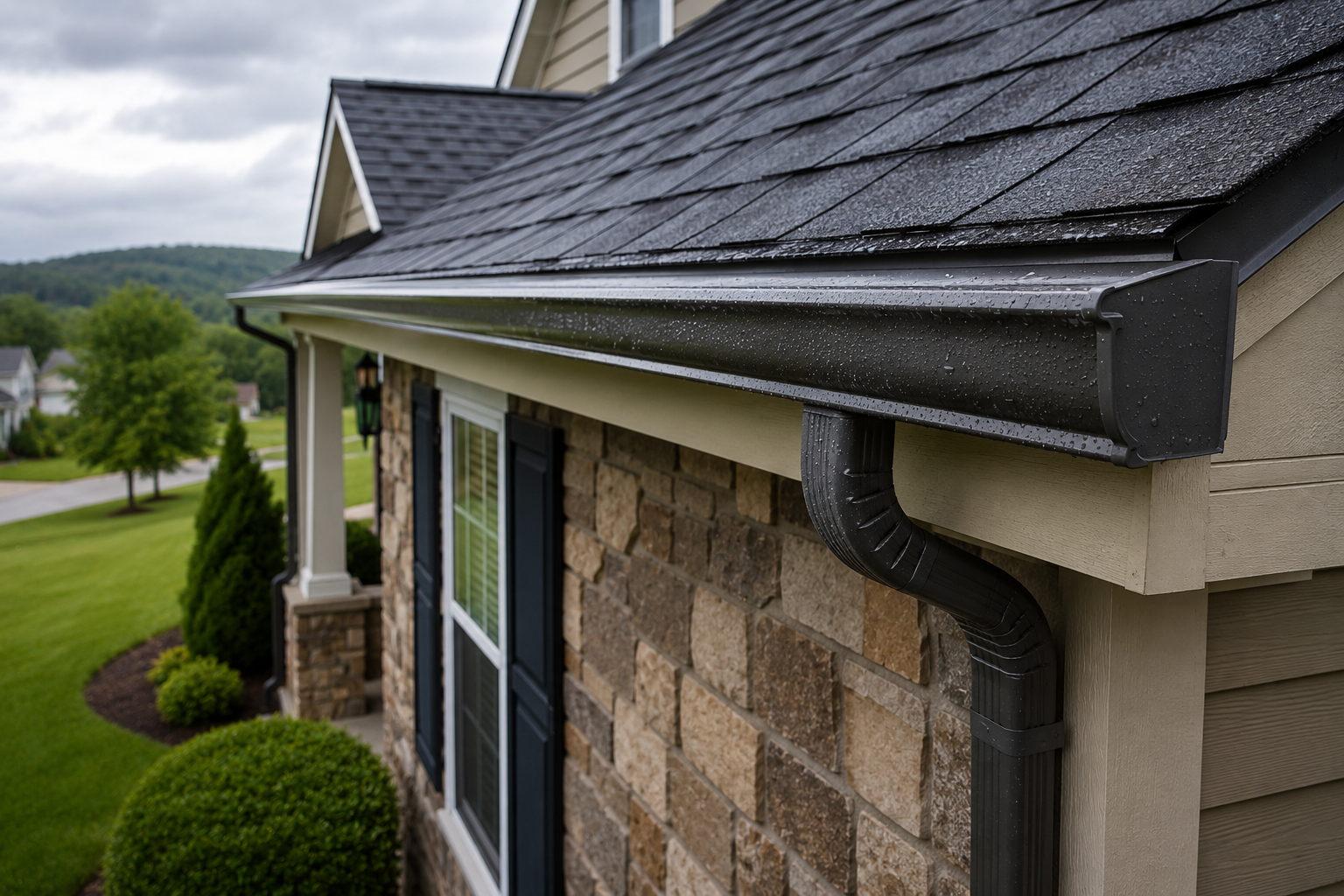
Your gutters and downspouts are supposed to carry water away from your home. But when they get filled with leaves, twigs, and shingle grit, they can't do their job. This blockage causes water to pool, and in colder weather, it can freeze and expand, putting stress on your gutters and roof edges. Worse, the backed-up water can seep under shingles or into fascia boards, causing rot and damage. It’s a chain reaction that starts with a simple clog. A significant winter storm is impacting a large portion of the United States, from Texas across the South, including northern Georgia.
Winter weather, even in the Southeast, can be sneaky. Small issues like loose shingles or clogged gutters can quickly turn into bigger, more expensive problems if not addressed. Regular checks of these vulnerable areas are key to preventing major damage.
Here’s a quick rundown of what to look for:
- Missing or cracked shingles
- Loose or damaged flashing around vents and chimneys
- Debris buildup in roof valleys
- Clogged gutters and downspouts
- Signs of water stains or dampness in the attic
Preventative Measures for Winter Roof Protection
Winter weather in North Georgia can be unpredictable, and even milder seasons can take a toll on your roof. Taking some steps before the cold really sets in can save you a lot of headaches and money down the road. It’s all about being proactive, not reactive, when it comes to keeping your home safe and dry.
The Importance of Regular Roof Inspections
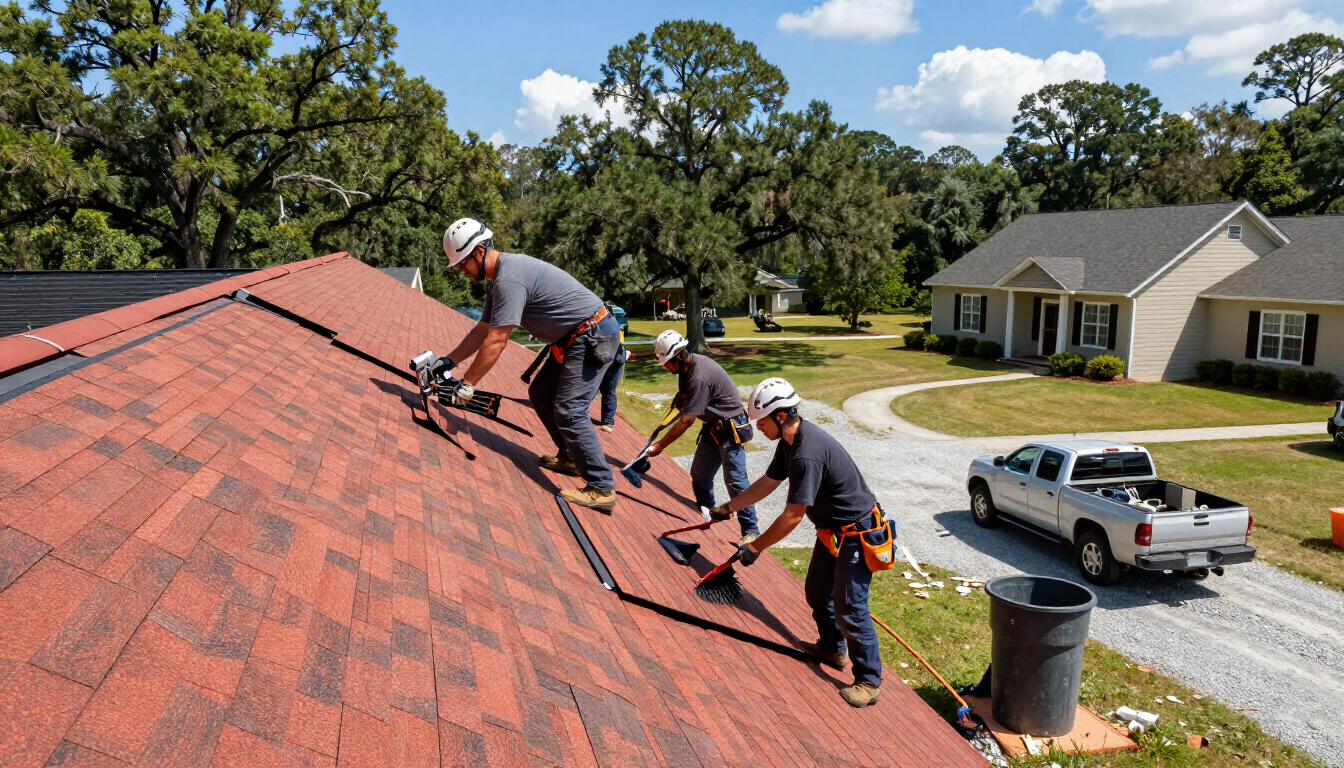
Think of your roof like your car – it needs regular check-ups to keep running smoothly. A professional inspection is your best bet for catching small issues before they turn into big, expensive problems. Roofers know what to look for, even in spots you might miss.
- Catching loose shingles: These can easily lift in the wind and let water underneath.
- Identifying worn flashing: The metal bits around chimneys and vents are prime spots for leaks if they’re not sealed right.
- Spotting potential weak areas: A trained eye can find soft spots or sagging that indicate underlying damage.
A quick look from the ground might not reveal everything. Sometimes, the real trouble is hidden just beneath the surface, waiting for the next heavy rain or strong gust of wind to make itself known. Getting up there to see the full picture is key.
Maintaining Clear Gutters and Downspouts
Clogged gutters are a major culprit for roof problems, especially in winter. When leaves, twigs, and other debris build up, water can’t drain away properly. This can lead to:
- Water backing up onto your roof, potentially seeping under shingles.
- Ice dams forming when water freezes at the roof's edge, causing further damage.
- Increased weight on your gutters, which can cause them to pull away from the house.
Make it a habit to clear out your gutters at least twice a year, and definitely before winter hits hard. It’s a simple task that makes a big difference in how your roof handles rain and melting snow.
Ensuring Proper Attic Insulation and Ventilation
Your attic plays a bigger role in your roof’s health than you might think. Good insulation keeps warm air in your living space, preventing it from escaping into the attic. Proper ventilation allows moisture to escape the attic, stopping condensation that can lead to mold and rot.
- Poor insulation: Lets heat rise, melting snow on the roof which then refreezes at the edge, creating ice dams.
- Lack of ventilation: Traps moisture, which can damage roof decking and insulation over time.
Checking your attic for dampness or mold is a good indicator that something isn't right with your insulation or ventilation system.
Choosing Durable, Weather-Resistant Shingles
When it's time to replace your roof or make repairs, picking the right materials matters. Shingles designed to withstand harsh weather are a smart investment for North Georgia homes. Look for shingles that offer good wind resistance and are less likely to crack or lose granules under stress. While they might cost a bit more upfront, their longevity and ability to protect your home through storms can save you money and worry in the long run. Investing in quality roofing materials is investing in your home's protection.
Addressing Winter Roof Damage North Georgia
So, winter's done a number on your roof, huh? It happens. Even in North Georgia, where we don't always get the harshest snow, the freeze-thaw cycles and heavy rains can really take a toll. The good news is, you're not stuck. There are steps you can take to deal with whatever winter weather has thrown your way.
When to Seek Professional Roofing Assistance
Sometimes, you just know it's time to call in the pros. Trying to fix a big roof problem yourself can be dangerous, and honestly, you might just make it worse. If you're seeing any of these signs, it's probably best to get a roofer out there:
- Obvious leaks: Water stains on your ceiling or walls are a clear sign something's wrong.
- Missing or damaged shingles: If you can see spots where shingles are gone or look like they've been through a war, that's a problem.
- Sagging roof deck: This is a serious one. If a section of your roof looks like it's dipping, it needs immediate attention.
- Ice dams that won't go away: While we touched on preventing them, if you have one now, it needs to be dealt with carefully.
Don't underestimate the risk of working on a roof, especially when it might be wet or icy. Safety first, always.
Documenting Damage for Insurance Claims
If the damage is significant enough that you're thinking about filing an insurance claim, you'll want to have good records. This makes the whole process smoother. Here’s what you should do:
- Take Photos and Videos: Get clear pictures of the damage from different angles. If you can safely get on a ladder (and only if it's safe!), get closer shots. Also, document any water damage inside your home.
- Keep Records: Save any receipts for temporary repairs you might have made to prevent further damage. Also, keep notes on when you first noticed the problem and what you observed.
- Get a Professional Assessment: Your insurance company will likely want their own assessment, but having a report from a reputable roofing contractor can be really helpful.
Prioritizing Safety During Inspections and Repairs
Look, I get it. You want to see what's going on with your roof. But safety has to be the number one thing, especially after a rough winter. Never climb onto a damaged or wet roof without proper safety gear and knowledge. If you're not comfortable or don't have the right equipment, it's better to stay on the ground and use binoculars or call a professional. When professionals come out, they'll have the right harnesses and know how to work safely. It’s just not worth the risk to try and be a hero yourself when it comes to roof repairs.
Winter weather can be tough on roofs in North Georgia. Ice, snow, and strong winds can cause serious problems, leading to leaks and other damage. Don't let a damaged roof ruin your home. Visit our website today to learn more about how we can help fix your roof and keep your home safe and dry all year round.
Don't Let Winter Catch You Off Guard
So, February in North Georgia might not bring blizzards, but it definitely throws some curveballs at your roof. We've seen how freezing temps, sudden rain, and even just the day-to-day temperature swings can weaken shingles and cause hidden problems. It’s easy to forget about the roof when the weather seems mild, but those little issues, like clogged gutters or a few loose shingles, can turn into major leaks and costly repairs once the real storms hit. Taking a little time now to check things over, maybe get a professional to look at it, and clear out any debris can save you a lot of headaches down the road. Your roof is your home's first defense, so let's make sure it's ready for whatever comes next.
Frequently Asked Questions
What are the main ways February weather can harm my roof in North Georgia?
February weather in North Georgia can be tricky. Things like freezing and thawing can make small cracks bigger, heavy rain can sneak under shingles, and ice dams can form and trap water. Also, fallen branches from storms can cause damage.
What is a freeze-thaw cycle and how does it affect my roof?
A freeze-thaw cycle happens when temperatures drop below freezing at night and then warm up during the day. If water gets into tiny cracks on your roof, it freezes and expands, making the cracks larger. This happens over and over, weakening your roof over time.
How can I tell if my roof has been damaged by winter weather?
Look for missing or cracked shingles, shingles that are curling up, or areas where the protective granules seem to be gone. Also, check your gutters for clogs and see if water is backing up. Sometimes, you might notice water stains inside your home, which is a sure sign of a leak.
What are ice dams and how do they form?
Ice dams are ridges of ice that form at the edge of your roof. They happen when heat from your attic melts snow on the roof, and then that water refreezes at the colder edge. This trapped water can then seep under your shingles and cause leaks.
Why is it important to keep my gutters clean during winter?
Clean gutters are super important because they let rainwater and melting snow drain away from your house. If they get clogged with leaves or debris, water can back up onto your roof, get under shingles, or pool around your foundation, causing damage.
When should I call a professional roofer after winter damage?
You should call a professional if you see significant shingle damage, suspect an ice dam, notice water leaks inside your home, or if you're uncomfortable getting on a ladder to inspect the roof yourself. It's always best to let experts handle potentially dangerous inspections and repairs.