How Storm Damage Roof Repairs Work in Georgia & Tennessee (And When to Act)
Summer storms in Georgia and Tennessee can be pretty rough. We get high winds, heavy rain, and sometimes hail, all of which can do a number on your roof. It's easy to think a little damage isn't a big deal, but ignoring it can lead to much bigger, more expensive problems later on. This guide is here to help you figure out what to look for after a storm, why getting a pro to check things out is important, and what to do next if your roof took a hit. We want to make sure you know how to handle storm damage roof repair.
Key Takeaways
- Summer storms in Georgia and Tennessee often bring high winds, hail, and heavy rain that can damage your roof, sometimes in ways you can't see from the ground.
- Watch for signs like missing shingles, granules in your gutters, or water stains inside your home, which indicate potential storm damage roof repair needs.
- Professional roof inspections are vital because they can spot hidden damage that DIY checks might miss and help document issues for insurance.
- When filing an insurance claim for storm damage roof repair, thoroughly document all damage with photos and videos and work closely with your insurance adjuster and chosen contractor.
- Choosing a reputable, local roofing contractor with storm damage experience is key to getting quality repairs and ensuring your roof is protected for the long haul.
Understanding Storm Damage Roof Repair in Georgia & Tennessee
Why Summer Storms Are Hard on Local Roofs
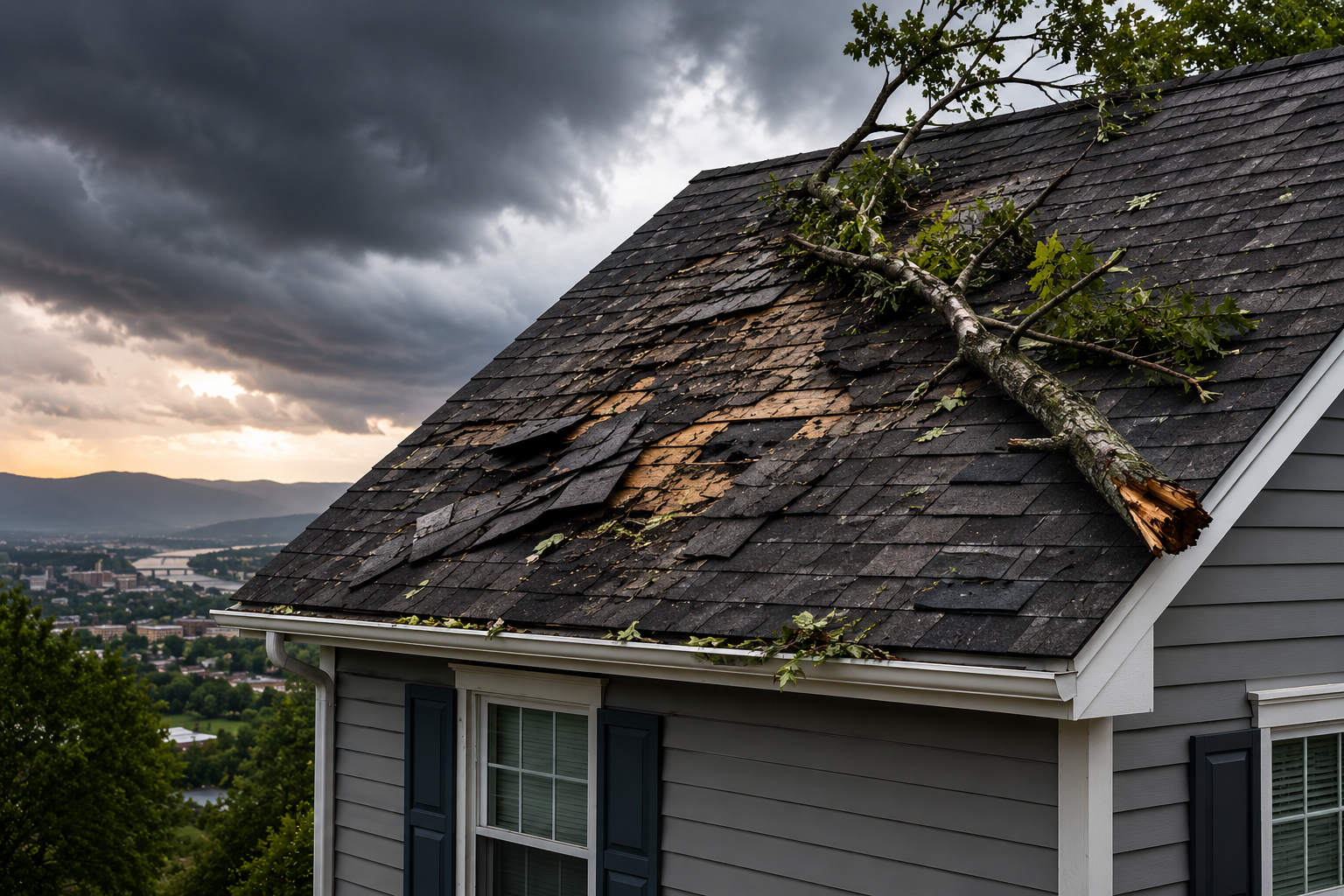
Summer storms in Georgia and Tennessee can be pretty intense. We're talking high winds, heavy rain, and sometimes even hail. These storms hit our roofs hard because they're our home's first line of defense, and they can take a beating. Think about it: winds can lift shingles right off, hail can bruise or crack them, and all that rain can find any tiny opening, leading to leaks. Plus, falling branches are always a risk. A lot of this damage isn't even visible from the ground, but it can weaken your roof over time if you don't catch it.
Common Types of Storm Damage to Roofs
When a storm rolls through, several things can happen to your roof. You might see shingles that are completely missing or just lifted up and out of place. Another common sign, especially after hail, is seeing a lot of those little granules from asphalt shingles collecting in your gutters or downspouts. This means the shingle itself is getting worn down. Sometimes, you might hear flapping sounds during windy days, which usually means something is loose and needs attention. And of course, there are the more obvious signs like visible cracks or dents on the shingles or flashing.
The Importance of Prompt Storm Damage Roof Repair
It's really important to get your roof checked out soon after a storm, even if you don't see obvious problems. Ignoring minor damage can turn into a much bigger, more expensive headache later on. Water can seep into your attic or walls, causing rot and mold. Acting fast can save you a lot of money and hassle in the long run.
Here’s why you shouldn't wait:
- Prevent Further Damage: Small issues like a lifted shingle can quickly lead to leaks and structural problems.
- Avoid Costly Repairs: Early detection and repair are almost always cheaper than fixing extensive water damage or replacing large sections of your roof.
- Maintain Home Value: A well-maintained roof is key to your home's overall condition and value.
Getting a professional inspection after a storm is the best way to know for sure what needs to be done. They can spot things you might miss and help you get the ball rolling on repairs or insurance claims.
If you're dealing with storm damage, getting emergency tarping can be a good first step to protect your home while you figure out the next steps.
Recognizing Signs of Roof Damage After a Storm
After a big storm rolls through Georgia or Tennessee, it's easy to just want to forget about it and move on. But your roof might be telling a different story. Sometimes the damage isn't obvious, and you might not even know there's a problem until much later, which can get expensive. Paying attention to a few key signs can save you a lot of headaches and money down the road.
Visible Indicators of Roof Distress
When you're looking at your house after a storm, what should you be keeping an eye out for? A lot of times, the most obvious signs are right there if you know where to look. Think of it like a quick check-up for your home's hat.
- Missing or Lifted Shingles: This is a big one. High winds can literally rip shingles off your roof or just lift the edges. If you see any bare spots where shingles should be, or shingles that look like they're peeling up, that's a clear sign.
- Granule Loss: Asphalt shingles have tiny granules on them that protect them from the sun. After a storm, especially with hail, you might find a bunch of these granules in your gutters or washed down your downspouts. It looks like coarse sand. This means the shingle is wearing out faster.
- Dents on Metal Surfaces: Hail doesn't just hit shingles. Check your gutters, vent pipes, and flashing around the chimney. Dents or dings on these metal parts often mean the hail was strong enough to damage your roof too.
- Debris in Your Yard: If you find pieces of shingles, bits of metal flashing, or even whole shingles scattered around your yard after a storm, that's a pretty good indicator that something came loose from your roof.
Subtle Clues Requiring Professional Inspection
Sometimes, the damage isn't as easy to spot. It's the stuff you might miss if you're just glancing around. These are the signs that usually mean you need to call in the pros because they require a closer look and some know-how.
- Water Stains or Leaks: Look inside your attic or on your top-floor ceilings. Any new water stains, peeling paint, or even a musty smell could mean water is getting in somewhere it shouldn't.
- Sagging Roof Sections: If you notice any part of your roofline looks like it's dipping or sagging, that's a serious issue. It could mean the underlying structure is damaged or water is pooling.
- Clogged Gutters: Gutters overflowing with water, leaves, or shingle grit mean they aren't working right. This excess water can then run down the sides of your house, damaging the fascia and soffits.
- Mold or Mildew: If moisture gets trapped under damaged shingles or in poorly ventilated areas, mold and mildew can start to grow. This is a sign of persistent dampness.
It's important to remember that even if you don't see obvious damage, the integrity of your roof could still be compromised. Small punctures from hail or wind lifting shingles just enough to break the seal can create entry points for water that aren't immediately visible from the ground. These hidden issues can lead to rot and structural problems over time if not caught early.
Warning Signs Specific to Wind and Hail Events
Wind and hail are the usual suspects when it comes to storm damage here in the Southeast. They cause their own unique set of problems that are worth knowing about.
- Wind Damage: Besides missing shingles, look for shingles that are creased or look like they've been lifted and then slammed back down. Also, check the flashing around chimneys, vents, and skylights. Strong winds can pull this metal away from the roof, creating gaps.
- Hail Damage: Hail can cause circular bruises or cracks on shingles that might not be immediately obvious. Sometimes, it just looks like a dent, but it can break the shingle's protective layer. You might also see dents on your air conditioner unit if it's on the roof, which is another clue.
- Impact Marks: On any roofing material, including shingles, metal, or even tile, look for distinct impact marks. These can be chips, cracks, or deep bruises that weren't there before the storm.
The Crucial Role of Professional Roof Inspections
So, a big storm rolls through, and you're wondering if your roof held up okay. Maybe you peeked out the window, saw some leaves on the ground, and figured it was no big deal. But here's the thing: a lot of storm damage isn't obvious from your living room. That's where getting a pro to take a look really matters.
Why DIY Inspections Aren't Enough
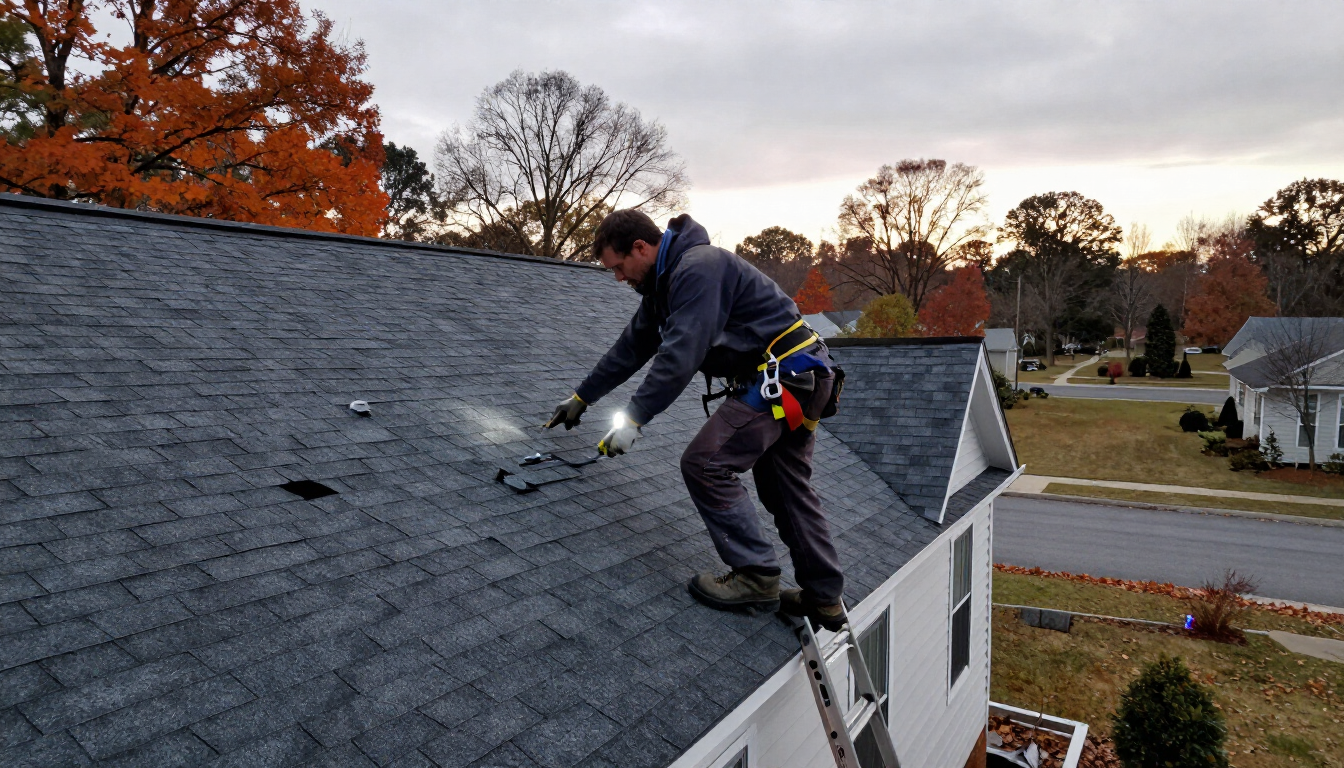
Look, I get it. You might think you can just walk around your house, maybe hop on a ladder (carefully!), and see if anything looks obviously wrong. You might spot a missing shingle or two, or maybe some debris in the gutters. But that's usually just the tip of the iceberg. Small punctures from hail, damage to the flashing around your chimney or vents, or even subtle lifting of shingles can be hard to spot unless you know exactly what you're looking for. Plus, climbing on a storm-damaged roof can be pretty dangerous. There could be loose materials, weakened spots, or even downed power lines nearby you didn't notice.
What to Expect During a Professional Assessment
When you call in a roofer, they're not just going to glance at your roof. They've got a whole checklist. They'll be looking for:
- Shingle condition: Checking for cracks, tears, granule loss, and proper adhesion.
- Flashing integrity: Making sure the metal pieces around chimneys, vents, and skylights are sealed and undamaged.
- Gutters and downspouts: Looking for dents, blockages, or signs of water overflow.
- Ventilation: Ensuring attic vents aren't damaged and airflow isn't compromised.
- Structural signs: Checking for any sagging or warping in the roof deck that might indicate water damage.
They'll often use tools like binoculars or even drones to get a good look without putting themselves at risk. It's a much more thorough job than you can typically do yourself.
How Inspections Aid Insurance Claims
This is a big one. If you need to file an insurance claim, a detailed report from a qualified roofing professional is gold. They know how to document the damage in a way that insurance adjusters understand. They'll take photos, note specific issues, and provide an estimate for repairs. This documentation helps make your case clear and can prevent your claim from being undervalued or denied. It takes a lot of the guesswork and stress out of dealing with the insurance company.
Without a professional inspection, you might miss critical damage that will only get worse over time, leading to bigger problems and higher costs down the road. It's about protecting your investment and your home's safety.
Navigating Insurance Claims for Storm Damage Roof Repair
Dealing with storm damage to your roof is stressful enough without the added headache of insurance claims. But don't worry, it's usually manageable if you know what to do. The key is to be prepared and organized.
Documenting Damage for Your Insurer
This is probably the most important step. Your insurance company will need proof of the damage before they approve any repairs. So, what does that look like?
- Take lots of pictures and videos. Get close-ups of missing shingles, dents from hail, or any other visible issues. Also, take wider shots to show the overall condition of the roof and how it relates to the rest of your house.
- Keep all receipts. If you have to pay for any temporary fixes or initial assessments out-of-pocket, hold onto those bills. They'll be needed for reimbursement.
- Make notes. Jot down when you first noticed the damage, what you observed, and any immediate steps you took. This creates a timeline and a clear record.
Don't try to do anything that feels unsafe. If you see downed power lines or large debris, stay clear. Your safety comes first, always.
Working With Adjusters and Contractors
Once you've got your documentation ready, it's time to involve your insurance company and a roofer. Your insurance company will send an adjuster to assess the damage. It's a good idea to have your chosen roofing contractor present during this inspection. They can point out things the adjuster might miss and speak to the scope of work needed.
- Schedule a joint inspection. Coordinate with both your insurance adjuster and your roofer if possible.
- Let your contractor communicate. They can often speak the same language as the adjuster and advocate for the repairs your roof truly needs.
- Review the adjuster's report. Make sure it accurately reflects the damage and the proposed repair plan.
Understanding Your Policy Coverage
Every insurance policy is a little different, so it's important to know what yours covers. Most policies will cover damage from wind and hail, but there are usually specifics to be aware of.
- Deductibles: Know how much you'll have to pay out-of-pocket before your insurance kicks in.
- Covered Perils: Confirm that storm damage (wind, hail, etc.) is listed as a covered event.
- Replacement Cost vs. Actual Cash Value: Understand if your policy pays to replace damaged items with new ones (Replacement Cost) or if it accounts for depreciation (Actual Cash Value).
Choosing the Right Contractor for Storm Damage Roof Repair
After a big storm rolls through Georgia or Tennessee, the last thing you want is to pick the wrong company to fix your roof. It’s not just about getting the shingles back in place; it’s about making sure your home is protected for whatever the weather throws at it next. Picking a good contractor can feel like a big task, especially when you’re stressed about the damage.
Key Qualities of a Reliable Roofing Professional
When you’re looking for someone to repair your roof, there are a few things that really matter. You want someone who knows what they’re doing and won’t try to take advantage of your situation. Here’s what to keep an eye out for:
- Experience with Storm Damage: Not all roofers are the same. You need someone who has specific experience dealing with the kind of damage storms cause in our area, like high winds and hail.
- Good Reviews and References: See what other homeowners in your area have said. A company with a solid history of happy customers is usually a safe bet.
- Proper Licensing and Insurance: This is non-negotiable. Make sure they are licensed to work in Georgia and Tennessee and have insurance to cover any accidents.
- Clear Communication: They should be able to explain the damage, the repair process, and the costs in a way you can easily understand.
Local Expertise in Georgia and Tennessee Weather
Roofing isn't a one-size-fits-all job, especially when you consider the different kinds of storms we get here. A contractor who works locally knows the specific challenges that roofs in Georgia and Tennessee face. They understand:
- The typical wind speeds common in our regions.
- How hail impacts different roofing materials.
- The best materials and techniques to stand up to our local climate.
A contractor familiar with local building codes and weather patterns can offer more tailored solutions. They're more likely to know which materials hold up best against our specific storm threats and can often respond faster because they're already in the area.
Ensuring Quality Workmanship and Materials
Ultimately, you want a repair that lasts. This means the contractor needs to use good materials and do the work right the first time. Ask about:
- The types of shingles or materials they plan to use and their warranties.
- Their process for securing new materials to prevent future uplift.
- Whether they offer a workmanship warranty on top of the manufacturer's warranty for materials.
Don't be afraid to ask questions. A reputable contractor will be happy to explain everything and show you proof of their qualifications. Getting multiple quotes can also help you compare prices and approaches.
The Repair Process for Storm-Damaged Roofs
After a storm rolls through, dealing with roof damage can feel like a big headache. But don't worry, there's a pretty straightforward process to get things fixed up. The main goal is to stop any further damage and get your roof back in good shape.
Temporary Protection and Emergency Repairs
Sometimes, the damage is bad enough that you need to act fast to prevent more problems. This is where emergency repairs come in. Think of it like putting a bandage on a wound to stop the bleeding.
- Covering holes: If shingles are missing or there's a hole, a tarp might be thrown over the area to keep rain out.
- Securing loose materials: Any shingles or flashing that are flapping around might be temporarily nailed down.
- Water diversion: Sometimes, gutters or downspouts might be damaged, and temporary measures are needed to guide water away from the house.
The most important thing right now is to keep water from getting inside your home. This can prevent mold, rot, and further structural issues.
These initial steps are all about damage control. They're not meant to be permanent fixes, but they are absolutely critical for protecting your home's interior and structure from the elements while you wait for the full repair.
Comprehensive Repair and Replacement Strategies
Once the immediate emergency is handled, it's time for the real work. This is where a professional roofer comes in to assess the full extent of the damage and figure out the best plan.
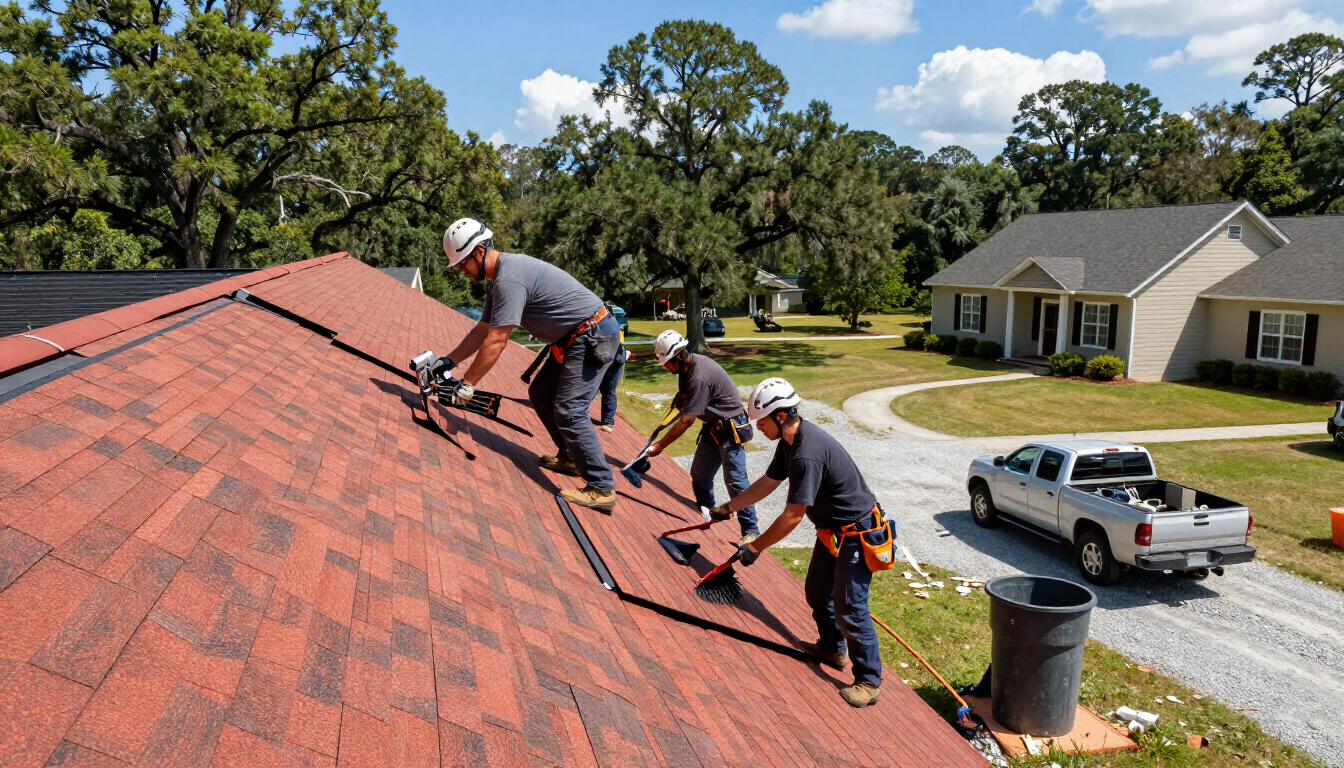
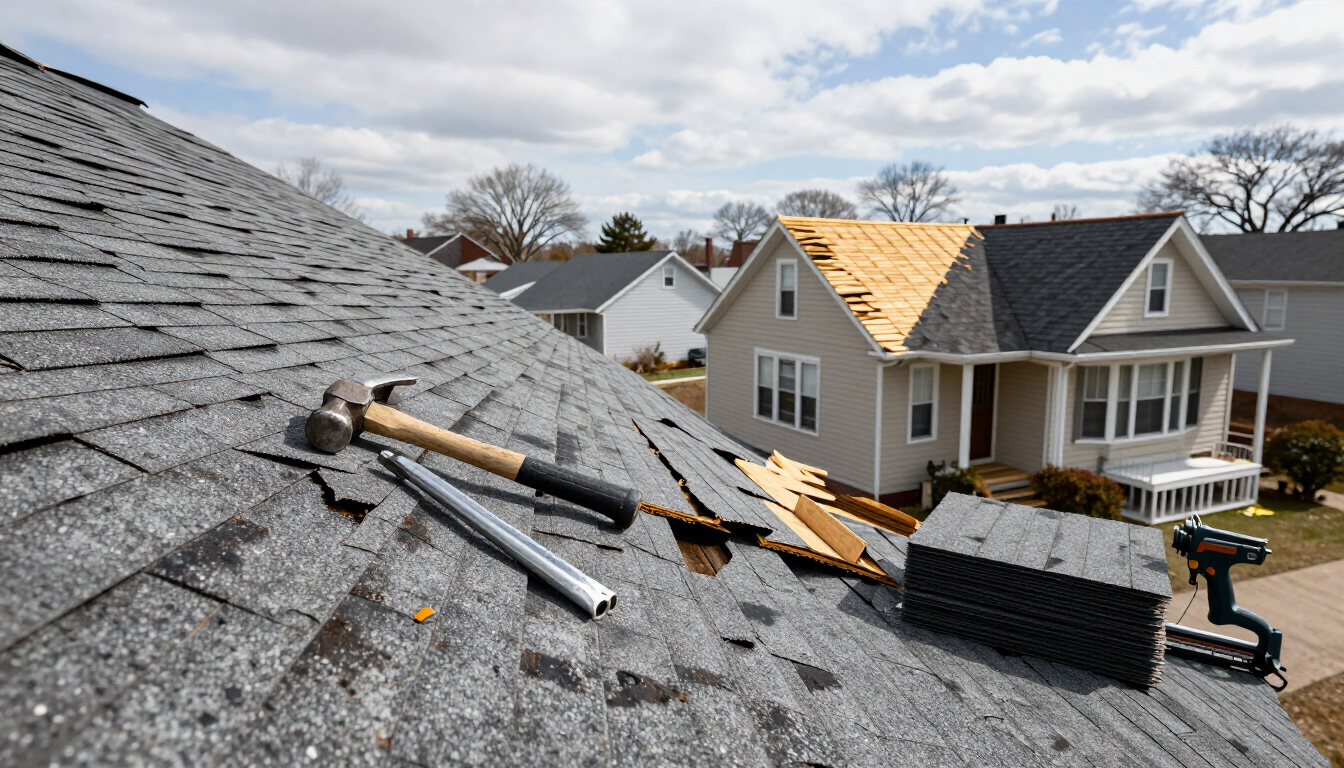
- Shingle replacement: If only a few shingles are damaged or missing, they'll be replaced with new ones that match your existing roof as closely as possible.
- Flashing repair or replacement: The metal pieces around chimneys, vents, and skylights are often damaged by wind. These need to be properly sealed or replaced to prevent leaks.
- Underlayment inspection: Sometimes, the damage goes deeper than the shingles. The underlayment (the material beneath the shingles) will be checked for tears or holes.
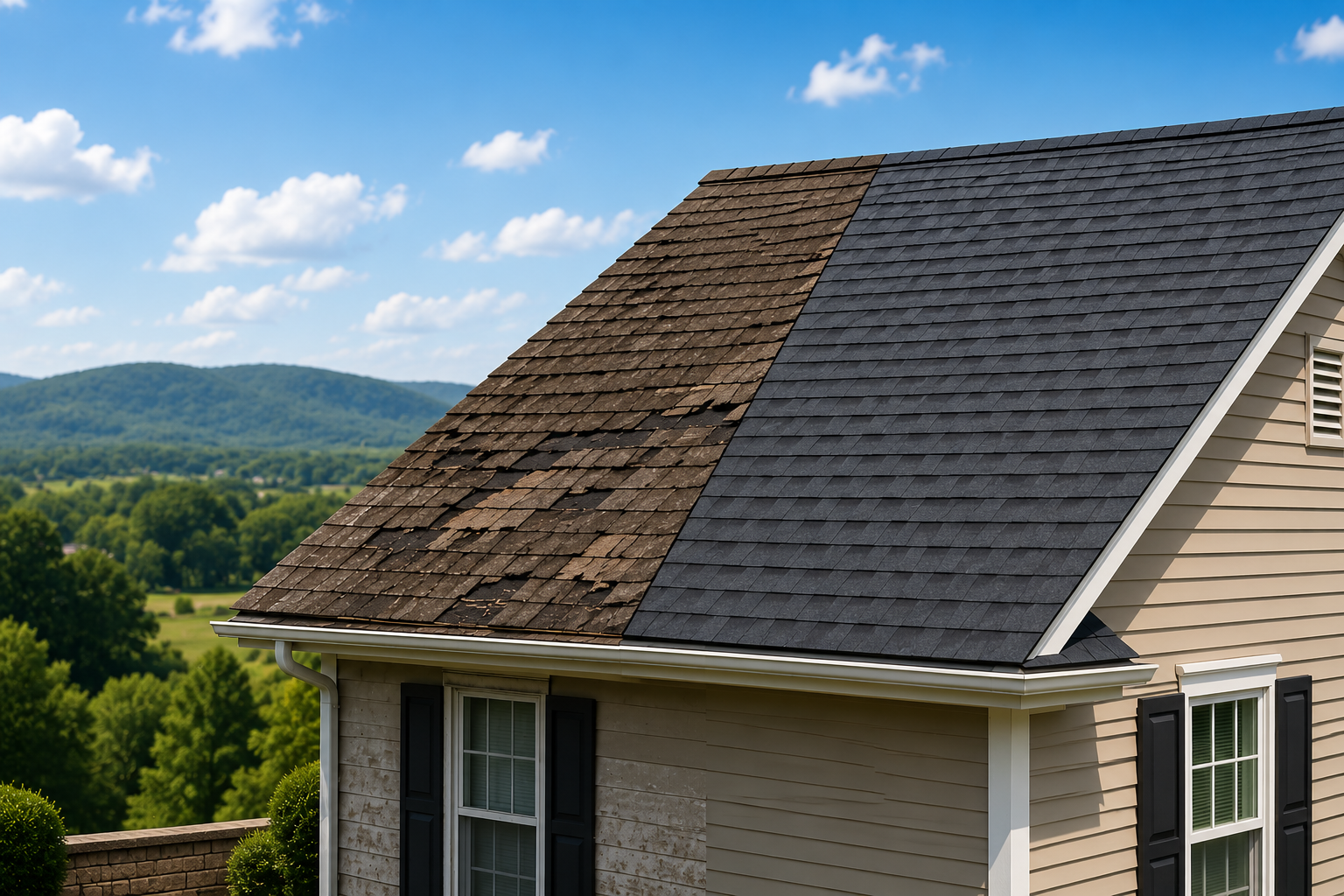
- Partial or full roof replacement: In cases of severe damage, like widespread shingle loss or structural issues, a larger section or even the entire roof might need to be replaced.
Restoring Your Roof's Integrity and Longevity
Getting your roof repaired isn't just about fixing what's broken; it's about making sure your roof can handle future storms. A good repair job means your roof will last longer and protect your home effectively.
- Using quality materials: Reputable contractors will use durable materials that meet or exceed local building codes.
- Proper installation techniques: The way new materials are installed is just as important as the materials themselves. This includes correct nailing patterns and sealing.
- Warranty coverage: Most repairs and replacements come with a warranty, giving you peace of mind.
The goal is to restore your roof to its pre-storm condition, or even better, making it more resilient for the future.
Preventing Future Storm Damage to Your Roof
Look, nobody wants to deal with roof repairs, especially after a storm has already caused a headache. But taking some steps now can save you a lot of trouble down the road. It’s all about making your roof tougher and catching small issues before they turn into big, expensive problems.
Proactive Maintenance for Roof Resilience
Think of regular roof maintenance like taking your car in for oil changes. You wouldn't wait for the engine to seize up, right? Your roof needs similar attention. Keeping up with it means your roof can handle whatever Mother Nature throws at it.
Here’s what you should be doing:
- Regular Inspections: Get your roof checked out at least twice a year, and definitely after any major storm. A professional can spot things you might miss, like loose shingles or worn-out seals.
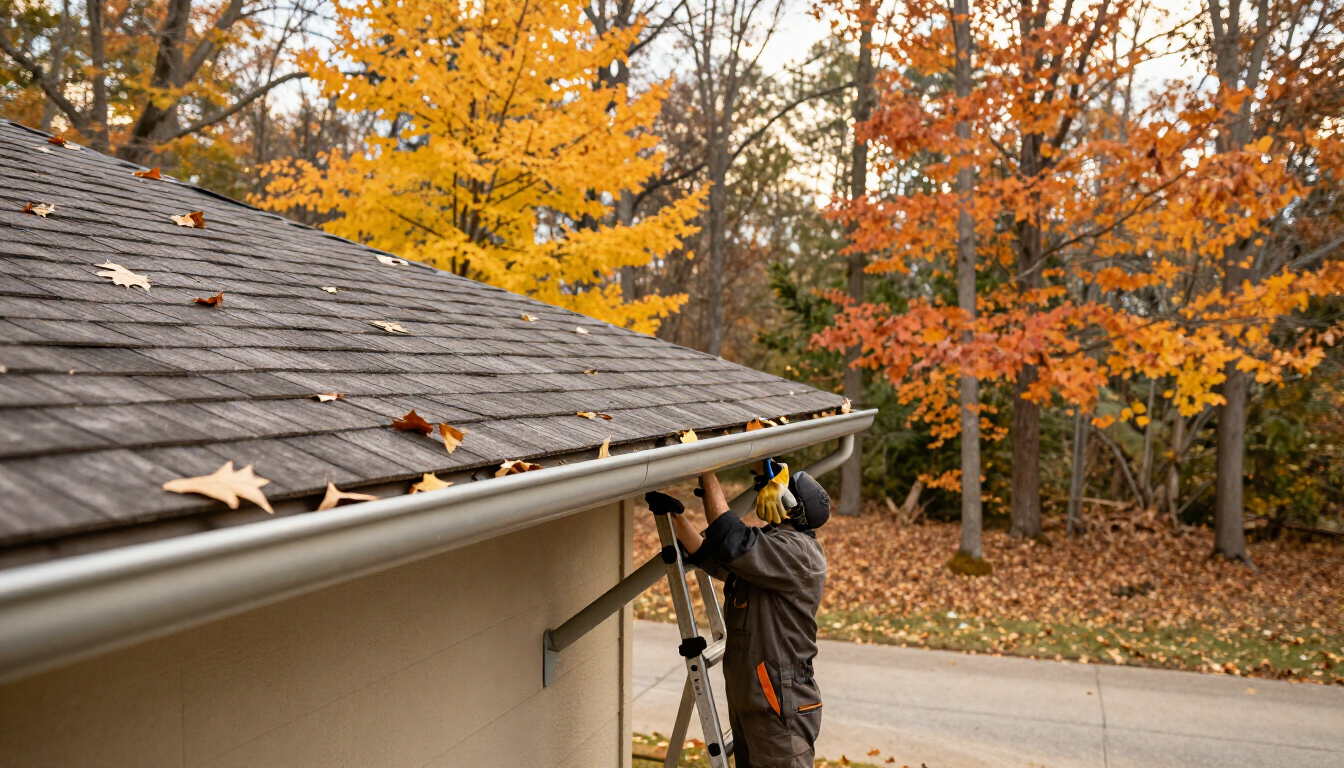
- Gutter Cleaning: Clogged gutters are a real menace. They cause water to back up, which can damage your roof's edge, fascia, and even the foundation. Keep them clear of leaves and debris.
- Trim Overhanging Branches: Trees are nice, but branches that rub against your roof or hang too low can cause damage over time. They can also fall during high winds.
Small issues, like a few missing granules or a slightly lifted shingle, are easy and cheap to fix. Ignoring them is like leaving a tiny crack in a windshield – it’s only going to get worse.
Upgrading to Wind-Resistant Roofing Materials
Sometimes, the best defense is a good offense. If your roof is older or you live in an area prone to high winds, it might be time to think about upgrading your materials. Modern roofing products are designed to withstand a lot more than older ones.
- Impact-Resistant Shingles: These are built to take a beating from hail and wind. They often come with better warranties, too.
- Stronger Fasteners: The way shingles are attached matters. Using more or better-quality nails and sealants can make a big difference in keeping your roof in place during a storm.
- Proper Installation: Even the best materials won't perform well if they aren't installed correctly. Always go with a reputable contractor who knows what they're doing.
Long-Term Benefits of Timely Repairs
Getting storm damage fixed right away isn't just about stopping leaks. It’s an investment in your home. A well-maintained, properly repaired roof does more than just keep the rain out.
- Saves Money: Addressing minor damage prevents it from escalating into costly structural issues or widespread water damage.
- Boosts Home Value: A solid, attractive roof is a major selling point and keeps your property value up.
- Peace of Mind: Knowing your home is protected from the elements lets you sleep better, especially when storms are rolling in.
Want to keep your roof safe from the next big storm? Taking steps now can save you a lot of trouble later. Simple checks and fixes can make a huge difference when bad weather hits. Don't wait for the wind to howl; get your roof ready today! Visit our website to learn more about how we can help protect your home.
Don't Wait, Protect Your Home
Dealing with storm damage to your roof can feel like a big hassle, but acting fast is really the key. Whether it's hail, wind, or heavy rain, those issues won't fix themselves and can lead to even bigger problems later on. Remember to keep an eye out for those warning signs, and don't hesitate to call in the pros for a free inspection. Getting your roof checked out and repaired quickly not only keeps your home safe and sound but also gives you that much-needed peace of mind, especially when another storm rolls in. So, take action, get it fixed right, and keep your home protected.
Frequently Asked Questions
What are the most common ways storms damage roofs in Georgia and Tennessee?
Storms can really mess with your roof! Strong winds can rip off shingles or lift them up, letting water sneak underneath. Hail can crack or bruise shingles, making them weak. Heavy rain can clog up gutters, causing water to back up, and falling branches can poke holes right through your roof.
How soon should I get my roof checked after a storm?
It's best to get your roof looked at within 24 to 72 hours after a big storm. Waiting too long can let small problems turn into much bigger, more expensive ones, like leaks that damage the inside of your house.
Can I check my roof for damage myself, or do I need a professional?
You can definitely look for obvious signs from the ground, like missing shingles or piles of grit from your shingles in the gutters. But for a thorough check, especially for hidden damage or issues on the roof itself, it's always best to have a trained professional do a detailed inspection.
What should I do if I suspect my roof has storm damage and I have homeowner's insurance?
First, take lots of pictures and videos of the damage. Keep any receipts if you have to pay for temporary fixes. Then, contact your insurance company to start a claim. A good roofing contractor can also help you by meeting with the insurance adjuster and making sure all the damage is properly noted.
What makes a roofing contractor good for storm damage repairs?
Look for a contractor who has experience specifically with storm damage repairs in your area. They should be honest, provide clear estimates, offer good warranties, and be willing to help you with your insurance claim. Being local means they understand the weather patterns here, too.
What happens during a professional roof repair after storm damage?
First, they might put up temporary covers, like tarps, to stop immediate leaks. Then, they'll do a full repair, which could mean replacing just a few shingles or, if the damage is bad, replacing the whole roof. The goal is to make your roof strong and safe again.