Is Your Roof Ready for Spring? February Is the Best Time for a Roof Inspection
Spring is just around the corner, and while you're thinking about cleaning out the garage or getting the garden ready, don't forget about your roof. After a rough winter, it's probably seen better days. February is actually a pretty great time to get a professional to take a look before the real spring showers and summer storms hit. It’s way better than waiting until something breaks.
Key Takeaways
- Winter weather can really mess with your roof, causing things like cracked shingles or clogged gutters. Spring is the first good chance to see what damage might have happened.
- Mild spring temperatures are perfect for roof inspections and repairs, making it easier and safer for workers compared to hot summer days or unpredictable fall weather.
- Getting your roof checked in spring helps make sure it can handle the heavy rains and storms that often come with summer.
- Scheduling a roof inspection in early spring means you'll likely have more options for when you can get it done, and maybe even better prices before companies get super busy.
- A spring inspection can also check how well your roof is helping with energy efficiency, especially with warmer months coming up, and finding issues early can prevent bigger, more expensive problems down the road. Finding a good roof inspection near me is the first step.
Prepare Your Roof For Spring's Arrival
After a long, cold winter, your roof has probably seen better days. Snow, ice, and wind can really do a number on shingles and gutters. Spring is the perfect time to take stock and see what kind of damage winter left behind. Getting ahead of any problems now means you can avoid bigger headaches later on.
Assess Winter's Impact On Your Roof
Winter can be tough on any roof. Think about the heavy snow loads, the freeze-thaw cycles that can crack shingles, and the strong winds that might have loosened things up. Now that the worst of winter is over, it's time to really look at what happened.
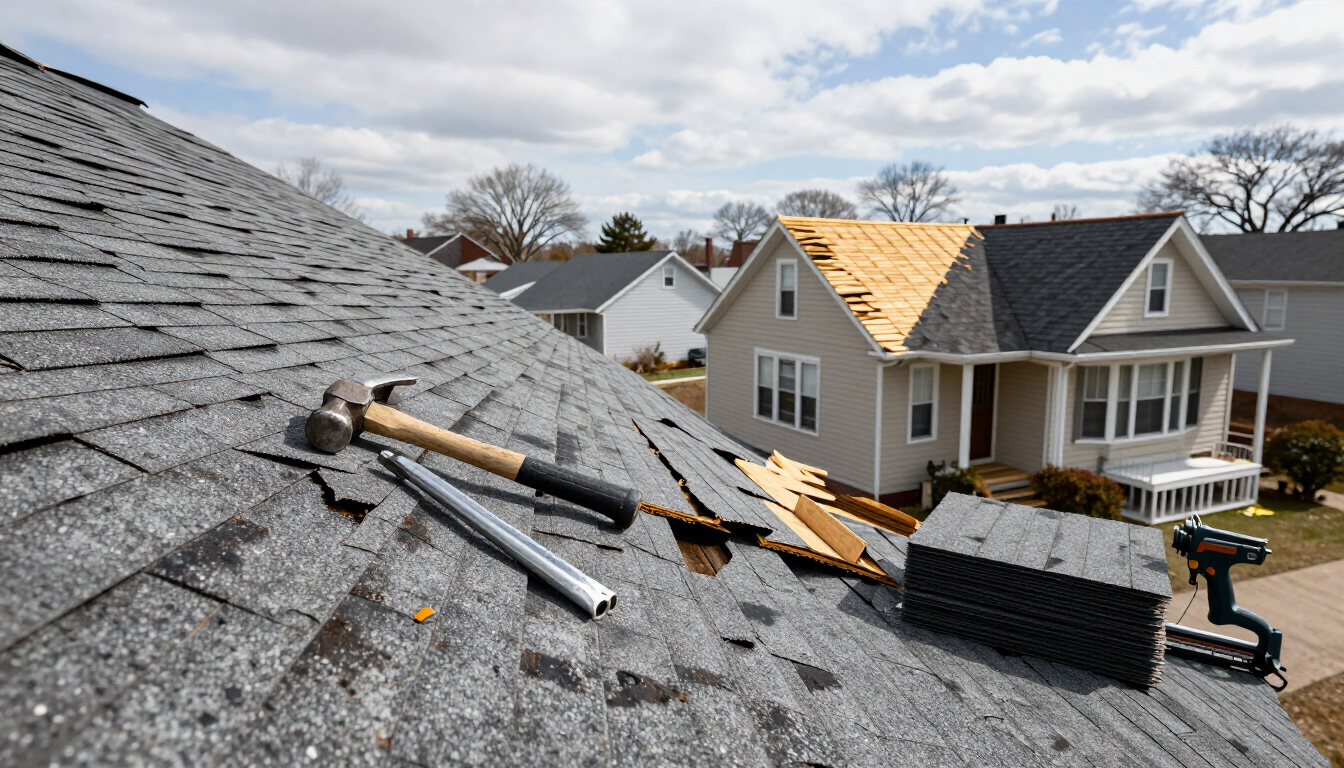
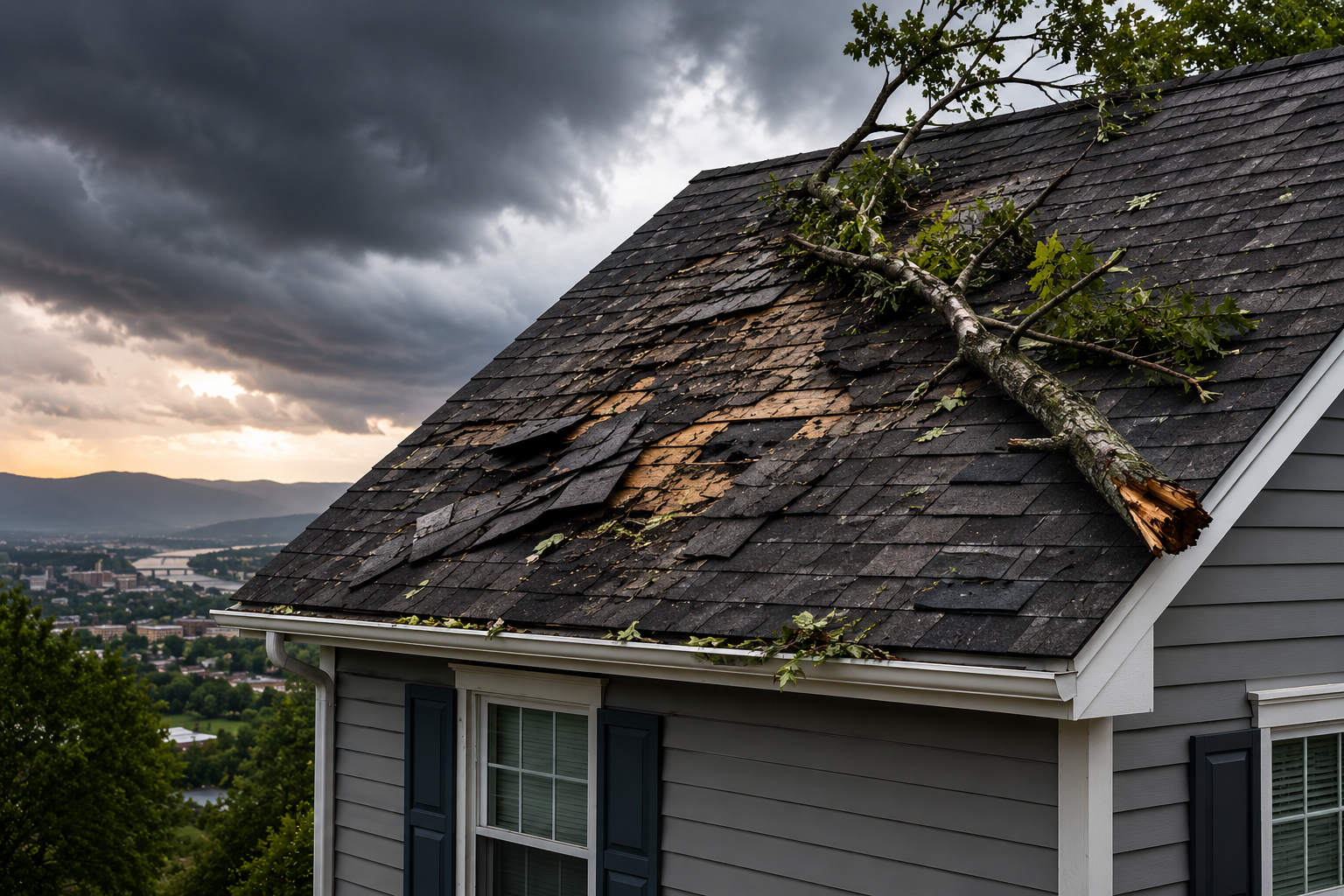
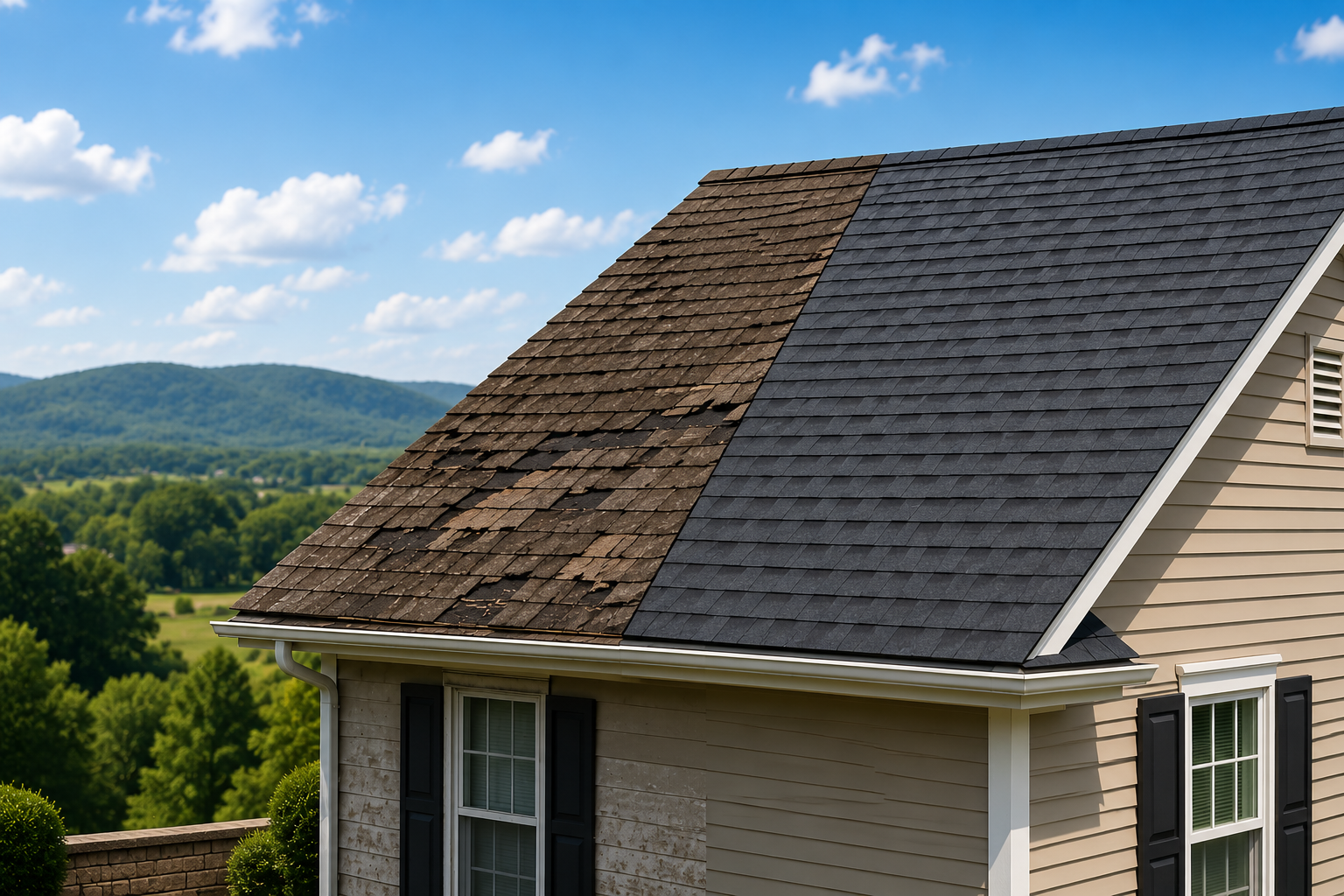
- Shingles: Check for any that are cracked, missing, or curling up at the edges. These are often the first signs of trouble.
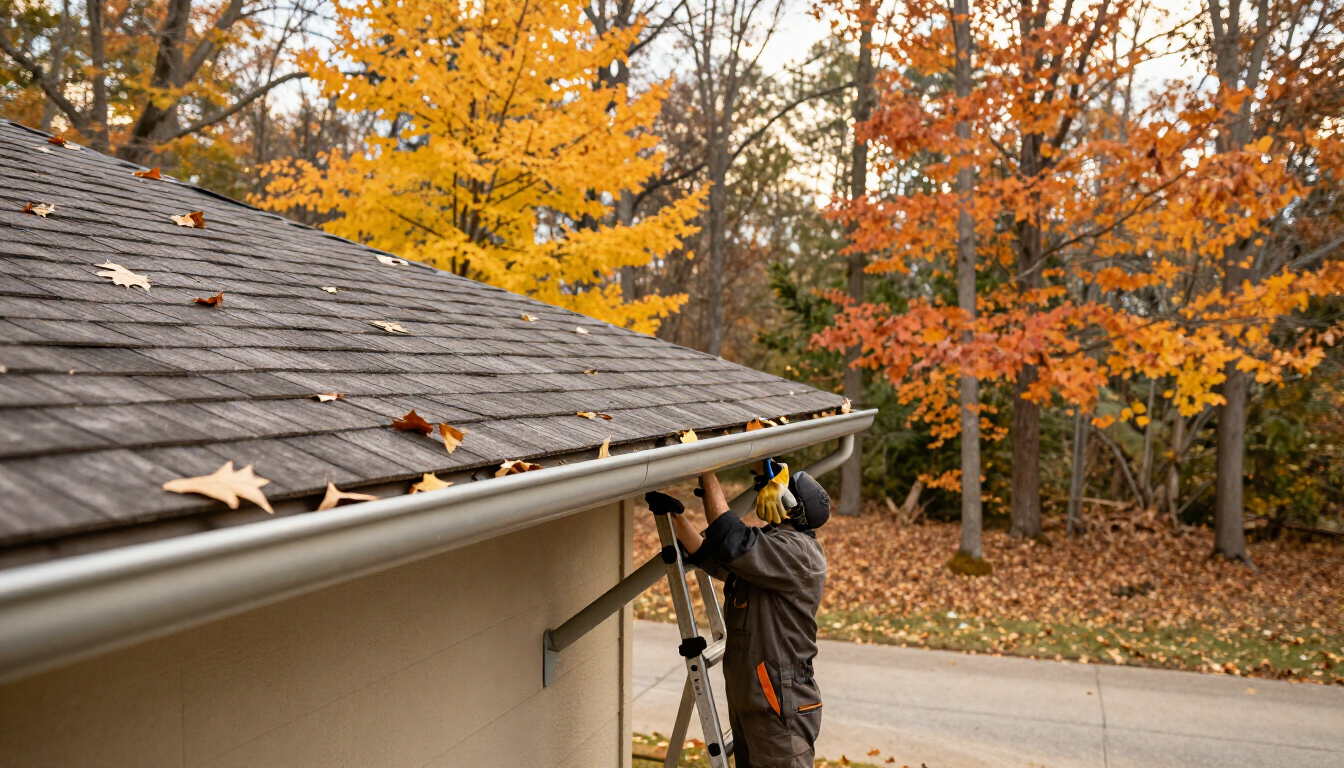
- Gutters and Downspouts: Make sure they're clear of leaves and debris. Clogged gutters can cause water to back up and damage the roof's edge or even the fascia.
- Flashing: Look around chimneys, vents, and skylights. The metal flashing that seals these areas can get damaged or pulled away, creating entry points for water.
- Granule Loss: If you see a lot of shingle granules in your gutters or around your downspouts, it means your shingles are wearing out.
Sometimes, the damage isn't obvious from the ground. It's worth getting up there, or better yet, having a professional take a look. Small issues, like a tiny crack in a shingle, can turn into a big leak if left unchecked.
Leverage Mild Spring Weather For Inspections
Spring weather is usually pretty cooperative for roof work. It's not too hot like summer, and you're generally past the worst of the winter storms. This makes it a lot easier and safer for you or a roofing contractor to get up on the roof and do a thorough check.
- Safer Access: Mild temperatures mean less risk of slipping on ice or dealing with extreme heat.
- Better Visibility: Dry conditions make it easier to spot cracks, loose materials, or signs of wear.
- Contractor Availability: Spring is often before the really busy summer season, so you might find it easier to schedule an inspection and get prompt service.
Ensure Your Roof Withstands Summer Storms
Summer often brings its own set of weather challenges, like heavy rain and thunderstorms. A roof that's in good shape can handle these events without a problem. An inspection now helps make sure your home is protected before the summer storms roll in.
- Prevent Leaks: Catching small issues early can stop water from getting into your attic or home during heavy downpours.
- Structural Integrity: A sound roof structure is vital to withstand wind and rain.
- Peace of Mind: Knowing your roof is ready for whatever summer throws at it is a big relief.
Signs Your Roof Needs Attention
Winter can be pretty rough on your roof, and by the time spring rolls around, you might be seeing some of the damage. It's not always obvious, though. Sometimes, the problems are hiding in plain sight, or they're the kind of thing that sneaks up on you.
Visible Shingle Damage And Deterioration
Take a good look at your shingles from the ground. Are any missing? Do some look curled up or cracked? You might even see dark spots where they've worn away. Another clue is finding a bunch of little granules in your gutters – that's the protective layer of your shingles breaking down. If you're seeing a lot of this, your roof is probably getting old and might not be able to handle another season of storms.
Water Stains And Mold Growth Indicators
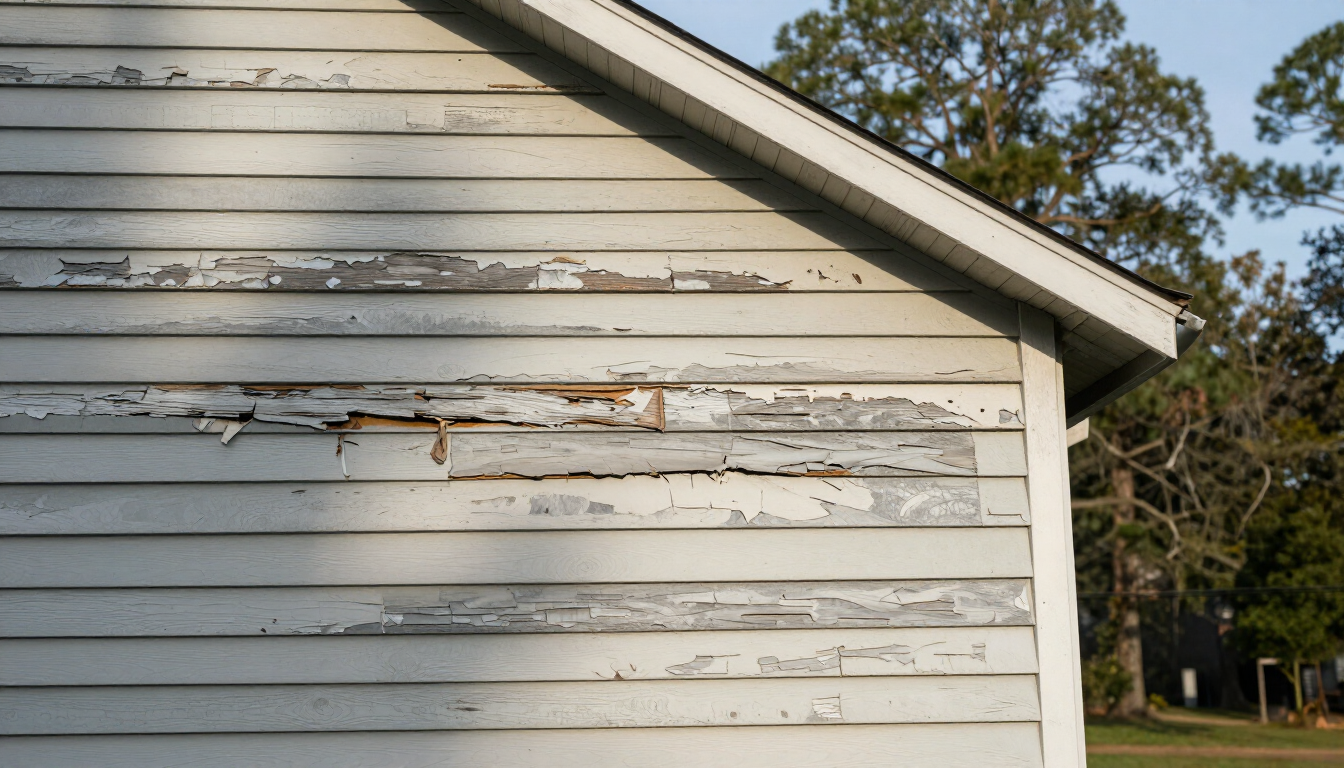
Inside your house, keep an eye out for any water stains on your ceilings or walls, especially after a good rain. Peeling paint or soft spots in the drywall can also be signs of water getting in where it shouldn't. And if you notice a musty smell, that could mean mold or mildew is starting to grow, often due to trapped moisture. This is a pretty clear signal that something's not right up there.
Aging Roofs Require Proactive Care
Roofs don't last forever, you know. Most asphalt shingle roofs are good for about 20 to 25 years. If yours is getting up there in age, even if you don't see obvious leaks right now, it's more vulnerable. Think of it like an older car – it might still run, but it's more likely to break down when you least expect it, especially under stress. Getting it checked out proactively is just smart.
Sometimes, a roof might look okay from a distance, but up close, you can see the wear and tear. Small issues, like a few loose shingles or minor granule loss, can become big problems if left unaddressed. It's better to catch these things early before they lead to leaks or structural damage.
The Benefits Of A Spring Roof Inspection
After a long winter, your roof has probably seen better days. Spring is the perfect time to get it checked out. Catching small problems now can save you a lot of headaches and money down the road. It’s like giving your house a much-needed check-up before the real heat and storms of summer hit.
Early Detection Of Potential Issues
Winter weather can be tough. Ice dams, heavy snow, and strong winds can all do a number on your shingles and flashing. A spring inspection lets you see exactly what kind of damage, if any, occurred. We're talking about things like:
- Cracked or missing shingles
- Loose flashing around chimneys or vents
- Clogged gutters that could cause water backup
- Signs of moss or algae growth starting up
Getting these issues sorted early means you avoid bigger problems, like leaks that can damage your attic or ceilings. It’s all about being proactive.
Improved Scheduling And Contractor Availability
Think about it: everyone wants their roof fixed when it's actively leaking or when the summer sun is beating down. By scheduling your inspection in the spring, you're getting ahead of the rush. This usually means:
- Easier to find a time that works for you.
- Roofing companies are less swamped, so they can give your inspection the attention it deserves.
- Potentially better pricing because it's not peak season.
It’s a smart move to get on the calendar before things get crazy busy. This is especially true if you're looking at a larger job like a roof replacement.
Optimize Your Home's Energy Efficiency
Your roof plays a big part in keeping your home comfortable and your energy bills in check. An inspection can reveal issues that might be making your HVAC system work overtime. For example:
- Poor attic ventilation can trap heat.
- Damaged or missing insulation can let conditioned air escape.
- Gaps or leaks can let outside air in.
Addressing these problems during your spring inspection can make a noticeable difference in how cool your home stays during the summer, and how much you spend on electricity.
A well-maintained roof isn't just about looks; it's a key component of your home's overall health and efficiency. Taking the time for a spring check-up is an investment that pays off in comfort and savings throughout the year.
Professional Roof Inspection Near Me
Why Hire Local Roofing Professionals
When it comes to your home's roof, you want to make sure you're working with people who know the area and understand the specific challenges your roof might face. Hiring local roofing pros means you're likely getting someone who's familiar with our weather patterns and common roofing issues right here. They've probably worked on homes similar to yours, so they have a good idea of what to look for. Plus, it's just easier to get a hold of them if you need follow-up work or have questions later on. They're part of the community, after all.
Understanding Your Roof's Current Condition
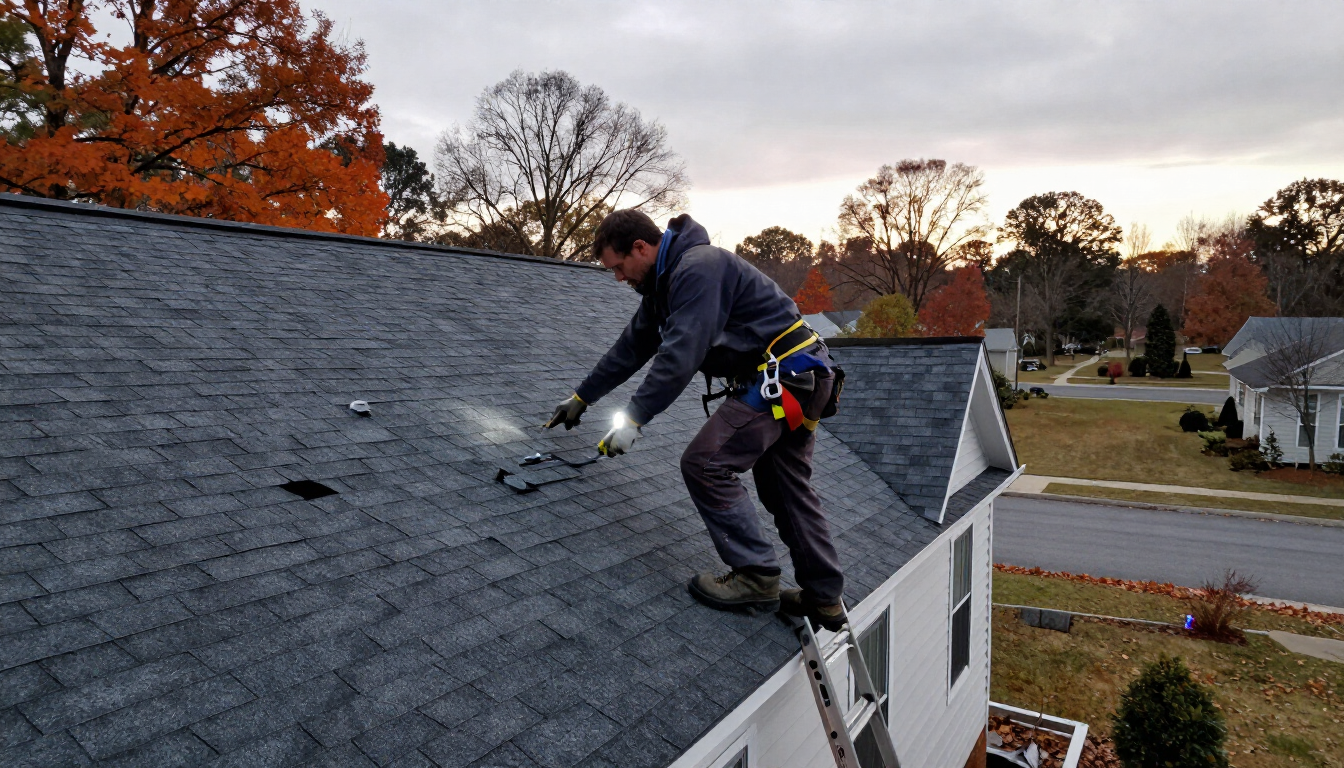
Getting a professional to look at your roof is a smart move, especially before spring really kicks in. They can spot things you might miss, like cracked shingles, loose flashing, or even early signs of moss or algae growth that could cause problems down the line. It's not just about finding damage; it's about understanding the overall health of your roof. A good inspection covers:
- The condition of your shingles (any curling, missing pieces, or granule loss).
- The state of your gutters and downspouts (are they clear and properly attached?).
- Any signs of wear around vents, chimneys, or skylights.
- Potential water pooling areas or soft spots on the roof deck.
This proactive check can save you a lot of headaches and money later.
Get Straight Answers From Experienced Roofers
Sometimes, you just need an honest opinion from someone who knows roofs inside and out. A professional inspection isn't just about finding problems; it's about getting clear information so you can make good decisions. They can tell you if a small repair will do the trick or if it's time to start thinking about a bigger job. You don't want to be pressured into something you don't need, and experienced roofers usually just want to help you protect your home. They can explain what they see in plain terms, so you're not left guessing. If you're looking for a reliable inspection, consider checking out certified home inspection services.
Dealing with roofing issues can feel overwhelming, especially when you're not sure what's actually wrong or how much it might cost. Getting a professional opinion upfront helps clear the air. It gives you a realistic picture of your roof's health and what steps, if any, you need to take. This knowledge is power when it comes to protecting your home and your budget.
Addressing Roof Concerns Before Summer
Summer storms can be brutal, and the last thing you want is for your roof to be the weak link. Taking care of any issues now, while the weather is still mild, is just smart homeownership. It's all about getting ahead of potential problems before they become big, expensive headaches.
Prevent Costly Repairs With Timely Action
Winter's harshness and spring's unpredictable rains can really expose weaknesses in your roof. Ignoring small problems now is like playing with fire – eventually, something's going to get damaged, and the repair bill will be much higher than if you'd just dealt with it earlier. Think about it:
- A few missing shingles might seem minor, but they let water seep underneath, leading to rot in the decking and potential mold growth.
- Cracked sealant around vents or chimneys can allow water intrusion, damaging insulation and even your home's interior.
- Clogged gutters, if left unchecked, can cause water to back up onto your roof's edge, compromising the fascia and soffit.
Catching these small issues during an inspection and fixing them promptly saves you a ton of money and hassle down the road. It's about being proactive, not reactive.
Plan For Roof Replacements In Mild Weather
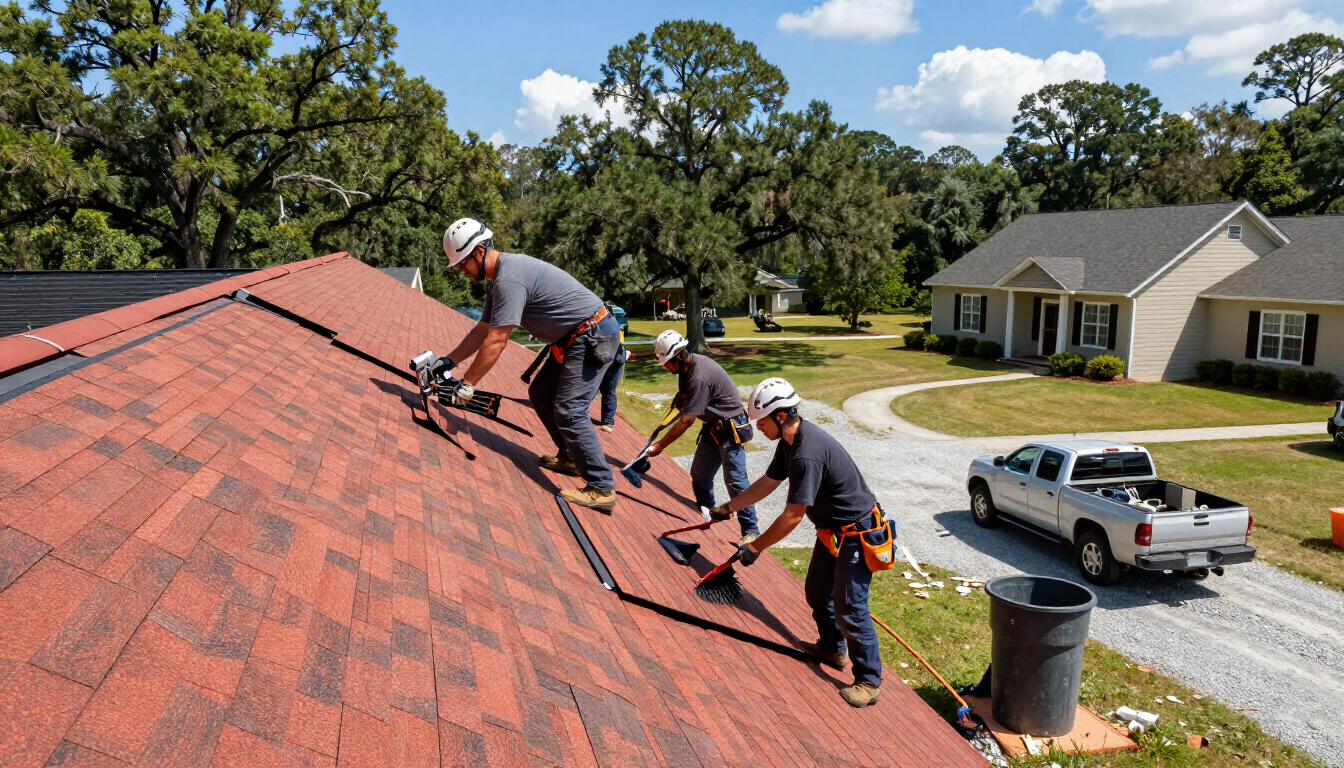
If your roof is getting on in years, or if the inspection reveals significant wear and tear, spring is the ideal time to think about a replacement. The weather is usually cooperative – not too hot, not too cold, and generally less stormy than summer or fall. This makes it easier for roofing crews to work safely and efficiently.
- Scheduling a replacement in spring means you're protected before the heavy rains and potential high winds of summer and hurricane season arrive.
- Mild temperatures are better for the materials themselves, helping them set properly.
- Contractors are often less busy in the spring compared to the peak summer or fall repair seasons, potentially leading to better scheduling options.
Planning a roof replacement is a big undertaking. Doing it in the spring, when the weather is predictable and favorable, makes the entire process smoother and less stressful for everyone involved. It's a strategic move to protect your home.
Protect Your Investment From The Elements
Your roof is one of the most important parts of your home's defense system against the weather. It shields everything inside from sun, rain, wind, and temperature changes. By addressing any roof concerns now, you're essentially reinforcing that defense.
- A well-maintained roof helps keep your home comfortable year-round.
- It prevents water damage, which can lead to mold, rot, and structural issues.
- It contributes to your home's overall curb appeal and property value.
Don't wait for a leaky ceiling or a storm to force your hand. A spring inspection and any necessary follow-up actions are an investment in your home's longevity and your peace of mind.
Seasonal Roof Maintenance Calendar
Spring: Hurricane Prep and Growth Season
Spring is your roof's big check-up time. After winter's rough treatment, it's time to see what damage might have happened. Think cracked shingles or maybe some loose flashing. This is also your prime time to get ready for hurricane season, which kicks off in June.
- Schedule a professional inspection: Get a roofer to check for weak spots that wind could exploit.
- Trim back trees: Branches hanging over your roof can become projectiles in high winds and also encourage algae growth.
- Clean out gutters: Make sure they can handle the heavy rains coming your way. Clogged gutters can cause water to back up and damage your roof's structure.
Proper attic ventilation is key, especially as things heat up. It helps prevent your shingles from getting too hot from below and extends their life.
Fall: Preparing For Winter's Challenges
Once the peak of hurricane season passes, your focus shifts to cleaning up and getting ready for the colder months. This is a major cleanup period.
- Clear debris: Remove leaves, pine needles, and twigs from your roof and gutters. Damp debris can lead to rot and water backup.
- Post-storm assessment: Do another visual check from the ground. Look for any damage you might have missed during the busy storm season.
- Check sealants: Make sure seals around vents, chimneys, and flashing are still in good shape.
Winter: Ideal For Certain Roof Replacements
While spring and fall are generally better for inspections and routine maintenance, winter can actually be a good time for specific roof replacements. If your roof is older or has sustained significant damage, and the weather is mild enough, a replacement can sometimes be scheduled. However, extreme cold can make materials brittle and difficult to work with, so it's not always ideal. Always consult with a professional to determine the best timing for any major work.
Keeping your roof in good shape all year round is super important. Think of it like a yearly to-do list for your house's hat! By doing a little check-up now and then, you can catch small problems before they become big, expensive headaches. Want to know the best times to get your roof checked out? Visit our website for a simple guide to seasonal roof care. We'll help you keep your home safe and sound, no matter the weather.
Don't Wait, Get Your Roof Checked!
So, winter's done its worst, and spring is finally here. It's the perfect time to get that roof looked at. Think of it like giving your house a check-up before the busy summer season really kicks off. Catching small problems now, like a loose shingle or a clogged gutter, can save you a lot of headaches and money down the road. Don't put it off – schedule that inspection and give yourself some peace of mind. Your roof works hard all year, and a little attention in the spring goes a long way.
Frequently Asked Questions
Why is February a good time to check my roof?
February is great because winter's damage is usually visible by then, but the weather is still mild enough for easy and safe inspections. Plus, it's before the busy spring and summer seasons when roofers get booked up.
What are some signs my roof might need fixing?
Look for shingles that are cracked, curled, or missing. Water spots on your ceiling or walls, and mold or moss growing on your roof are also big clues. If your roof is over 20 years old, it's wise to get it checked regularly.
Can a spring inspection really save me money?
Absolutely! Catching small problems early, like a loose shingle or a small leak, prevents them from turning into huge, expensive repairs later. It's all about fixing things before they get worse.
Why should I hire a professional for a roof inspection?
Pros have the experience and tools to spot issues you might miss. They know what to look for, can safely get on your roof, and can give you honest advice on whether you need repairs or a new roof.
How does a roof inspection help with summer storms?
A spring inspection makes sure your roof is strong and ready for summer's heavy rain and winds. This helps prevent leaks and water damage when storms hit, keeping your home safe and dry.
Is spring a good time to replace my whole roof?
Yes, spring is often ideal. The weather is usually mild and dry, which is perfect for installing new roofing materials. It's also before the intense heat of summer or the busy storm season.