Can New Siding Improve Insulation? Big Winter Energy Savings in Dalton & Chickamauga
Thinking about new siding for your home in Dalton or Chickamauga? You might be wondering if it's just about looks or if it can actually help keep your house warmer and lower those winter energy bills. Turns out, new siding can do a lot more than just make your house look good. We're going to break down how updated siding, especially the insulated kind, can make a real difference when the cold weather hits.
Key Takeaways
- New siding can significantly improve your home's insulation, leading to lower heating costs during winter.
- Beyond energy savings, updated siding boosts your home's appearance and can increase its market value.
- Modern siding materials offer better protection against harsh weather and require less maintenance over time.
- Choosing the right siding involves looking at materials, styles, and ensuring professional installation for best results.
- The insulated siding benefits include a more comfortable home interior and reduced strain on your HVAC system.
Understanding Insulated Siding Benefits
When you're thinking about updating your home's exterior, siding is a big part of the picture. It's not just about looks, though that's definitely a plus. New siding can actually do a lot more for your house than you might realize, especially when it comes to keeping things comfortable inside and saving you some cash.
Boosting Home Value With New Siding
Let's face it, the outside of your house is the first thing people see. Old, worn-out siding can make a home look tired and neglected, no matter how nice it is inside. Putting on new siding is like giving your house a fresh coat of paint, but on a much bigger scale. It can really change the whole vibe of your place, making it look more inviting and well-cared-for. This boost in appearance often translates directly into a higher price if you ever decide to sell. Buyers notice a good-looking exterior, and it can make them more willing to overlook other things.
The Role Of Siding In Energy Efficiency
Your siding isn't just a pretty face; it's a key player in how well your home holds onto heat in the winter and stays cool in the summer. Over time, siding can develop small gaps or cracks, especially if it's older or has been through some rough weather. These little openings let the conditioned air from your heating or cooling system escape, and the outside air sneak in. This means your HVAC system has to work overtime constantly, burning through more energy and costing you more on your utility bills. Modern insulated siding is designed with this in mind, acting as a better barrier against temperature changes.
Think of your siding like a cozy blanket for your house. When that blanket gets old and threadbare, it doesn't keep you as warm. New siding, especially the kind with built-in insulation, is like upgrading to a thick, high-quality comforter. It seals up those drafts and keeps your home's temperature much more stable without making your furnace or air conditioner run non-stop.
Reducing Home Maintenance With Modern Siding
Another big win with new siding is how much less work it usually is to keep it looking good. Materials like wood siding can be a real pain, needing regular scraping, painting, and sealing to prevent rot and insect damage. Even older vinyl can fade, crack, or warp over the years. The newer siding options available today are built to last and resist a lot of the common problems. This means you can spend less time worrying about upkeep and more time enjoying your home. It's a nice change to have an exterior that just... works, without demanding constant attention.
Here are a few things to consider regarding maintenance:
- Less Painting: Many modern siding materials don't require painting at all, saving you time and money.
- Durability: They're made to resist fading, cracking, and warping from sun, rain, and temperature swings.
- Easy Cleaning: A simple wash with soap and water is often all that's needed to keep them looking fresh.
Enhanced Home Protection And Appeal
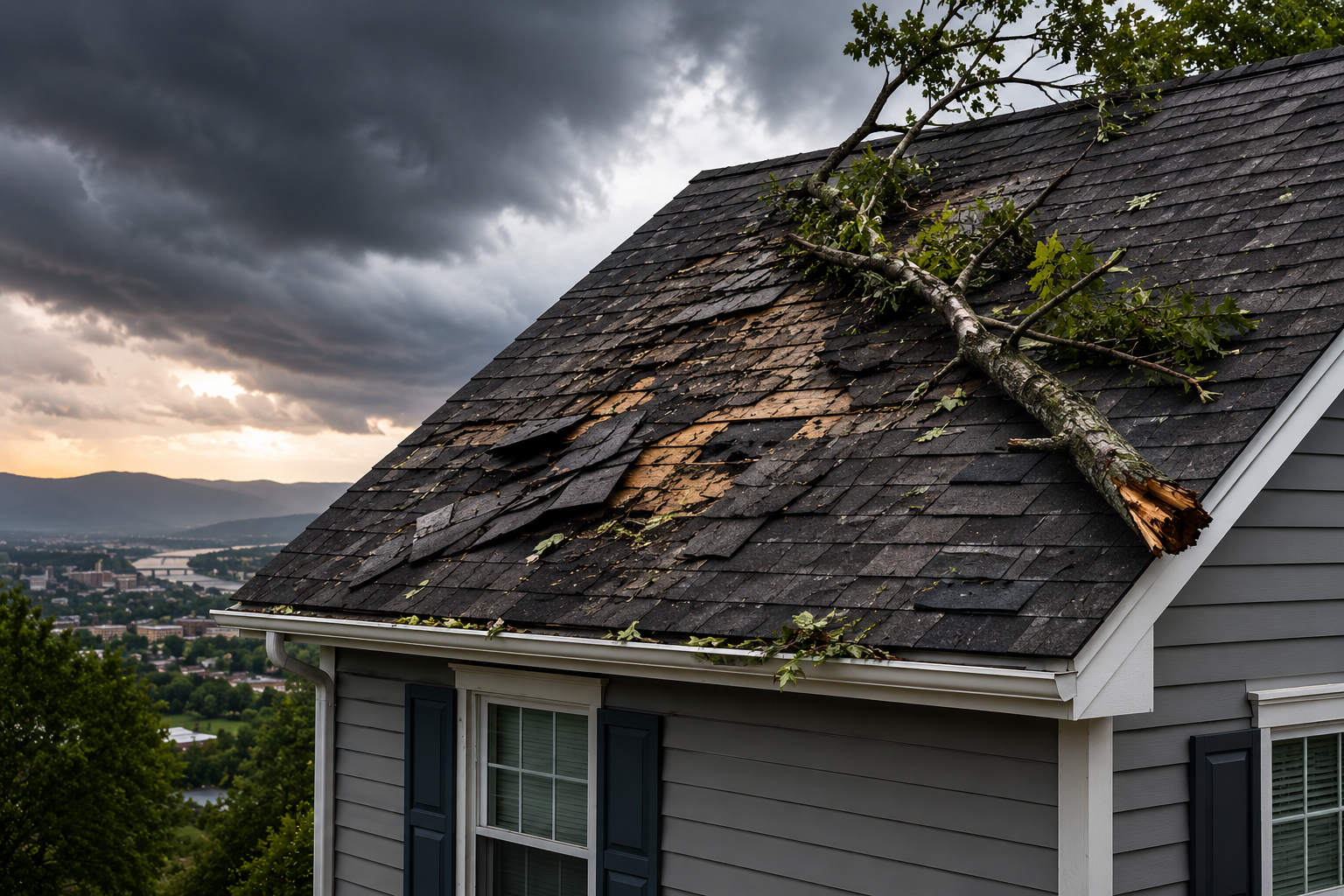
Updating your home's exterior goes way beyond just looks, though that's a big part of it. New siding acts like a shield for your house, keeping it safe from whatever Mother Nature throws at it. Think about it: rain, wind, maybe even some hail – your siding takes the brunt of it all. When it's old or damaged, it can't do its job properly, leaving your home vulnerable.
Improving Curb Appeal With Updated Exteriors
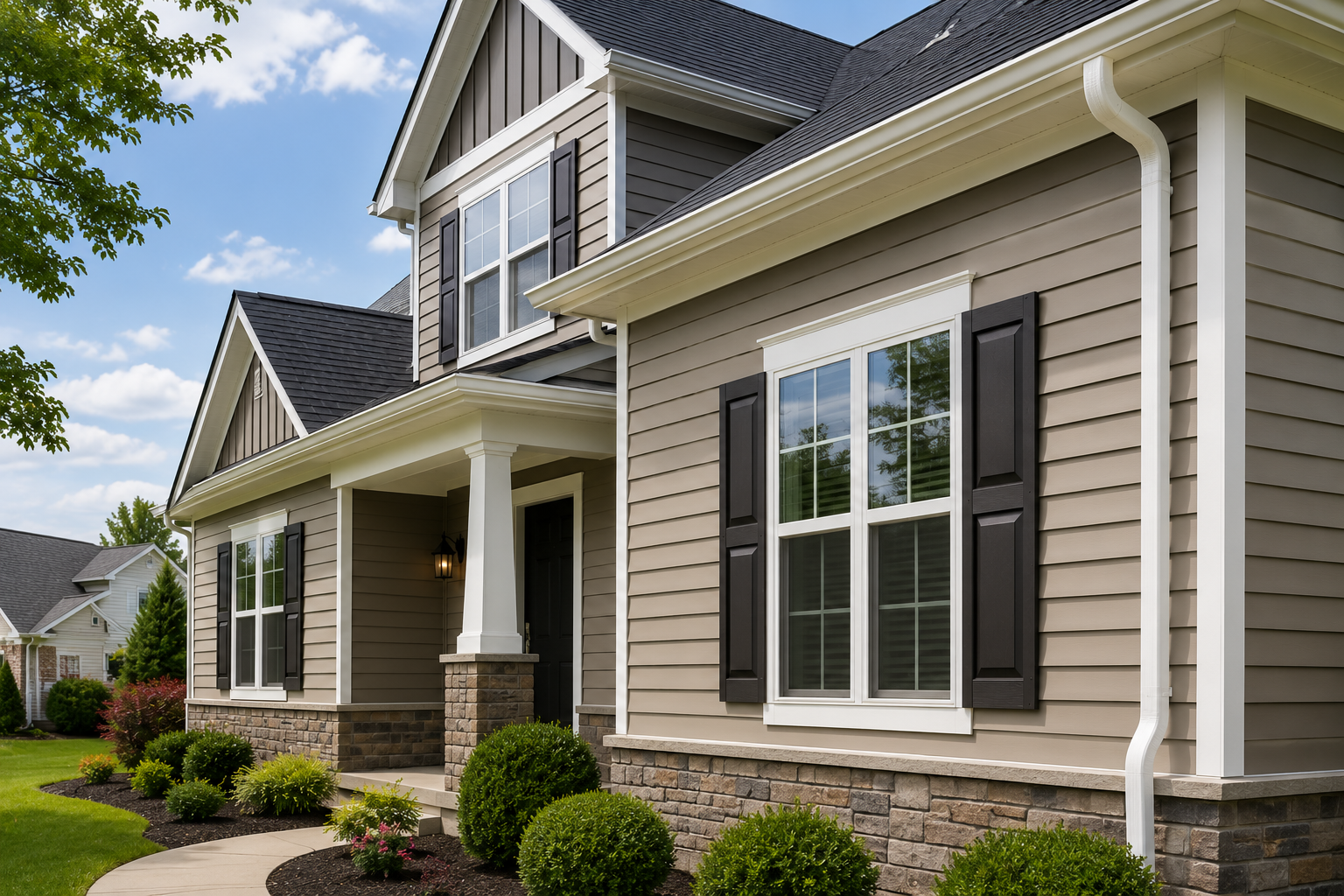
Let's be honest, the outside of your house is the first thing people see. Whether it's neighbors driving by or potential buyers checking it out, that initial impression matters. Old, faded, or cracked siding can make a home look tired and neglected, no matter how nice it is inside. New siding, on the other hand, can completely transform a house. You get a fresh, clean look that really makes your home stand out. Plus, with all the colors and styles available today, you can really give your place some personality.
Increased Durability Against The Elements
Modern siding materials are built tough. They're designed to withstand harsh weather conditions much better than older options. This means less worry about:
- Wind damage that can rip off pieces of siding.
- Water seeping in through cracks and causing bigger problems.
- Sun fading that makes your house look old before its time.
Choosing a durable siding means fewer repairs and a home that stays looking good for years.
When siding starts to fail, it's not just about looks. It can lead to bigger issues like water damage getting into your walls, which can cause mold and rot. This is something you definitely want to avoid, as it can become a much bigger and more expensive problem to fix down the line. Keeping your home's exterior in good shape is key to preventing these hidden troubles.
Healthier Living Through Better Siding
It might not seem obvious, but your siding plays a role in the health of your home's interior. When siding is compromised, it can let in moisture. Trapped moisture is a breeding ground for mold and mildew, which can then spread inside your home. These can cause respiratory problems and allergies for your family. New, well-installed siding creates a better seal, helping to keep your indoor air cleaner and your living environment healthier. It's all about creating a comfortable and safe space for you and your loved ones.
Maximizing Winter Energy Savings In Dalton & Chickamauga
When those chilly Dalton and Chickamauga winters roll around, keeping your home warm without breaking the bank is a big deal. You might be surprised how much your siding plays a role in this. Old, worn-out siding can let drafts sneak in and conditioned air escape, making your heating system work overtime. New siding, especially insulated options, acts like a cozy blanket for your house. It creates a more solid barrier against the cold, meaning your furnace doesn't have to fight as hard to maintain a comfortable temperature.
How New Siding Reduces Heating Costs
Think of your siding as the first line of defense against the weather. When it's cracked, warped, or poorly sealed, heat just walks right out the door – or rather, the wall. New siding, particularly if it has an insulating layer built-in, adds a significant thermal resistance to your home's exterior. This means less heat loss through the walls. It's not just about stopping drafts; it's about creating a more stable indoor environment.
Here's how it helps:
- Reduced Air Leakage: Modern siding systems are designed for tighter seals, preventing warm air from escaping and cold air from entering.
- Improved Thermal Barrier: Insulated siding adds an extra layer that slows down heat transfer, keeping the warmth inside where it belongs.
- Less Reliance on Heating: Because your home retains heat better, your heating system cycles less frequently, saving you money on energy bills.
The Impact Of Siding On Your HVAC System
Your heating, ventilation, and air conditioning (HVAC) system is a major energy consumer in your home. When your siding isn't doing its job, your HVAC system has to work much harder. This constant strain can lead to:
- Increased Wear and Tear: A system that's always running at full blast will likely need repairs sooner and might have a shorter lifespan.
- Higher Energy Bills: More runtime directly translates to higher electricity or gas bills.
- Uneven Temperatures: You might notice cold spots or areas that just never seem to get warm enough, even when the thermostat is set high.
Upgrading your siding can significantly ease the burden on your HVAC system, leading to more consistent comfort and lower operating costs.
Long-Term Savings From Energy-Efficient Siding
While the initial investment in new siding might seem like a lot, the long-term savings are substantial. Beyond just lower heating bills in the winter, energy-efficient siding also helps keep your home cooler in the summer, reducing your air conditioning costs. It's a smart investment that pays dividends year after year. Plus, you get the added benefits of a more comfortable home and increased curb appeal.
Investing in quality siding isn't just about looks; it's a practical step towards making your home more comfortable and affordable to run, especially during those harsh winter months here in Georgia.
Choosing The Right Siding For Your Home
Evaluating Siding Materials and Styles
Picking out new siding can feel like a big decision, and honestly, it is. It's not just about making your house look pretty, though that's a big part of it. You've got a few main types to think about, and each has its own pros and cons. Vinyl is super popular because it's pretty low-maintenance and comes in tons of colors. Then there's fiber cement, which is really tough and can mimic the look of wood without all the upkeep. Wood siding itself is beautiful, but it needs more attention. And don't forget metal, like aluminum or steel, which is super durable.
When you're looking at styles, think about your home's architecture. Do you have a classic farmhouse that would look great with clapboard? Or maybe a modern place that suits a sleek panel style? It's worth taking a look at what's already around your neighborhood too, just to get a feel for what works.
- Vinyl: Affordable, wide color selection, easy to clean.
- Fiber Cement: Durable, fire-resistant, can look like wood.
- Wood: Natural beauty, requires regular maintenance.
- Metal: Very strong, long-lasting, can be more expensive.
The material you choose will affect not only the look of your home but also how much work you'll have to do to keep it looking good, not to mention how well it protects your house from the weather.
The Importance Of Professional Installation
Okay, so you've picked out the perfect siding. Awesome! But here's the thing: even the best siding in the world won't do its job right if it's not put on correctly. Getting a pro to handle the installation is a really big deal. It's not like hanging a picture frame; there's a lot that can go wrong if you don't know what you're doing. We're talking about making sure it's sealed up tight against rain and wind, that it's attached properly so it doesn't warp or come loose, and that it's installed according to the manufacturer's specs so you don't void any warranties.
Think about it: your siding is the main shield for your house. If there are gaps or it's not put on level, you can end up with water getting in, which leads to all sorts of other problems like mold or damage to the structure underneath. Plus, a good installation job makes a huge difference in how well your siding performs, especially when it comes to keeping your home warm in the winter and cool in the summer.
Finding Experienced Siding Contractors
So, how do you find someone who actually knows their stuff? It takes a little digging, but it's worth it. Start by asking friends, family, or neighbors if they've had any siding work done recently and if they were happy with the results. Word-of-mouth recommendations are usually pretty solid.
Once you have a few names, do a little online research. Check out their websites, look for reviews on sites like Google or the Better Business Bureau. See if they have pictures of past projects – does the work look neat and professional?
Don't be afraid to ask questions. A good contractor will be happy to talk about their experience, explain the process, and provide you with a detailed quote. Make sure they are licensed and insured, too. That protects you in case anything goes wrong.
- Ask for recommendations from people you trust.
- Check online reviews and company websites.
- Look at examples of their previous work.
- Verify their license and insurance information.
- Get multiple quotes to compare pricing and services.
Picking the best siding for your house is a big choice. It affects how your home looks and how well it's protected. There are many options out there, each with its own pros and cons. We can help you figure out which material is right for your needs and budget.
Ready to make your home look great and stay safe? Visit our website to learn more about siding choices and get a free estimate today!
Wrapping Up Your Home's Winter Defense
So, if you're in Dalton or Chickamauga and you've been feeling those winter energy bills creep up, getting new siding might be a really smart move. It's not just about making your house look nicer, though that's a big plus. We've seen how updated siding can really help keep the heat in and the cold out, meaning your furnace won't have to work quite so hard. Think about it – less strain on your heating system, a cozier home, and maybe even some extra cash in your pocket come springtime. It's definitely something to consider for a more comfortable and energy-efficient home, especially with winter just around the corner.
Frequently Asked Questions
Can new siding really help keep my house warmer in the winter?
Yes, absolutely! New siding, especially if it has built-in insulation, acts like a cozy blanket for your house. It helps stop warm air from escaping and cold air from getting in, which means your heating system doesn't have to work as hard. This can lead to lower heating bills, especially during those cold months in Dalton and Chickamauga.
Besides saving money on heating, what are other good things about new siding?
New siding can make your house look much better from the outside, boosting its appeal. It's also tougher against wind, rain, and sun, meaning less fixing for you down the road. Plus, some older siding can trap dirt or mold, so new siding can help keep the air inside your home cleaner and healthier.
How does siding affect my heating and cooling system?
When your siding is old or has gaps, your heater or air conditioner has to run constantly to keep the temperature just right. This puts a lot of strain on the system, making it wear out faster and costing you more in energy. Good siding helps your system run more smoothly and efficiently, saving it from working overtime.
Is vinyl siding a good choice for saving energy?
Many modern vinyl siding options are designed with energy efficiency in mind. They often have special layers or materials that help insulate your home. When installed correctly, vinyl siding can be a great way to improve how well your house holds onto heat in the winter and cool air in the summer.
How do I know if I need new siding?
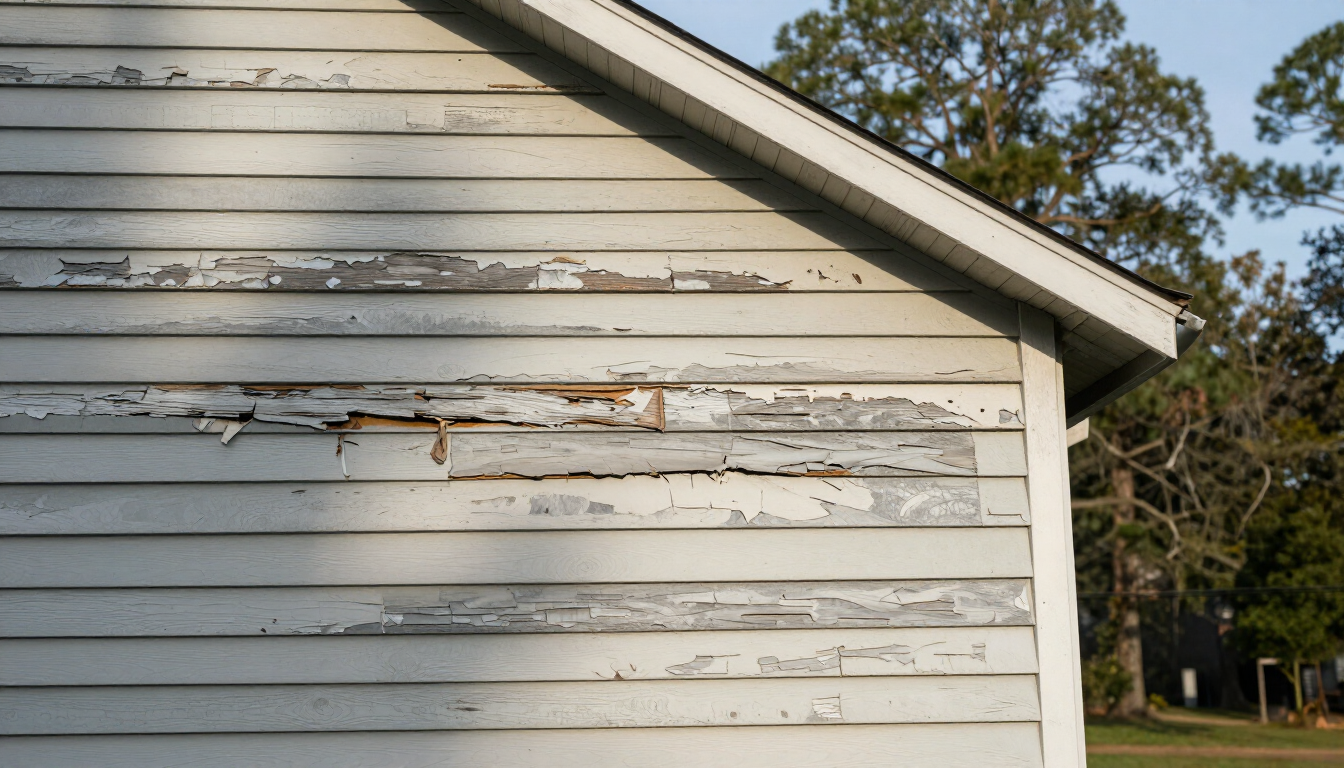
Look for signs like cracks, warping, or peeling paint on your current siding. If you see mold or mildew, or if your siding has faded a lot, it might be time for an upgrade. Also, if you notice drafts or your heating bills are unusually high, your siding could be the culprit.
What's the most important thing when getting new siding installed?
Getting it put on correctly by experienced professionals is super important. Even the best siding won't work well if it's not installed properly. Good installers make sure there are no gaps, that it's sealed up tight, and that it looks great, ensuring you get all the benefits like better insulation and protection for your home.