Can You Inspect Your Roof Yourself? Safety Tips for Homeowners in Chickamauga & Ringgold
Thinking about checking your roof yourself? It's a good idea to know what's going on up there, especially living around Chickamauga and Ringgold with all the weather we get. You can definitely spot some things from the ground, and maybe even from a ladder if you're feeling brave. But remember, safety is the main thing. This guide will help you figure out what to look for during a DIY roof inspection and when it's time to call in the pros.
Key Takeaways
- A DIY roof inspection can help you spot common problems like worn shingles or clogged gutters.
- Always prioritize safety by using the right gear and knowing your limits when inspecting your roof.
- Checking from the ground can reveal issues with gutters, debris, or sagging areas.
- Look for damaged shingles, loose flashing, and proper ventilation when inspecting above the roofline.
- Know when to call a professional roofer for a more thorough assessment or complex repairs.
Assessing Your Roof's Condition
Taking a good look at your roof is pretty important for keeping your house in good shape. It’s not just about how it looks, but more about making sure it’s doing its job protecting you from the weather. You know, like how you get your car checked out to avoid bigger problems later on. A roof does a lot of heavy lifting, day in and day out, and it can show signs of wear and tear.
Understanding Common Roof Issues
Roofs can run into a few common problems over time. It’s good to know what to look for so you can spot them early. Some of the usual suspects include:
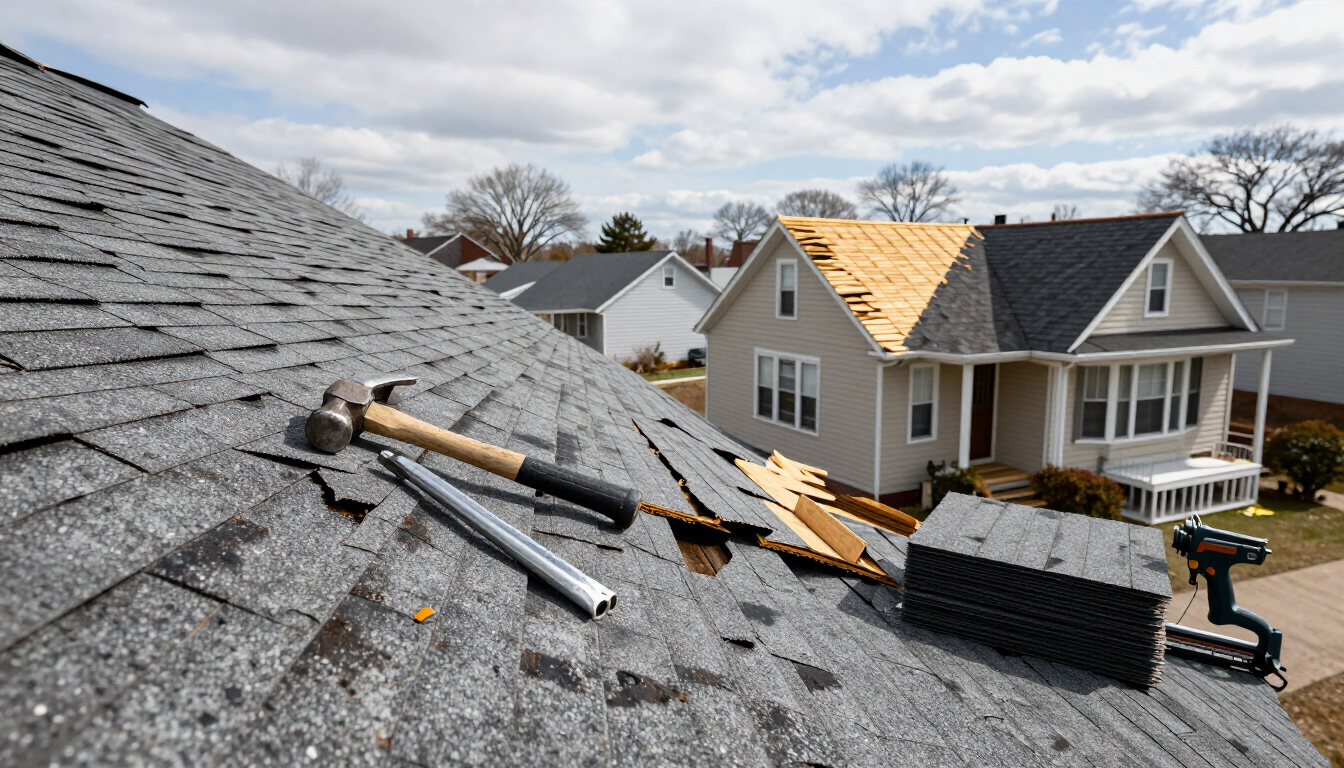
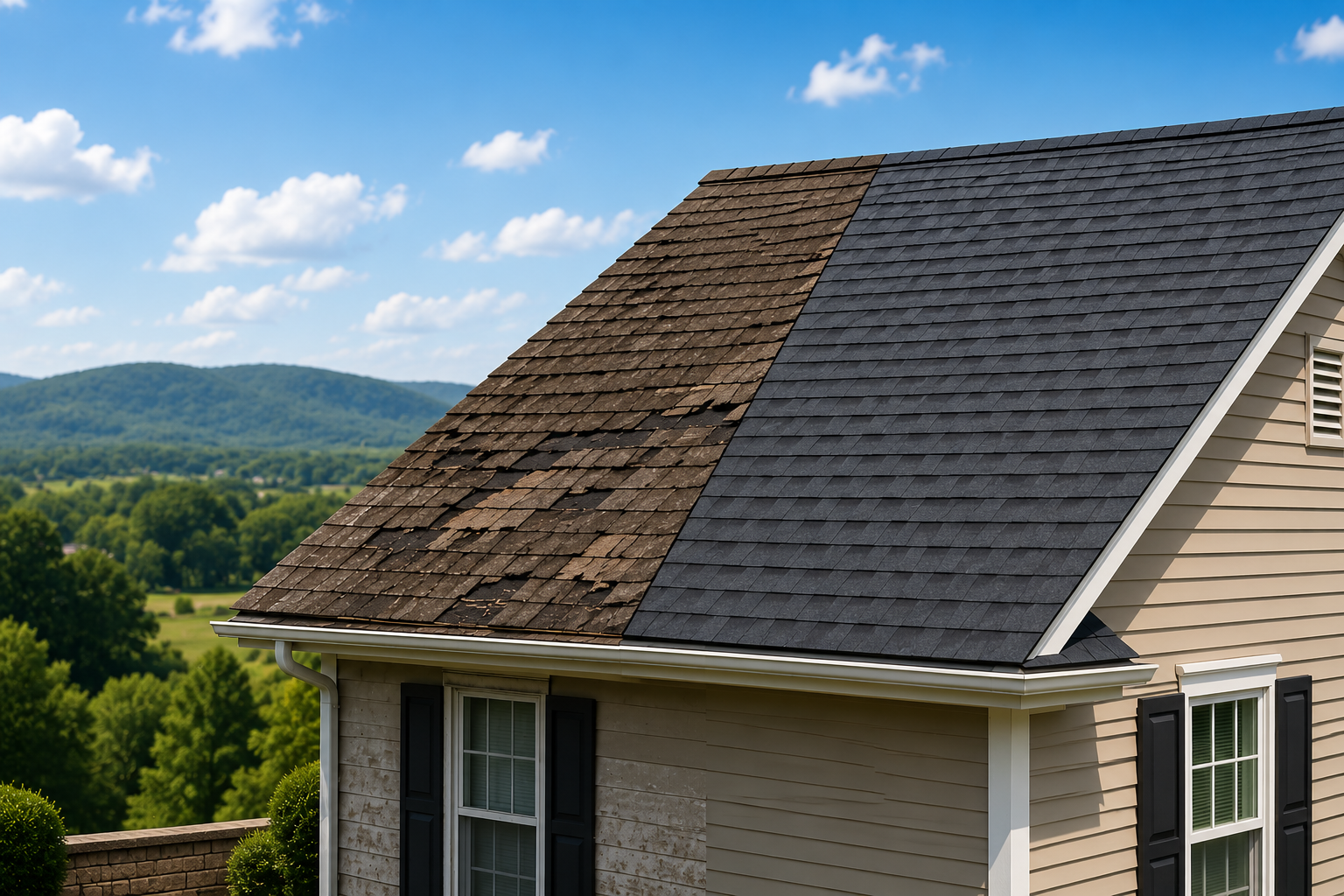
- Shingle damage: This can mean shingles that are cracked, curled up at the edges, or even missing altogether. Sometimes they just look worn out, like they’ve lost their protective coating.
- Granule loss: If you see a lot of little black or colored bits in your gutters, those are granules from your shingles. It’s a sign they’re getting old and breaking down.
- Moisture problems: This could be anything from damp spots in your attic to actual leaks showing up on your ceiling. Water finding its way in is never a good sign.
- Moss and algae growth: While it might not seem like a big deal, these can actually hold moisture against your shingles, which can lead to them rotting over time.
Recognizing Signs of Wear and Tear
Your roof is constantly battling the elements – sun, rain, wind, maybe even snow. All of this takes a toll. Paying attention to these signs can help you catch issues before they become major headaches.
- Age: Most asphalt shingle roofs are built to last about 20 to 25 years. If yours is getting up there in age, it’s more likely to need attention.
- Curling or cracking: Look closely at the shingles. Are they starting to bend upwards at the edges, or do you see any splits or breaks?
- Bald spots: Some shingles might look like they’ve lost their top layer, leaving them looking dull or patchy.
- Sagging: If parts of your roofline look like they’re dipping or not as straight as they used to be, that’s a definite red flag that something might be wrong underneath.
Keeping an eye on these common issues and signs of wear is the first step in making sure your roof stays in good shape. It’s about being proactive rather than waiting for a problem to get serious.
The Importance of Early Detection
Catching roof problems early is a big deal. It’s like finding a small issue with your car before it causes a breakdown on the highway. A small leak, for example, might seem minor, but if left unaddressed, it can lead to serious water damage inside your home, affecting insulation, drywall, and even the wooden structure of your house. Early detection means you can often fix things with simpler, less expensive repairs. It also helps prevent further damage that could compromise the entire roof system. For homes in areas like Ringgold, where weather can be unpredictable, getting a handle on roof condition is especially important. Making sure your pathways are clear, like trimming shrubs, can help with ground-level inspections.
Safety First: Your DIY Roof Inspection
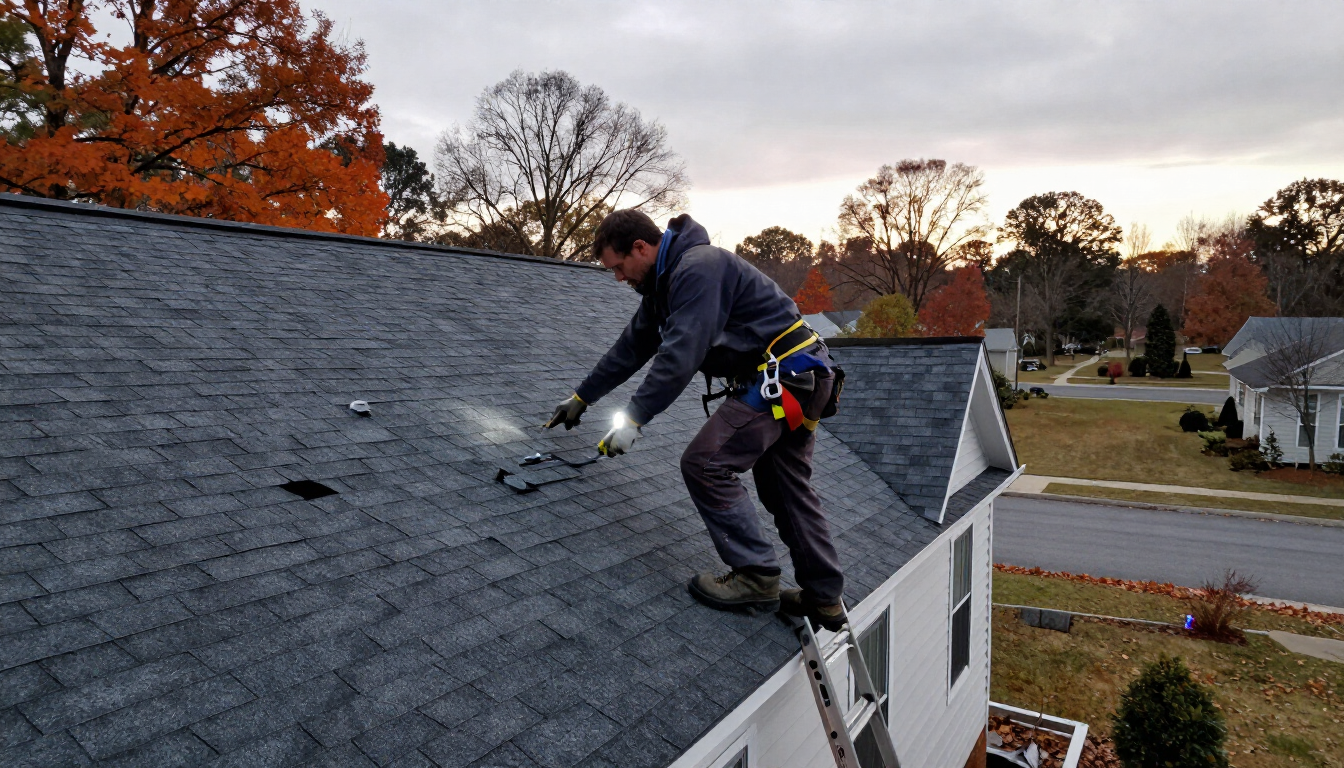
Alright, so you're thinking about hopping up on the roof to check things out yourself. That's cool, and honestly, a good eye for detail can catch a lot. But before you even think about grabbing a ladder, let's talk about staying safe. This isn't like checking the tire pressure on your car; you're dealing with heights and potentially unstable surfaces. Your safety is way more important than spotting a loose shingle.
Essential Safety Gear for Homeowners
Don't just wing it. Having the right gear makes a huge difference. Think of it as your roof-inspecting uniform. You'll want:
- Sturdy, non-slip footwear: Forget sandals or worn-out sneakers. You need shoes with good grip that will hold onto the roof surface.
- Work gloves: These protect your hands from splinters, rough edges, and general grime.
- Safety glasses: Debris can fall unexpectedly, and you don't want anything flying into your eyes.
- A reliable ladder: Make sure it's tall enough to reach the roof safely, and that it's in good condition. Check for any wobbly parts before you use it.
Navigating Your Roof Safely
Once you're geared up, how you move around up there matters. The goal is to be steady and aware.
- Always maintain three points of contact: This means keeping either two hands and one foot, or two feet and one hand, on the ladder or roof at all times. It sounds simple, but it's easy to forget when you're focused on looking around.
- Walk carefully and deliberately: Don't rush. Feel where you're stepping. Avoid walking on wet or icy shingles – seriously, just don't.
- Stay away from the edges: Unless you're specifically inspecting the edge, give yourself plenty of space. A fall from the roof can be really serious.
- Be mindful of the weather: If it's windy, raining, or even just very hot and humid, it's probably not the best day for a DIY inspection. Wait for better conditions.
If you feel even a little bit uneasy about climbing onto your roof, or if your roof is particularly steep or high, it's absolutely okay to skip this part. There are plenty of things you can check from the ground, and we'll cover those next. Don't push your limits if you're not comfortable.
When to Call a Professional
Sometimes, the best DIY move is knowing when to hand it over to someone else. If any of these sound like your situation, it's time to call in the pros:
- You're not comfortable with heights: This is a big one. If the thought of being up there makes you anxious, don't do it. Your peace of mind is worth more than a DIY inspection.
- Your roof is very steep or has multiple levels: These kinds of roofs are just trickier and riskier to navigate.
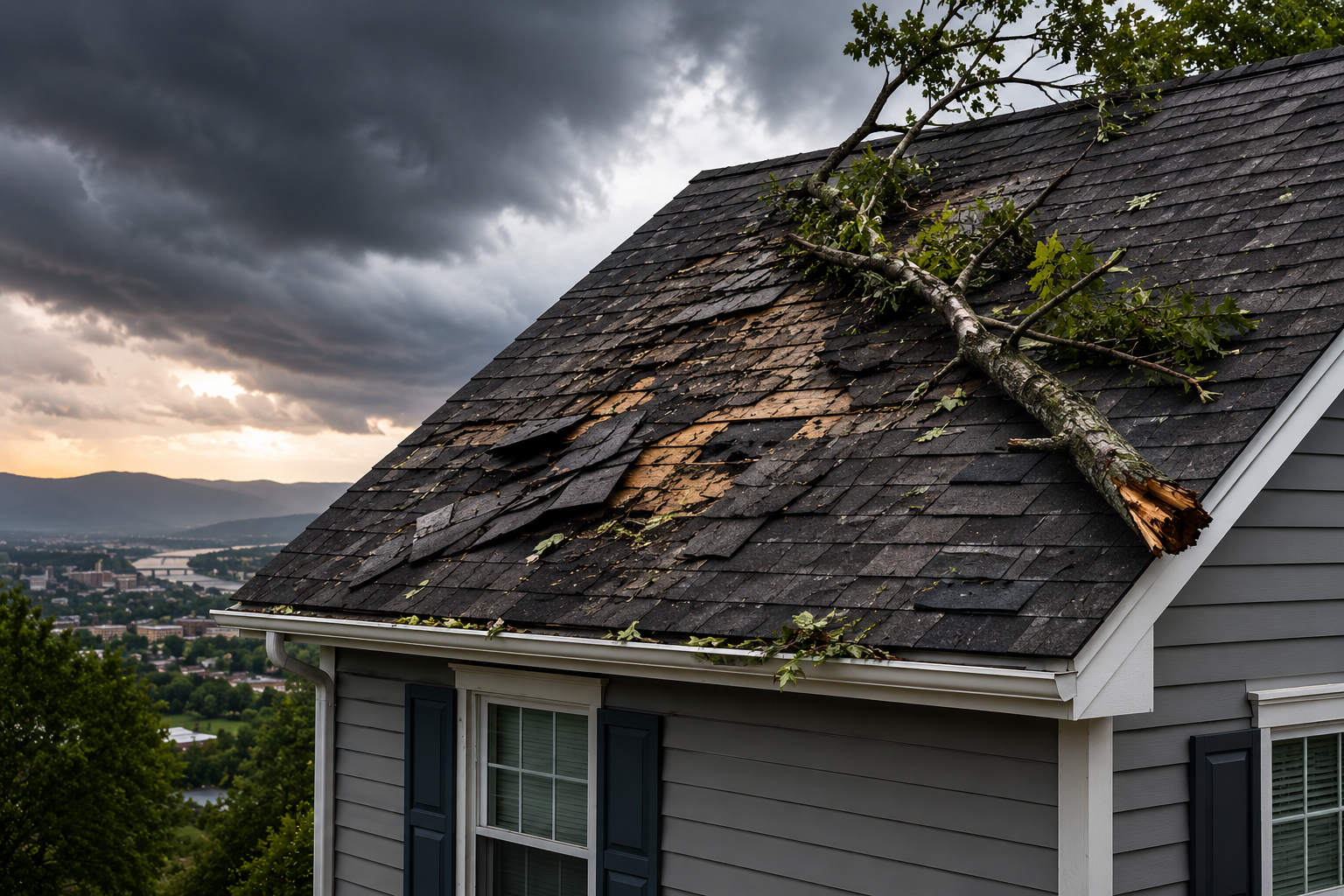
- You see signs of significant damage from the ground: If you've already spotted broken shingles, large sagging areas, or suspect a leak, it's best to let a professional assess the extent of the problem.
- You don't have the right safety gear: If you can't get your hands on proper footwear or a secure ladder, it's safer to wait or call someone.
Ground-Level Roof Inspection Techniques
You don't always need to climb up on the roof to get a good idea of what's going on up there. A lot can be learned by just walking around your house. It's a safer way to start your inspection, and it can point out problems that might need a closer look later.
Examining Gutters and Downspouts
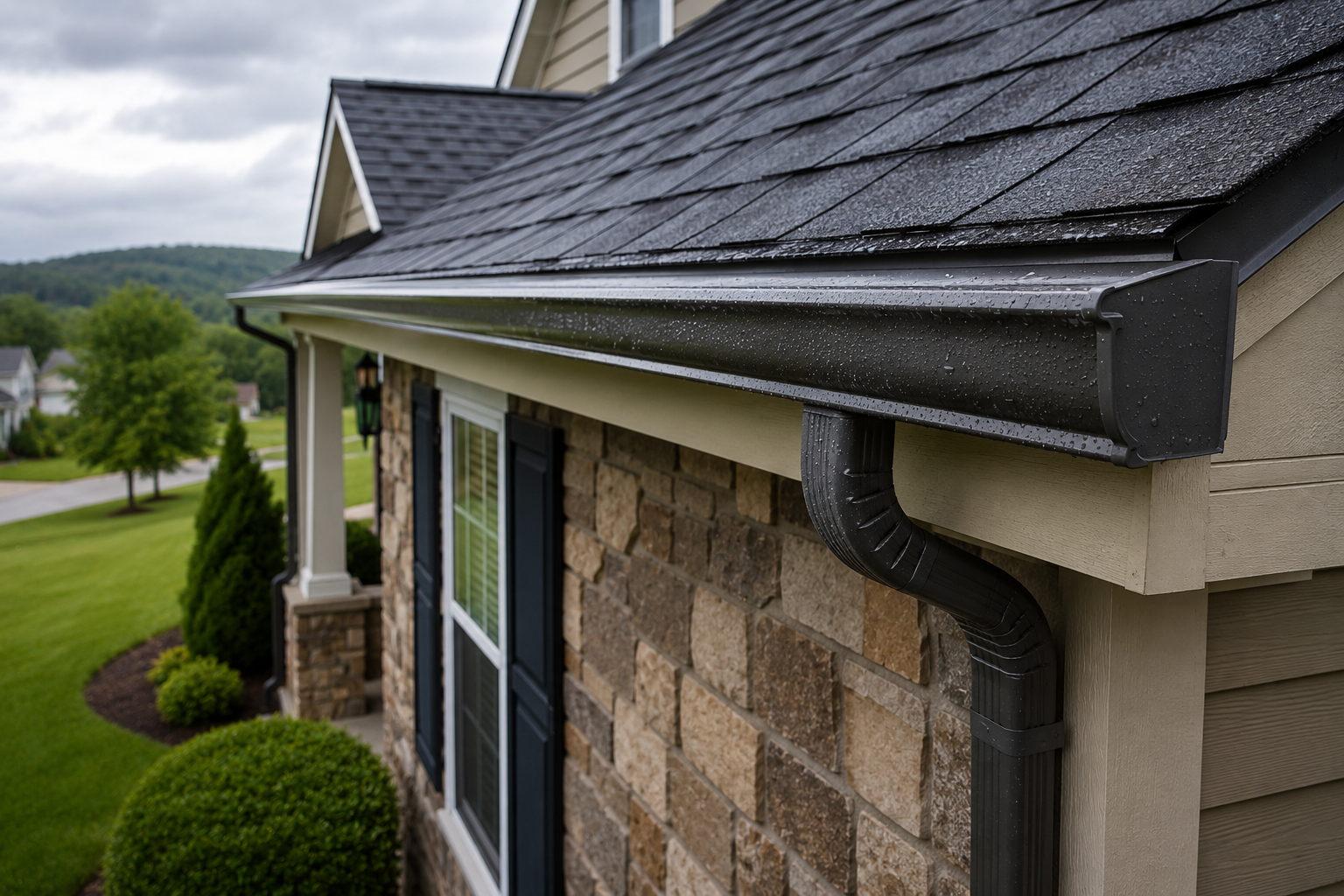
Gutters are like your roof's drainage system. If they're not working right, water can pool up and cause all sorts of issues. Start by looking at the gutters themselves. Are they pulling away from the house? Do you see any rust or cracks?
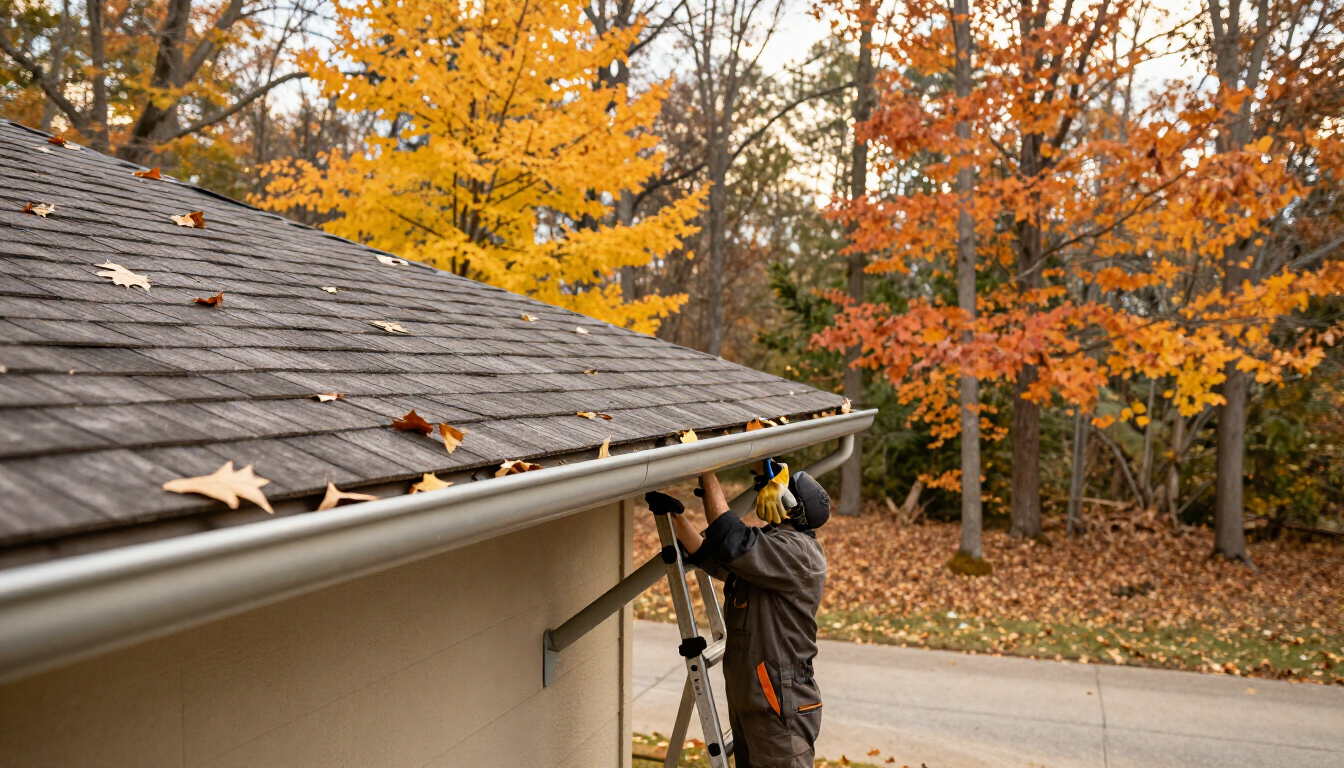
- Check for blockages: Leaves, twigs, and other debris can clog up gutters and downspouts. This stops water from flowing away from your home.
- Look for overflow: If water is spilling over the sides of the gutters, it's a sign they're either blocked or not sloped correctly.
- Inspect downspouts: Make sure the downspouts are securely attached and that water is actually coming out of them when it rains. If they're clogged, water can back up under your roof's edge.
Clogged gutters can lead to water damage not just to your roof, but also to your home's foundation and siding. It's a domino effect you want to avoid.
Checking for Debris and Granule Loss
Take a good look at the surface of your roof from the ground. You're looking for anything that shouldn't be there, and signs that the shingles are breaking down.
- Remove large debris: Big branches or piles of leaves can trap moisture. While you might not be able to get everything, try to clear away anything obvious.
- Look for granule loss: Shingles have small granules on top that protect them from the sun. If you see a lot of these granules in your gutters or washed down onto the ground, it means your shingles are wearing out.
- Watch for moss or algae: While not always a sign of damage, excessive growth can hold moisture against the shingles, potentially causing problems over time.
Looking for Sagging or Uneven Areas
Your roof should look relatively flat and even across its surface. Any dips or sags can indicate a more serious problem underneath.
- Scan the entire roofline: Look for any areas that seem to be drooping or sinking. This could mean there's water damage or structural issues in the roof deck.
- Note any unevenness: Sometimes, shingles might lift or buckle. While this can be a sign of wear, significant sagging is a bigger red flag.
If you notice any significant sagging, it's definitely time to call a professional. This isn't something to ignore, as it can point to structural weaknesses that need immediate attention.
Above the Roofline: What to Look For
Alright, so you've done your ground-level check, and now it's time to get a bit closer to the action – safely, of course. This is where you really start to see the nitty-gritty of your roof's condition.
Inspecting Shingles and Flashing
When you're up there, take a good, long look at the shingles. Are they lying flat, or are some curling up at the edges? You're looking for any cracks, splits, or areas where the protective granules seem to be missing. Think of those granules like sunscreen for your shingles; without them, the sun and weather can really damage the material underneath. Pay special attention to the edges and any areas where shingles overlap.
Then there's the flashing. This is usually thin metal that's installed around anything that pokes through your roof – like chimneys, vent pipes, or skylights. Its job is to create a watertight seal. Over time, the sealant around the flashing can dry out and crack, or the metal itself can get bent or damaged. Look for any gaps, rust, or signs that the flashing isn't sitting snugly against the roof.
Identifying Potential Leaks
Leaks don't always show up as big, obvious drips. Sometimes, they start small and hide. While you're inspecting the shingles and flashing, keep an eye out for anything that looks like a potential entry point for water. This could be:
- Areas where shingles are lifting or missing.
- Cracks or gaps in the sealant around flashing.
- Any debris that's trapped water against a surface.
- Dark spots or staining on the roof deck, which might indicate water has already gotten underneath.
Water damage can spread quickly and cause problems you can't see from the ground. Catching these weak spots early is key to preventing bigger issues like mold or structural rot. It's all about being proactive.
Assessing Ventilation and Chimney Seals
Your roof needs to breathe, and that's where ventilation comes in. Look for your attic vents – they might be small boxes or louvers. Make sure they aren't blocked by leaves, nests, or other debris. Proper ventilation helps prevent moisture buildup in your attic, which can lead to all sorts of problems.
For your chimney, check the condition of the cap and the masonry. Are there any loose bricks or crumbling mortar? The seal between the chimney and the roof, where the flashing is, is another critical spot. If you see any damage here, it's a prime candidate for a leak. Getting a professional opinion on any issues you find is always a good idea, and they can provide a free roof health report to help you understand the full picture.
Documenting Your Findings
So, you've done your best to check out your roof, maybe from the ground or even a quick peek from a ladder. Now what? It's super important to write down what you saw. This isn't just about remembering; it's about having a record.
Taking Clear Photographs
Pictures are your best friend here. Snap shots of anything that looks off. Think about:
- Any shingles that seem loose, cracked, or are missing altogether.
- Areas where the flashing (that metal stuff around chimneys or vents) looks bent, rusted, or has gaps.
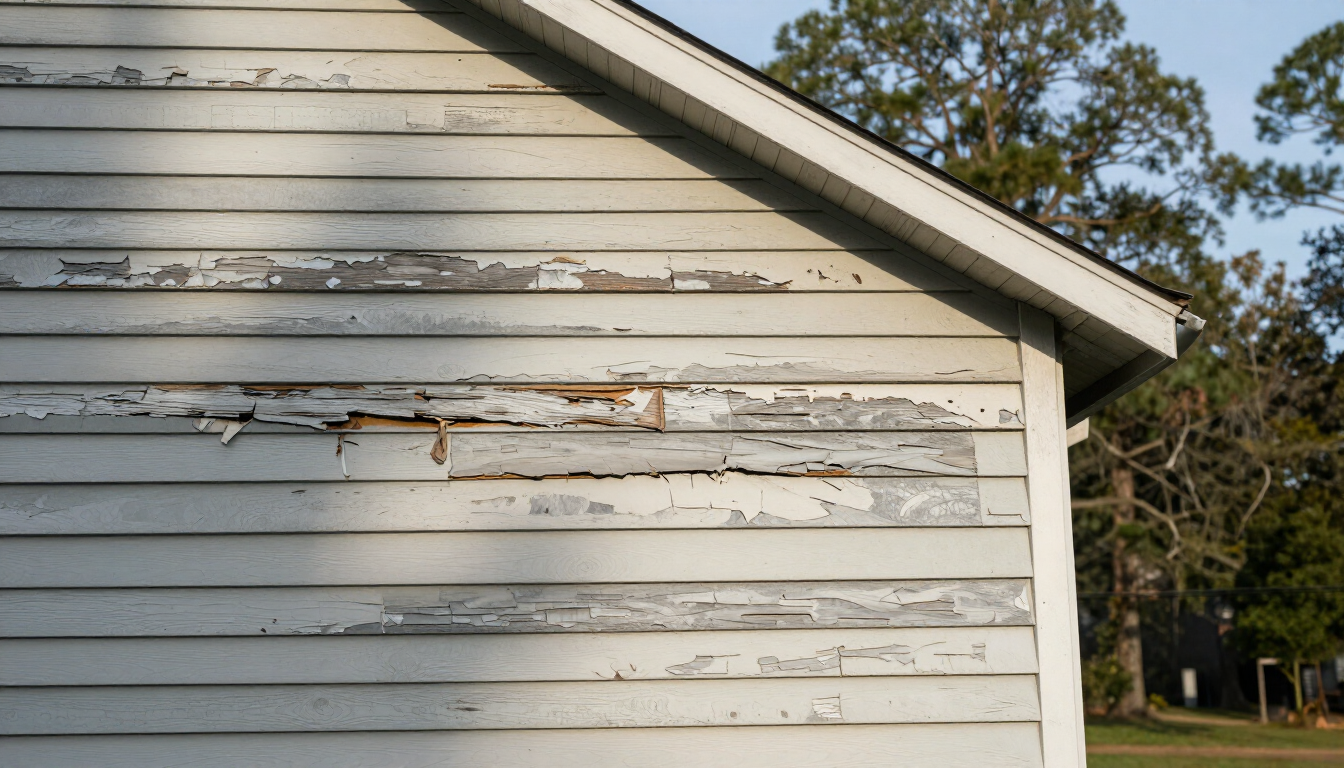
- Water stains or dark spots on the exterior walls near the roofline.
- Debris piled up in gutters or on the roof itself.
- Any spots that look like they're sagging or not flat.
Make sure the photos are clear and show the problem area well. If you can, get a shot that shows where the issue is in relation to the whole roof.
Creating a Detailed Checklist
Beyond just photos, jot down notes. A simple checklist can help you stay organized. You can make your own or find templates online. For each item you check, mark it as 'Good,' 'Needs Attention,' or 'Unsure.'
Here’s a basic idea of what to include:
- Shingles: Condition (cracked, curled, missing), granule loss.
- Flashing: Around vents, chimneys, skylights – look for damage or gaps.
- Gutters: Clogged, damaged, pulling away from the house.
- Debris: Leaves, branches, etc., on the roof or in gutters.
- Sagging: Any noticeable dips or unevenness in the roof surface.
- Ventilation: Are vents clear? Any signs of damage?
- Chimney: Condition of the cap, mortar, and flashing.
Understanding Your Roof's History
If you know when your roof was last inspected or replaced, that's good info to have. Did you have any work done on it recently? Were there any major storms in the area that might have caused damage? Knowing this helps put your findings into perspective. For example, if your roof is only a few years old, a few missing granules might not be a big deal, but if it's 15 years old, it could be a sign of wear.
Keeping good records of your roof's condition and any inspections you do is really helpful. It's not just for your own peace of mind; it can be super important if you ever need to file an insurance claim or when you decide to sell your home. A clear history shows you've been taking care of the property.
This documentation makes it much easier to talk to a professional roofer later on. You can show them exactly what you're concerned about, which can save time and help them give you a more accurate assessment.
When to Seek Professional Help
So, you've done your homework, climbed around (safely, I hope!), and jotted down some notes. That's fantastic! But sometimes, even with the best intentions and a keen eye, you might reach a point where calling in the pros is the smartest move. It's not a sign of failure; it's a sign of good judgment.
Interpreting Your DIY Roof Inspection Results
After you've gathered your notes and photos, it's time to make sense of it all. Some things are pretty obvious, like a shingle that's completely missing or a big water stain on the ceiling. But other issues can be trickier to figure out.
- Curling or cracking shingles: While you can spot these, understanding how far gone they are and if they're a sign of a bigger problem takes experience.
- Granule loss: Seeing a lot of granules in your gutters is a clue, but how much is too much? A professional can tell you if it's normal wear or a sign of impending failure.
- Minor sagging: A slight dip might not seem like much, but it could indicate moisture damage or structural issues underneath that you can't see from the surface.
Don't feel bad if you're unsure about what some of these signs mean. Roofing is a specialized field, and professionals have seen it all. They know what to look for and how serious each potential problem really is.
The Value of Professional Assessments
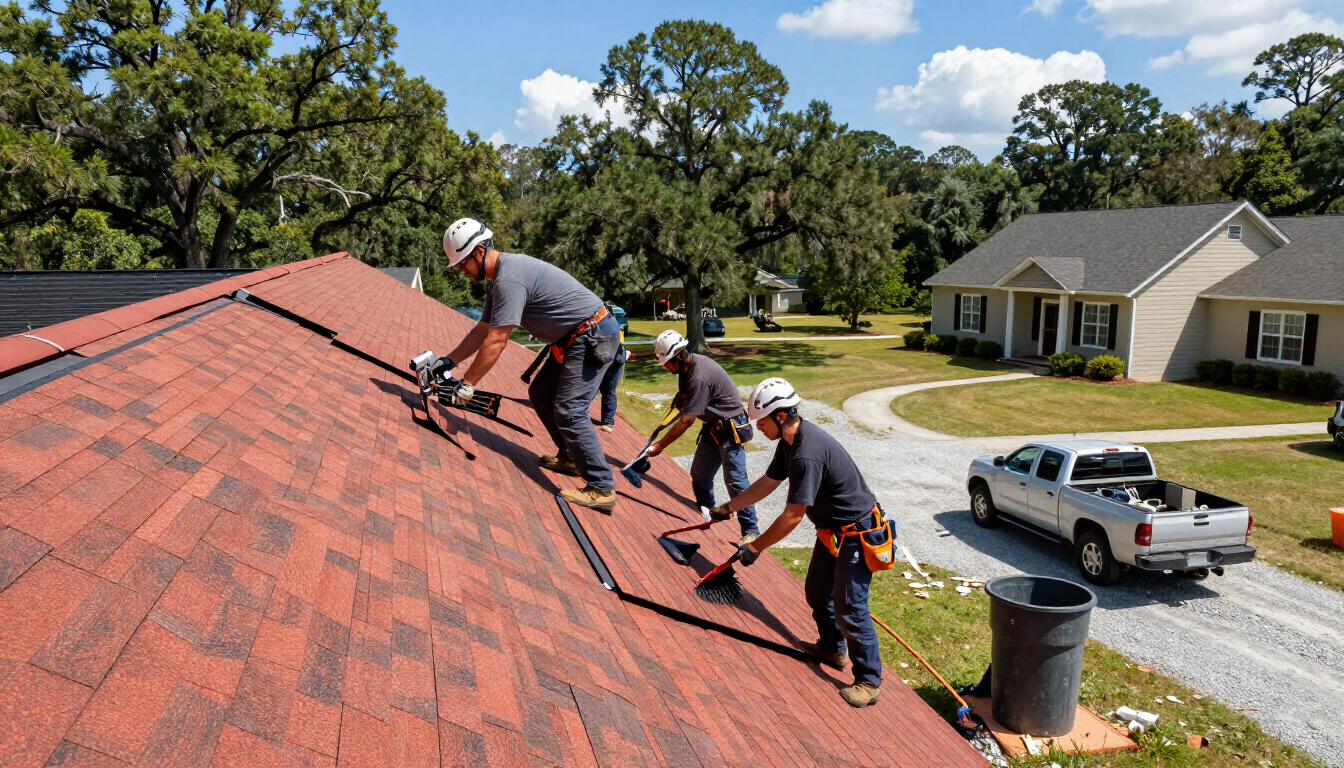
When you bring in a roofing contractor, you're getting more than just a second opinion. You're getting someone with specialized tools and knowledge. They can spot things you'd likely miss, like compromised underlayment or subtle damage from a recent storm that isn't visible from the ground. A professional inspection can also help you understand the lifespan of your current roof and whether repairs are a temporary fix or if a full replacement is on the horizon. Getting a free roof health report can give you a clear picture of your roof's condition.
Choosing a Reputable Roofing Contractor
If your DIY inspection points to significant issues, or if you're just not comfortable with the findings, it's time to call in the experts. Look for contractors who are:
- Licensed and Insured: This protects you and them.
- Experienced in Your Area: They'll know about local weather patterns and common roofing problems.
- Recommended: Check reviews and ask neighbors for referrals.
Don't hesitate to get multiple quotes for any work that needs to be done. This helps ensure you're getting fair pricing and a good understanding of the scope of the project. Remember, a professional assessment is an investment in your home's safety and longevity.
If you're unsure about the best way to handle a home repair or improvement, don't hesitate to reach out. Sometimes, the smartest move is to get expert advice. We're here to help you figure out the right solutions for your home. Visit our website today to learn more and get a free estimate!
Wrapping It Up
So, while a quick peek from the ground might seem like enough, remember that your roof is a pretty important part of your home's defense system. For folks around Chickamauga and Ringgold, dealing with our local weather means your roof works hard. If you're not comfortable climbing ladders or just want a pro's sharp eye on things, calling a local roofing company is a smart move. They know what to look for, especially after a big storm, and can help you catch small issues before they turn into big, expensive headaches. Taking care of your roof really means taking care of your whole house.
Frequently Asked Questions
How often should I check my roof?
It's a good idea to check your roof at least twice a year, and also after any big storms. Think of it like giving your car an oil change – regular check-ups help prevent bigger problems later on.
What are the most common roof problems?
Common issues include missing or broken shingles, leaks, clogged gutters, and damage from wind or hail. Sometimes, you might notice sagging areas, which also need attention.
Can I really check my roof myself?
Yes, you can do a basic check from the ground or a safe ladder. However, climbing on the roof yourself can be risky. It's best to only go up if you have the right safety gear and feel completely comfortable.
What safety gear do I need?
If you decide to go up, wear sturdy shoes with good grip, gloves, and consider a safety harness. Always make sure your ladder is stable and on level ground. Never inspect during bad weather.
When should I call a professional roofer?
If you see significant damage, suspect a leak, or just don't feel safe doing the inspection yourself, it's time to call an expert. Professionals have the tools and experience to do a thorough job safely.
What should I do after I inspect my roof?
Take pictures of any problems you find. Make a list of what you saw. This information will be super helpful when you talk to a roofing company to get repairs done.