7 Warning Signs of Siding Water Damage Ringgold & Chattanooga Homeowners Should Never Ignore
Hey Ringgold and Chattanooga folks! Your home's siding is like its skin, and when it gets damaged, water can sneak in. This isn't just about looks; it can cause some serious problems for your house. We're talking about potential rot, mold, and even structural issues if you don't catch it early. So, let's talk about the signs of siding water damage you really shouldn't miss. Keeping an eye on these things can save you a lot of headaches and money down the road.
Key Takeaways
- Watch out for any visible damage on your roof, like cracks or missing shingles, as this can lead to water getting behind your siding.
- Keep an eye out for any new leaks inside your home or water stains appearing on walls or ceilings, especially after rain.
- Curled or cracked shingles on your roof are a clear sign that water might be finding its way into your home's structure.
- If you notice any missing shingles, it's an open invitation for water to start causing trouble, potentially affecting your siding.
- The appearance of mold or mildew, especially in damp areas, can be a strong indicator of hidden siding water damage.
1. Visible Roof Damage
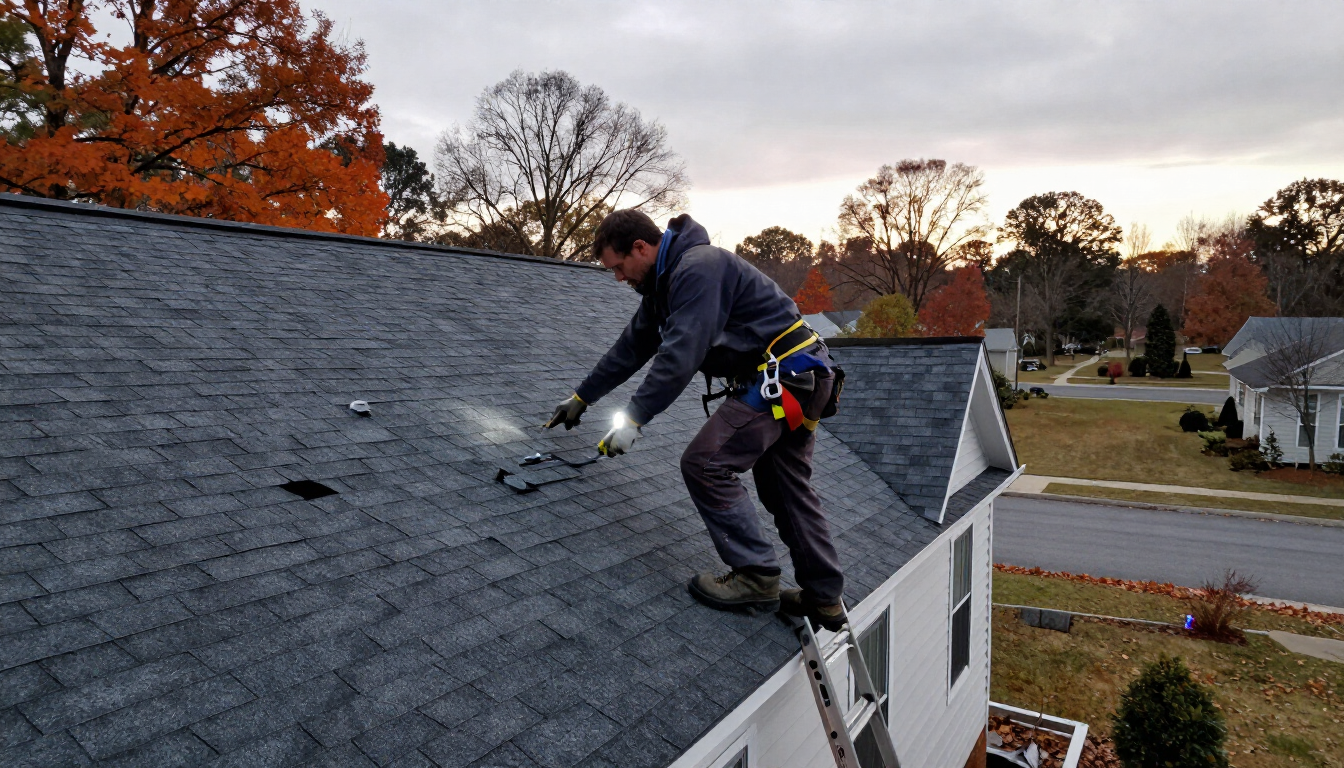
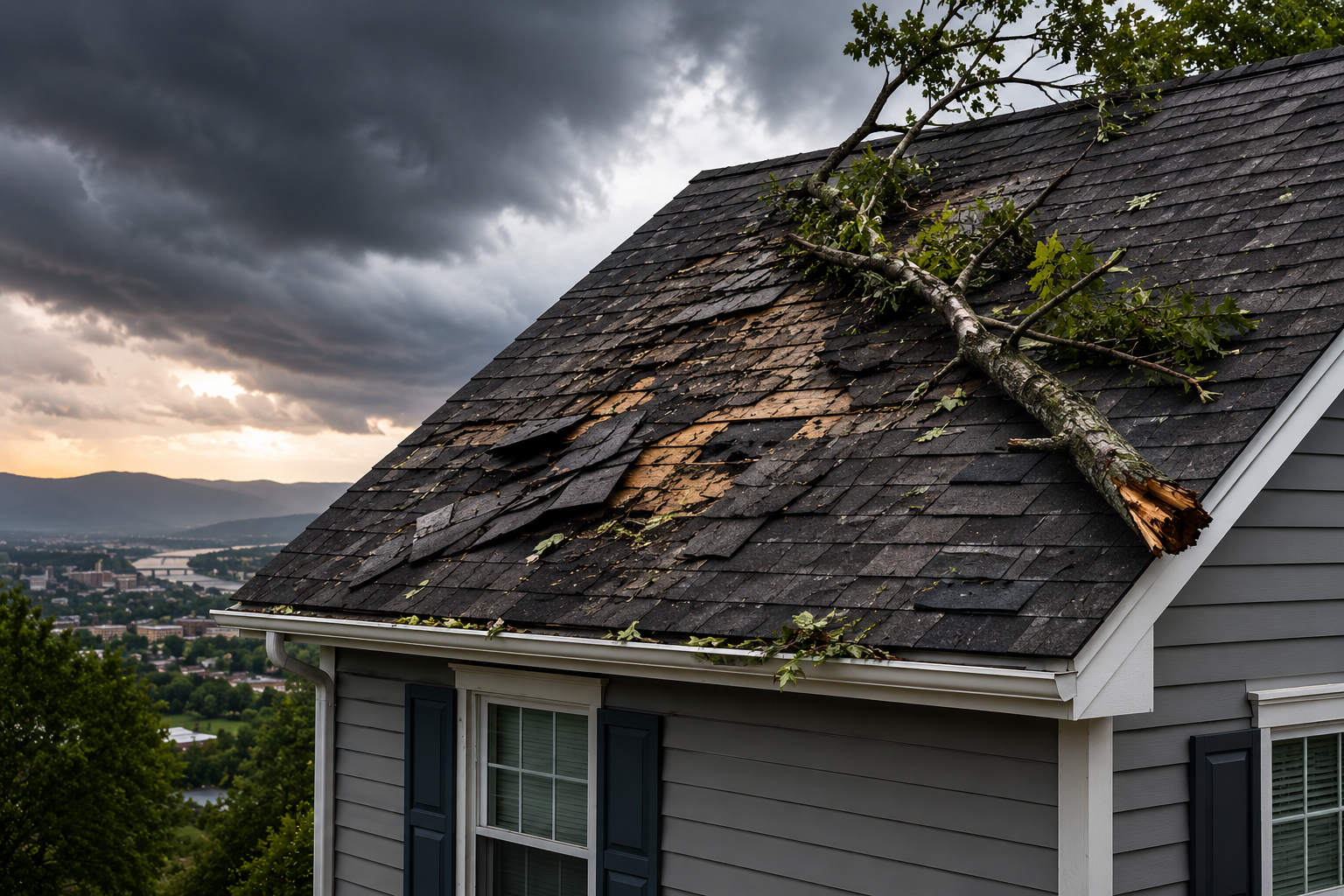
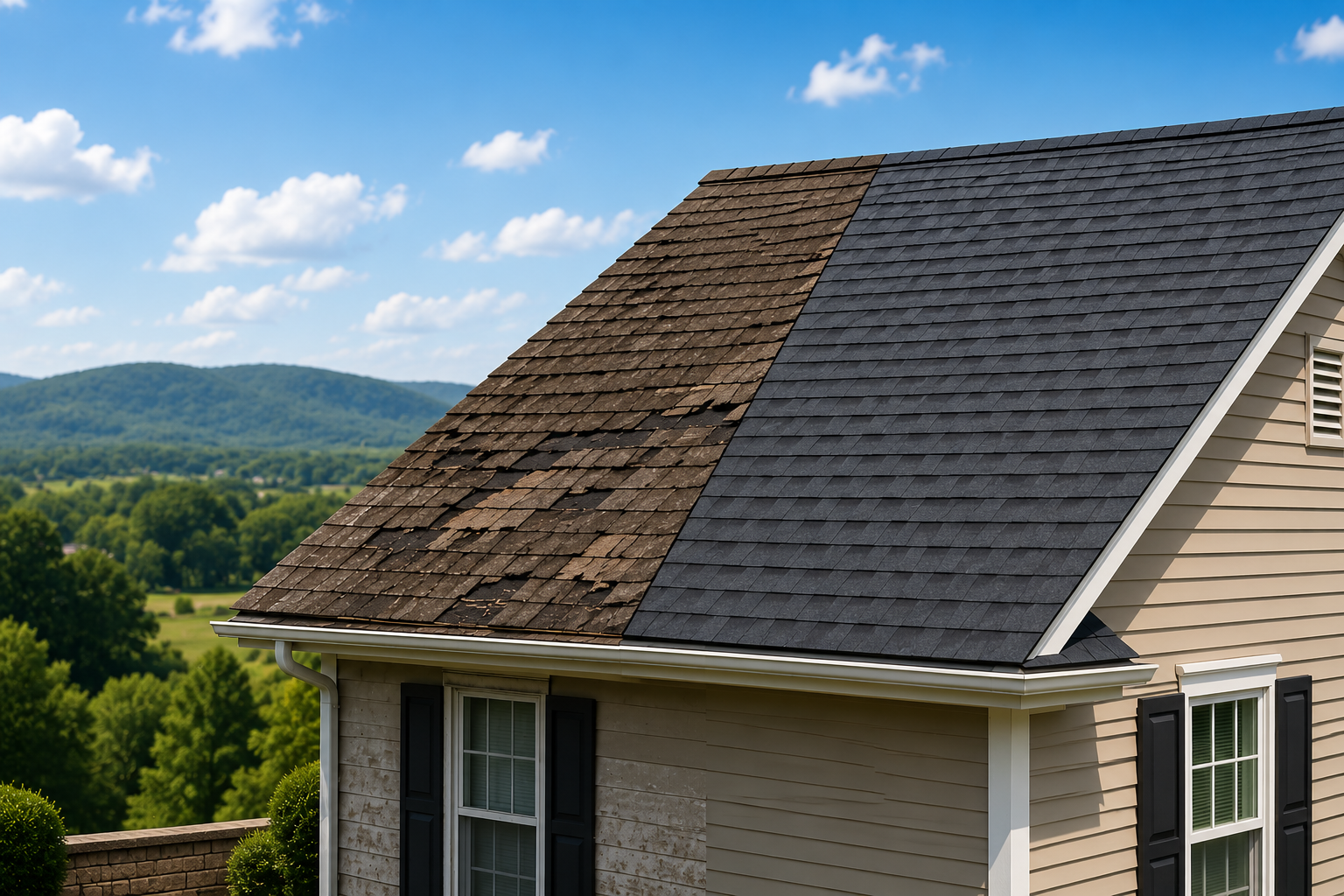
Your roof is the first line of defense against the elements, and when it starts showing signs of wear and tear, it's a big deal. Ignoring visible damage can lead to much bigger, more expensive problems down the road. Think about it: if you see something wrong, it's usually because it's already been happening for a while.
What should you be looking for? Well, a few things really stand out.
- Cracked Shingles: These look like they've been split or have pieces missing. They can't do their job of protecting your home if they're broken.
- Curled or Buckled Shingles: When shingles start to lift up at the edges or look wavy, it means they're losing their ability to keep water out. This often happens due to age or heat.
- Missing Shingles: This one's pretty obvious. If a shingle is gone, there's a direct opening for rain and debris to get in.
- Granule Loss: You might see a lot of shingle grit in your gutters or around your downspouts. This means the protective layer of your shingles is wearing away.
It's not just about how it looks, either. This kind of damage can let water seep into your attic, down your walls, and even into your foundation. That's where you start getting into the really costly repairs, like mold and structural issues.
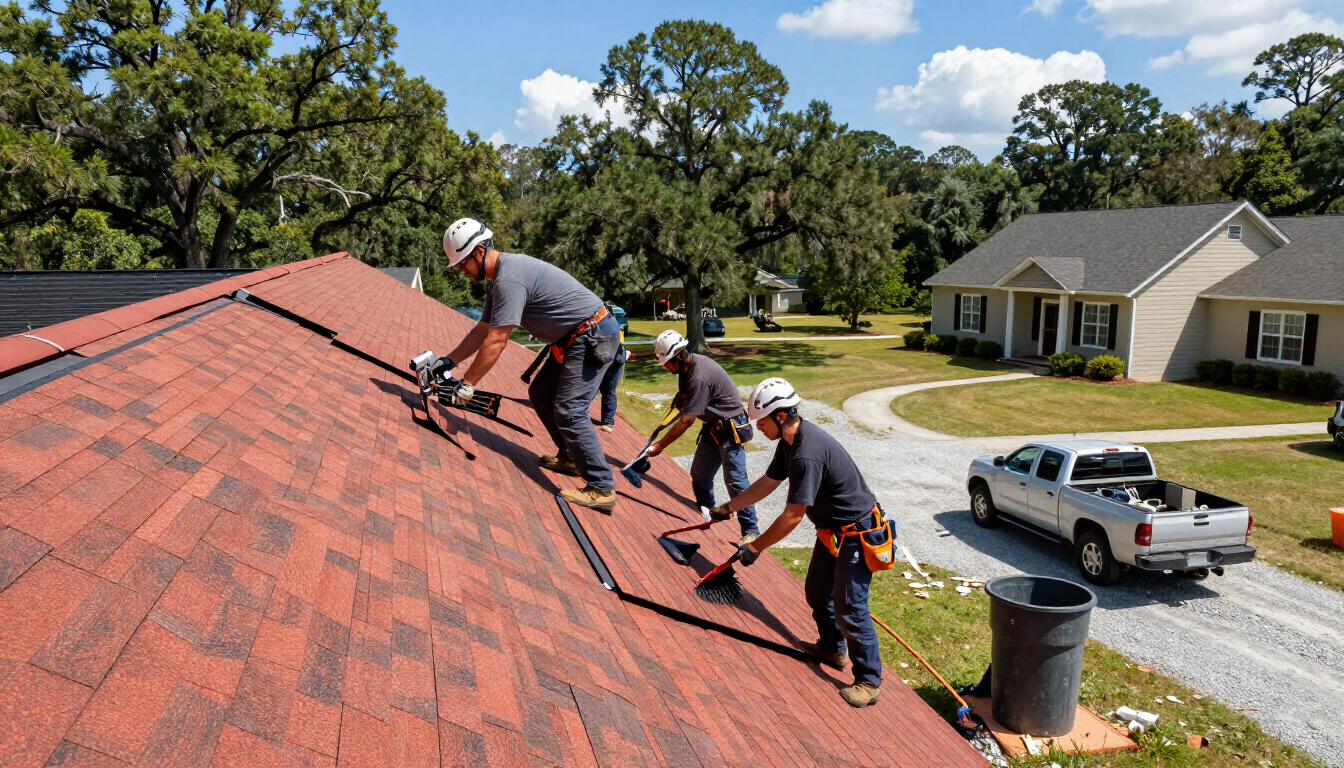
Regular roof inspections are a smart move for any homeowner. Catching these issues early, especially after a big storm, can save you a ton of headaches and money. It's always better to be proactive than reactive when it comes to your home's protection. Consider scheduling a professional roof inspection to catch these problems before they get out of hand.
2. Leaks & Water Damage
When you start seeing water spots on your ceiling or walls, that's a pretty clear sign something's not right up top. It might seem like a small issue at first, but ignoring leaks can lead to some serious problems down the road. Water getting into your home's structure can cause all sorts of headaches, from damaged insulation to weakened framing.
Here's what you should look out for:
- Dripping sounds: Sometimes you can hear water where it shouldn't be.
- Musty smells: This often points to hidden moisture and potential mold.
- Soft spots on ceilings or walls: If an area feels spongy or gives way a bit, water has likely been sitting there.
- Peeling paint or wallpaper: Moisture can cause finishes to bubble and detach.
It's really important to get any leaks checked out right away. The longer water sits, the more damage it can do, and that means bigger repair bills for you.
Addressing water issues promptly is key. Small drips can quickly turn into major structural problems if left unattended. Think of it like a tiny crack in a windshield – ignore it, and it can spread across the whole thing. Getting it fixed early saves you a lot of trouble and money later on.
3. Cracked Shingles
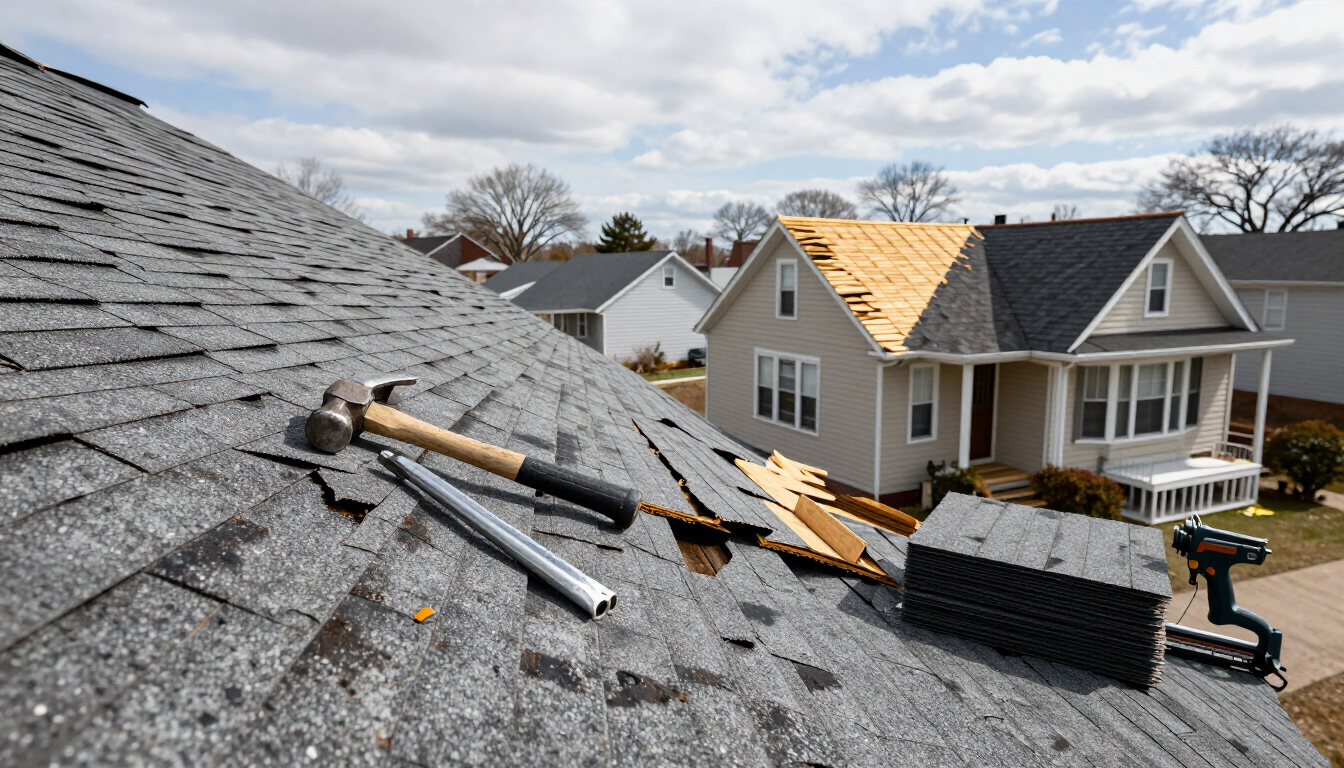
Cracked shingles might not seem like a huge deal at first glance, but they can actually be a pretty big problem for your home's protection. Think of them like little entry points for water. When a shingle cracks, it creates a gap that lets rain and moisture seep underneath.
These cracks are often the first sign that your roof is starting to break down. It's not just about the appearance, though that's part of it. The real issue is what happens next. Water getting under your shingles can lead to all sorts of headaches down the road.
Here's why you should pay attention to cracked shingles:
- Water Intrusion: The most obvious problem. Water can get past the cracked shingle and start soaking into the underlayment and even the roof deck.
- Accelerated Deterioration: Once water gets in, it can freeze and expand in colder weather, making the cracks worse. It also speeds up the decay of the roofing materials.
- Pest Problems: Small gaps created by cracks can become an invitation for insects or even small animals to make a home in your roof.
It's easy to overlook a few small cracks, especially if they're not in a super visible spot. But ignoring them can lead to much bigger and more expensive repairs later on. If you notice any cracks, it's a good idea to get a professional to take a look. They can assess the extent of the damage and figure out the best way to fix it before it becomes a major issue. Sometimes a simple repair is all that's needed, but other times it might mean replacing a section of the roof. Getting a professional roof inspection is always a smart move.
Small cracks might seem minor, but they can quickly turn into significant problems if left unaddressed. They compromise the integrity of your roof's protective layer, allowing moisture to penetrate and cause damage to the underlying structures. It's a domino effect that starts with a simple crack.
Don't wait until you see water stains inside your home. Keep an eye on your shingles, and if you see any signs of cracking, it's time to think about roof repair services.
4. Missing Shingles
Okay, so you're doing a quick once-over of your roof, maybe after a big storm, and you notice a gap where a shingle should be. That's a missing shingle, and it's definitely not something to brush off. These gaps are like open doors for water to sneak into your home.
When shingles go missing, it's usually because they've been blown off by strong winds or perhaps they've just aged out and lost their grip. Whatever the reason, the result is the same: exposed underlayment or even the roof deck itself. This is bad news, folks.
Here's why missing shingles are a big deal:
- Direct Water Entry: Without that protective layer, rain and melting snow can go straight down into your attic and insulation. This can lead to rot and mold.
- Compromised Underlayment: The material beneath the shingles isn't meant to be exposed to the elements for long. It can degrade, making it less effective at keeping water out.
- Damage to the Roof Deck: The actual wood or plywood of your roof can start to rot if it gets consistently wet, which is a much more expensive fix.
It's not just about the immediate leak, either. Think about the long-term effects. That constant dampness can weaken the structure of your roof over time. If you're seeing bare spots where shingles used to be, it's a clear sign that it's time to call in the pros for roof repair. Don't wait for that small problem to turn into a major headache. Addressing missing shingles quickly is key to preventing bigger issues down the line.
5. Curled Shingles
You know how sometimes things just start to look a little… off? Like when your favorite shirt starts to get those weird little pills on it? Well, curled shingles are kind of like that for your roof, but way more serious.
When shingles start to curl up at the edges or even cup in the middle, it's a pretty clear sign they're not doing their job anymore. This usually happens because the shingles are getting old and brittle, or maybe they got too much sun and heat over the years. Sometimes, moisture getting underneath them can cause them to warp too.
This curling action leaves gaps, and those gaps are like an open invitation for water to sneak into your home.
Here’s why you really don’t want to see curled shingles:
- Water Intrusion: The most obvious problem. Water can easily get under the curled edges and make its way into your attic and down into your walls. That's how you get those nasty water stains and, eventually, mold.
- Reduced Wind Resistance: Curled shingles don't lie flat. This means wind can get underneath them much easier, potentially lifting them off completely during a storm. Losing shingles is never good.
- Compromised Protection: Shingles work together like a team. When one starts to curl, it puts extra stress on the ones next to it, and the whole system starts to break down faster.
Think of it like a row of dominoes. Once one starts to fall out of line, it makes it easier for the others to get knocked over too. It's a visual cue that your roof's protective layer is weakening.
If you notice any shingles looking like they're doing a little wave, it's time to get a professional to take a look. They can tell you if it's just a few bad apples or if it's time for a bigger roof repair or even a replacement.
6. Water Stains
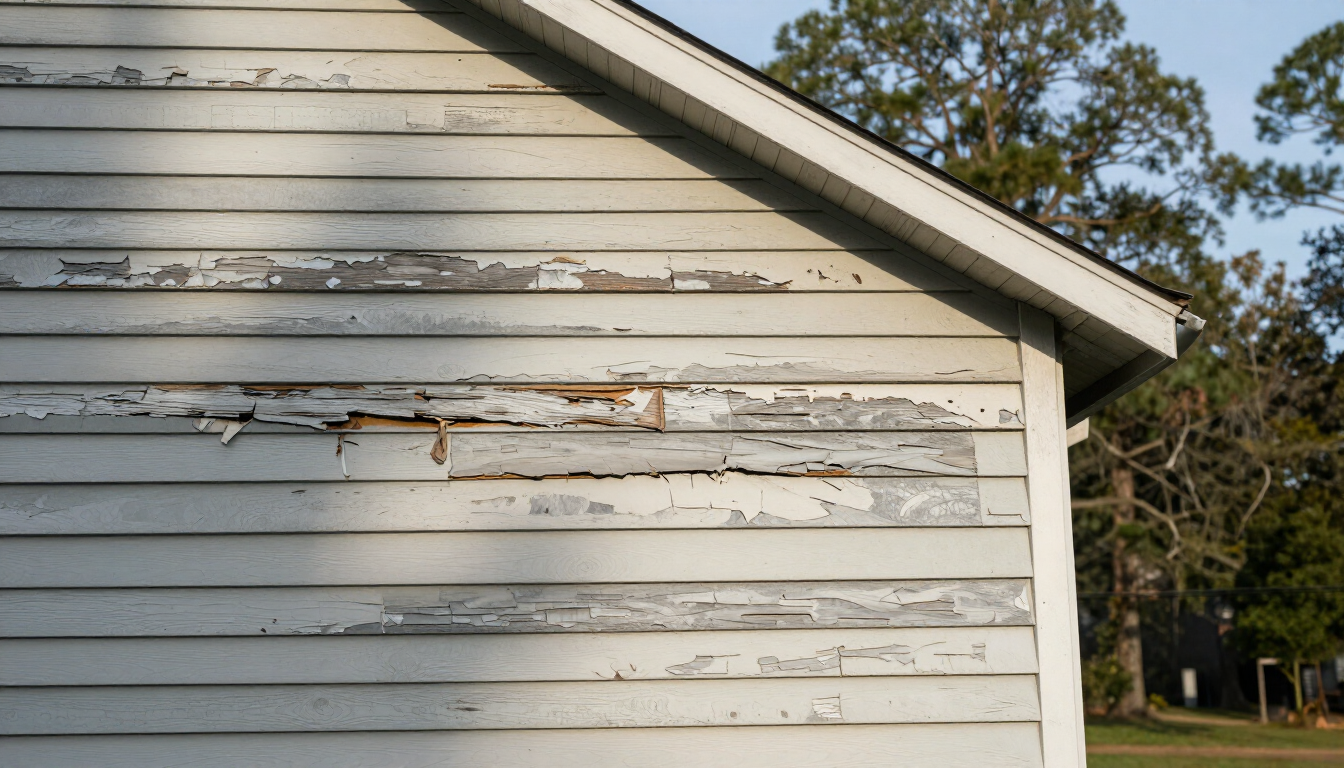
Water stains on your siding or interior walls are a pretty clear sign that something isn't right. Think of them like a little red flag waving at you, saying, "Hey, there might be water getting where it shouldn't be!" These aren't just unsightly blemishes; they often point to underlying issues that need attention.
Don't just paint over them and hope for the best. That's like putting a band-aid on a broken bone. You need to figure out why the stain is there in the first place.
Here's what those water stains could be telling you:
- Roofing Problems: Leaks in your roof, damaged gutters, or even ice dams can cause water to seep down the exterior of your home, leaving trails.
- Window or Door Seal Issues: If the seals around your windows or doors have failed, rain can get in and cause damage that shows up as stains.
- Siding Damage: Cracks or holes in your siding itself can let water penetrate the wall structure.
- Plumbing Leaks: Sometimes, water stains inside your home aren't from the outside at all, but from a leaky pipe within the walls.
It's important to remember that the sooner you address these stains, the less likely you are to face bigger, more expensive repairs down the line. Ignoring them can lead to rot, mold, and structural damage, which are definitely not fun to deal with.
If you're seeing these marks, it's a good idea to get a professional to take a look. They can help pinpoint the source of the water and recommend the right fix. For issues related to your roof, finding reliable roofers in North Georgia is a smart move to prevent further water intrusion.
7. Mold Growth
Seeing mold or mildew around your siding or on your roof is a pretty clear sign that water isn't draining like it should. This stuff loves damp, dark places, and if it's growing on the outside of your house, it means moisture is getting trapped somewhere.
Mold and mildew aren't just unsightly; they can actually cause health problems for your family and damage your home's structure over time. It's not something you want to mess around with.
Here's why mold growth is a big deal:
- Health Concerns: Mold spores can get into the air and cause allergies, asthma flare-ups, and other respiratory issues. It's especially bad for kids and older folks.
- Structural Damage: While mold eats organic material, it often means the wood or other materials underneath your siding are rotting. This can weaken your home's walls.
- Aesthetic Issues: Let's face it, black or green splotches on your house aren't exactly curb appeal.
Mold thrives in moist environments. If you're spotting it on your siding, it's a strong indicator of underlying water issues that need immediate attention. Ignoring it can lead to more extensive and costly repairs down the line, not to mention potential health risks.
So, if you notice any fuzzy or discolored patches that look like mold, it's time to figure out where the water is coming from. It could be a drainage problem, a leak in your roof, or even just poor ventilation around your home's exterior.
Mold can be a real problem, especially on the outside of your home. It looks bad and can even damage your property over time. Keeping your home clean and free from mold is important for its appearance and health. If you're seeing signs of mold growth, it's best to get it checked out. For expert help with exterior cleaning and mold removal, visit our website today!
Don't Wait, Protect Your Home Now
So, we've gone over some of the key signs that your siding might be dealing with water damage. Things like bubbling paint, mold, or even just damp spots can seem small at first, but they can turn into much bigger, more expensive problems down the road if you don't pay attention. Ringgold and Chattanooga homeowners, it's really about being proactive. Catching these issues early means less hassle and less money spent fixing things later. If you're seeing any of these warning signs, or just have a feeling something isn't right with your siding, it's probably a good idea to get it checked out by a professional. Taking care of your home's exterior is a big deal, and dealing with water damage before it gets out of hand is just smart homeownership.
Frequently Asked Questions
What are the first signs that my siding might have water damage?
Look for things like peeling paint, bubbling under the surface, or even soft spots that feel spongy when you touch them. Sometimes, you might see dark streaks or stains, which can be a sign of mold or mildew starting to grow because of moisture.
How can I tell if water is getting behind my siding?
If you notice water stains on your interior walls or ceilings, especially near windows and doors, that's a big clue. Also, check for any dampness or musty smells inside your home, as these can indicate hidden moisture problems behind the siding.
Is mold growth on siding always a sign of water damage?
Mold and mildew typically need moisture to grow. So, while not *every* speck of mold means your siding is failing, a significant amount of growth, especially in damp areas, strongly suggests there's a water issue that needs checking out.
What happens if I ignore siding water damage?
Ignoring water damage can lead to much bigger and more expensive problems. The water can rot the wood underneath your siding, damage the wall structure of your house, and even lead to mold spreading inside your home, which is bad for your health.
How often should I inspect my siding for potential water damage?
It's a good idea to give your siding a good look at least twice a year, perhaps in the spring and fall. Also, after any major storms or heavy rain, it's wise to do a quick check for any new signs of trouble.
Can small cracks in siding lead to major water problems?
Yes, even small cracks can let water seep in. Once water gets behind the siding, it can start to cause damage to the materials underneath, like the sheathing and framing. It's best to fix even minor cracks to prevent bigger issues down the road.