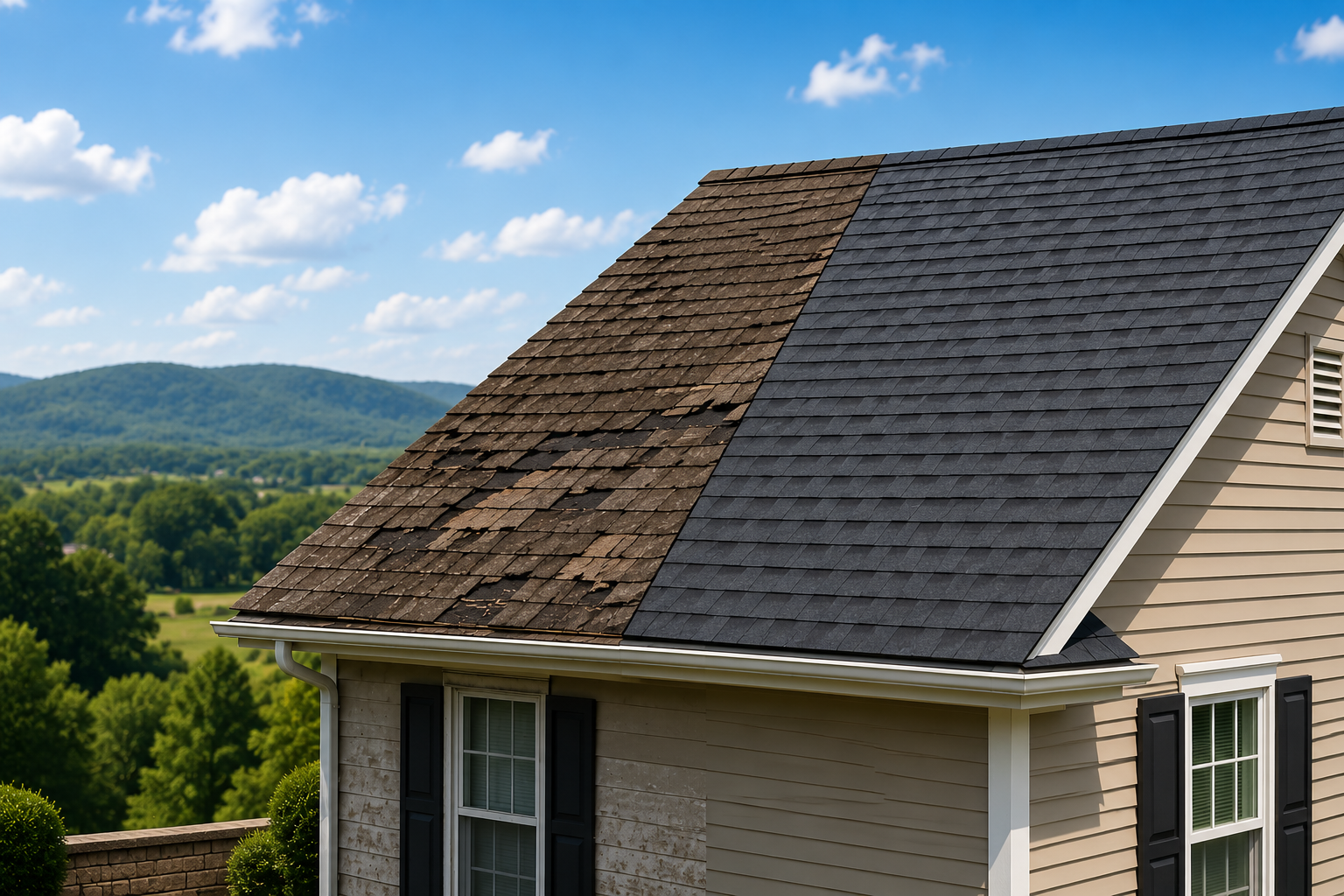
Spring is here in North Georgia, and while we're all excited for warmer weather, it's also a really important time to think about your roof. Winter can be tough on homes around here, with freezing temperatures and storms. A spring roof inspection Georgia homeowners should consider is like giving your house a check-up after a long, hard season. It's the best way to catch any little problems before they turn into big, expensive headaches, especially with our unpredictable weather patterns.
Key Takeaways
- March is a key month for a spring roof inspection Georgia homeowners should consider.
- A thorough inspection checks shingles, flashing, seals, gutters, and attic spaces.
- Early detection of small issues prevents costly roof repairs later.
- Choosing licensed and insured local roofers ensures accurate inspections.
- Regular inspections extend the lifespan of your roof and protect home value.
Why March Is Crucial for Your Georgia Roof Inspection
Understanding North Georgia's Weather Impact
North Georgia weather can change quickly. March sits right between winter damage and spring storm season.
- Frequent early spring storms with hail and wind
- Winter moisture and freezing temperatures damaging roofing materials
- Temperature swings that expand small cracks and leaks
Scheduling a roof inspection in March helps homeowners catch problems before heavy rains arrive.
Early spring inspections give homeowners time to repair minor damage before storm season intensifies.
The Lingering Effects of Winter
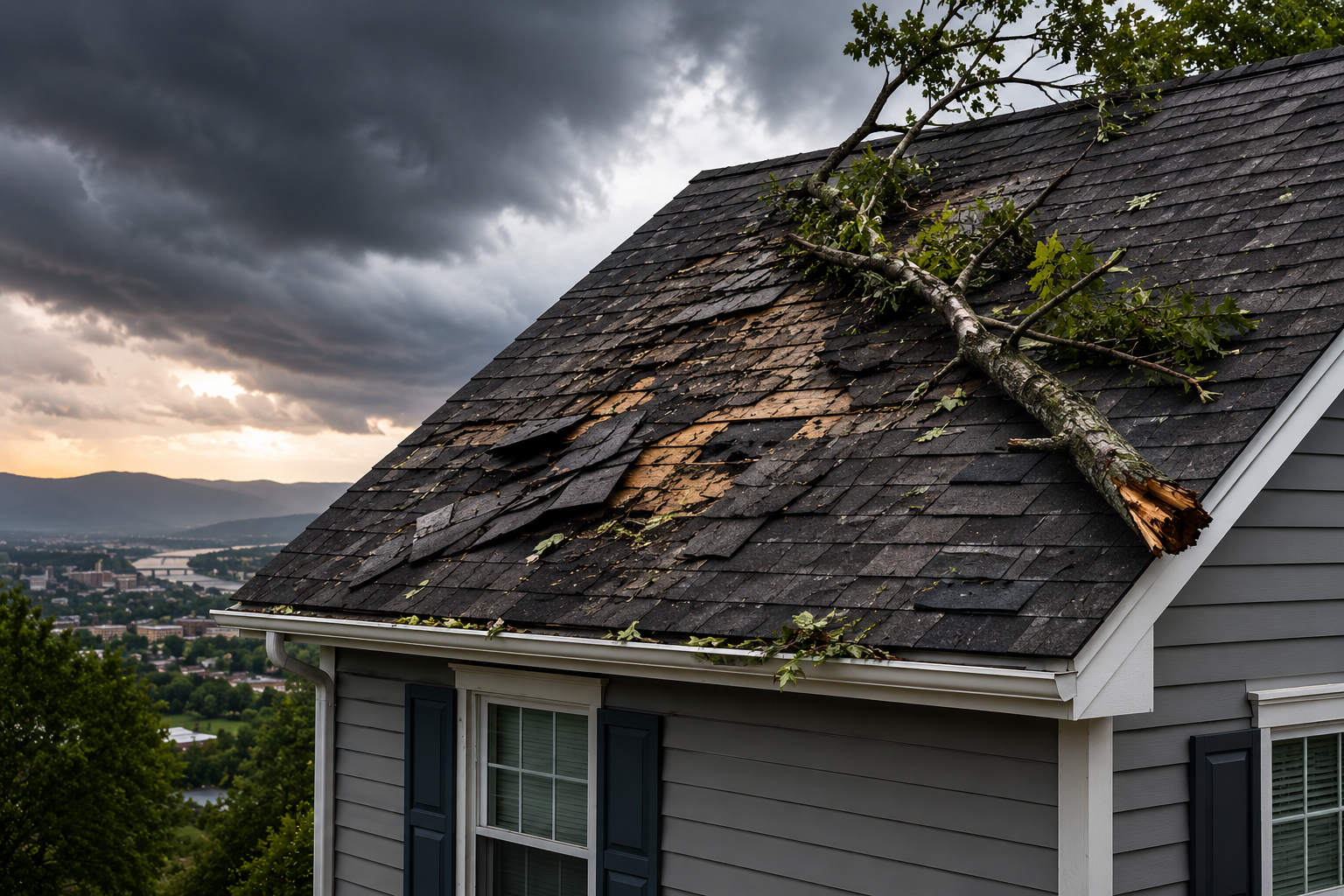
Winter weather often leaves hidden damage that becomes visible in early spring.
- Freeze-thaw cycles causing cracked shingles
- Ice buildup affecting roof drainage
- Debris and loose materials after winter storms
These issues can remain unnoticed until spring storms expose them.
Preparing for Spring Rain and Summer Heat
Spring storms and hot summers place extra stress on roofing systems.
- Clean debris from gutters and downspouts
- Check flashing and sealants for damage
- Inspect for sagging roof sections or pooling water
Preparing early helps prevent leaks and structural damage during severe weather.
Key Components Checked During a Spring Roof Inspection
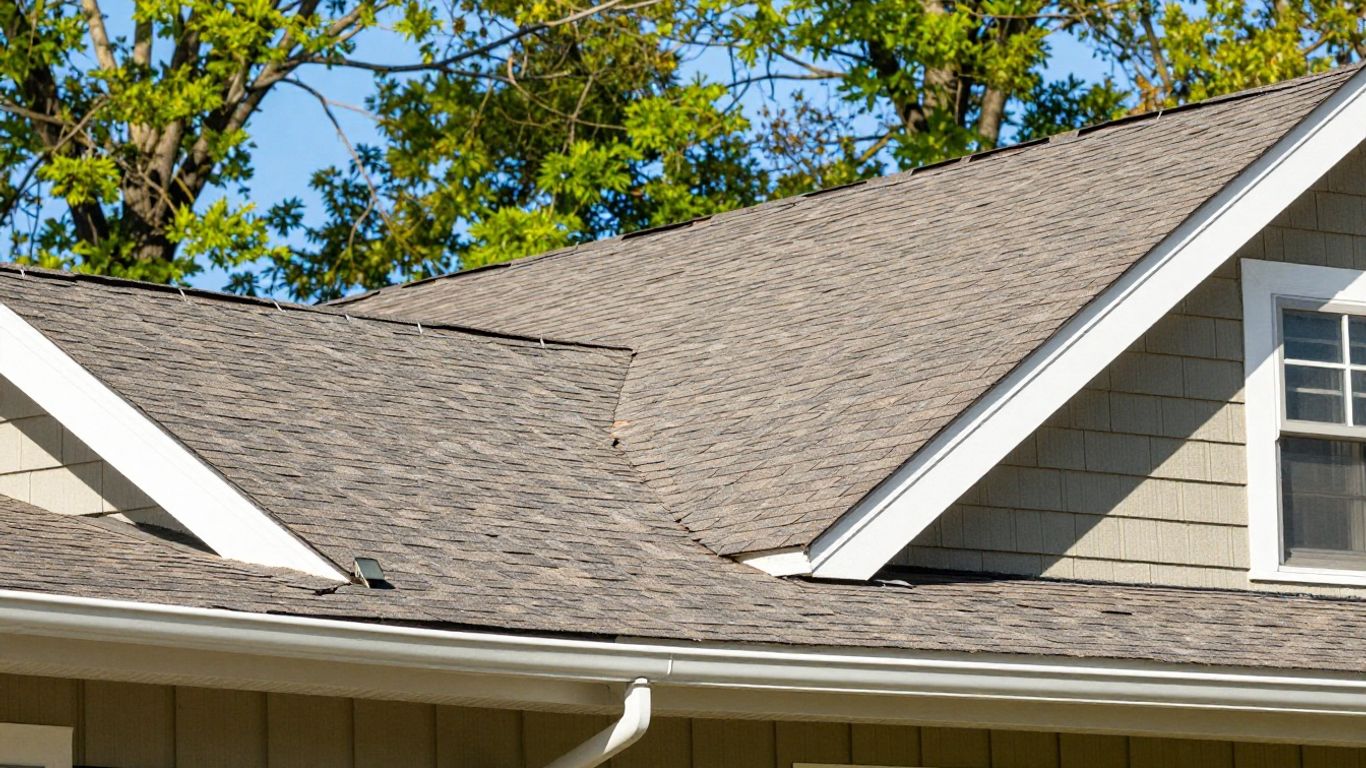
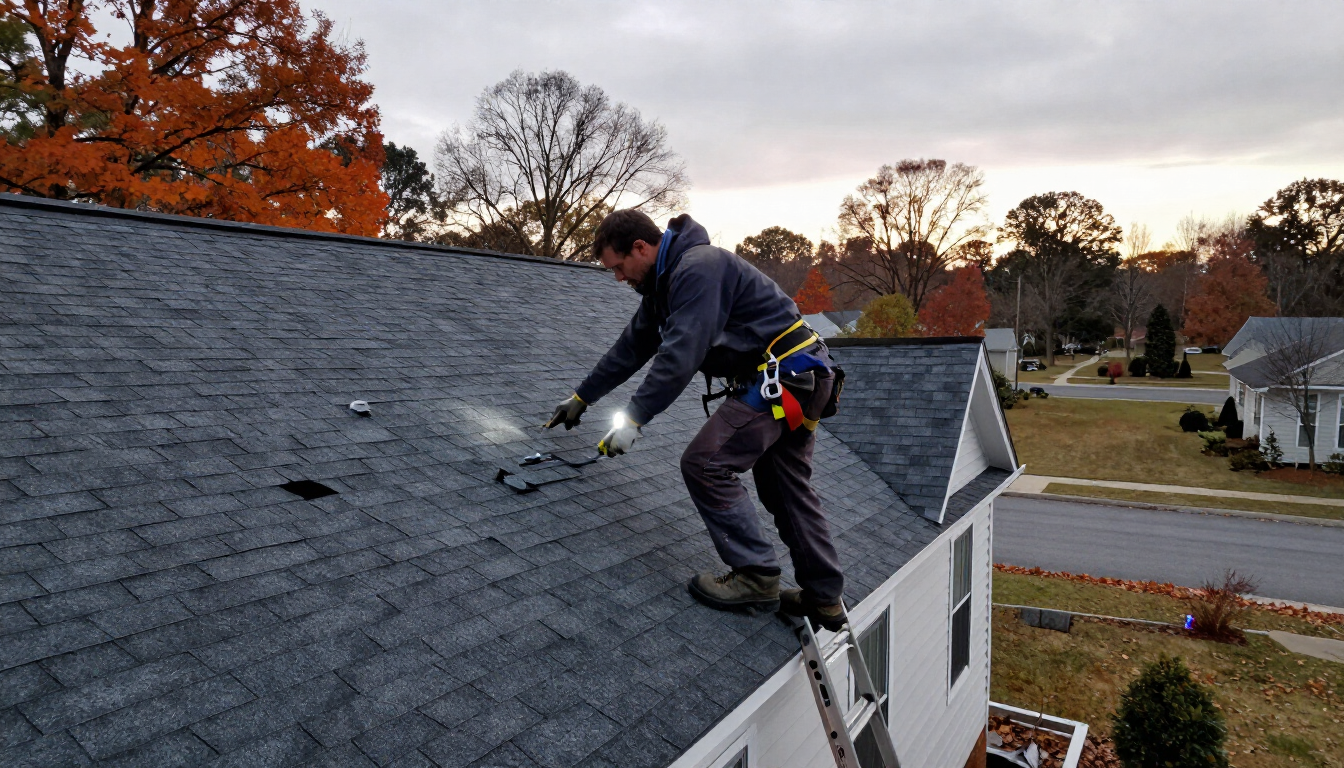
Shingle Condition and Granule Loss
Shingles act as your roof’s first line of defense against weather.
- Missing or cracked shingles
- Curling edges
- Granule loss exposing the shingle surface
Granules protect shingles from UV damage and wear. Excessive loss may signal aging roofing materials.
Flashing and Roof Seals
Flashing surrounds vulnerable roof areas such as chimneys, skylights, and vents.
- Rust or corrosion
- Cracked sealant
- Gaps where water could enter
Damaged flashing is one of the most common sources of roof leaks.
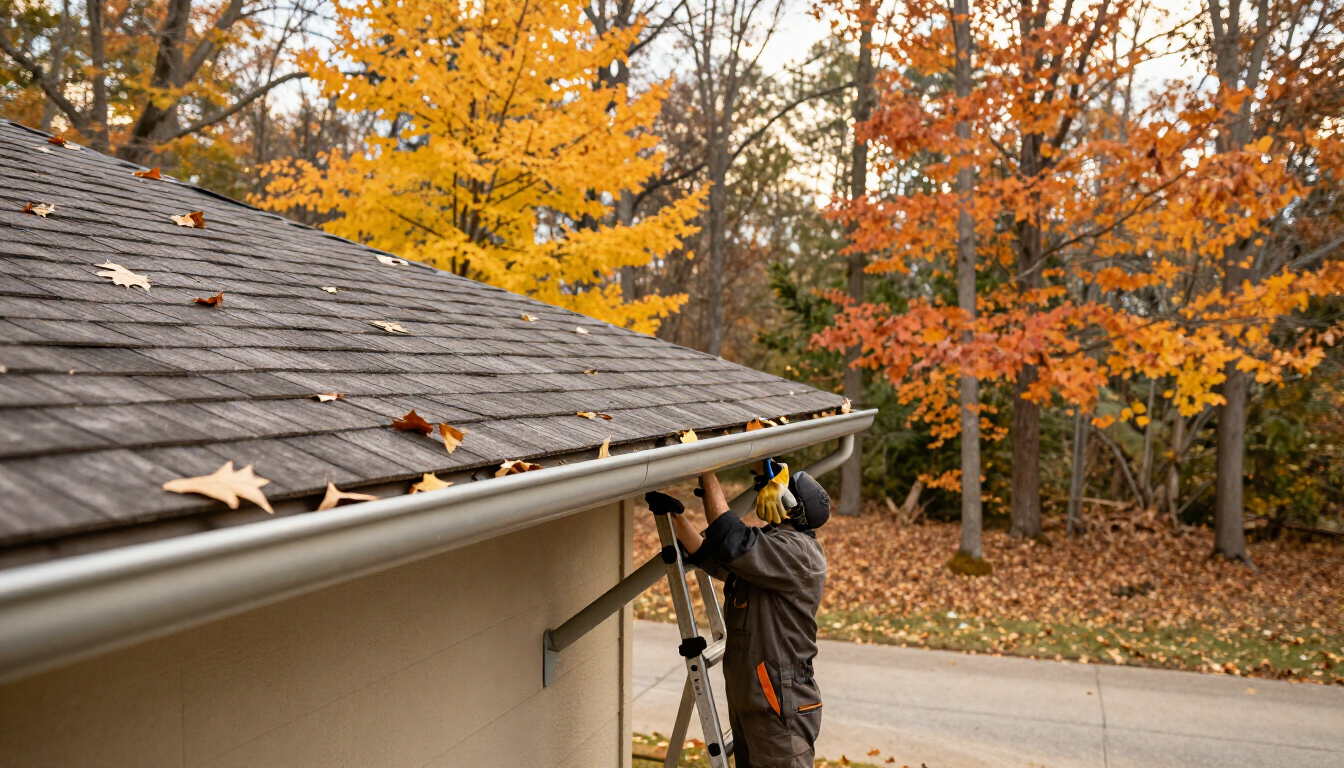
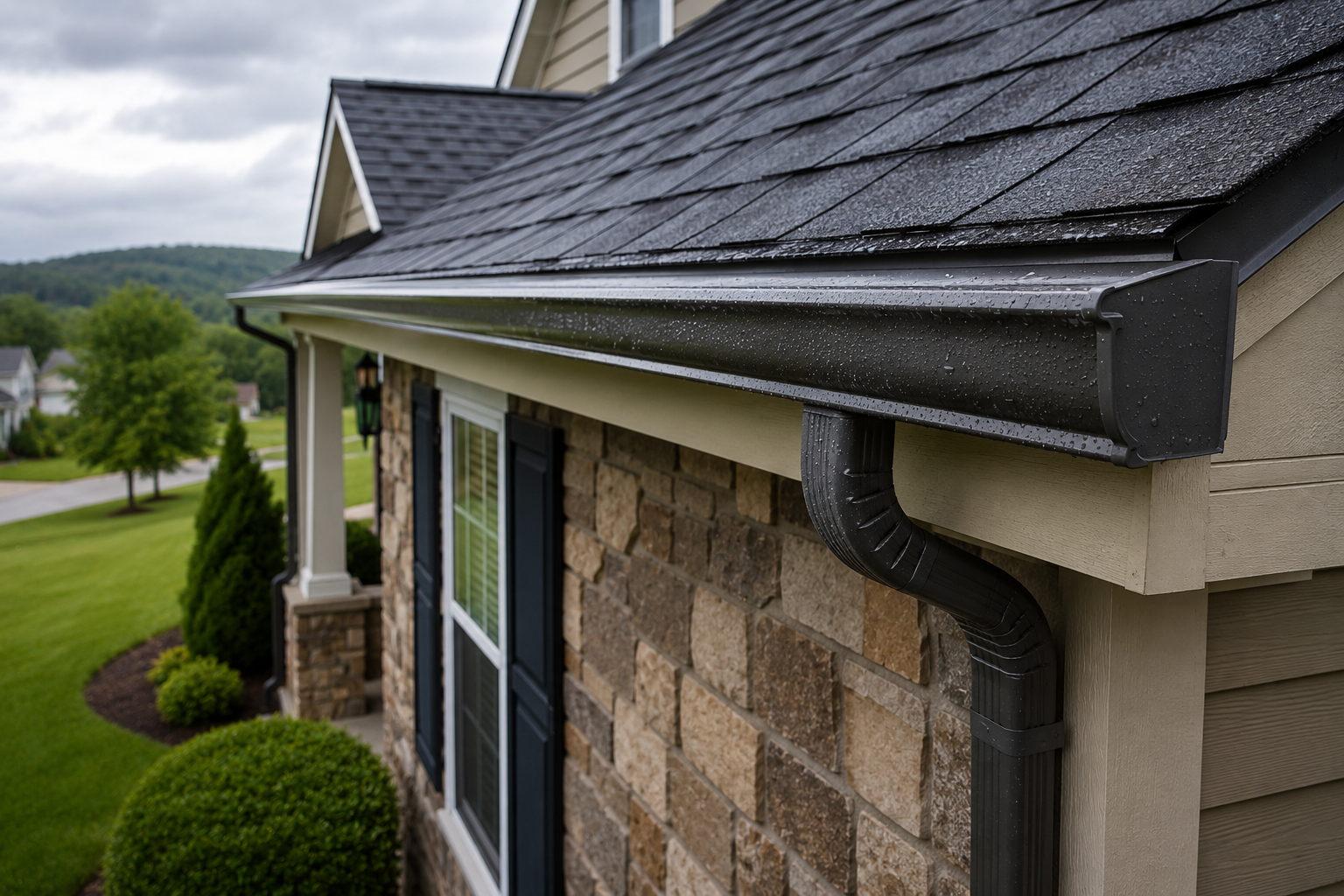
Gutters and Drainage Systems
Gutters direct rainwater away from your roof and foundation.
- Check for debris and clogs
- Confirm gutters slope correctly
- Inspect downspouts for blockages
Proper drainage prevents water buildup and structural damage.
Attic and Interior Inspection
Roof inspections often include attic checks for hidden moisture problems.
- Water stains on roof decking
- Mold or mildew growth
- Poor attic ventilation
Attic inspections help identify leaks before they appear inside living spaces.
A full roof inspection evaluates how all roof components work together to protect the home.
Preventing Costly Damage with Early Detection
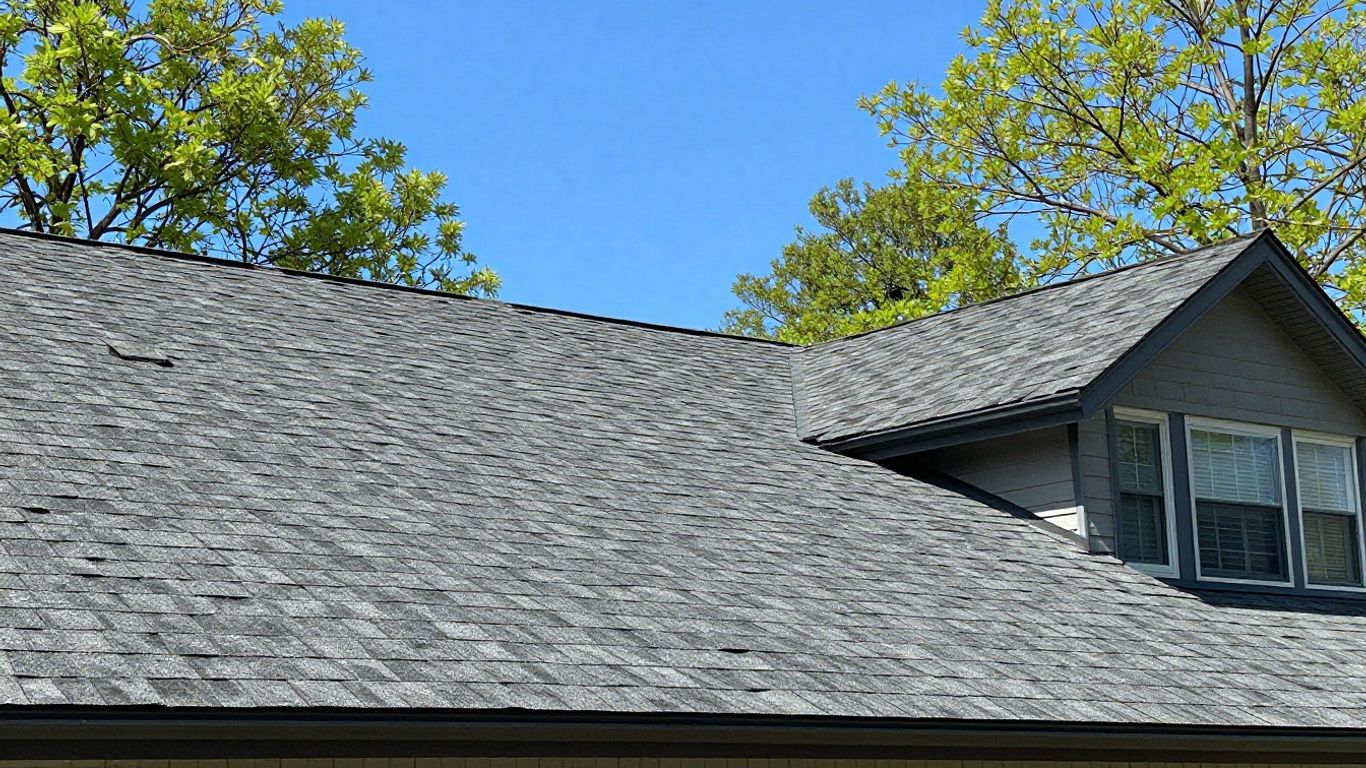
The Cost of Skipping Roof Inspections
Small roof issues can become major structural problems if left unchecked.
Ignoring minor roof damage can eventually lead to expensive repairs or full roof replacement.
How Small Problems Become Major Repairs
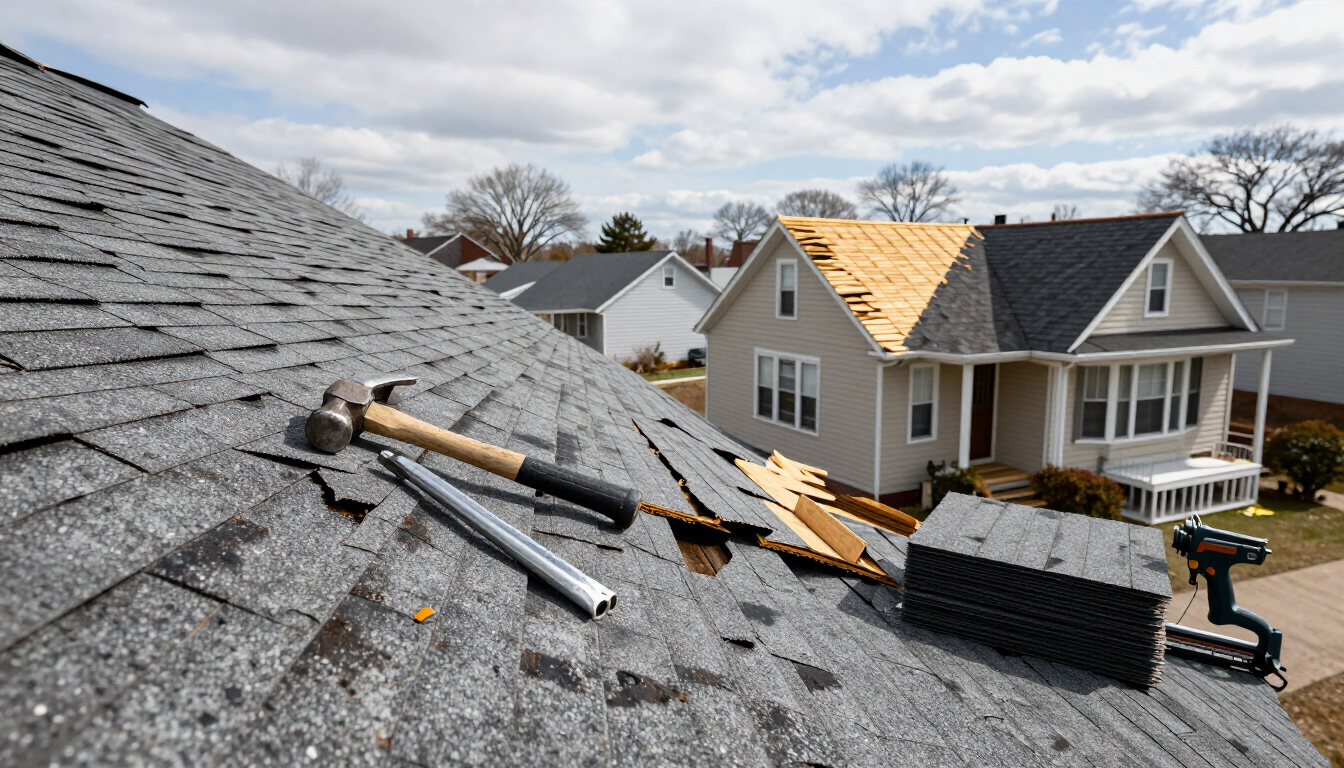
A missing shingle may allow water to penetrate the roof structure.
- Wood decking damage
- Insulation deterioration
- Interior ceiling leaks
Minor repairs performed early often prevent thousands of dollars in damage.
Benefits of Proactive Maintenance
- Identify problems early
- Plan for repairs before emergencies occur
- Protect the structural integrity of the home
Routine inspections help homeowners avoid unexpected roofing emergencies.
Choosing the Right Roofing Professional
Licensed and Insured Contractors
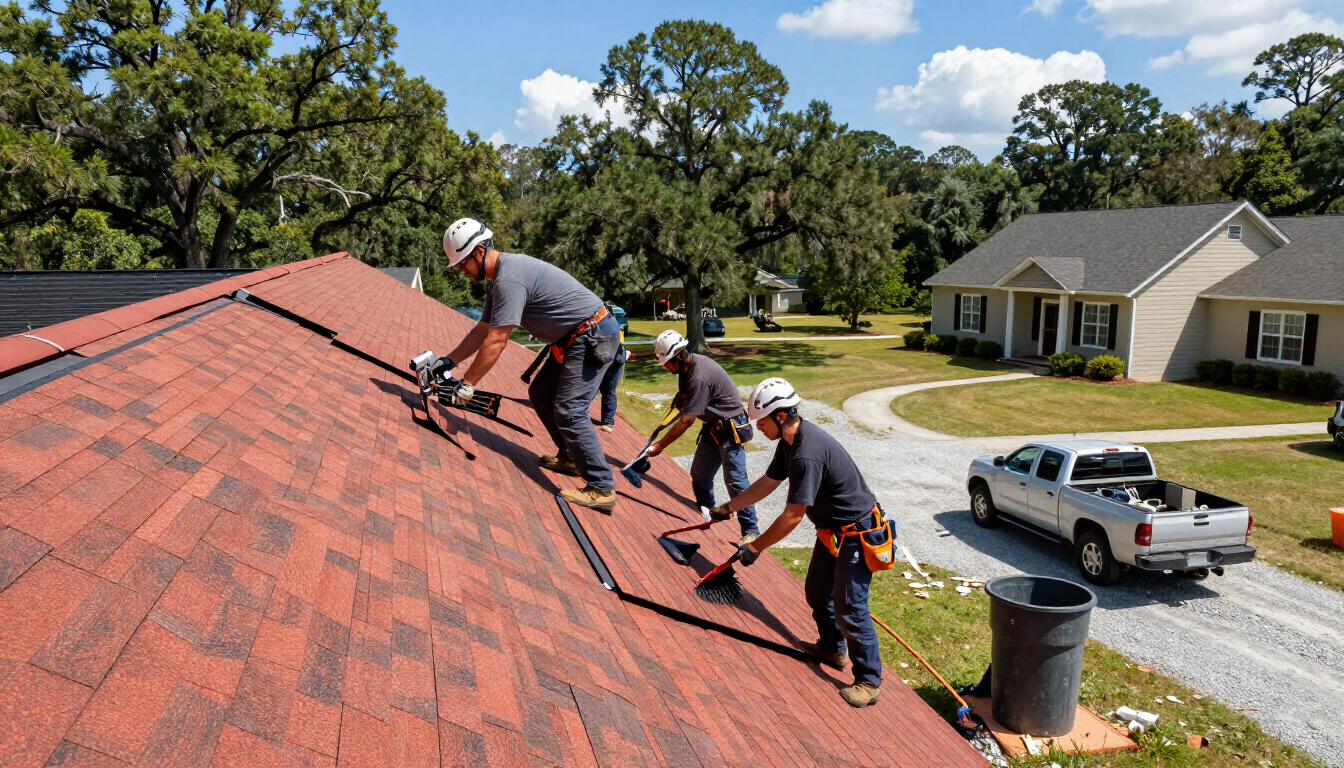
Hiring licensed and insured roofing professionals ensures safe and reliable inspections.
- Verify contractor licensing
- Request proof of liability insurance
- Confirm worker’s compensation coverage
Working with licensed contractors protects homeowners from liability and ensures professional service.
Local Roofing Expertise
North Georgia roofing contractors understand regional weather challenges.
- Storm and wind damage
- Humidity and algae growth
- Tree debris after storms
Local experience allows contractors to identify problems specific to the region.
Detailed Inspection Reports
A professional inspection should include:
- Written roof condition report
- Photographs of problem areas
- Recommended repair actions
This documentation helps homeowners understand roof condition and repair priorities.
Maximizing Roof Lifespan in Georgia
Roof maintenance schedules should adjust based on roof age.
- Roofs under 10 years old: basic inspections twice a year
- Roofs 10–20 years old: closer inspections after storms
- Roofs over 20 years old: annual professional inspections
Regular inspections help prevent surprise repairs and extend roof lifespan.
Older roofs require more frequent monitoring because minor damage can escalate quickly.
Climate Challenges in Georgia
- Intense UV exposure during summer
- High humidity encouraging mold growth
- Frequent storms and heavy rainfall
Proactive maintenance reduces the long-term impact of these weather conditions.
Maintenance vs Major Repairs
Routine maintenance is far less expensive than emergency repairs.
- Clean gutters regularly
- Replace damaged shingles early
- Ensure attic ventilation works properly
Addressing small issues early can add years to your roof's lifespan.
Spring Roof Inspection Georgia: A Smart Investment
Protecting Your Home’s First Line of Defense
Your roof shields your home from rain, wind, pests, and temperature extremes.
Spring inspections identify small problems before they cause major damage.
Peace of Mind Before Storm Season
- Prevent leaks during heavy rain
- Fix damaged flashing or seals
- Address winter storm damage
Knowing your roof is in good condition makes spring storm season far less stressful.
Protecting Property Value
Maintaining your roof helps preserve the overall value of your home.
- Well-maintained roofs attract buyers
- Avoid unexpected repair costs during home sales
- Prevent structural damage to the property
Spring roof inspections protect your investment and help maintain long-term home value.
To schedule your inspection, visit our website to request a free estimate.
Wrapping Up
March is an ideal time for homeowners in North Georgia to inspect their roofs after winter. Addressing minor damage early helps prevent expensive repairs and ensures your home is ready for spring storms and summer heat.
Frequently Asked Questions
Why is March ideal for roof inspections in North Georgia?
March follows winter weather and precedes heavy spring storms, making it the perfect time to identify roof damage.
How often should roofs be inspected?
Most roofing professionals recommend inspections twice a year, typically in spring and fall.
What does a roof inspection include?
Inspections check shingles, flashing, gutters, seals, and attic areas for damage or moisture.
Can homeowners inspect roofs themselves?
Homeowners can check visible areas, but professionals can identify hidden issues safely.
What happens if inspections are skipped?
Small roofing problems may worsen and lead to expensive repairs.
How do I choose a roofing inspector?
Look for licensed, insured, and locally experienced roofing professionals.