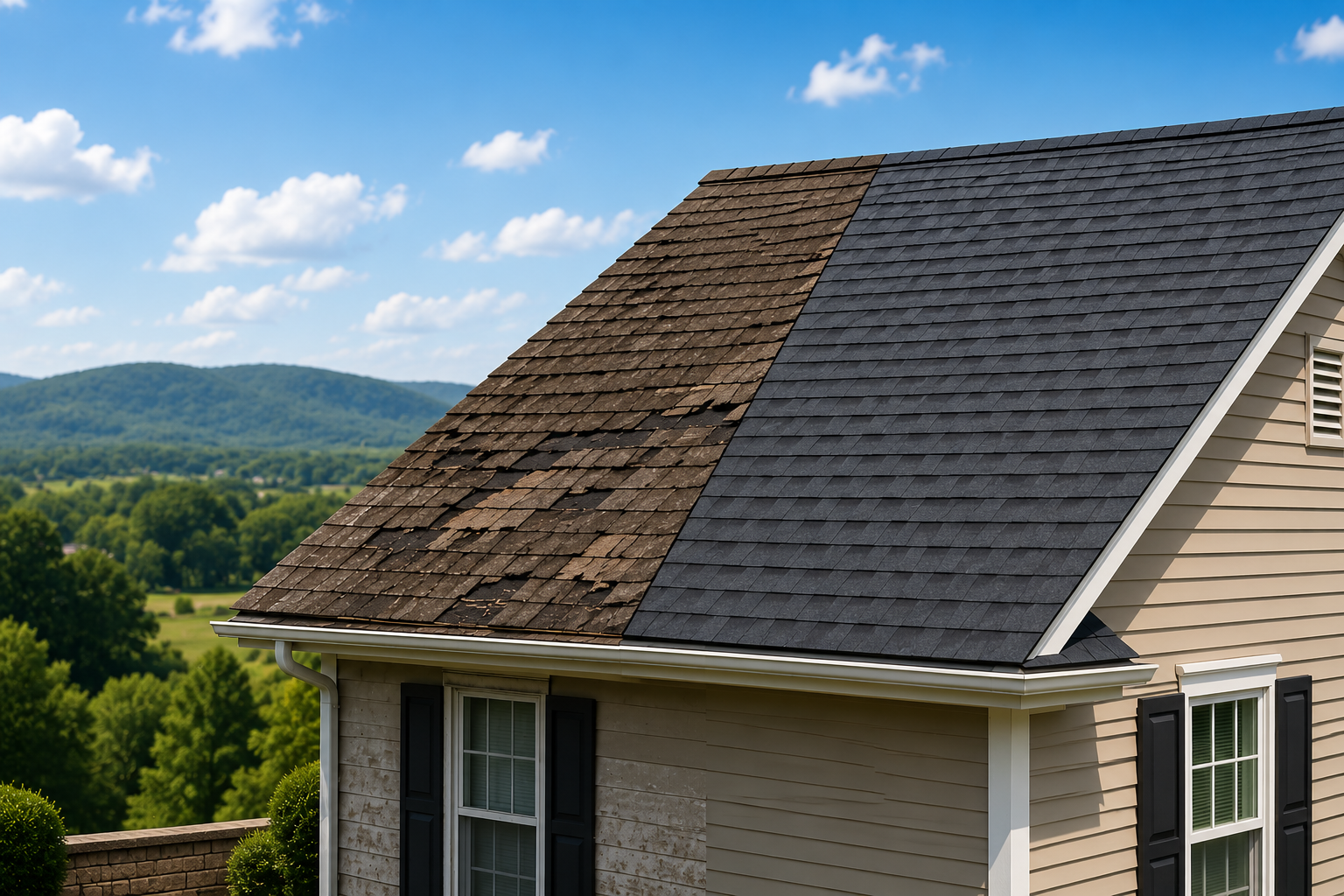
If you live in Georgia, you know the weather can be unpredictable. One day it’s sunny, the next there’s a tornado watch, and before you know it, you’re checking your roof for missing shingles. When storm damage hits, figuring out what your homeowners insurance actually covers can be confusing. Is your roof protected after a big storm, or will the insurance company say it’s just normal wear and tear? Let’s break down what you need to know about storm damage insurance roof coverage in Georgia and how it’s different from regular aging or maintenance issues.
Key Takeaways
- Homeowners insurance in Georgia usually covers sudden storm damage to your roof, like wind, hail, or falling trees, but not normal wear and tear.
- Flood damage isn’t covered by standard policies, so separate flood insurance is required.
- Additional Living Expenses (ALE) coverage may help pay for temporary housing if your home becomes unlivable after a storm.
- Insurance companies expect homeowners to maintain their roofs properly.
- Storm damage deductibles may be flat amounts or percentages of your home’s value.
Understanding Your Georgia Homeowners Policy
When you own a home in Georgia, having the right insurance policy is important. It protects your home and your finances when unexpected damage happens.
Common Policy Types in Georgia
The most common homeowners insurance policy in Georgia is the HO-3 policy. It typically covers damage to the home from most causes unless specifically excluded. Personal belongings are covered for specific named risks such as fire, theft, or storms.
Other policy types include:
- HO-1: Basic coverage with limited protection
- HO-2: Broad coverage for named events
- HO-8: Designed for older homes
Key Coverage Areas Explained
Most homeowners policies include several coverage sections.
- Dwelling Coverage: Covers the structure of your home including the roof, walls, and built-in features.
- Other Structures Coverage: Protects detached buildings like sheds, fences, and garages.
- Personal Property Coverage: Covers belongings such as furniture, electronics, and clothing.
Insurance policies contain important details about what is covered and what is excluded. Reviewing your policy regularly helps avoid surprises during a claim.
Additional Living Expenses Coverage
If your home becomes unlivable due to a covered event, Additional Living Expenses (ALE) coverage can help pay for temporary housing, meals, and related costs.
For example, if storm damage requires roof repairs and you must stay elsewhere temporarily, ALE coverage can help cover those expenses.
Georgia's Unique Weather Risks and Insurance
Georgia homeowners face several weather risks that can affect roofs and structures.
Tornadoes and Severe Storms
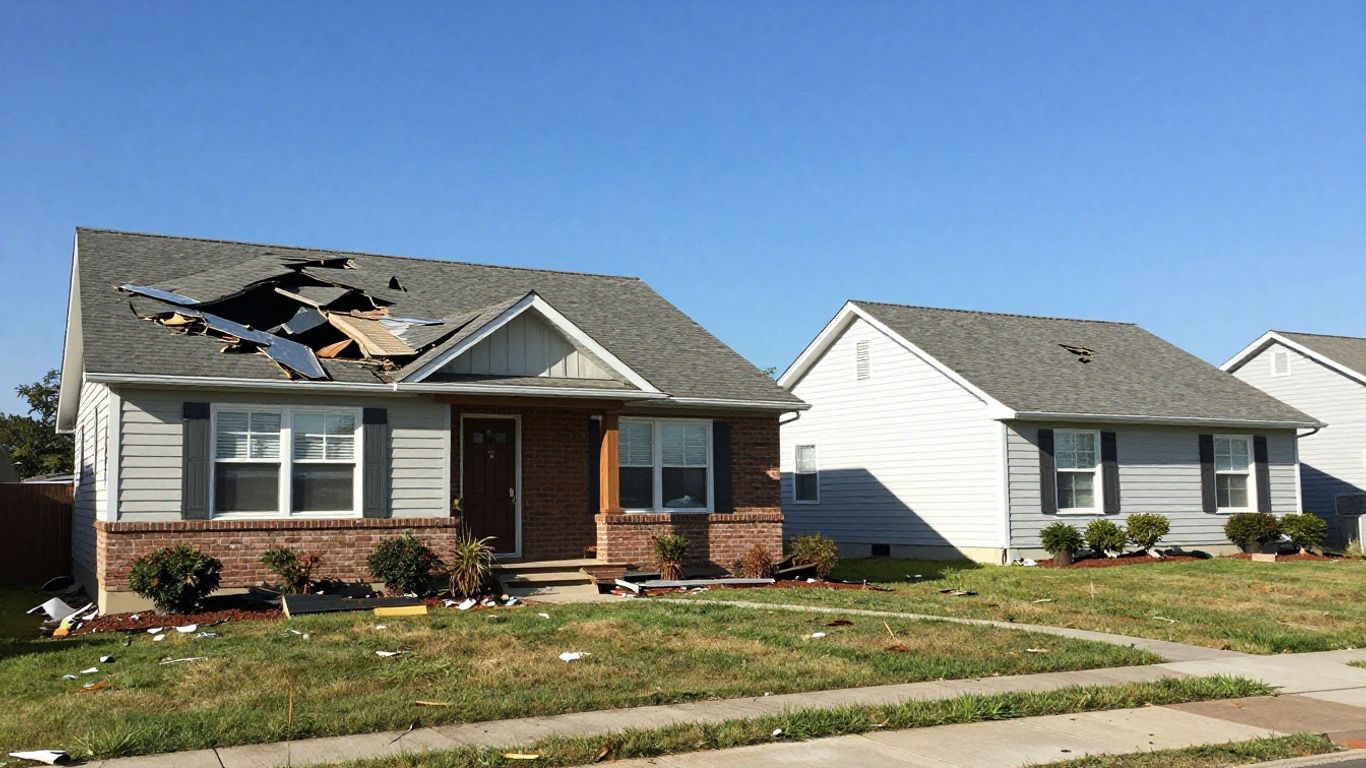
Spring storms and tornadoes can cause serious wind damage to roofs, siding, and windows.
Most policies cover wind damage, but many include separate wind and hail deductibles.
Hurricanes and Coastal Storms
Coastal areas of Georgia may experience hurricane-force winds and heavy rainfall. Some policies include higher deductibles for hurricane damage.
Flood Damage Exclusions
Flooding is not covered by standard homeowners insurance policies. Separate flood insurance is required to protect against flood-related damage.
Understanding local weather risks helps homeowners choose the right insurance coverage for their region.
What Your Insurance Policy Covers
Coverage for Storm Damage Insurance Roof
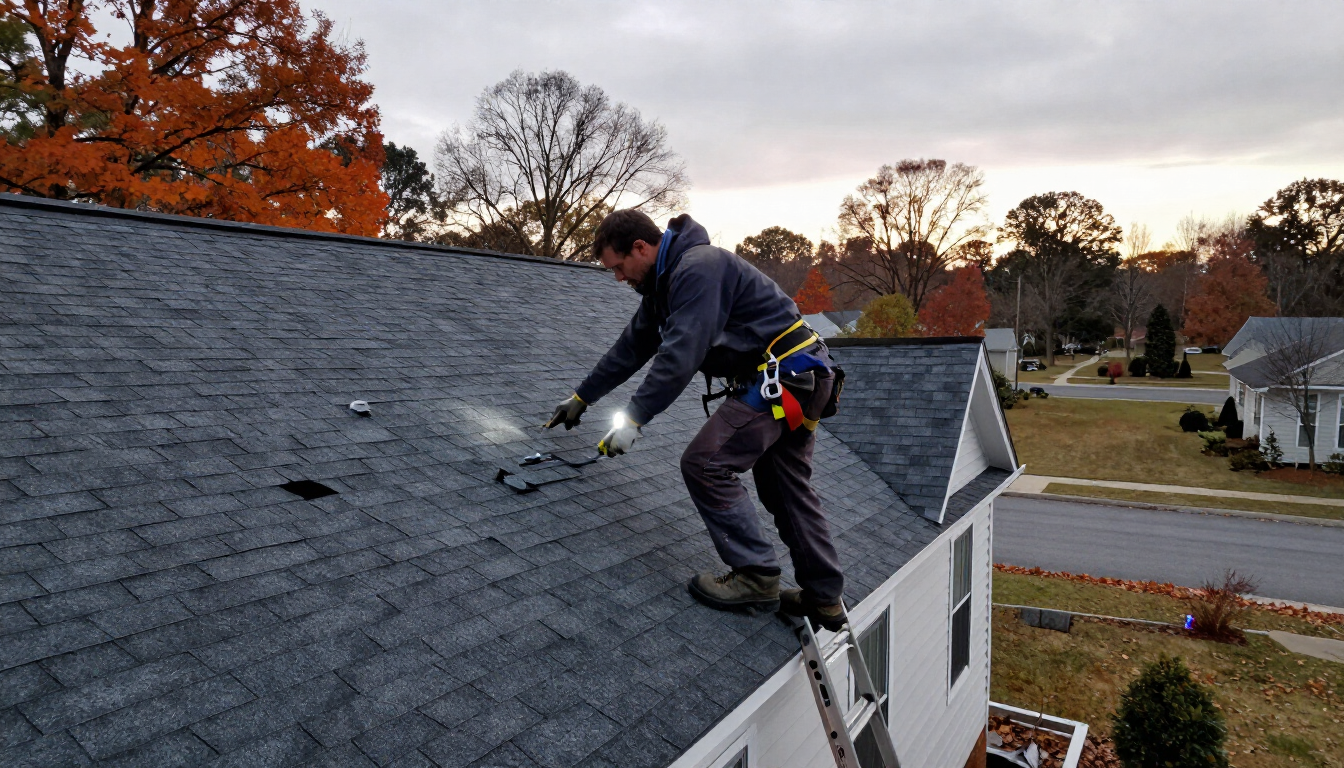
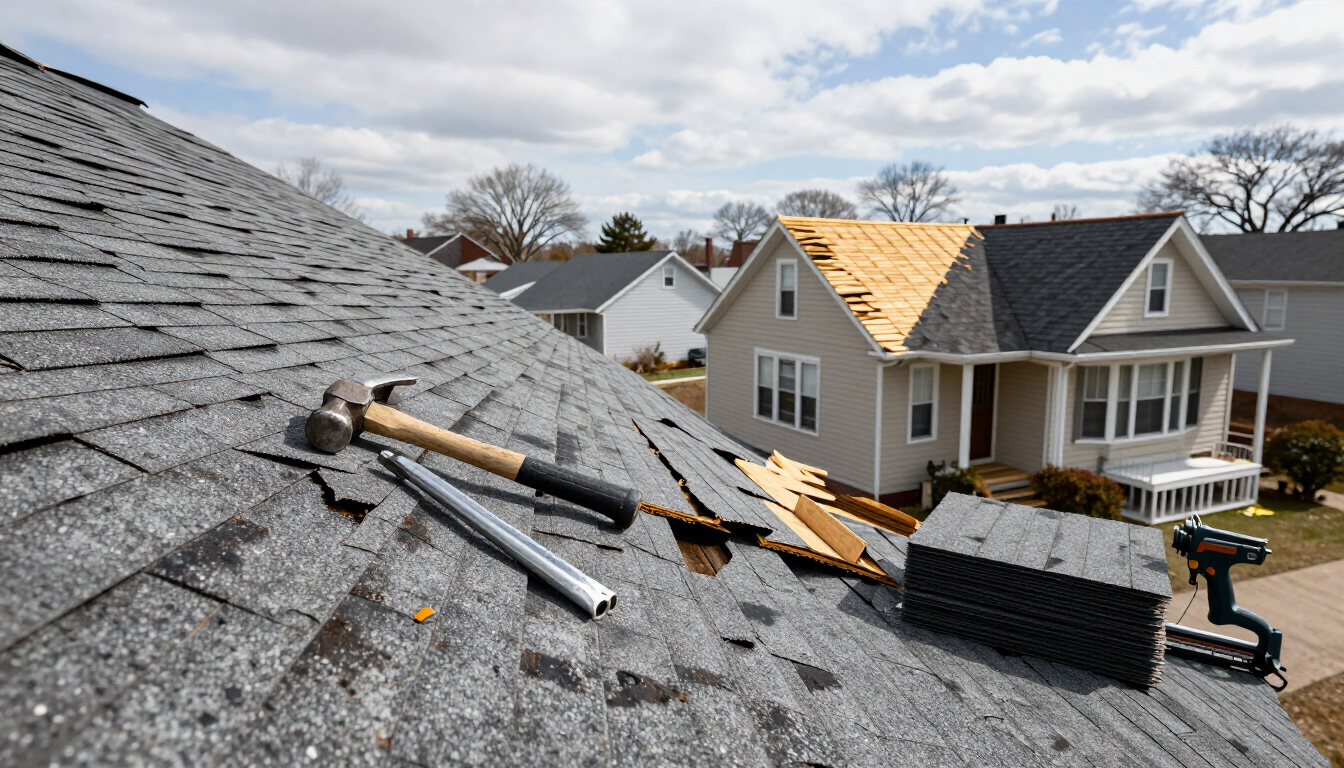
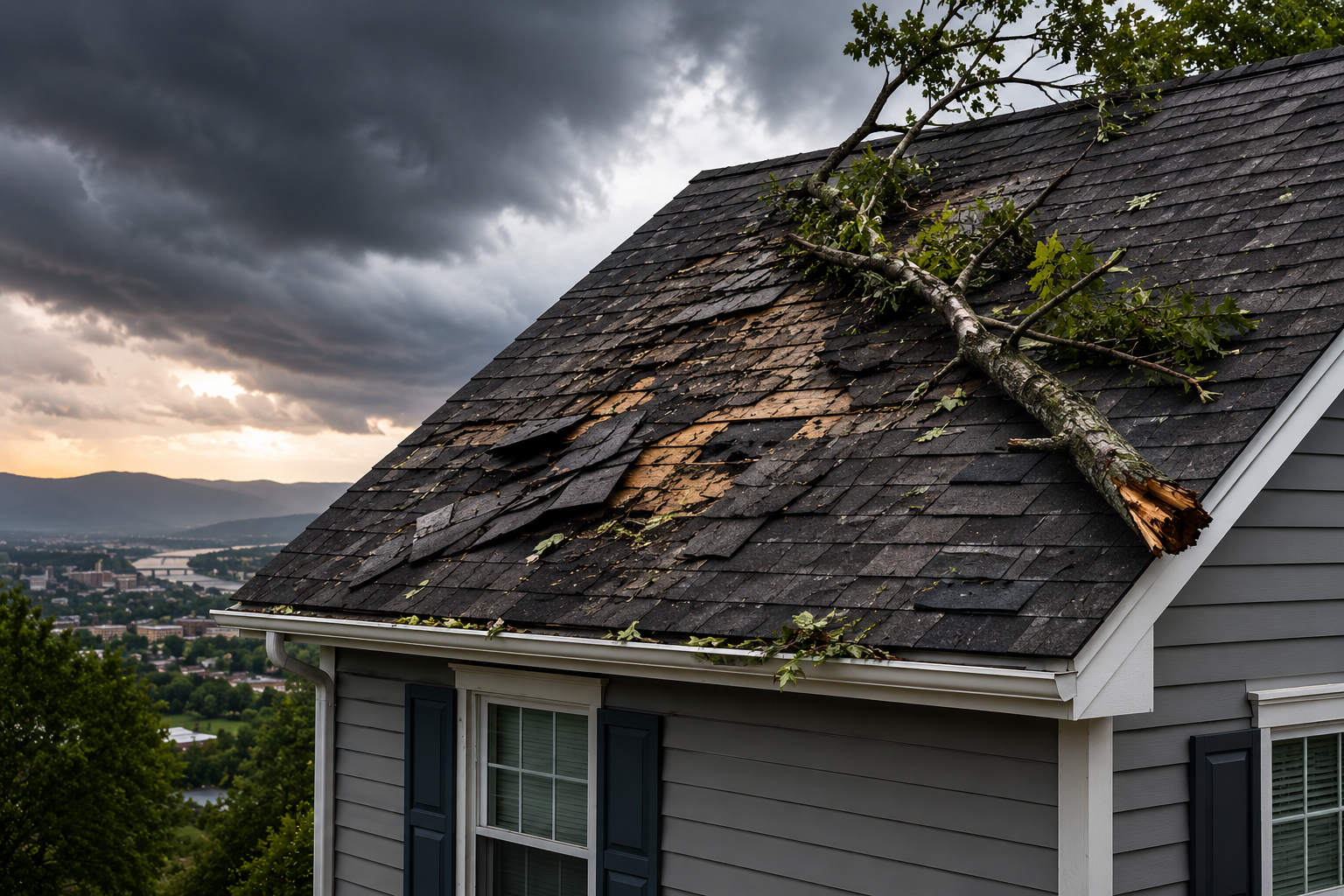
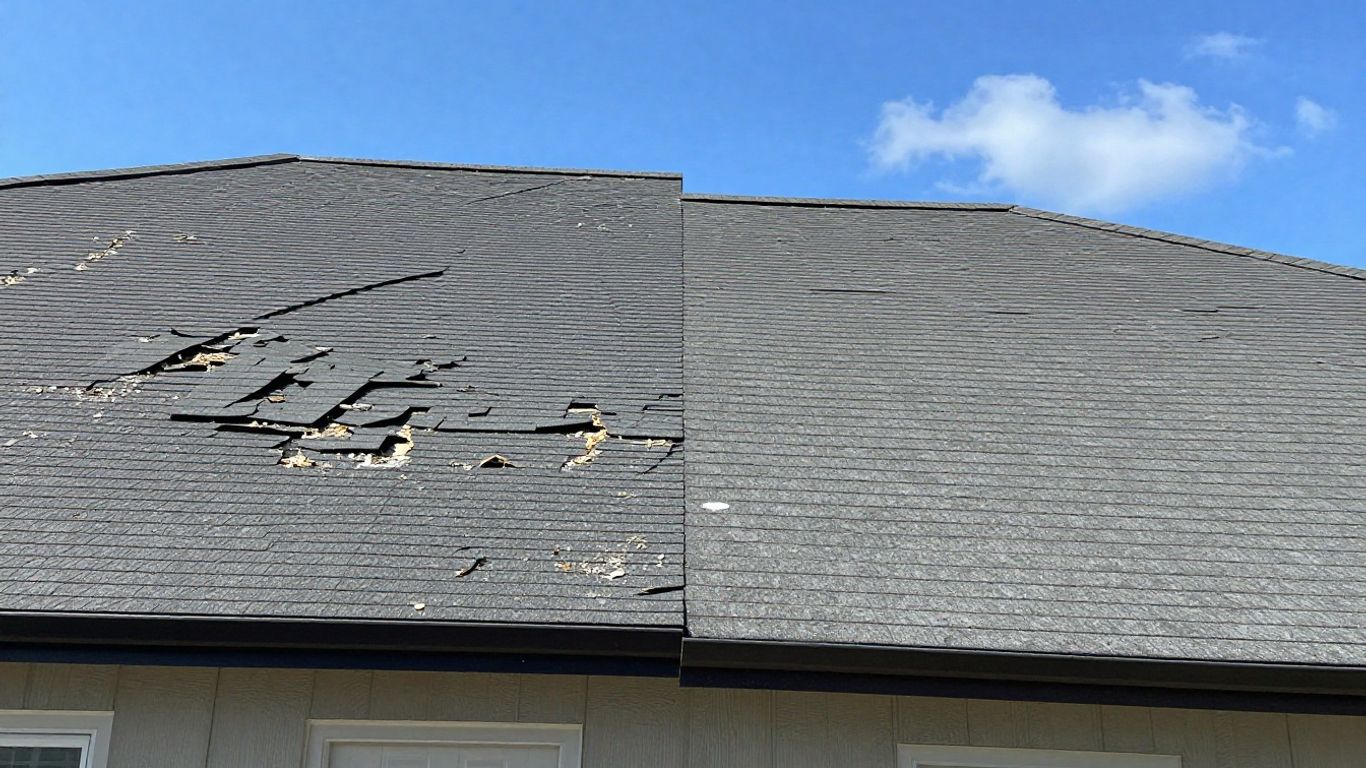
If severe weather damages your roof, most standard policies will cover the repair or replacement if the damage was sudden and accidental.
- Wind and hail damage
- Falling tree damage
- Storm-related structural damage
Insurance companies must confirm that the damage was caused by a covered event and not by age or neglect.
Damage from Fallen Trees
If a tree falls on your house during a storm, insurance usually covers the damage and removal if it affects a covered structure.
Fire, Lightning, and Vandalism
Homeowners insurance also covers other risks including:
- Fire damage
- Lightning strikes
- Vandalism or intentional damage
When Insurance May Not Cover Roof Damage
Wear and Tear vs Accidental Damage
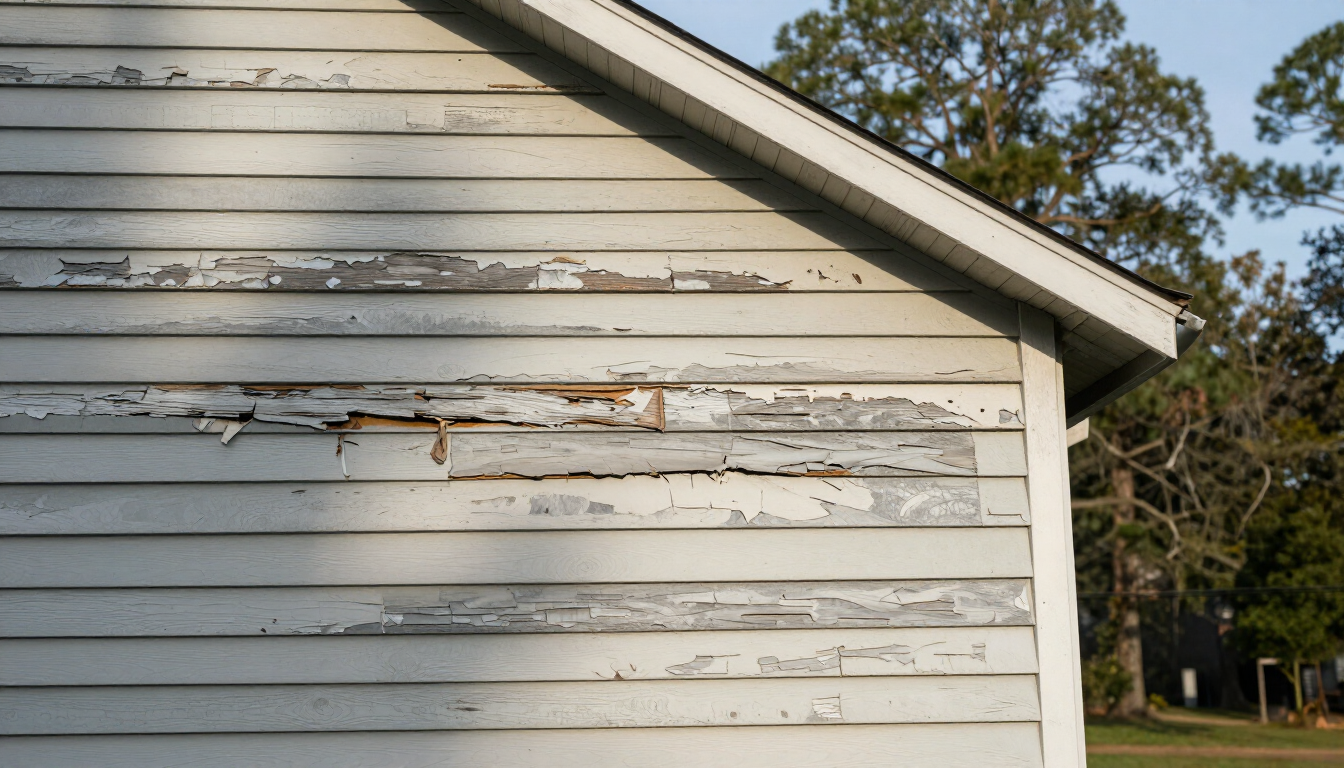
Insurance does not cover damage caused by aging materials or general deterioration.
- Old or deteriorating shingles
- Leaks caused by long-term wear
- Sun and weather aging
The Role of Home Maintenance
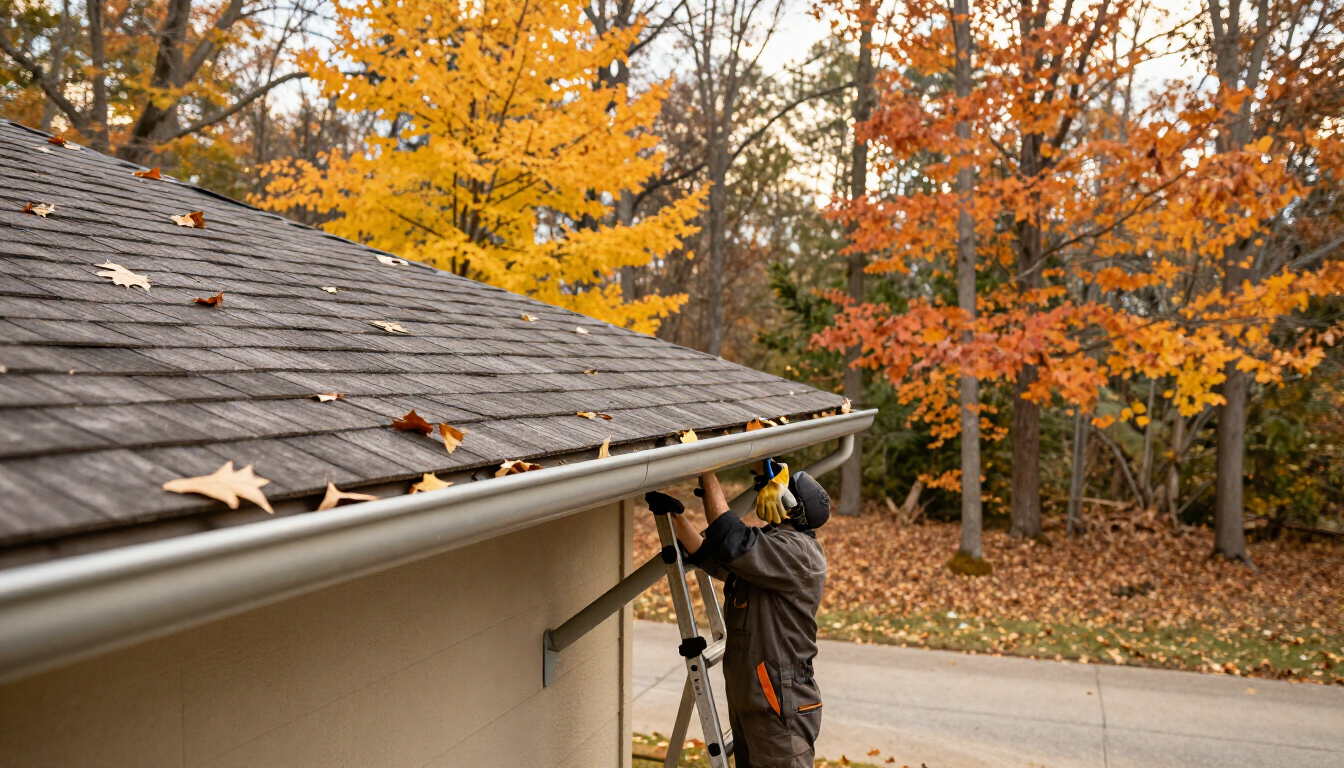
Insurance companies expect homeowners to maintain their property. Claims may be denied if damage results from neglect.
- Ignoring damaged shingles
- Not repairing leaks
- Failure to maintain gutters or flashing
Policy Exclusions
Policies often exclude certain conditions such as:
- Poor installation
- Pre-existing damage
- Improper repairs
- Certain roofing materials
Insurance is designed for sudden damage, not routine maintenance or gradual deterioration.
Navigating Deductibles for Storm Damage
A deductible is the amount homeowners must pay before insurance covers remaining repair costs.
Standard Deductible Amounts
Many policies include flat deductibles ranging from $500 to $2,000.
Percentage-Based Deductibles
Storm-related damage often uses percentage deductibles based on the home’s insured value.
For example, a home insured for $300,000 with a 1% deductible would require $3,000 out-of-pocket before insurance coverage begins.
Impact on Claims
Large deductibles may influence whether filing a claim is worthwhile.
Sometimes repair costs may be close to the deductible amount, making a claim unnecessary.
Protecting Your Property Beyond the Structure
Coverage for Other Structures
Most policies include coverage for detached structures such as:
- Garages
- Sheds
- Fences
- Gazebos
This coverage is typically about 10% of your dwelling coverage.
Personal Property Protection
Personal belongings like furniture, electronics, and clothing are usually covered at 50–70% of your dwelling coverage.
High-value items may require additional insurance.
Liability Protection
Liability coverage protects homeowners if someone is injured on their property.
This coverage may help pay medical costs or legal expenses.
Homeowners insurance protects more than just your home—it can also protect structures, belongings, and liability risks.
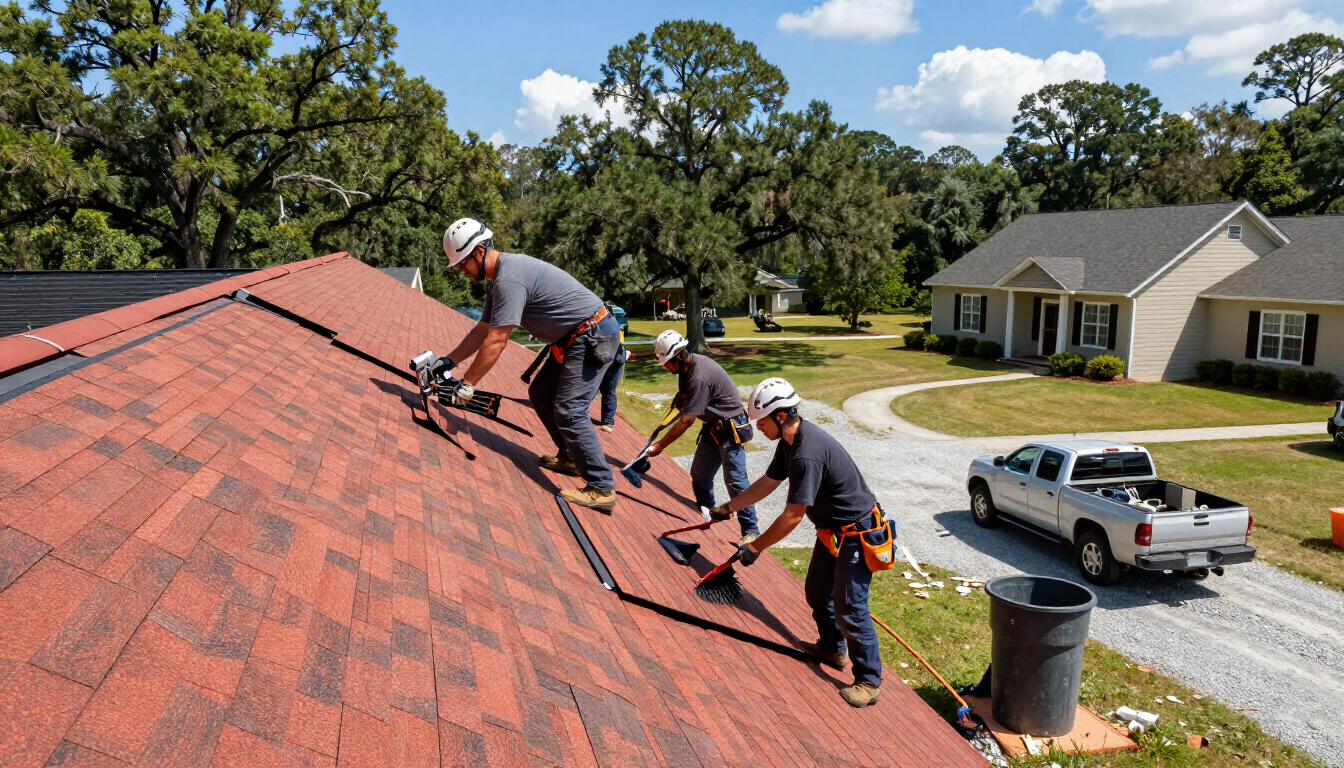
If you need help with storm-related roof damage, visit our website to request a free estimate.
Wrapping It Up
Understanding what your homeowners insurance covers can help you prepare for storm damage and avoid surprises during the claims process. Reviewing your policy regularly and maintaining your roof can help ensure you’re protected when severe weather strikes.
Frequently Asked Questions
Does homeowners insurance cover roof storm damage in Georgia?
Yes, most policies cover roof damage caused by wind, hail, and falling trees if the damage was sudden.
Does homeowners insurance cover flooding?
No, flood damage requires separate flood insurance coverage.
What is Additional Living Expenses coverage?
ALE coverage helps pay for temporary housing and related expenses if your home becomes unlivable after a covered loss.
Will insurance cover roof damage from aging?
No. Insurance does not cover wear and tear or aging roofing materials.
How do storm deductibles work?
Storm deductibles are often based on a percentage of your home's insured value rather than a flat dollar amount.
Does insurance cover sheds or fences?
Yes. Most policies include coverage for other structures like sheds, garages, and fences.