When winter finally lets up, most folks are just glad to see the sun again. But your roof? It might have taken a beating while you were busy shoveling the driveway or keeping warm inside. Snow, ice, wind, and wild temperature swings can leave behind all sorts of problems that aren’t always obvious at first. If you want to avoid an expensive surprise later, it’s worth checking for signs of winter roof damage repair needs before the next storm rolls in. Here’s what to keep an eye out for as the snow melts away.
Key Takeaways
- Look for water stains or damp spots inside your house as a hint your roof might be leaking from winter damage.
- Massive icicles or blocked gutters can be early warning signs of trouble, often leading to bigger problems if ignored.
- Cracked, curled, or missing shingles after storms mean your roof took a hit and might need repairs soon.
- If you hear odd creaks from above or notice your ceiling sagging, heavy snow might have stressed your roof structure.
- Check your attic for mold or soggy insulation—hidden moisture from winter can cause long-term issues if left unchecked.
Signs Of Ice Dams Lurking After Winter
Winter may be fading, but your roof could still be suffering from silent ice dam damage. These thick ice ridges form near roof edges when heat escapes from your attic and melts snow on the roof. The water refreezes at the colder edges, forming a barrier that traps additional meltwater behind it.
Stains Or Damp Spots On Ceilings And Walls
Never ignore brown stains or damp patches on ceilings and walls after a winter thaw. These signs often indicate water backing up behind an ice dam.
- Discolored rings or streaks on ceilings
- Peeling paint or bubbling drywall
- Musty smells near upper floors
If you recently noticed new ceiling stains, water trapped behind an ice dam may have found its way inside.
Water Dripping During A Thaw
Water dripping inside your home when outdoor temperatures rise can indicate melting snow that cannot drain properly.
- Water dripping from light fixtures or window frames
- Puddles near exterior walls
- Leaks appearing only during sunny winter days
Large Icicles Along Gutters
While icicles can look pretty, large clusters often signal water backing up behind an ice dam.
- Heavy icicles hanging along gutters
- Gutters bending under ice weight
- Water dripping from roof edges instead of gutters
Spotting these issues early helps prevent expensive repairs and interior damage.
Damage From Freeze-Thaw Cycles
Winter weather constantly shifts between freezing nights and warmer daytime temperatures. This freeze-thaw cycle can slowly damage roofing materials.
Water enters small cracks, freezes, expands, and makes those cracks bigger.
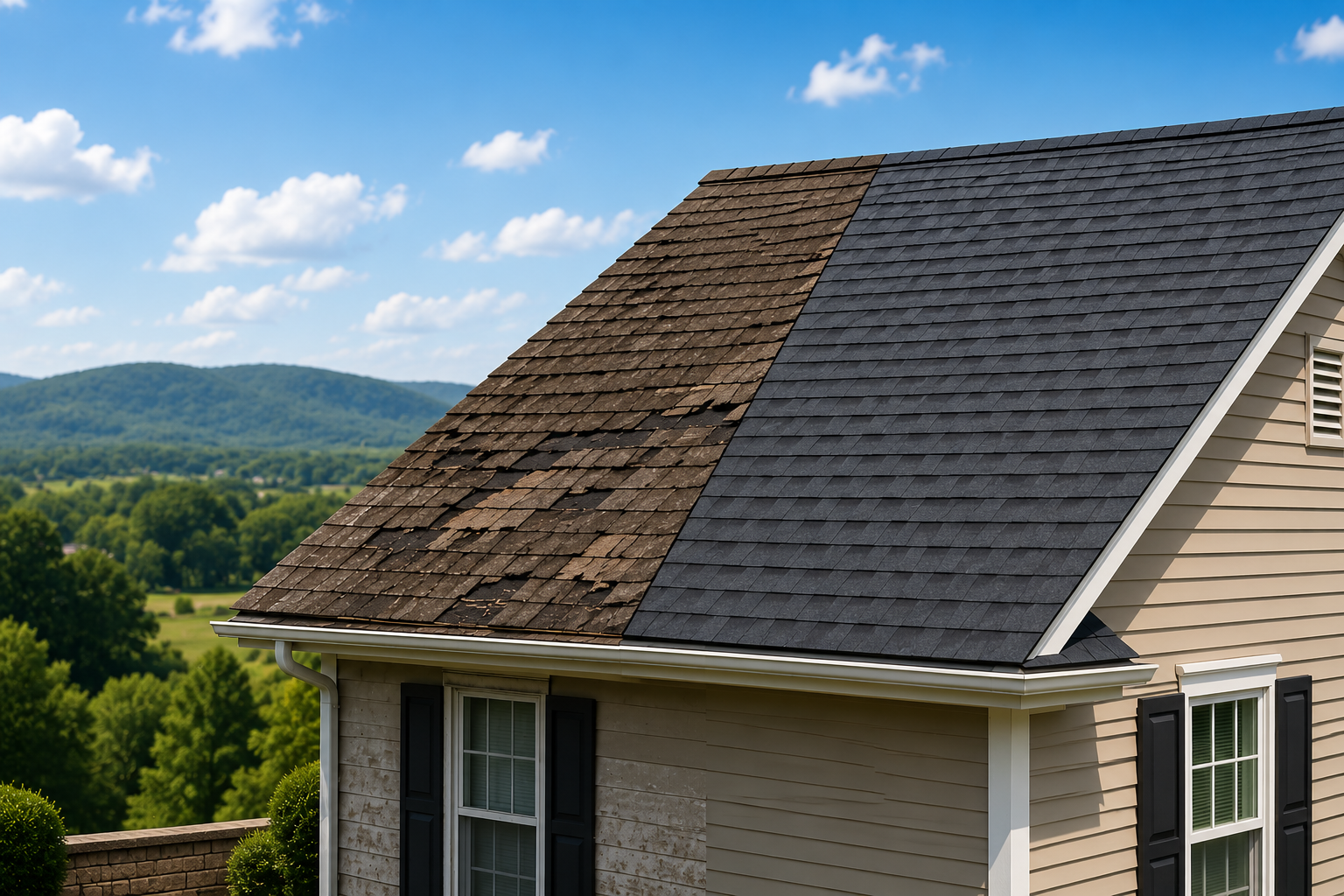
Curling Or Cracked Shingles
- Shingles curling at edges
- Visible cracks or splits
- Uneven shingles shifting in wind
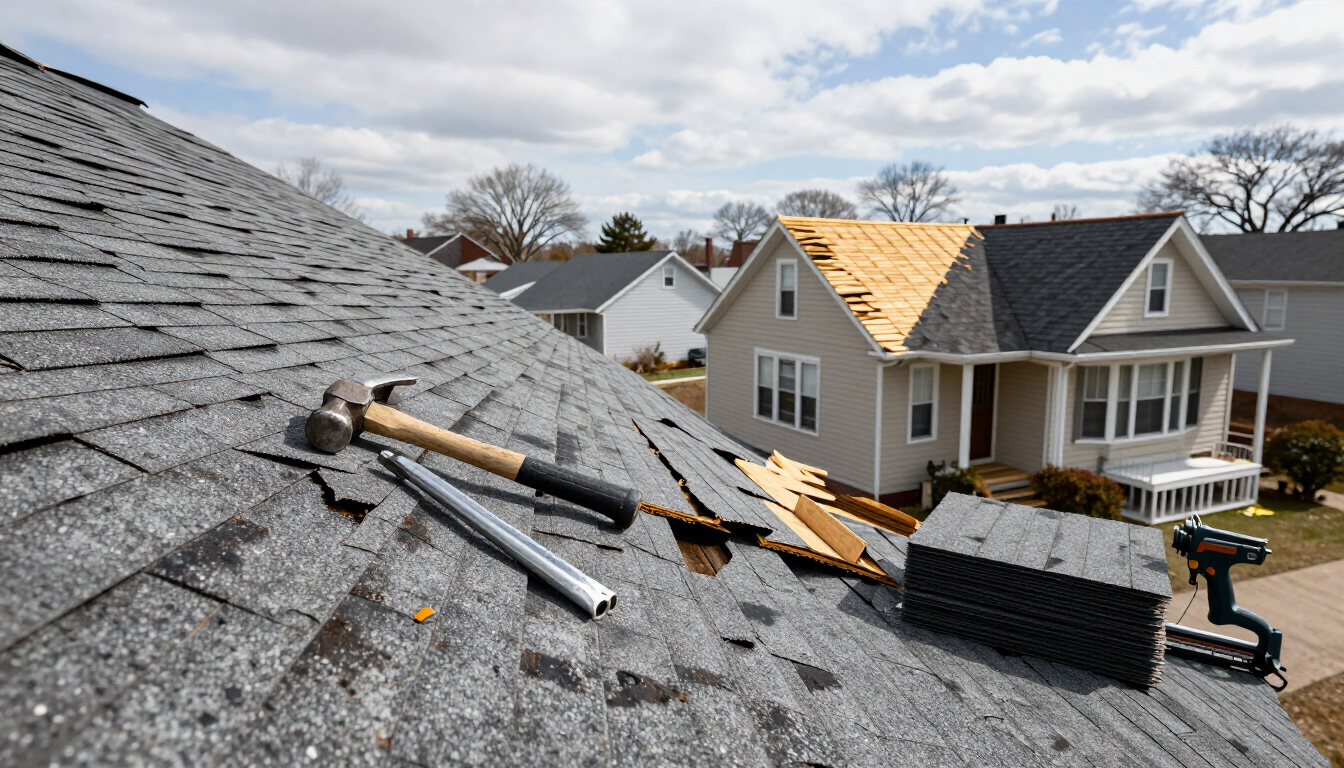
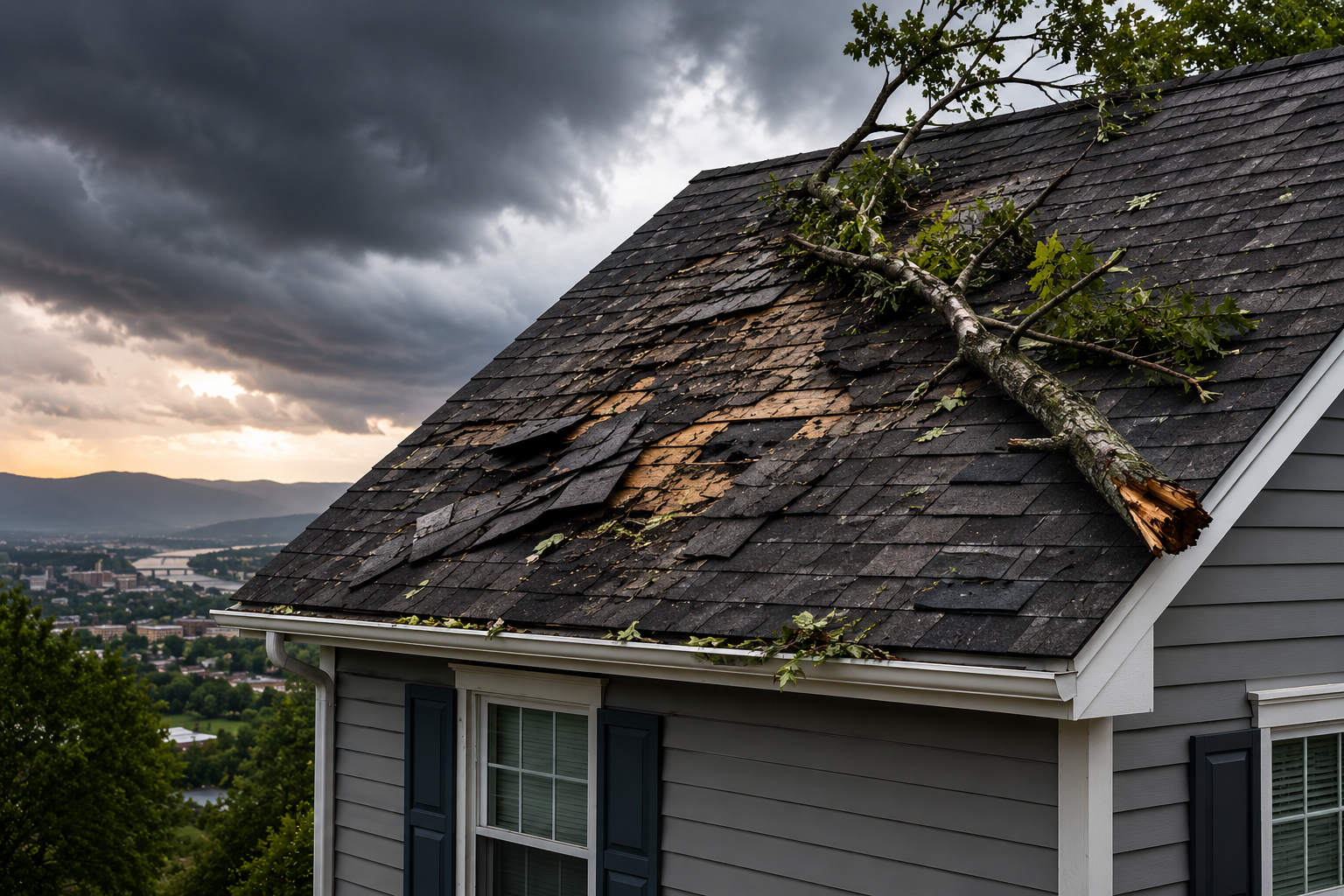
Missing Shingles After Storms
- Bare spots where shingles are missing
- Shingle pieces found in gutters or yard
- Exposed roof decking or underlayment
Water Streaks Along Walls
- Brown stains near ceilings
- Streaks running down interior walls
- New discoloration after melting snow
Even small cracks or missing shingles make it easier for water to enter your home and cause bigger damage.
The Impact Of Clogged Gutters
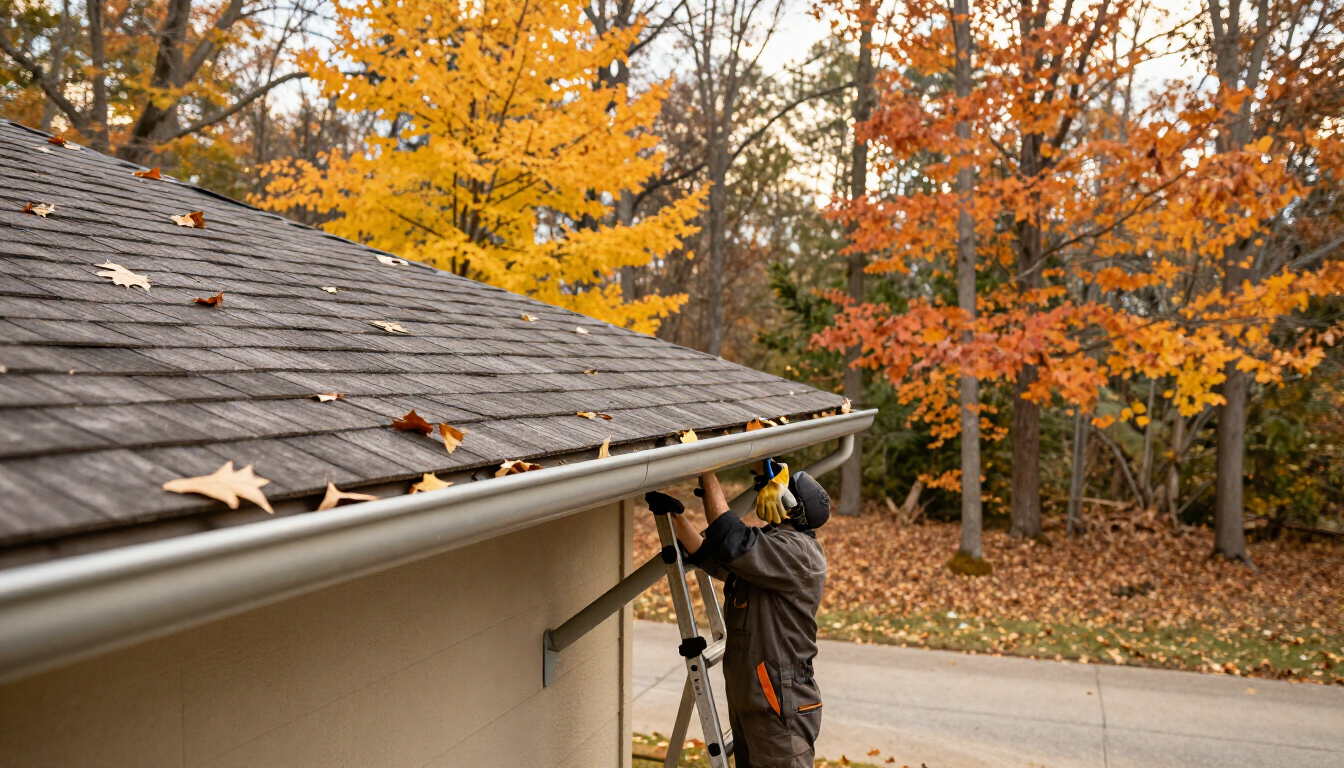
Gutters are a critical part of protecting your roof. When they become clogged with debris, water cannot drain properly.
Blocked Gutters Prevent Drainage
- Water spills over gutters instead of flowing through downspouts
- Moisture collects near roof edges
- Gutter brackets loosen under heavy weight
Cleaning gutters regularly can prevent many winter roofing problems.
Water Seeping Under Roofing Materials
When gutters overflow, water can seep under shingles and cause structural damage.
- Wood rot under roofing materials
- Interior water stains
- Peeling paint or drywall damage
Contribution To Ice Dams
Clogged gutters can trap water and create ice dams when temperatures drop.
- Heavy icicles forming along roof edges
- Water backing under shingles
- Extra weight on roof edges
Wind Damage And Its Aftermath
Winter storms often include strong winds that can loosen or damage roofing materials.
Lifted Or Damaged Shingles
High winds can lift shingles, allowing water to get underneath.
- Shingles curling upward
- Cracked or partially detached shingles
- Loose shingles shifting during storms
Damaged Flashing Seals
Flashing around chimneys, vents, and skylights can be bent or loosened during storms.
Damaged flashing allows water to enter vulnerable areas of your roof.
Moisture Penetration Risks
When wind damage creates openings in your roof, moisture can slowly seep inside and lead to mold or wood rot.
Small wind-related damage can cause serious problems if left unrepaired.
Hidden Dangers Of Attic Condensation
Attic condensation occurs when warm air inside your home meets cold surfaces in the attic.
This moisture buildup can create several long-term issues.
- Mold growth on beams or insulation
- Wet insulation reducing energy efficiency
- Structural wood damage
Proper attic ventilation helps prevent moisture buildup and condensation damage.
When Snow Load Becomes A Concern
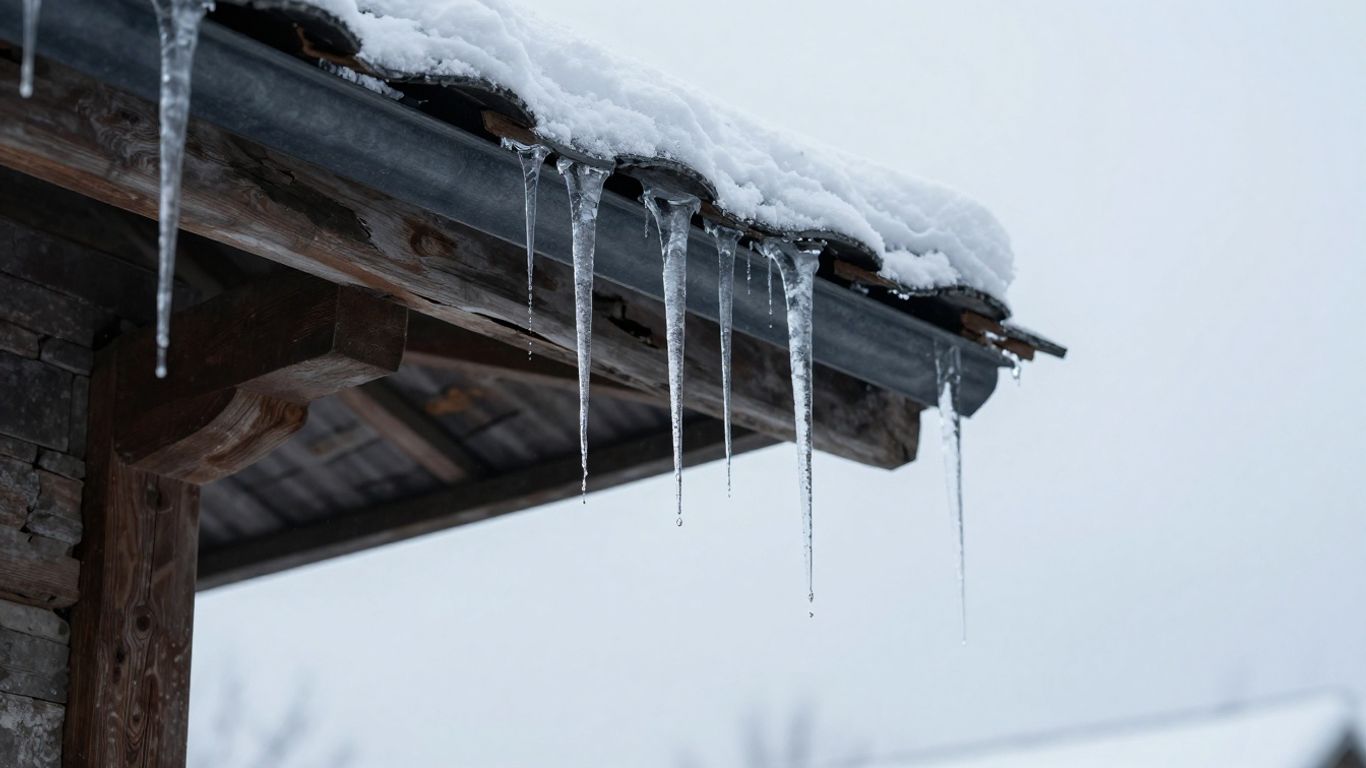
Heavy snow accumulation can place serious stress on your roof.
Wet snow can weigh up to 20 pounds per cubic foot, which adds up quickly during large storms.
Signs Of Excess Snow Load
- Sagging rooflines
- Ceilings bowing or sagging
- Doors or windows suddenly sticking
- Creaking sounds from roof structure
If snow buildup exceeds two feet, removing snow safely using a roof rake or calling professionals is recommended.
The Nightmare Of Flashing Failures
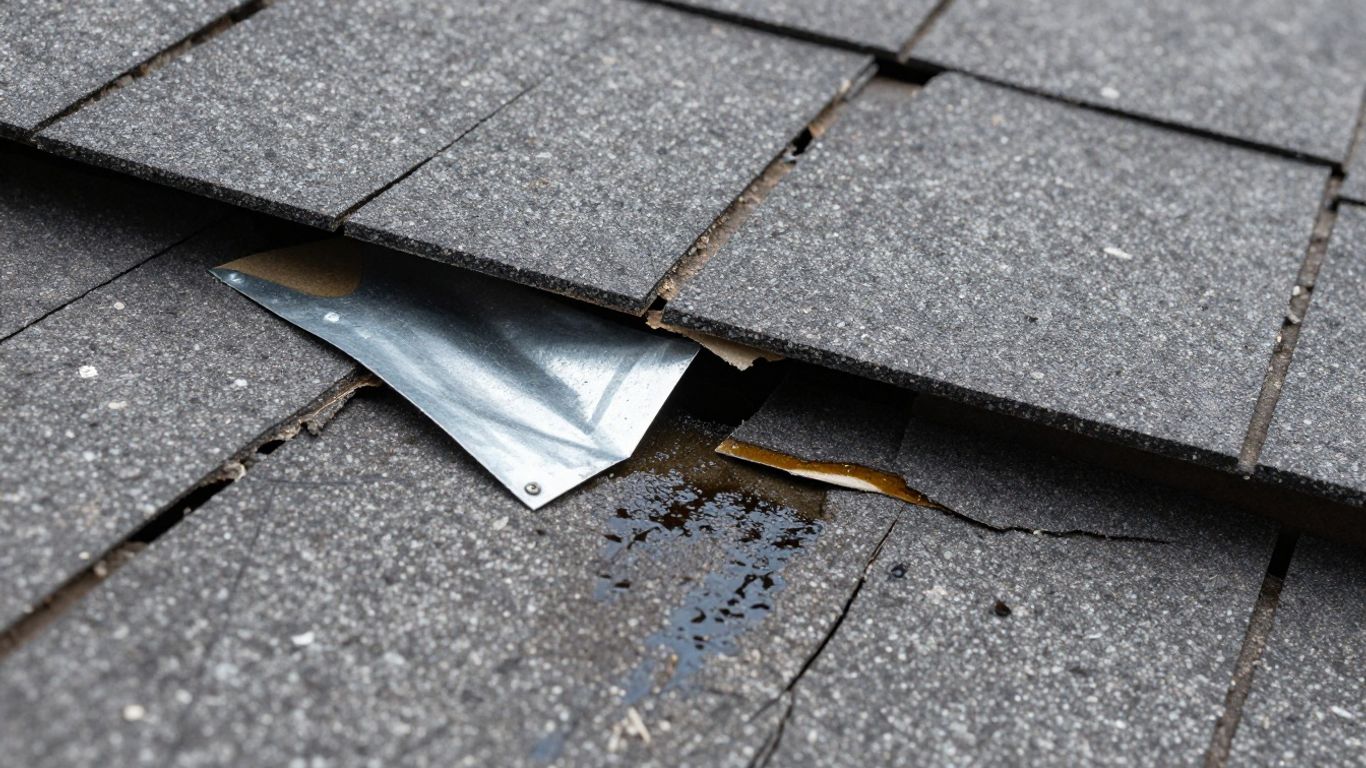
Roof flashing helps seal vulnerable areas where water could enter.
Rust Around Roof Penetrations
Rust stains around chimneys or vents indicate flashing may be failing.
Lifted Or Separated Flashing
Gaps or lifted flashing allow water to enter your roof structure.
Water Entering Vulnerable Areas
- Ceiling stains near chimneys
- Wood rot under roofing materials
- Mold growth in hidden spaces
Ignoring flashing damage can quickly lead to major roof leaks and costly repairs.
Granule Loss: A Sign Of Roof Aging
Shingle granules protect your roof from sun and weather damage.
Shingles Losing Protective Granules
Bare or shiny spots on shingles indicate granule loss.
Exposed Asphalt Surface
Without granules, shingles become brittle and vulnerable to cracking.
Granules Collecting In Gutters
- Black sand-like particles in gutters
- Large amounts appearing after storms
- Signs shingles are aging or deteriorating
Granule loss often indicates shingles are nearing the end of their lifespan.
If you notice signs of roof damage, visit our website to request a free estimate.
Conclusion
Winter can leave behind hidden roof damage that isn’t always obvious right away. Taking the time to inspect your roof after the snow melts can help you catch small problems early before they turn into expensive repairs. A quick inspection or professional assessment can protect your home and prevent leaks, mold, or structural issues.
Frequently Asked Questions
What are the most common signs of winter roof damage?
Common signs include missing shingles, water stains on ceilings, sagging rooflines, and large icicles along gutters.
How do ice dams form?
Ice dams form when snow melts on a warm roof surface and refreezes along colder roof edges, trapping water behind the ice ridge.
Why are clogged gutters dangerous during winter?
Clogged gutters prevent proper drainage, allowing water to back up under shingles and create leaks or ice dams.
What should I do if I notice water stains on my ceiling?
Check your attic for leaks and contact a roofing professional to inspect your roof before the damage worsens.
How can I prevent winter roof damage?
Keep gutters clean, ensure proper attic insulation and ventilation, and schedule roof inspections before and after winter.
When should I call a roofing professional?
If you notice leaks, missing shingles, sagging ceilings, or large ice dams, it's best to call a professional for inspection and repairs.