So, spring is finally here. The birds are chirping, the flowers are blooming, and the rain is… well, it’s raining. And while we might enjoy a bit of sunshine after a long winter, all that spring rain can actually be a real pain for your roof. It’s like a surprise inspection from Mother Nature, showing you all the little problems that winter might have caused. We’re talking about potential roof leaks spring rain can uncover, and trust me, you don’t want to wait until the next big storm to find out you have a problem. Let’s talk about what might be going on up there.
Key Takeaways
- Winter's chill can leave your roof vulnerable, and spring rain is the ultimate test, often revealing hidden roof leaks.
- Clogged gutters, especially from winter debris and spring pollen, are a major cause of water backing up and causing damage.
- Water can sneak behind siding and damage fascia boards, problems often exposed by heavy spring downpours.
- Pay attention to your roof's weak spots like flashing around chimneys and skylights, as they're prime targets for leaks during rainy spells.
- Watch for signs like ceiling stains and sagging, and remember that regular checks and cleaning can prevent most spring roof leaks.
Spring Rain Exposes Roof Vulnerabilities
Winter can be tough on your roof. Ice, snow, and wind can do a number on shingles and seals, but you might not see the damage right away. That’s where spring rain comes in. Those downpours are like a free inspection, showing you exactly where your roof might be weak.
Common Causes of Roof Leaks in Spring
When spring showers hit, they can reveal problems that have been developing all winter long. Here are some of the most common reasons leaks show up this time of year:
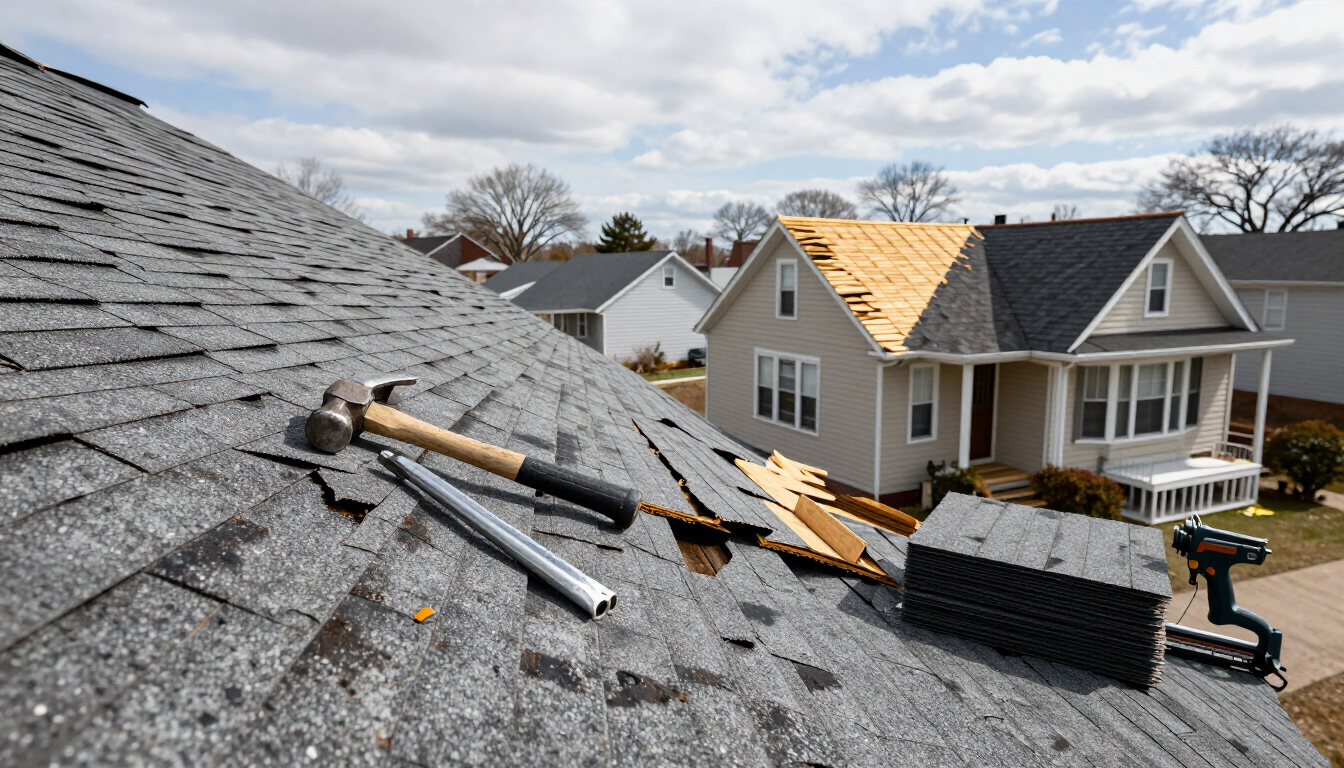
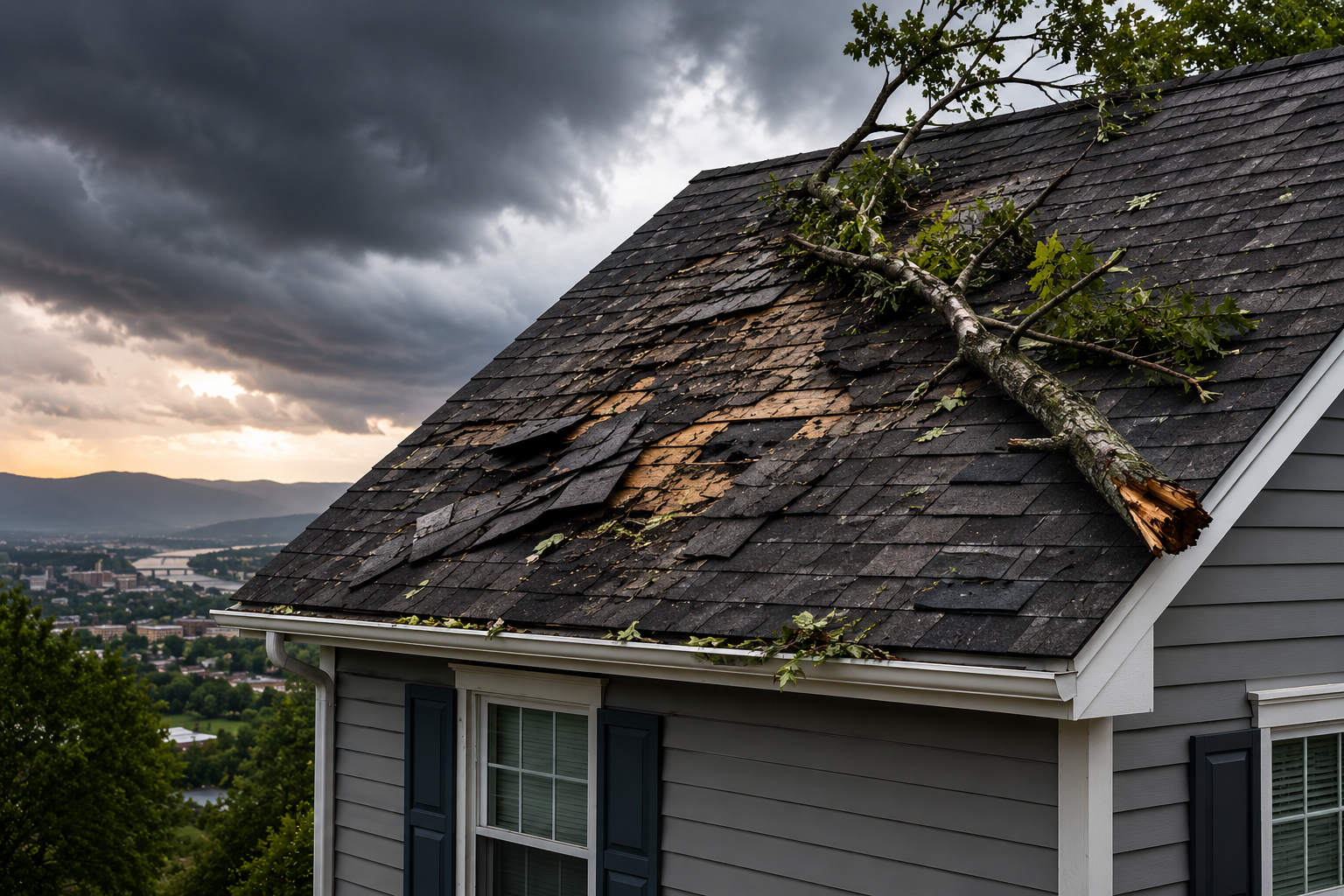
- Worn or missing shingles: Winter weather can loosen, crack, or remove shingles, leaving gaps for water to enter.
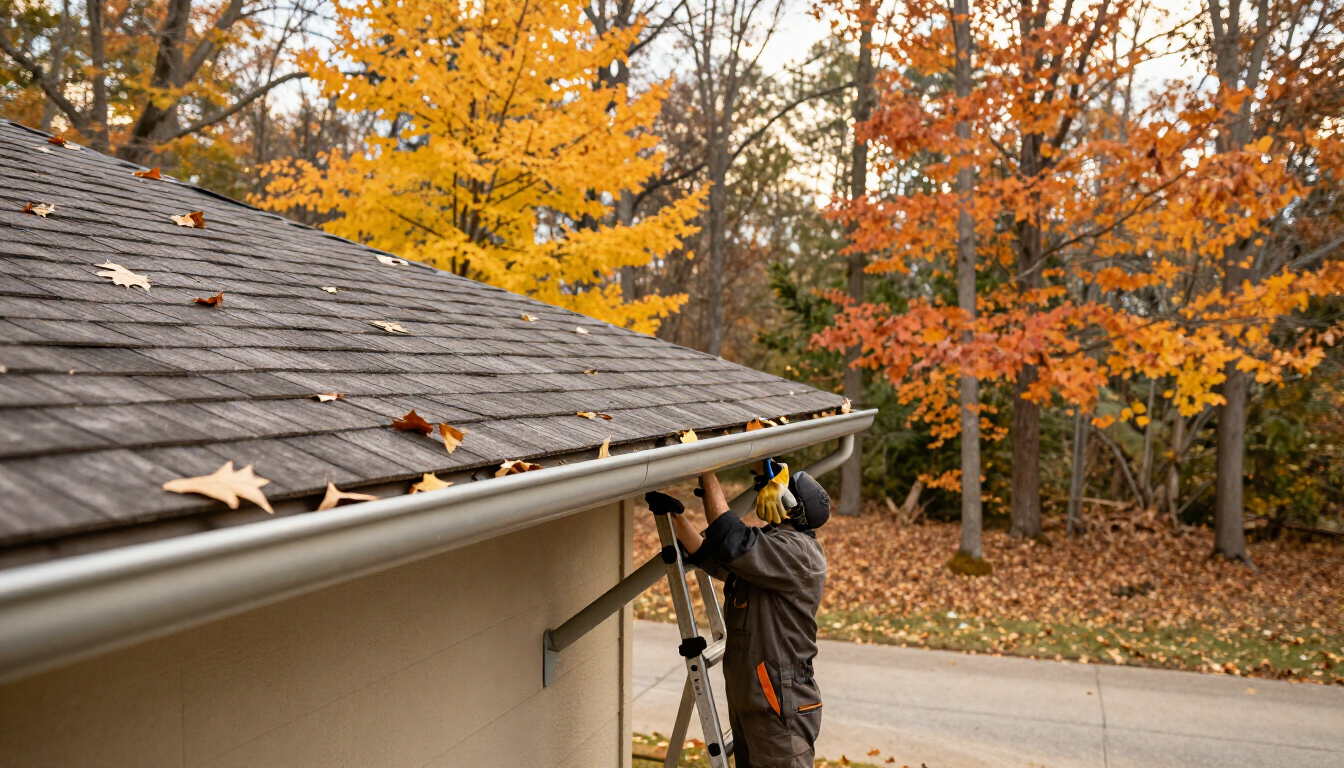
- Clogged gutters: Leaves, twigs, and debris can block drainage and force water back toward the roofline.
- Damaged flashing: Flashing around chimneys, vents, and skylights may crack, shift, or lose its seal over time.
Hidden Roof Damage Revealed by Downpours
Some roof damage stays hidden until a hard spring rain puts it to the test. Water may slip under shingles or into tiny cracks that weren’t noticeable before. Once that happens, it can soak the roof deck and slowly weaken the structure underneath.
Water that gets past the shingles can soak into the roof deck over time, leading to soft wood, weakened support, and more serious structural damage if left unaddressed.
The Impact of Winter Wear on Spring Roof Leaks
Winter weather often creates small issues that become bigger once spring rain arrives. A slightly lifted shingle, a minor crack in flashing, or a clogged gutter may not seem urgent at first—but spring downpours can quickly expose those weak spots.
Clogged Gutters: A Major Culprit for Roof Leaks
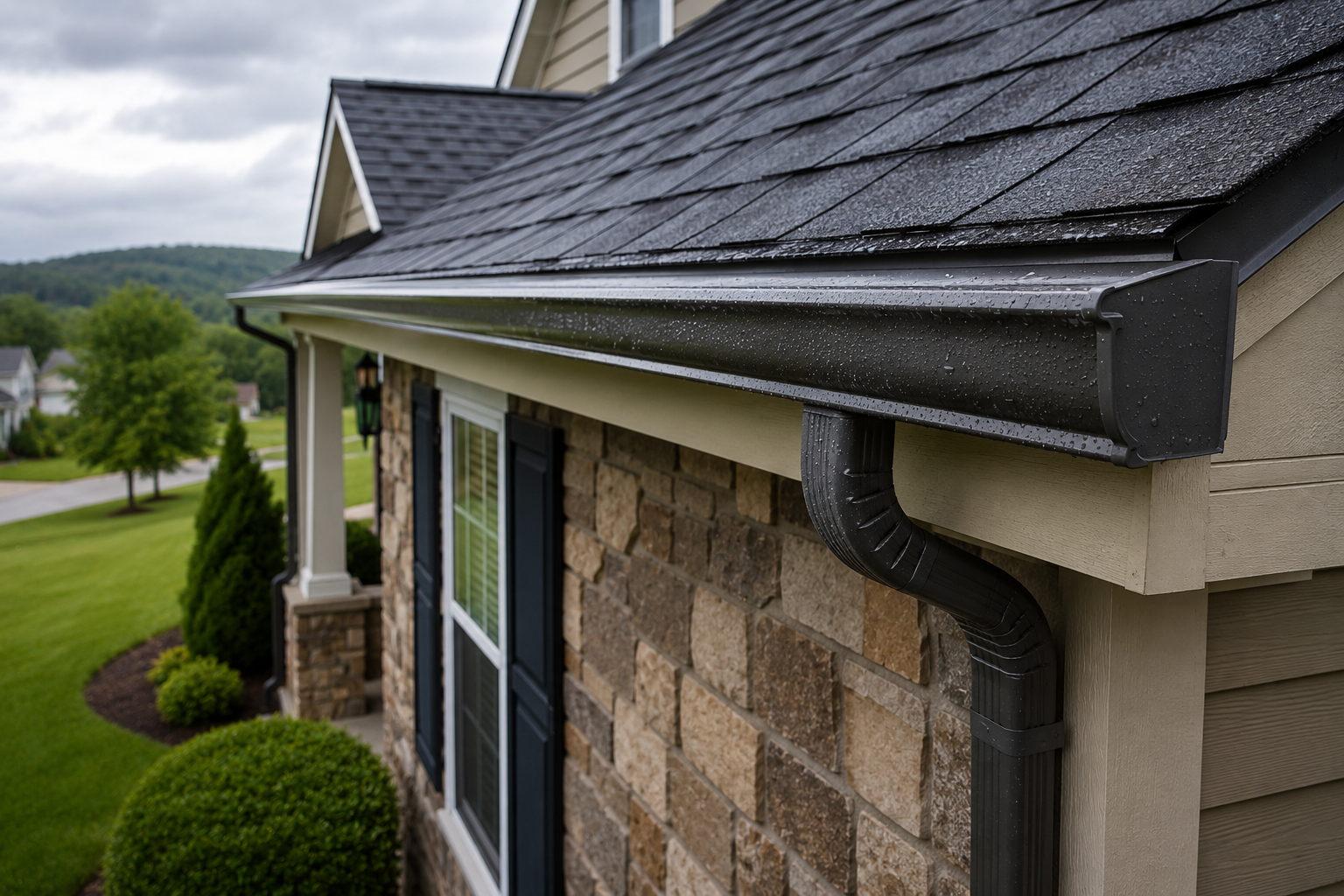
Your gutters are supposed to carry water safely away from your roof and home. But when they’re packed with debris, they can cause just the opposite. Spring rain can turn a small blockage into a serious drainage problem very quickly.
How Debris Causes Gutter Backups
Leaves, sticks, seeds, and roof grit can all pile up inside the gutter channel. As debris builds, water has less room to flow. Eventually, the blockage forces water to pool or overflow instead of moving through the system properly.
Pollen and Debris Compaction in Gutters
Spring pollen adds another layer of trouble. Once pollen mixes with moisture and other debris, it can create a dense, packed mess that’s difficult for water to move through. Even gutters that looked fine weeks earlier may suddenly stop draining during a heavy rainfall.
Consequences of Overflowing Gutters on Your Roofline
When gutters overflow, water often spills directly onto the fascia, siding, and roof edge. Over time, this constant moisture can cause wood rot, paint failure, and hidden water intrusion behind exterior surfaces.
Overflowing gutters don’t just create a mess outside—they can quietly damage fascia boards, siding, and roofing materials in places you may not notice right away.
Water Intrusion Beyond the Shingles
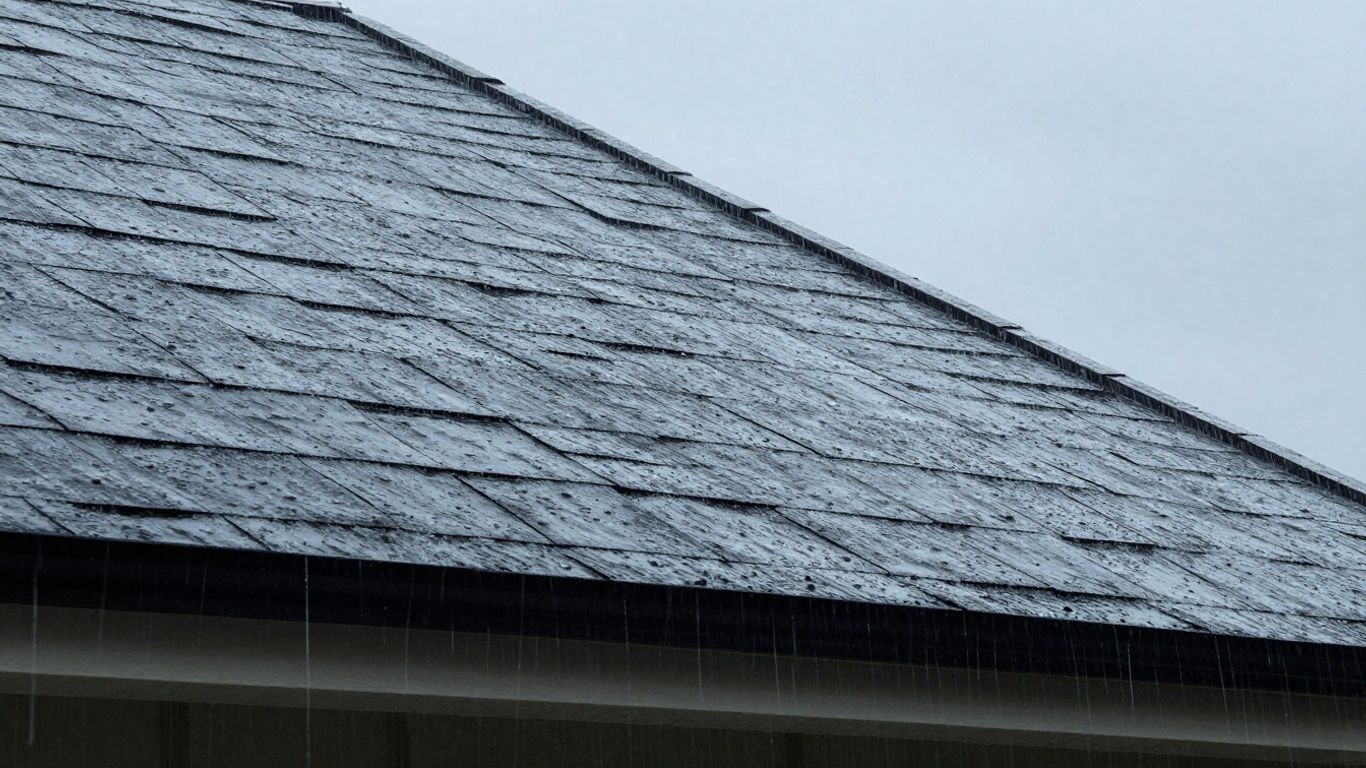
Sometimes spring rain reveals roofing problems that go deeper than surface-level shingles. Once water gets underneath the outer layer, it can start affecting the structure of your roof and the materials around it.
Roof Deck Saturation from Spring Rains
If water gets beneath the shingles, it can soak into the wooden roof deck below. Repeated moisture exposure can weaken the wood, reduce structural strength, and create the conditions for rot to develop over time.
Hidden Water Behind Exterior Surfaces
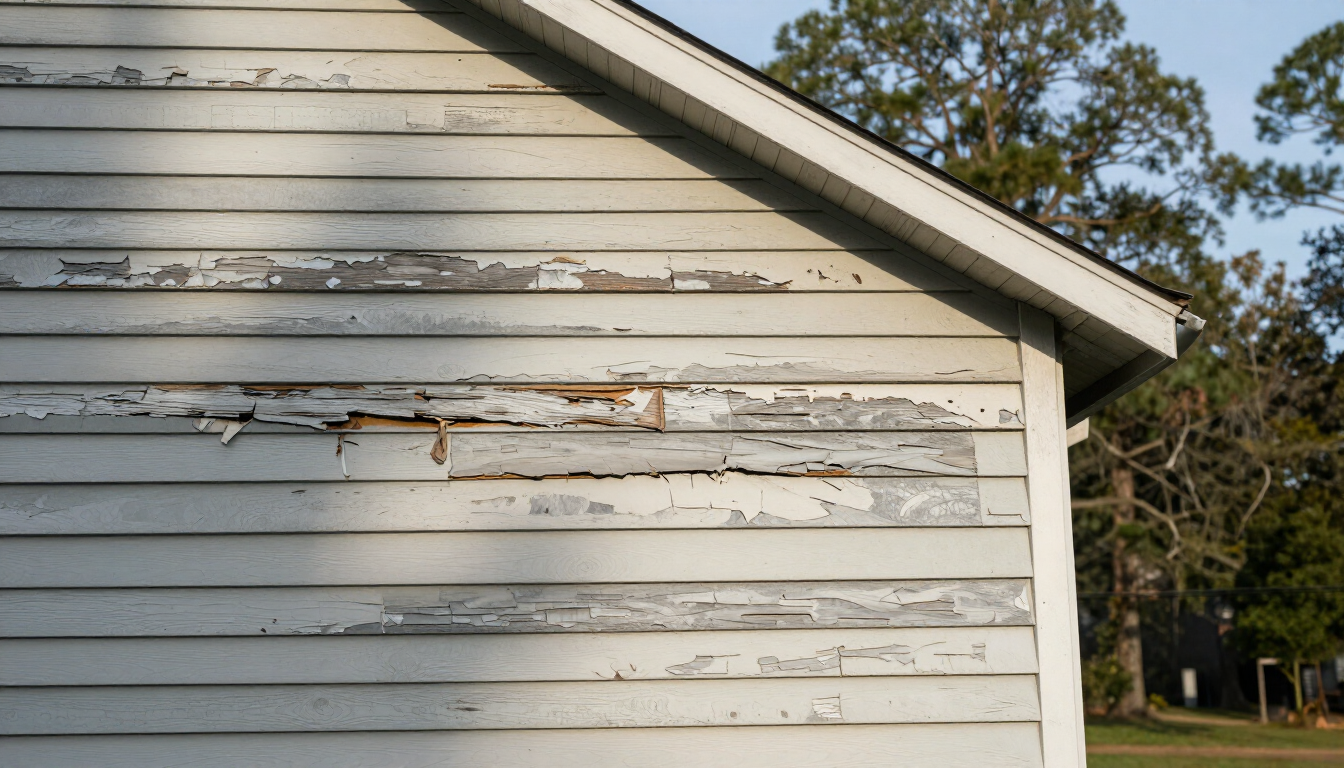
When water overflows from gutters or runs behind siding, it may stay hidden for a while. This trapped moisture can lead to peeling paint, warped trim, and concealed damage behind the outside of your home.
Fascia Board Breakdown from Constant Moisture
The fascia board along the edge of your roof supports your gutters and helps protect the roofline. If water keeps spilling over or pooling in the same area, the fascia can soften, rot, and eventually fail.
Water intrusion beyond the shingles can lead to long-term structural issues, which is why proper drainage and quick repairs matter so much in spring.
Vulnerable Areas Prone to Spring Leaks
Flashing Failures Around Chimneys and Vents
Roof penetrations like chimneys, vent pipes, and exhaust outlets depend on flashing to keep water out. Over time, that flashing can crack, shift, or wear down, creating an easy entry point for spring rain.
Skylight Seals Compromised by Weather
Skylights are another common trouble spot. Their seals can dry out or crack after long exposure to sun, winter weather, and changing temperatures. Once those seals weaken, wind-driven rain can work its way inside.
The Risk of Roofline Moisture Exposure
The roofline is especially vulnerable when water isn’t draining properly. If gutters are clogged or water keeps spilling over, moisture can sit along the fascia and soffit, leading to gradual damage over time.
- Blocked gutters: Water pools and backs up near the roof edge.
- Damaged fascia: Constant wetness can cause wood to soften and rot.
- Soffit issues: Moisture can affect ventilation and increase the risk of trapped humidity.
When water isn’t directed away from your home correctly, it tends to find weak spots—and those weak spots often become leaks.
Signs of Spring Roof Leaks to Watch For
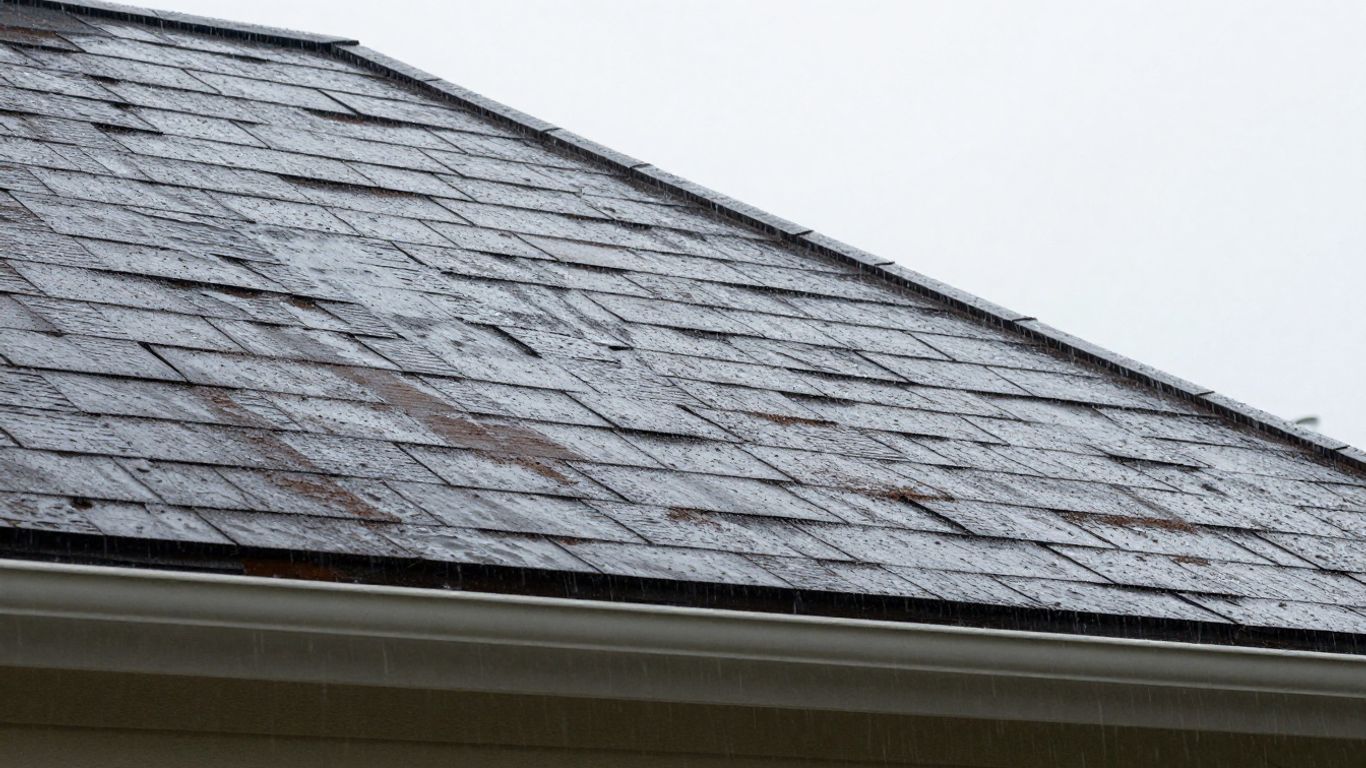
Spring leaks don’t always start with a dramatic drip. Often, the warning signs appear gradually. Paying attention early can help you prevent a much larger repair later on.
Interior Ceiling Stains After Rain
Brown, yellow, or damp-looking stains on your ceiling are one of the most common signs of a roof leak. These marks often become more visible after rainfall and may spread if the source isn’t fixed.
Visible Water Damage on Walls
Water intrusion can also show up on walls near the ceiling or upper corners of rooms. Peeling paint, bubbling surfaces, or damp drywall may point to moisture entering from above.
Soft Spots or Sagging on the Roof
If any part of the roofline looks uneven or feels soft during an inspection, that may indicate water damage beneath the shingles. Sagging areas are a serious sign that needs prompt professional attention.
A quick look inside and outside your home after a heavy rain can help you spot issues early, before a small leak becomes major damage.
Preventing Spring Roof Leaks
If you've ever tried dealing with a leak while rain is still pouring, you know how stressful it can be. The best strategy is prevention. A little maintenance now can save a lot of trouble later.
Importance of Professional Roof Inspections
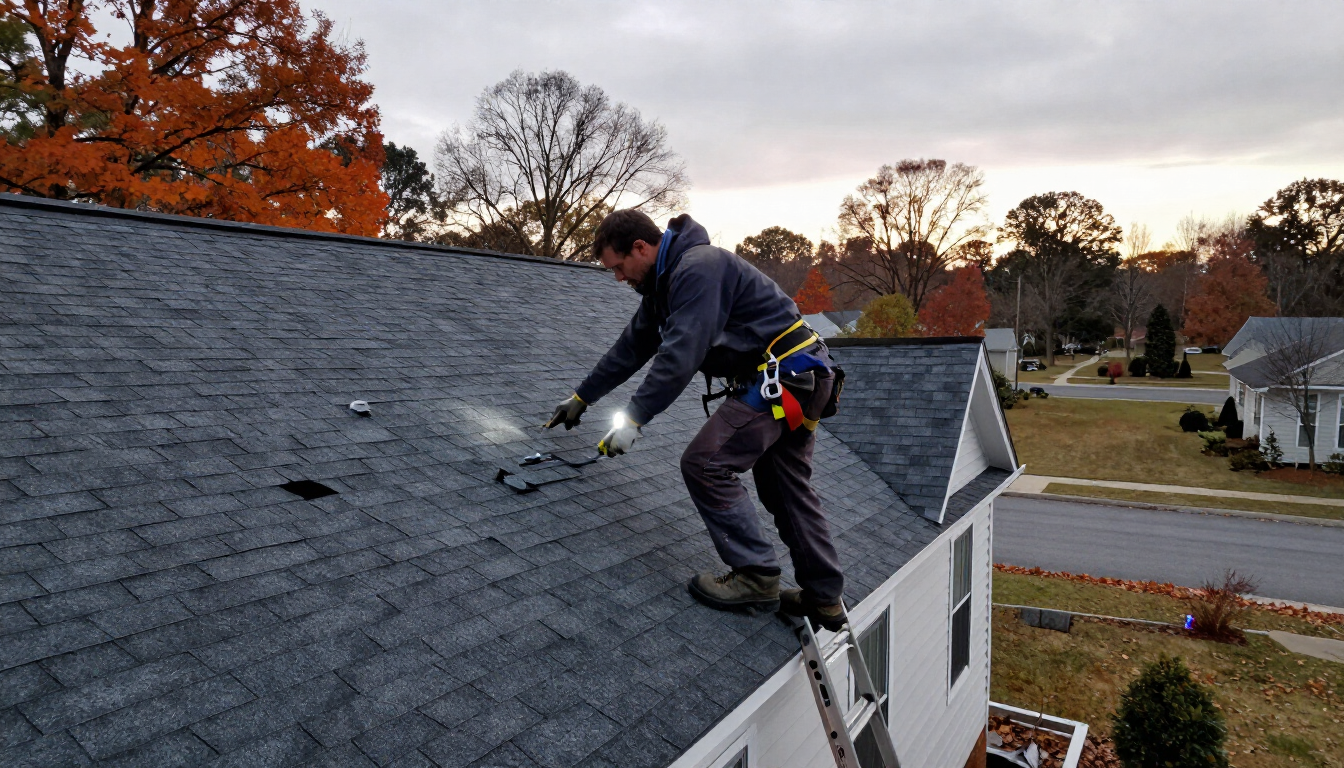
Most roofing problems aren’t visible from the ground. A professional inspection can identify loose shingles, damaged flashing, soft decking, and early signs of water intrusion before the issue spreads.
Reasons to schedule a professional inspection include:
- Roofers can spot leaks and weak areas early.
- They inspect around vents, flashing, and roof transitions more thoroughly.
- Inspection reports can be helpful if storm damage leads to an insurance claim.
A professional inspection often catches the hidden issues that homeowners miss during a quick visual check.
Regular Gutter Cleaning for Optimal Drainage
Clean gutters are one of your best defenses against spring leaks. Keeping them clear helps water move away from the roofline instead of backing up or spilling over the side.
- Clean gutters at least twice a year, especially in spring and fall.
- Check downspouts to make sure water can move freely.
- Consider gutter guards if your home is surrounded by trees.
Addressing Minor Roof Issues Promptly
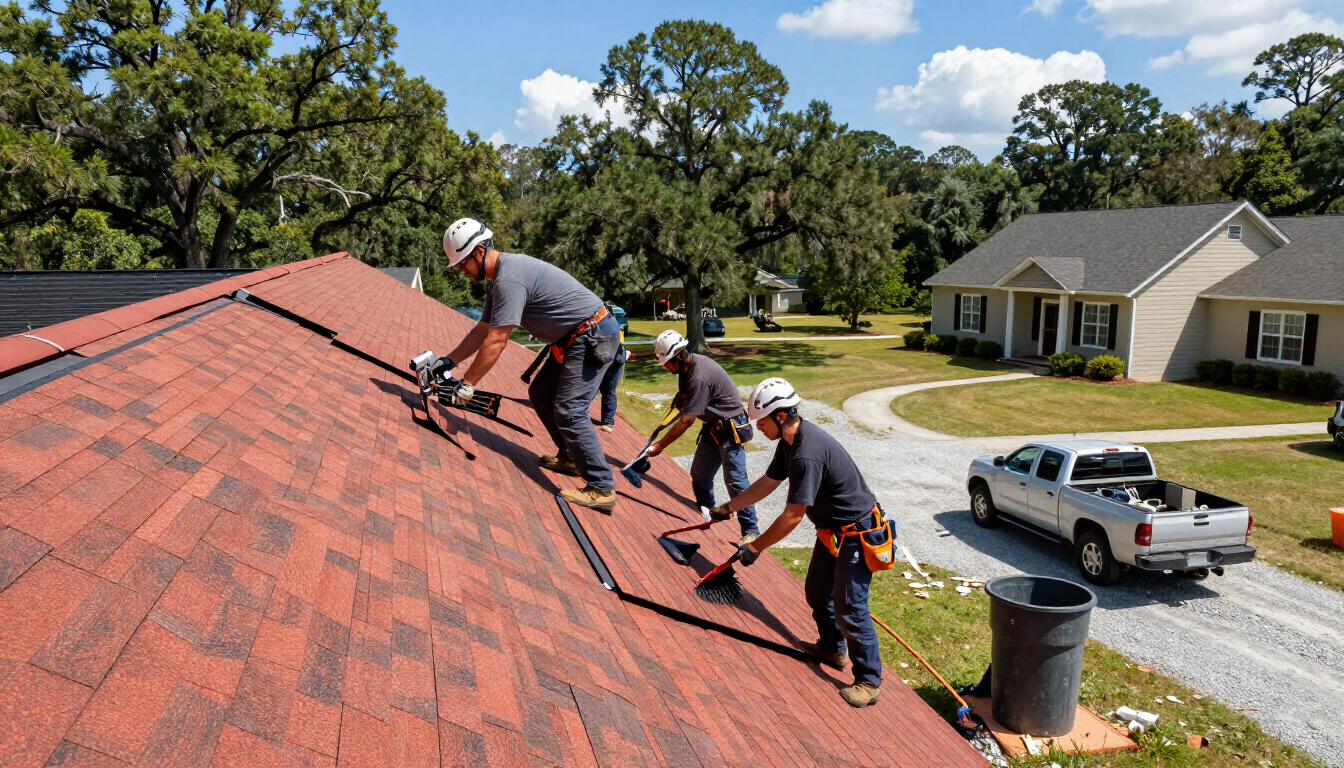
Small roofing problems do not fix themselves. Replacing a damaged shingle, sealing around a vent, or repairing minor flashing damage early can prevent far more expensive repairs later.
- Watch for missing or curled shingles after storms.
- Replace cracked or failing sealant around penetrations.
- Check attic spaces for drips or damp areas after heavy rain.
Prompt attention to minor issues is one of the most cost-effective ways to protect your roof and your home.
Spring showers may bring beautiful blooms, but they can also reveal roofing issues you don’t want to ignore. To learn more or schedule help, visit our website for expert tips and services.
Don’t Let Spring Showers Wash Away Your Peace of Mind
Spring rain can do more than water the lawn—it can reveal roofing issues that have been quietly developing since winter. From clogged gutters and damaged flashing to hidden water intrusion behind siding, these problems often start small but grow quickly if ignored. Paying attention to early warning signs and taking care of maintenance now can help you avoid major repairs later. When in doubt, a professional inspection is the safest way to make sure your roof is ready for the season ahead.
Frequently Asked Questions
Why do roofs leak more in the spring?
Spring rain often reveals problems caused by winter weather, such as damaged shingles, weakened flashing, or clogged gutters that prevent proper drainage.
How do clogged gutters cause roof problems?
When gutters are blocked, water can’t drain away properly. It may back up under the roof edge or spill over onto fascia, siding, and other vulnerable areas.
What is roof deck saturation?
Roof deck saturation happens when water gets beneath the shingles and soaks the wooden decking below. Over time, that moisture can weaken the structure and lead to rot.
What are common spots for spring roof leaks?
Common leak areas include flashing around chimneys and vents, skylight seals, roof valleys, and the roofline where water may collect because of clogged gutters.
What signs should I look for to know if my roof is leaking?
Look for ceiling stains, damp walls, peeling paint, sagging roof sections, or any new drips that appear after rain.
What’s the best way to prevent spring roof leaks?
The best prevention steps include regular roof inspections, gutter cleaning, and fixing small roofing issues right away before they turn into larger problems.