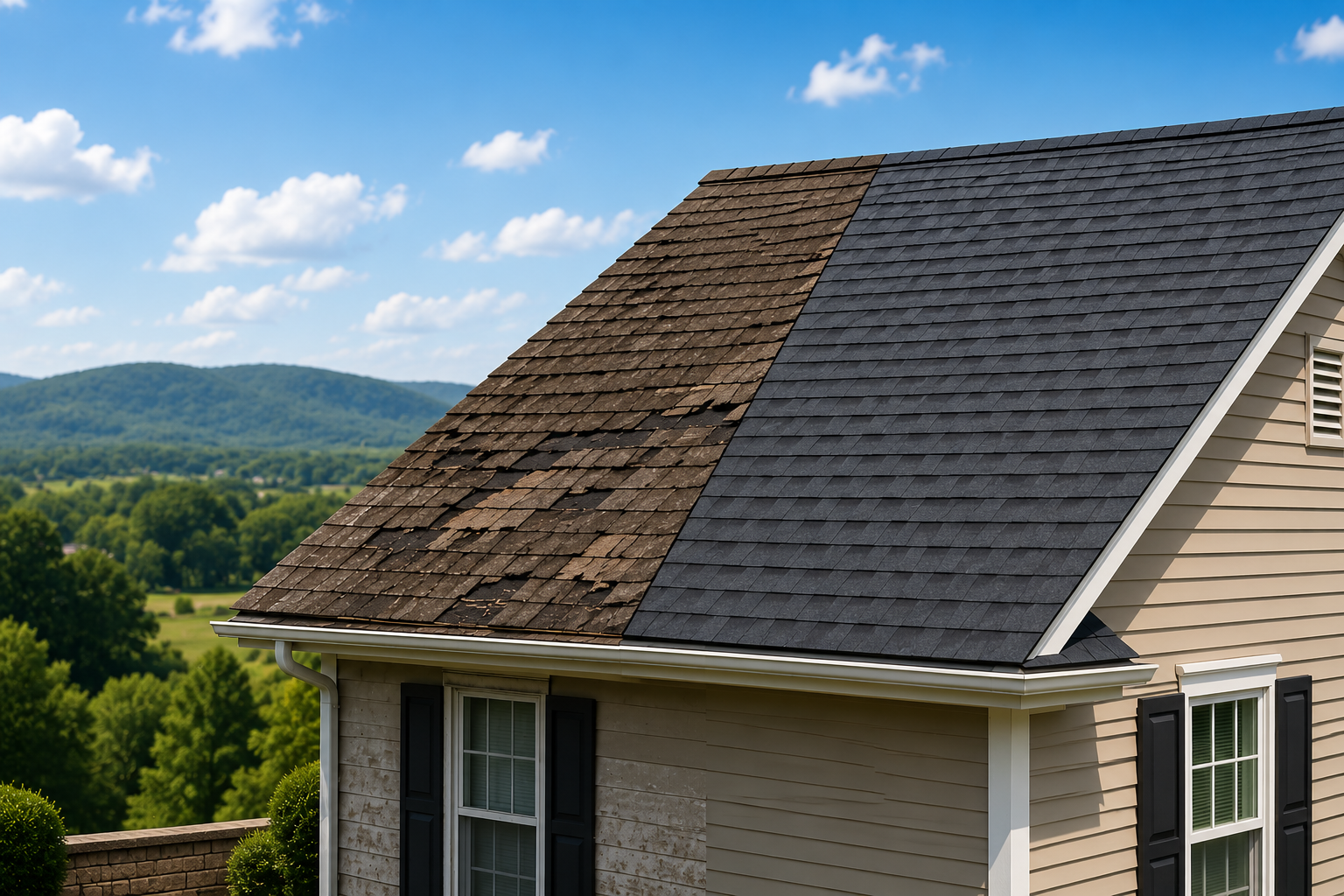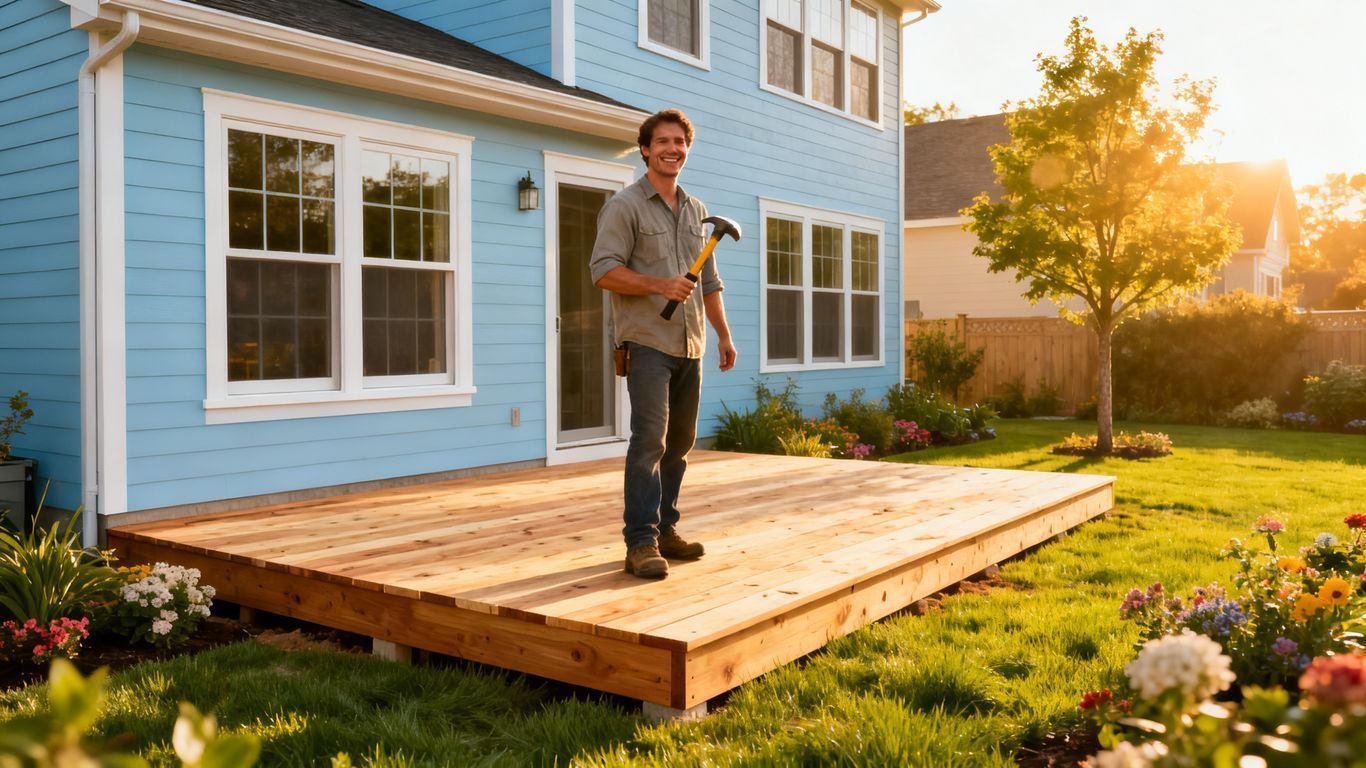
Deciding whether to repair or replace your roof this spring can feel like a big puzzle. You've got damage, but is it a quick fix or a whole new roof situation? It's a question many homeowners grapple with, and the answer isn't always straightforward. We'll break down what to look for and when to call in the pros to help you figure out the best path forward for your home.
Key Takeaways
- Frequent repairs on an aging roof often signal that a full replacement is a more sensible and lasting solution.
- Minor, isolated damage can typically be fixed with a repair, but widespread issues like sagging or leaks usually mean it's time for a new roof.
- The type of roofing material affects how easy and costly repairs are; some materials are simpler to patch than others.
- Ignoring roof problems, even small ones, can lead to bigger, more expensive issues down the line, so act fast when needed.
- A roof replacement is a long-term investment that can also offer chances to improve your home's energy efficiency and boost its value.
Assessing Your Roof's Current Condition
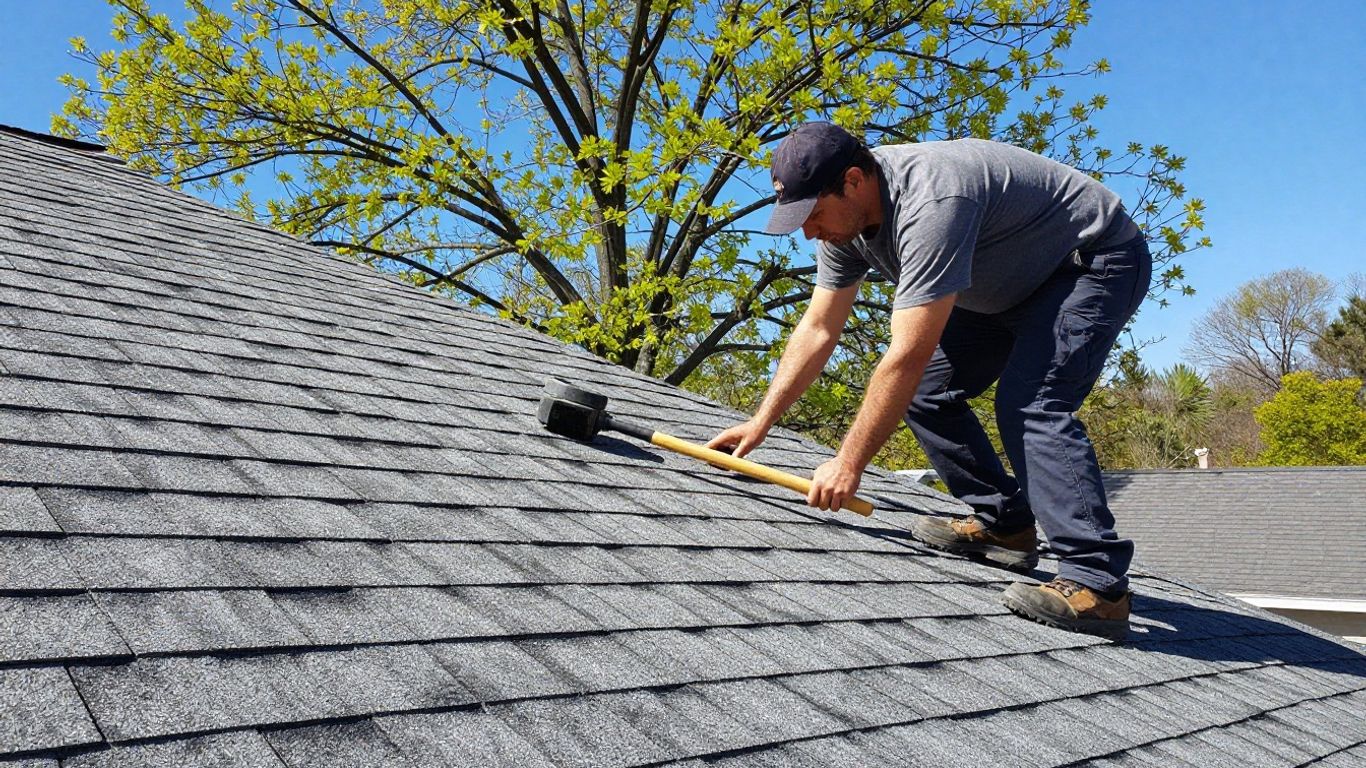
Before you even think about calling in the pros for a repair or a full replacement, it's smart to get a good handle on what's actually going on with your roof. Understanding its current state is the first big step in making the right call.
Understanding Roof Age and Lifespan
Every roof has a general lifespan, and knowing the age of yours matters. Most asphalt shingle roofs typically last around 15 to 20 years, though installation quality, weather exposure, and maintenance all affect that timeline. If your roof is getting close to the end of its expected life, even smaller problems may be a sign of larger issues developing underneath.
Evaluating the Extent of Damage
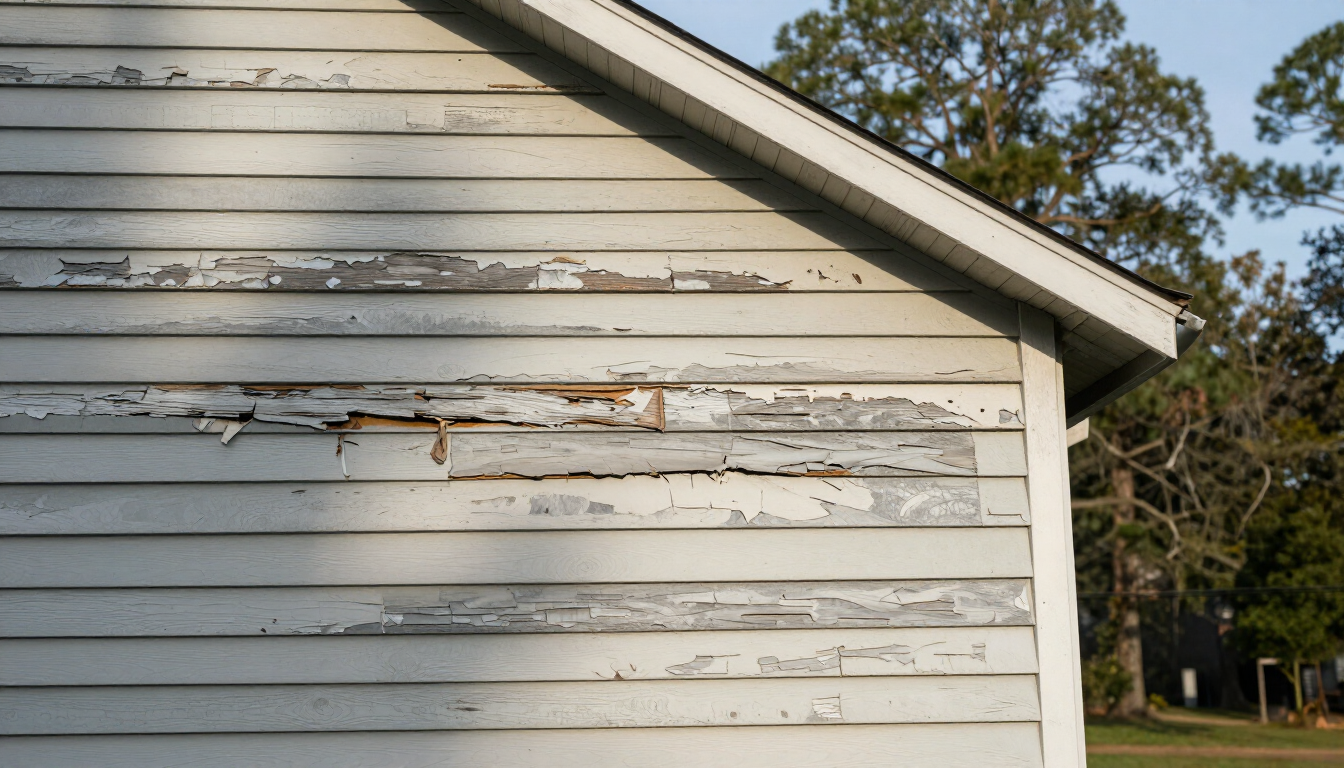
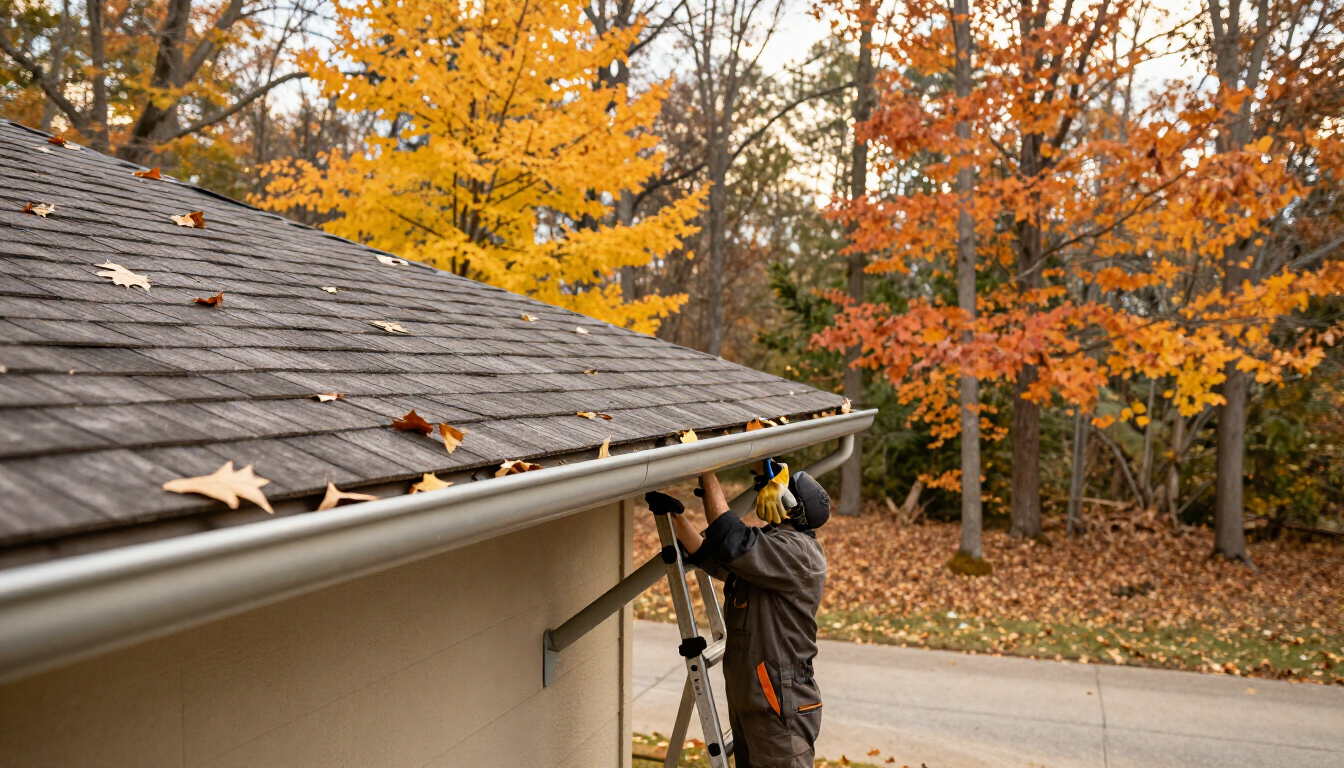
Take a close look around your home after storms or strong winds. Shingle pieces in the yard, clogged gutters, or water spots inside your home can all point to roofing problems. These signs may seem minor at first, but they often indicate that moisture is getting where it shouldn’t.
Identifying Signs of Wear and Tear
Some of the most important warning signs are easy to miss. Shingles may start curling, buckling, or losing granules. Flashing around skylights, vents, or chimneys may rust or loosen over time. These subtle issues can lead to leaks if left untreated.
Don’t underestimate a simple visual inspection. Small signs often point to much larger roofing concerns.
Here are a few common problems to watch for:
- Curling or cracked shingles
- Granules collecting in gutters
- Dark streaks or moss growth
- Sagging areas on the roofline
- Damaged flashing around vents or chimneys
When Roof Repair Becomes the Practical Choice
Sometimes, a focused repair is the smartest move. Not every roof problem calls for a full replacement. When the damage is limited and the roof still has plenty of life left, repair can be the most cost-effective option.
Addressing Minor Leaks and Missing Shingles
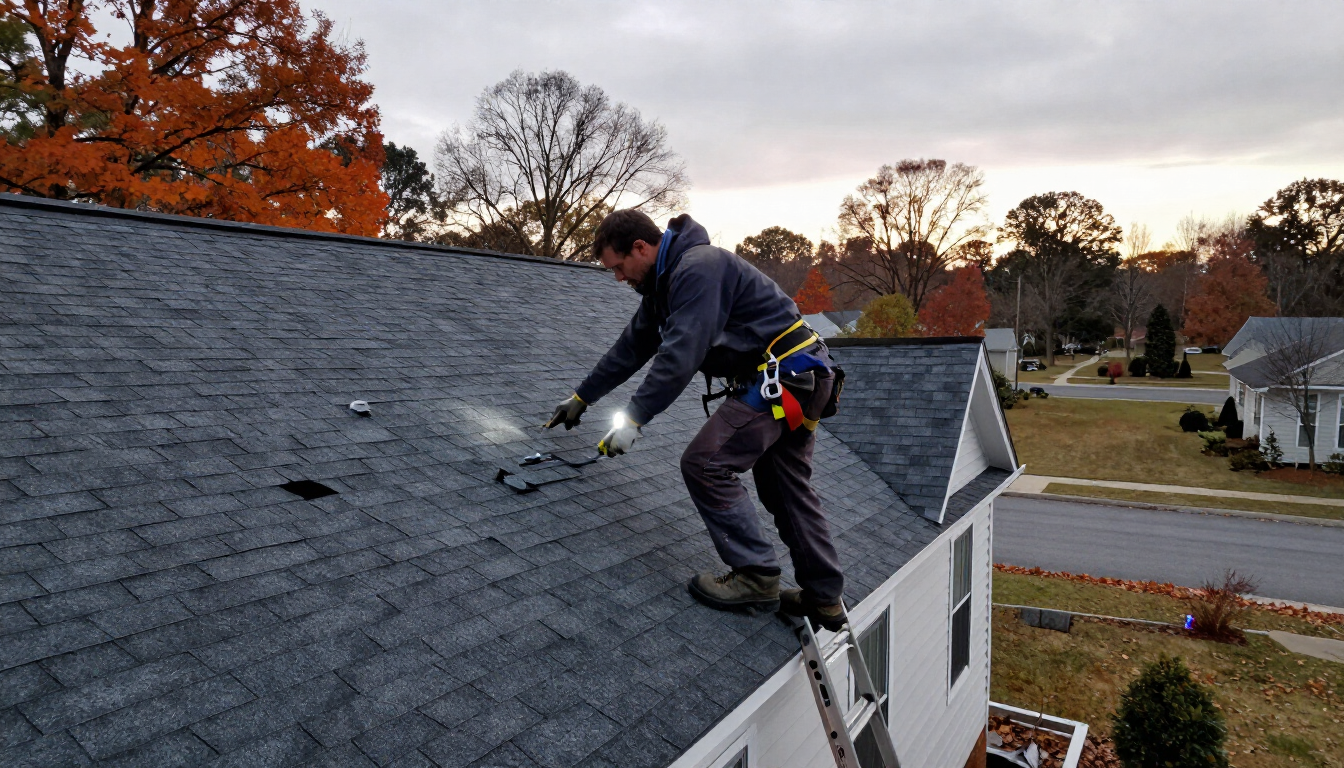
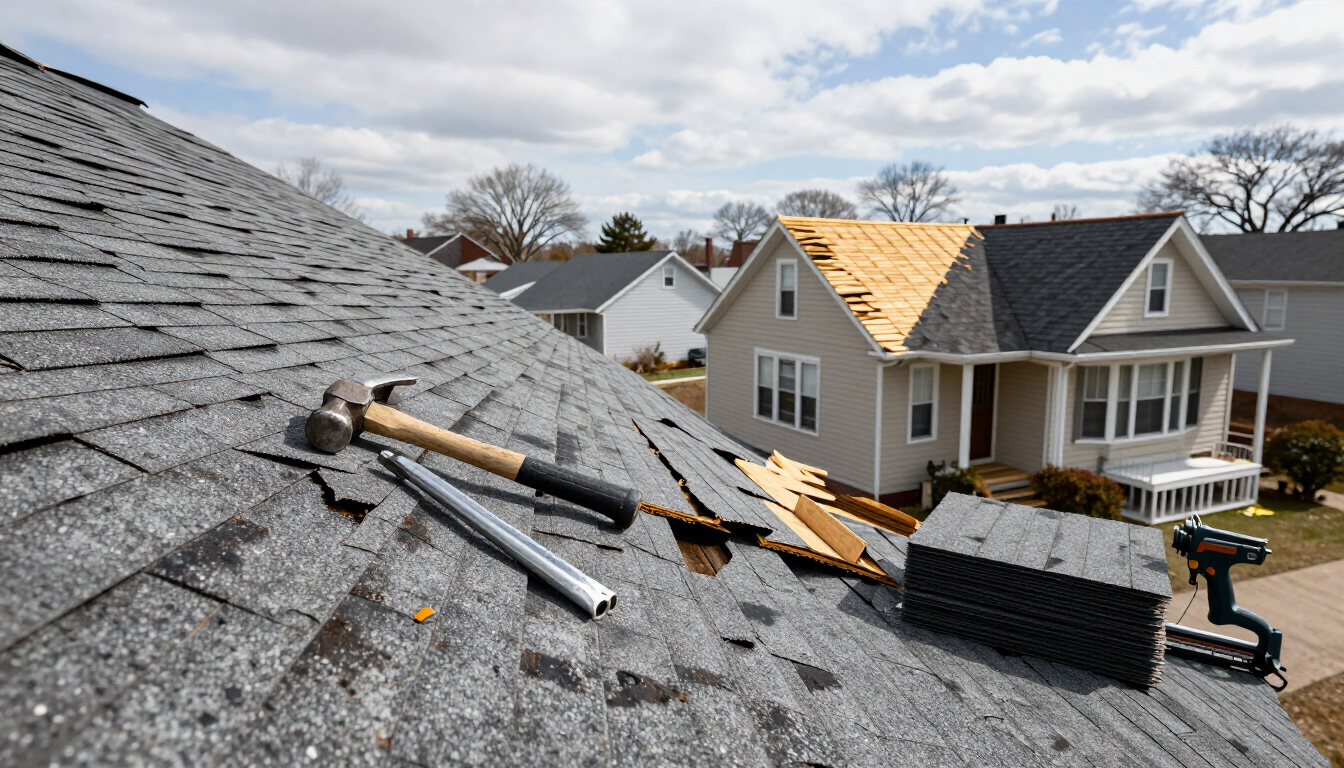
If you have a small leak or only a few shingles missing after a storm, a repair is often enough to restore protection. Replacing the entire roof for isolated damage is usually unnecessary.
- Small leaks in isolated locations
- A few damaged or missing shingles
- Minor flashing issues around chimneys or roof penetrations
Localized Damage on Newer Roofs
Newer roofs can often handle a limited repair without compromising the rest of the system. If the damage is confined to one section and the underlying structure is still sound, patching the affected area may be the best choice.
Minor roof repair can be highly effective when the issue is contained and the rest of the roof remains in good condition.
Cost-Effectiveness of Targeted Fixes
Repairing a small section of the roof can save both time and money. Labor and material costs stay focused on the damaged area, and you avoid replacing parts of the roof that are still performing well.
- Lower labor and material costs
- Less disruption to your home
- Extends the life of the current roof when damage is limited
Recognizing When Replacement Is Necessary
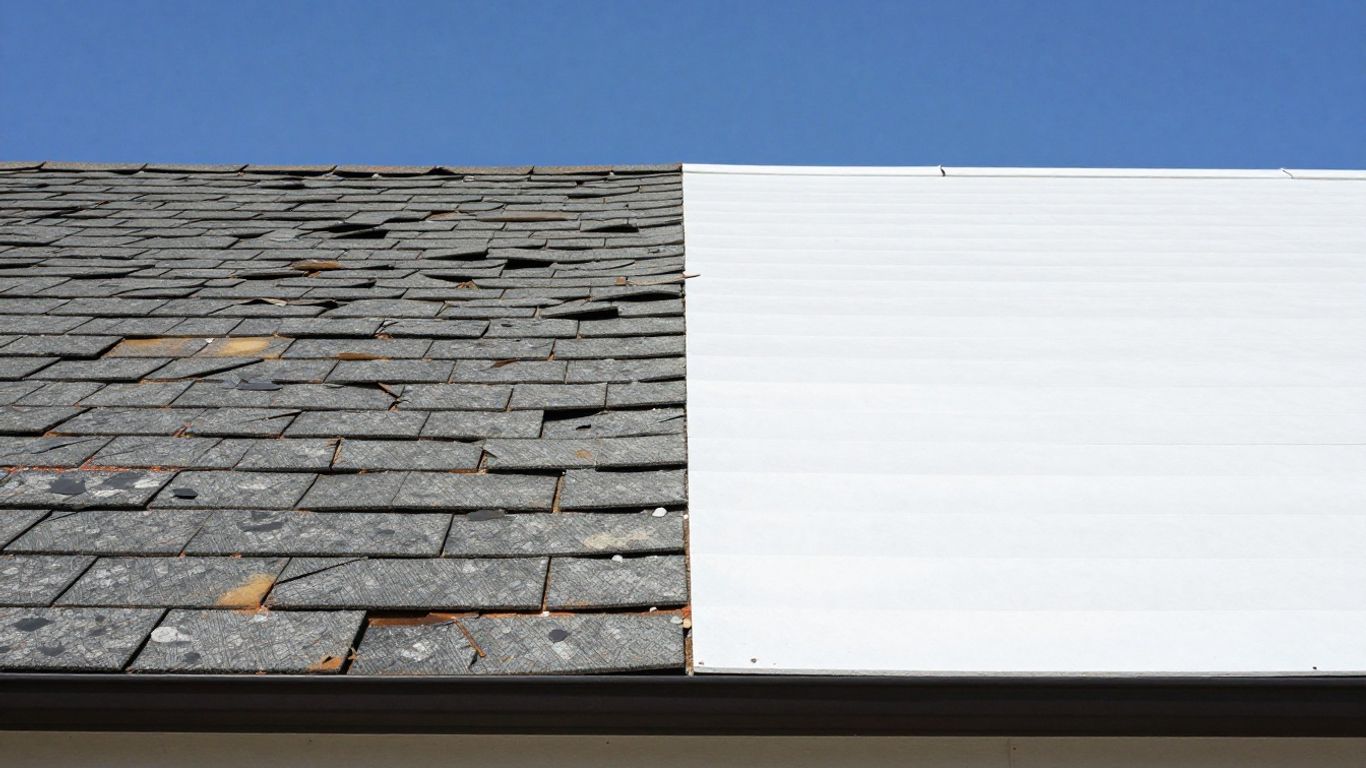
Sometimes repairs stop being practical. If the damage is widespread or the roof has already reached the end of its useful life, replacing it may be the safer and more cost-effective decision.
Widespread Damage and Structural Concerns
If large sections of the roof are damaged or the roofline is sagging, the issue may go beyond cosmetic wear. Structural problems are a strong sign that replacement is necessary.
- Sagging or dipping roof sections
- Rotted decking or weakened support boards
- Leaks appearing in multiple parts of the home
A compromised roof can put your home at risk for serious water damage, mold growth, and ongoing repair costs.
Aging Roofs Nearing End of Lifespan
Even if major leaks haven’t started yet, an aging roof may no longer be worth repeatedly repairing. Asphalt shingle roofs often need replacement after 20 to 30 years, while other materials may last longer depending on the system and upkeep.
- Faded, brittle, or worn-looking shingles
- Heavy granule loss visible in gutters
- Daylight visible through attic boards
Repeated Repairs Indicate Deeper Issues
If you keep making repairs year after year, the real issue may be the overall failure of the roofing system. At some point, continuing to patch trouble spots costs more than starting fresh.
- Leaks keep returning in new areas
- Past repairs don’t hold for long
- The roof deck or underlayment may be breaking down
If your roof keeps demanding attention, replacement may be the more practical long-term solution.
Factors Influencing the Roof Repair vs Replacement Decision
There’s no one-size-fits-all answer when deciding between repair and replacement. The right choice depends on the type of roof you have, the source and extent of damage, and how many times it’s already been repaired.
Impact of Roofing Material Type
Different materials respond differently to damage and repair work.
- Asphalt shingles are usually the easiest and most affordable to repair.
- Metal roofs may require more specialized repair methods.
- Slate and tile can be more difficult and expensive to patch.
- Flat roofing systems need specific materials and techniques for proper repair.
Considering Storm Damage Effects
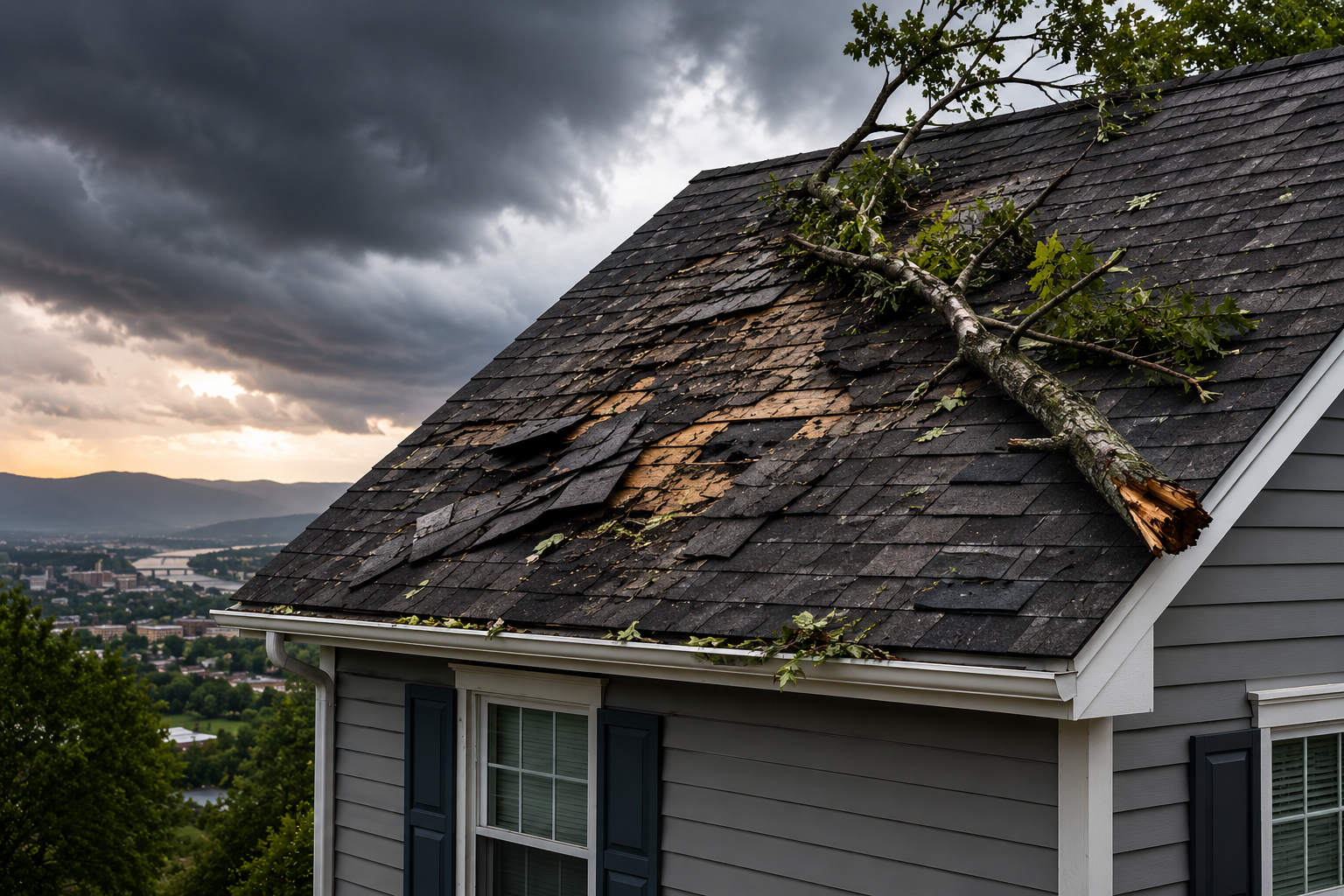
Storm damage can be harder to spot than it seems. Hail, wind, and flying debris may weaken large sections of the roof or create hidden moisture issues. What looks minor from the ground may actually involve widespread wear or water intrusion.
Influence of Previous Repair History
If the roof has already been patched several times, that history matters. Every repair introduces new seams and potential weak spots. Over time, repeated repairs may no longer provide a reliable solution.
The more you know about your roof’s history, the easier it is to make a smart financial and structural decision.
Long-Term Value and Future Planning
It’s important to think beyond the immediate repair cost. A roof decision also affects long-term maintenance, energy use, and even future resale value.
Replacement as a Long-Term Investment
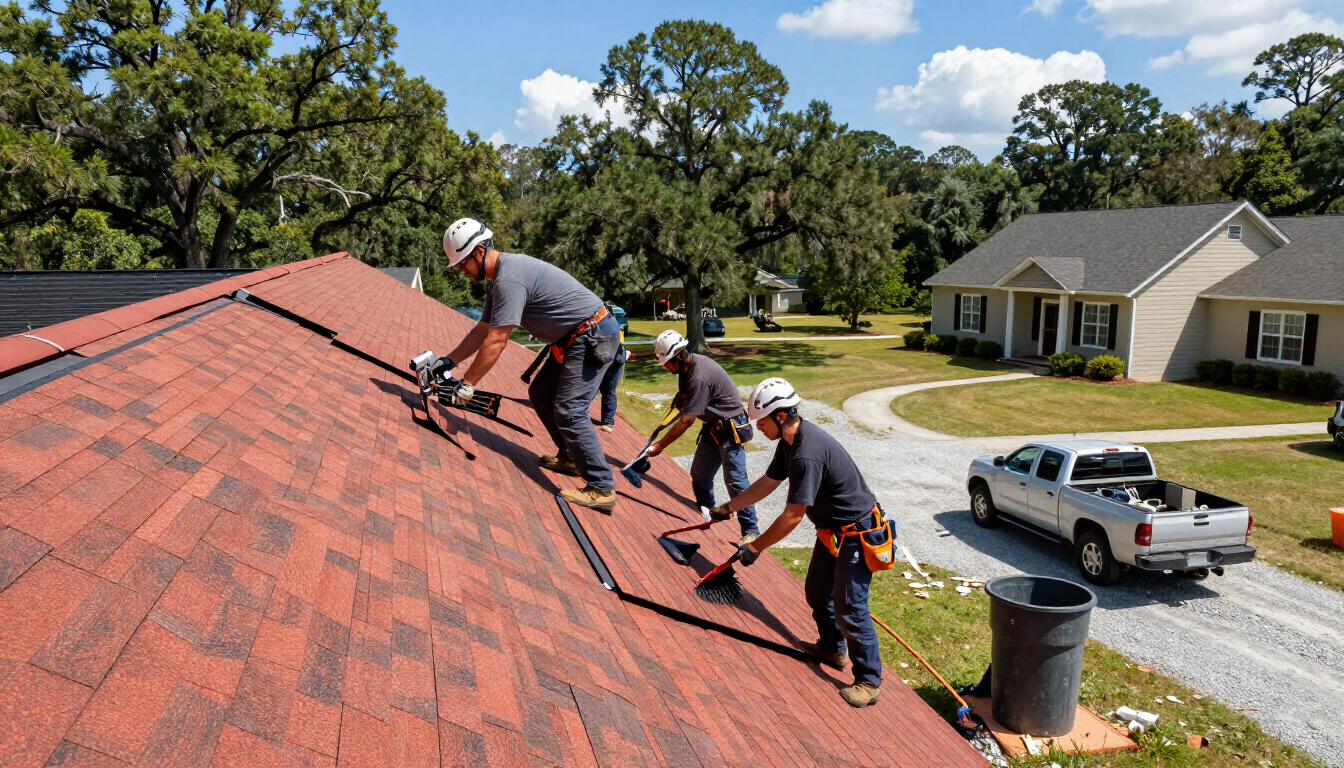
If you plan to stay in your home for many years, replacing the roof may offer better long-term value. A new roof can reduce surprise repairs, improve protection, and give you greater peace of mind moving forward.
Upgrades and Energy Efficiency Opportunities
A replacement project can also create opportunities to improve ventilation, add insulation, or choose more energy-efficient materials. These upgrades may help lower heating and cooling costs throughout the year.
Impact on Home Resale Value
A newer roof is also a strong selling point. Buyers appreciate knowing the home’s roofing system has already been updated, which can make your property more attractive and easier to market in the future.
Sometimes spending more up front can save significantly more over time through lower repairs, better efficiency, and increased home value.
Making an Informed Decision
Choosing between roof repair and replacement isn’t always obvious. What matters most is understanding your roof’s current condition, your future plans for the home, and what option offers the best overall value.
The Importance of Professional Roof Inspections
Many roofing issues can’t be seen from the ground. A professional inspection helps uncover hidden moisture, structural concerns, and storm-related damage that may not be visible during a quick visual check.
- Inspections catch problems before they worsen
- Roofers can document damage clearly and explain your options
- Storm damage may be more widespread than it first appears
A professional inspection can reveal whether you’re dealing with a manageable repair or a roof that truly needs replacement.
Weighing Upfront Costs Versus Long-Term Savings
Repairs may cost less today, but repeated fixes can become expensive over time. A replacement is a larger upfront investment, but it often reduces future maintenance costs and long-term stress.
- Are you planning to stay in the home long term?
- How many times has the roof already been repaired?
- Can your budget handle repeated repairs if new issues continue?
Understanding Local Building Codes
Roofing codes and requirements can change over time. If your home is older, a replacement may be the better option for bringing the entire roofing system up to current standards, which can matter for future resale, inspections, and insurance considerations.
Before making your final choice, take time to compare your options carefully. If you have questions or need expert guidance, visit our website to get the support you need for your home.
Conclusion
Deciding between roof repair and roof replacement isn’t always simple. If your roof is still relatively new and the damage is limited, a focused repair may be all you need. But if problems keep returning, the damage is widespread, or the roof is nearing the end of its life, replacement may be the smarter long-term solution. A professional inspection can help you make the right call and avoid spending money on a temporary fix when a more complete solution is needed. In the end, the best decision is the one that keeps your home protected and gives you confidence for the seasons ahead.
Frequently Asked Questions
How do I know if my roof needs to be replaced or just repaired?
Look for signs like widespread missing or curling shingles, leaks in multiple places, sagging areas, or a roof that is nearing the end of its lifespan. Smaller, isolated problems can often be repaired.
Is it cheaper to repair a roof or replace it?
Repairs usually cost less upfront, especially when the damage is limited. But if the roof needs constant repairs, replacement may be more cost-effective over time.
How long does a typical roof last?
Most asphalt shingle roofs last about 20 to 30 years. Metal, tile, and slate roofs may last much longer depending on the material and maintenance.
Can storm damage be fixed with repairs, or do I need a new roof?
If storm damage is limited to one area, repairs may be enough. But widespread storm damage or multiple leaks may require a full replacement.
Will a new roof help my home’s energy efficiency?
Yes. A new roof can improve energy efficiency, especially when paired with better ventilation, upgraded insulation, or energy-saving roofing materials.
Why should I get a professional roof inspection before deciding?
A professional can identify hidden issues, explain the extent of the damage, and help you choose the option that makes the most sense for your home and budget.