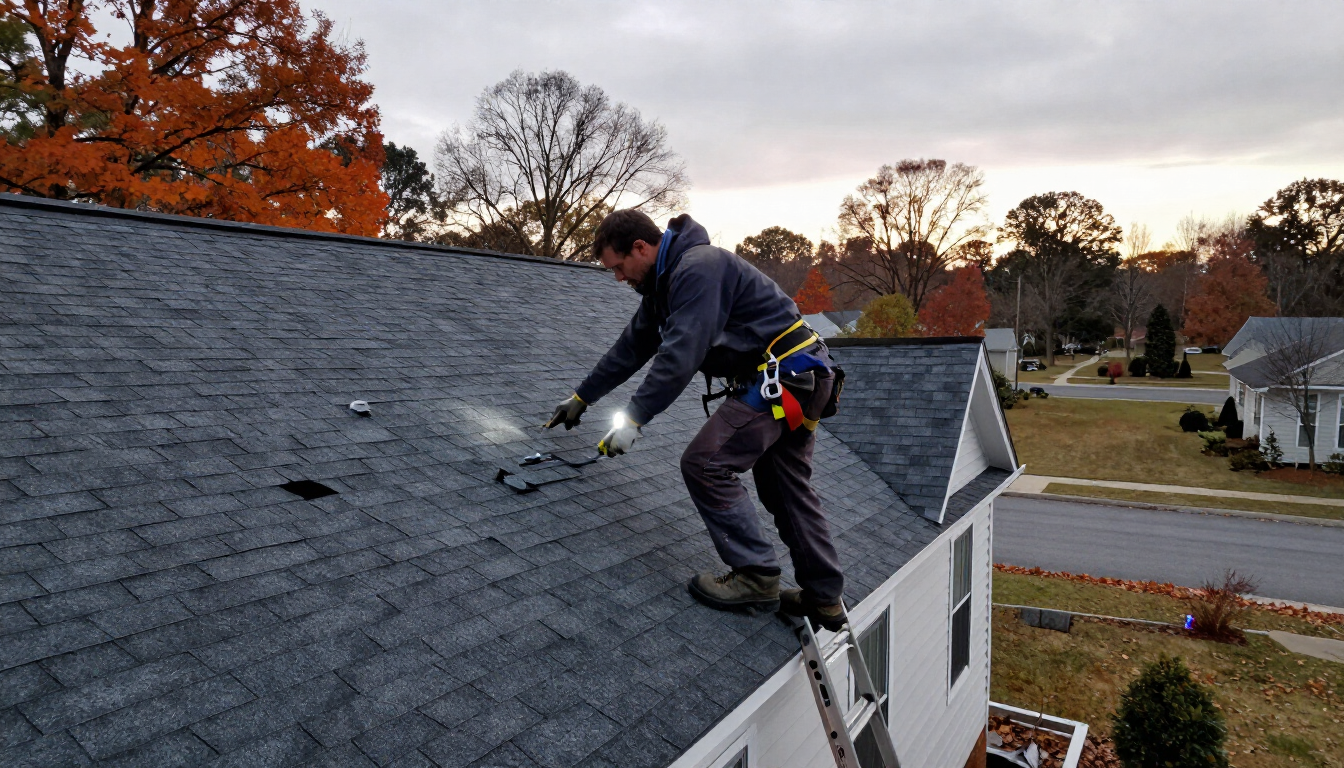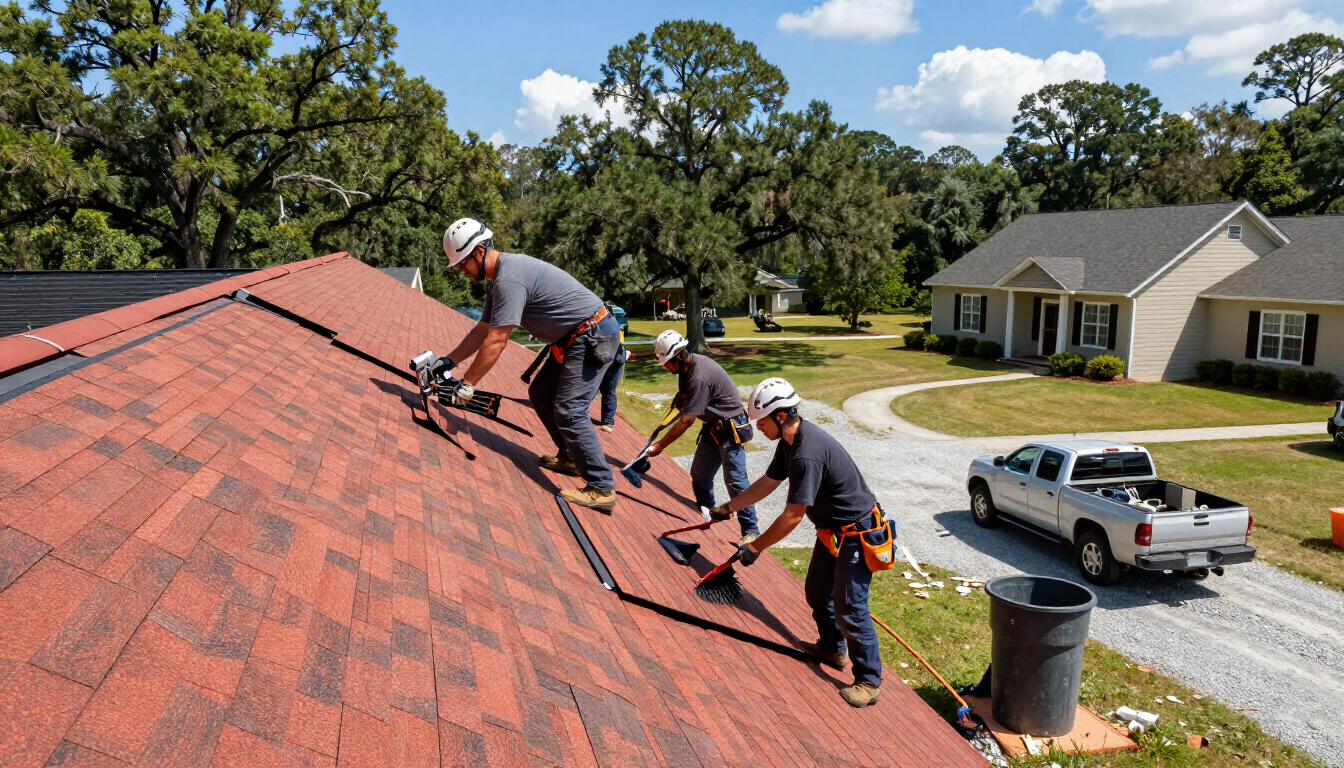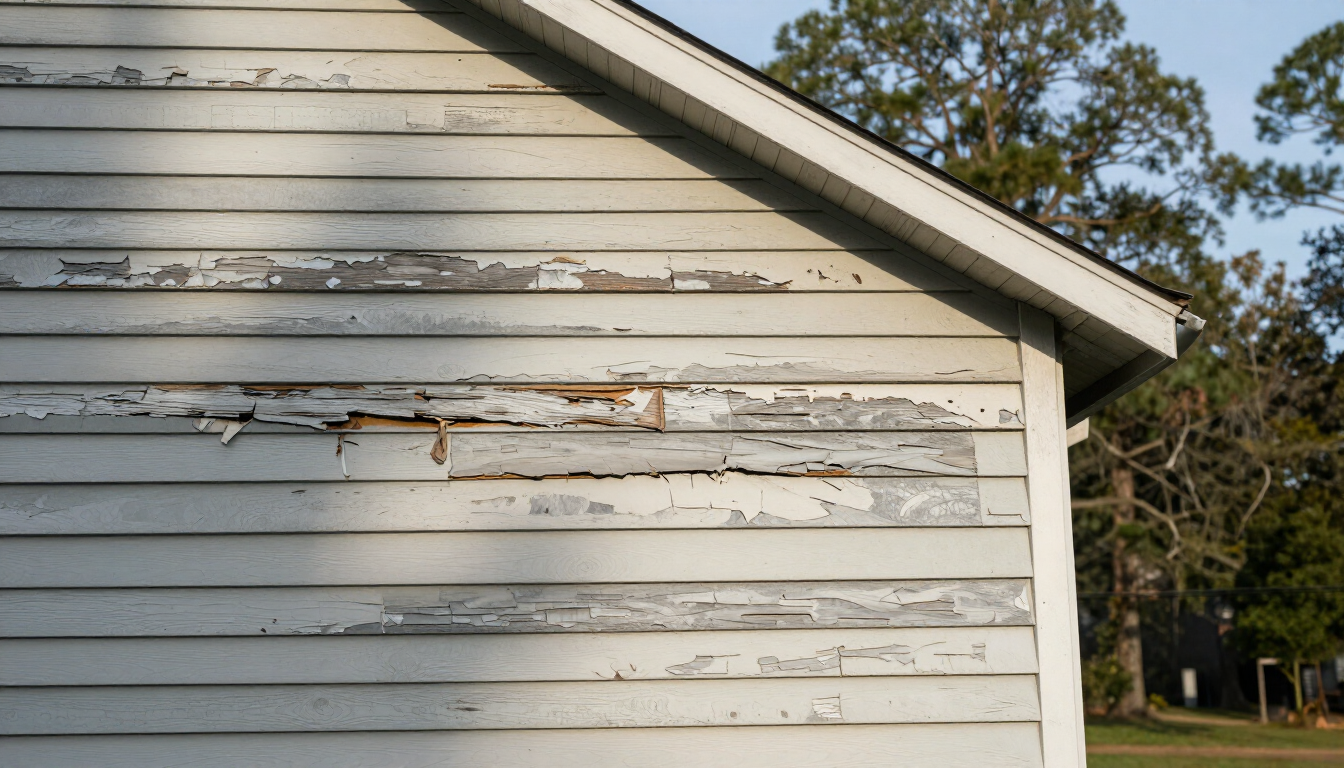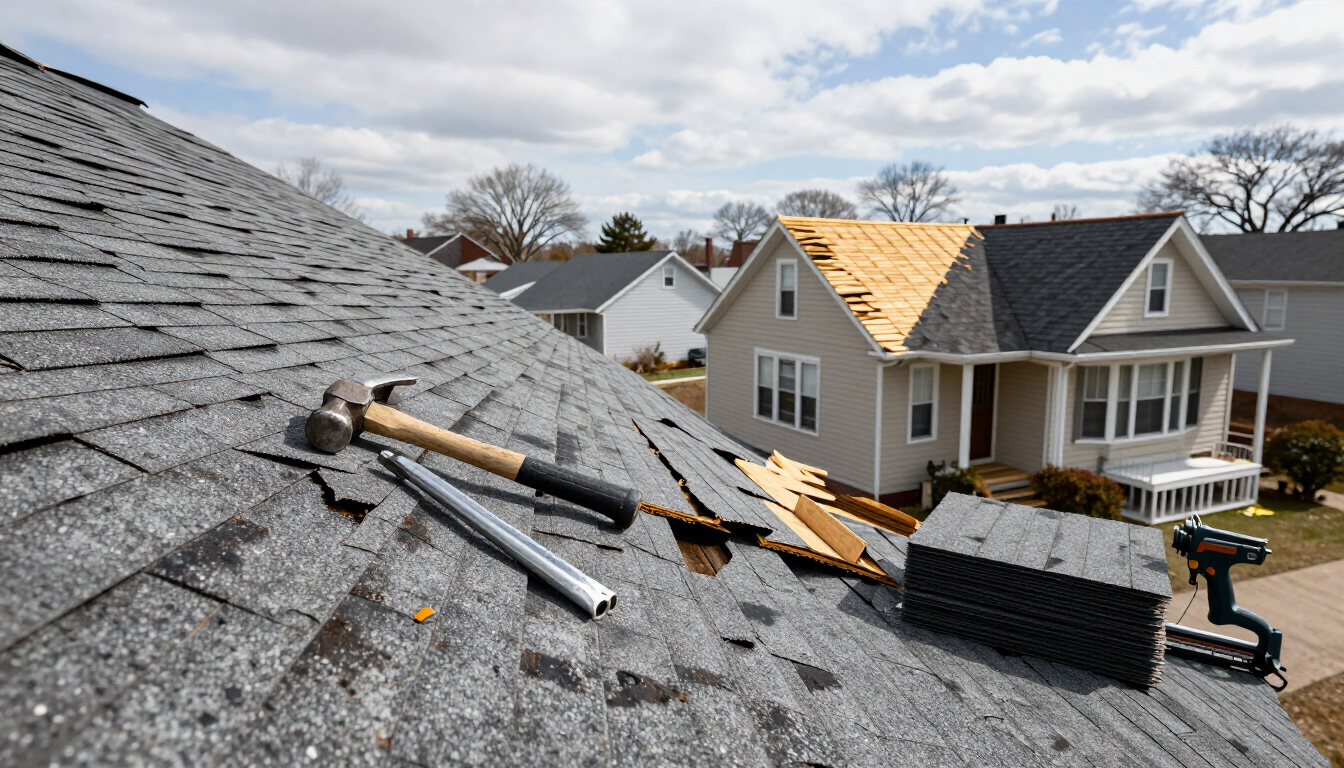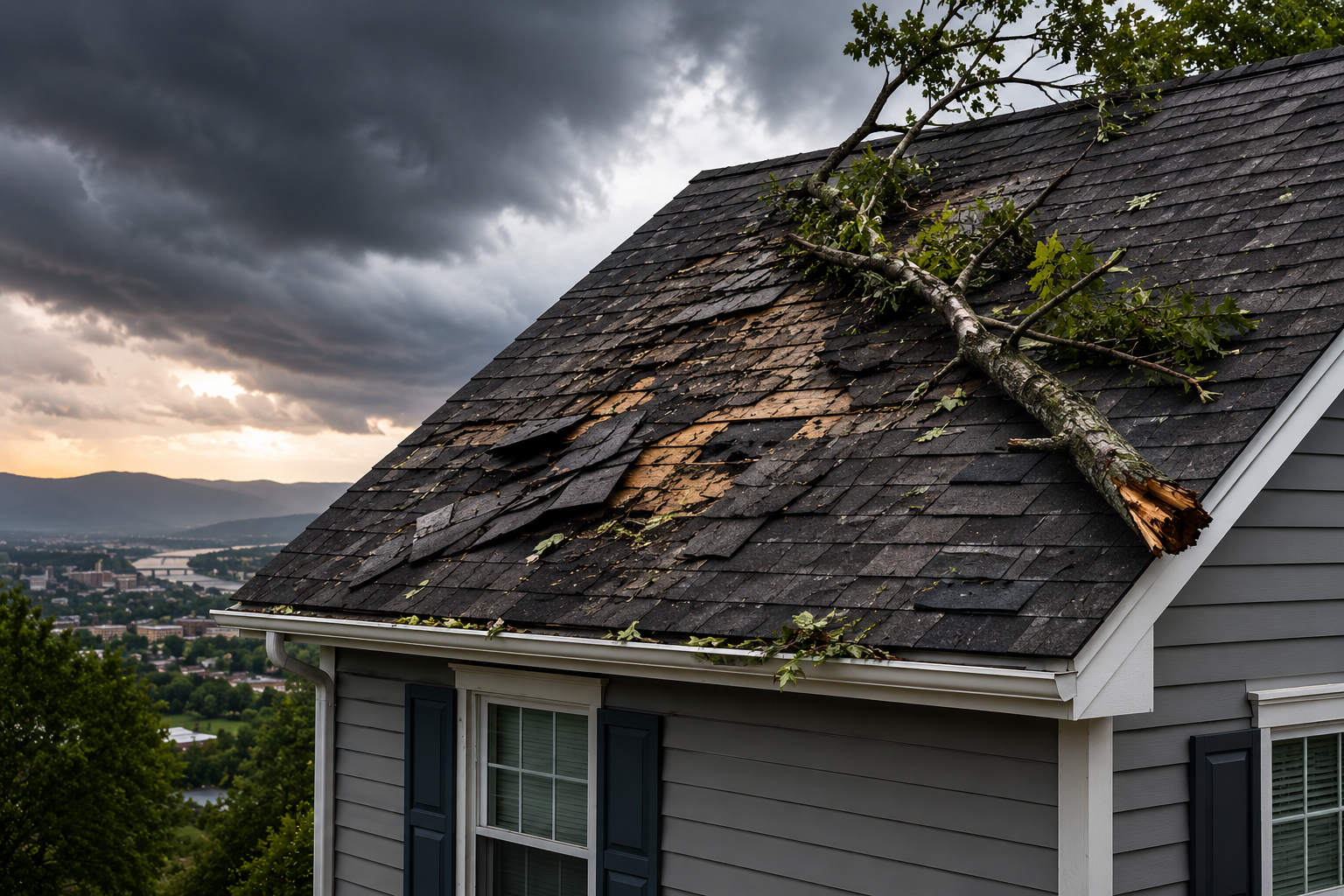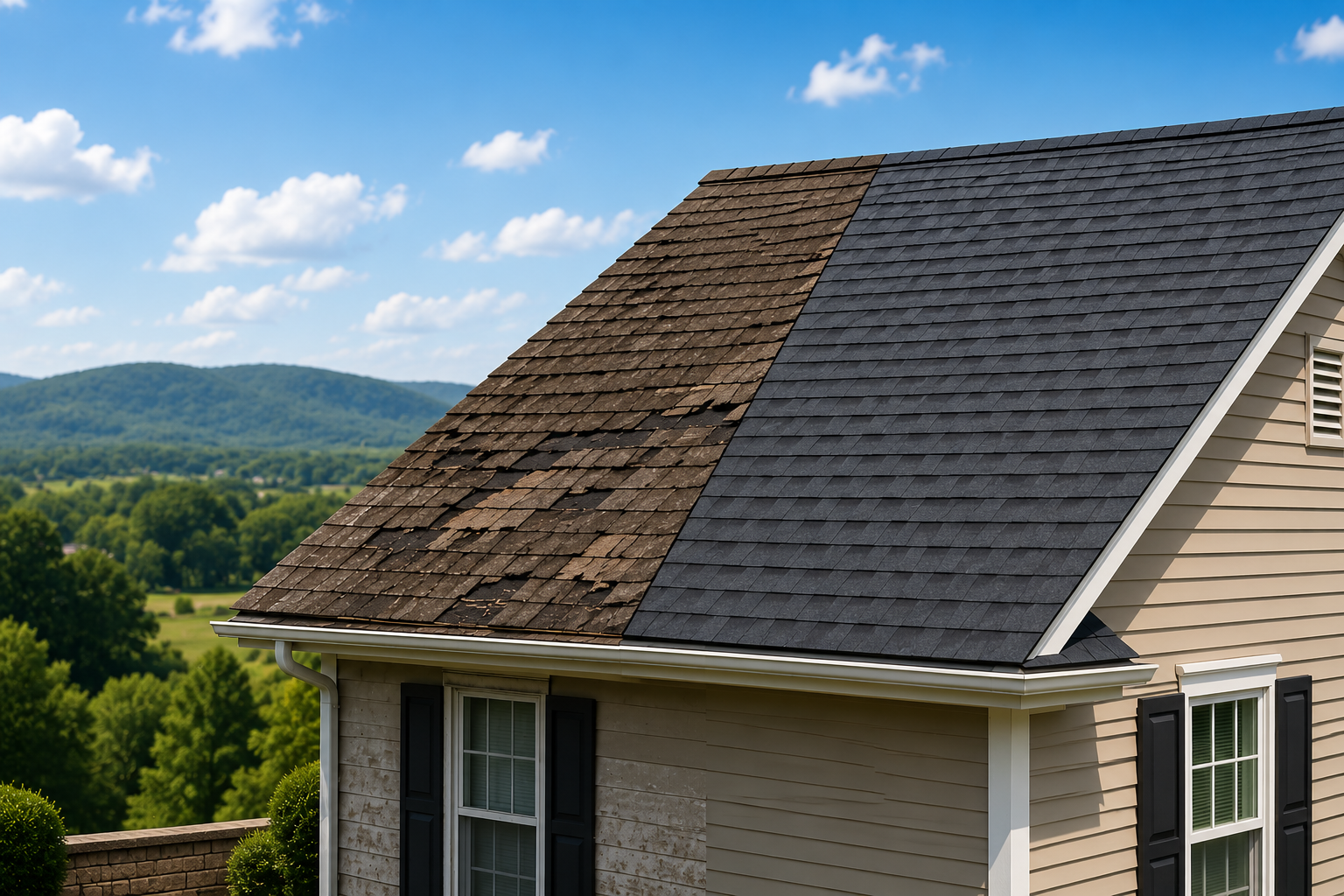
When a big storm hits and your home takes a beating, figuring out how to pay for repairs can feel like one more headache you just don’t need. Whether it’s a leaky roof, a flooded basement, or damaged siding, the bills add up fast. The good news? There are more ways to handle storm damage financing than you might think. You don’t have to drain your savings or max out your credit cards. Let’s break down the options so you can get your house back in shape without losing sleep.
Key Takeaways
- There are multiple ways to finance storm damage repairs, including insurance claims, personal loans, and government programs.
- Home equity loans and lines of credit can offer lower interest rates, but they require you to use your home as collateral.
- Some contractors work with lenders to provide payment plans, making repairs more affordable right away.
- Special financing options like zero-interest deals or government grants may be available for certain repairs or income levels.
- Building up emergency savings and planning ahead can make storm damage repairs less stressful in the future.
Understanding Storm Damage Financing Options
When sudden storms hit, finding the money to get repairs started can feel overwhelming. There’s a lot to think about, and the right solution isn’t always clear right away. Here's a breakdown of some paths you can take to handle it without added stress.
Exploring Homeowners Insurance Claims
If you’re staring at a leaky roof or a broken fence after a rough storm, your first thought should probably be your homeowners insurance policy. Insurance can pay for a big chunk of the repairs if the damage is covered and your deductible isn’t too steep.
- Check your policy carefully to see what’s included and what isn’t.
- Think about your deductible—will the insurance payout really cover what you need after you pay your share?
- Look at your past claims; sometimes too many claims can raise your premium for next year.
- Keep in mind, the reimbursement process can stretch out, anywhere from 30 to 90 days, depending on your insurer.
Filing a claim with your insurance is often the fastest way to get help with serious damage after a storm. Still, patience is key—payouts don’t happen overnight.
Leveraging Personal Loans for Repairs
Not everyone has emergency savings ready to go. If you need money fast and insurance isn’t covering everything, personal loans are an option. They’re often quick to fund, but interest rates can be higher, especially if your credit isn’t strong.
- Personal loans can cover nearly any home repair cost.
- Approval is usually based on your credit score and income.
- Repayment terms are fixed, which makes budgeting easier.
Some homeowners also look into flexible financing options offered through home repair specialists, which can include low fixed-rate or zero-interest promotions for a limited time.
Considering Government-Backed Mortgages
For bigger repair projects, government-backed loans like FHA 203(k), VA renovation loans, or USDA Section 504 assistance may be worth exploring.
- FHA 203(k): Combines home purchase or refinance costs with repair funding.
- VA Renovation: Available to qualifying veterans and service members for eligible home improvements.
- USDA Section 504: Designed for low-income or elderly homeowners needing essential repairs.
Exploring all your financing options gives you better control over how—and how much—you’ll pay for storm repairs.
Securing Funds for Urgent Home Repairs
When the roof is leaking or the water heater bursts, the stress really hits home. Finding money for urgent repairs isn’t something most people prepare for, yet these moments arrive without warning. There are several ways to cover emergency fixes, but speed and accessibility matter most when the clock is ticking.
Home Equity Loans and Lines of Credit
If you’ve built up enough value in your home, a home equity loan or a Home Equity Line of Credit (HELOC) may help cover large repair bills.
- You borrow against your home’s value, often at lower rates than credit cards.
- A HELOC gives you flexibility to draw funds as needed.
- Repayment can be spread out over several years.
Peer-to-Peer Lending Solutions
Peer-to-peer lending platforms connect borrowers directly with investors, offering another route if banks feel too restrictive.
- Applications are often simple and fast.
- Approval may be easier for borrowers with lower credit scores.
- Rates and repayment terms can vary widely, so review everything carefully.
Government Loans and Grants for Homeowners
Government programs may help homeowners with limited income or those affected by significant storm damage. FEMA support, USDA repair grants, and local assistance programs can all be worth checking.
- Some programs are designed specifically for safety-related repairs.
- Some grants do not need to be repaid.
- Loans may offer flexible repayment terms for qualified applicants.
If you’re feeling overwhelmed, start with the most urgent repairs first and compare the fastest funding options available to you.
Navigating Financing with Contractors
When storm damage hits, you'll likely be working closely with contractors to get your home back in shape. It's not just about choosing a contractor—it’s also about understanding how the work will be financed.
Partnering with Financial Institutions
Many contractors work directly with lenders or financing companies. This can make the process easier because the contractor may help guide you through the paperwork and financing steps from start to finish.
Understanding Contractor Payment Plans
Contractor financing plans may come in several forms, from monthly installment payments to promotional no-interest periods. Always ask for the full details before signing.
- Interest rates: Know the APR and whether it changes over time.
- Repayment terms: Understand the timeline and monthly amount.
- Fees: Check for hidden costs, origination fees, or penalties.
- Prepayment rules: Ask whether you can pay off the balance early without extra charges.
A good contractor will clearly explain your payment options and help you choose a financing plan that fits your budget and timeline.
Choosing a Reliable Financing Partner
Whether financing comes through a contractor or a separate lender, reliability matters. Look for clear terms, honest communication, and a solid reputation. Some companies offer promotional financing options that may make repairs more manageable, but make sure you understand exactly how they work.
Financing Specific Storm Damage Repairs
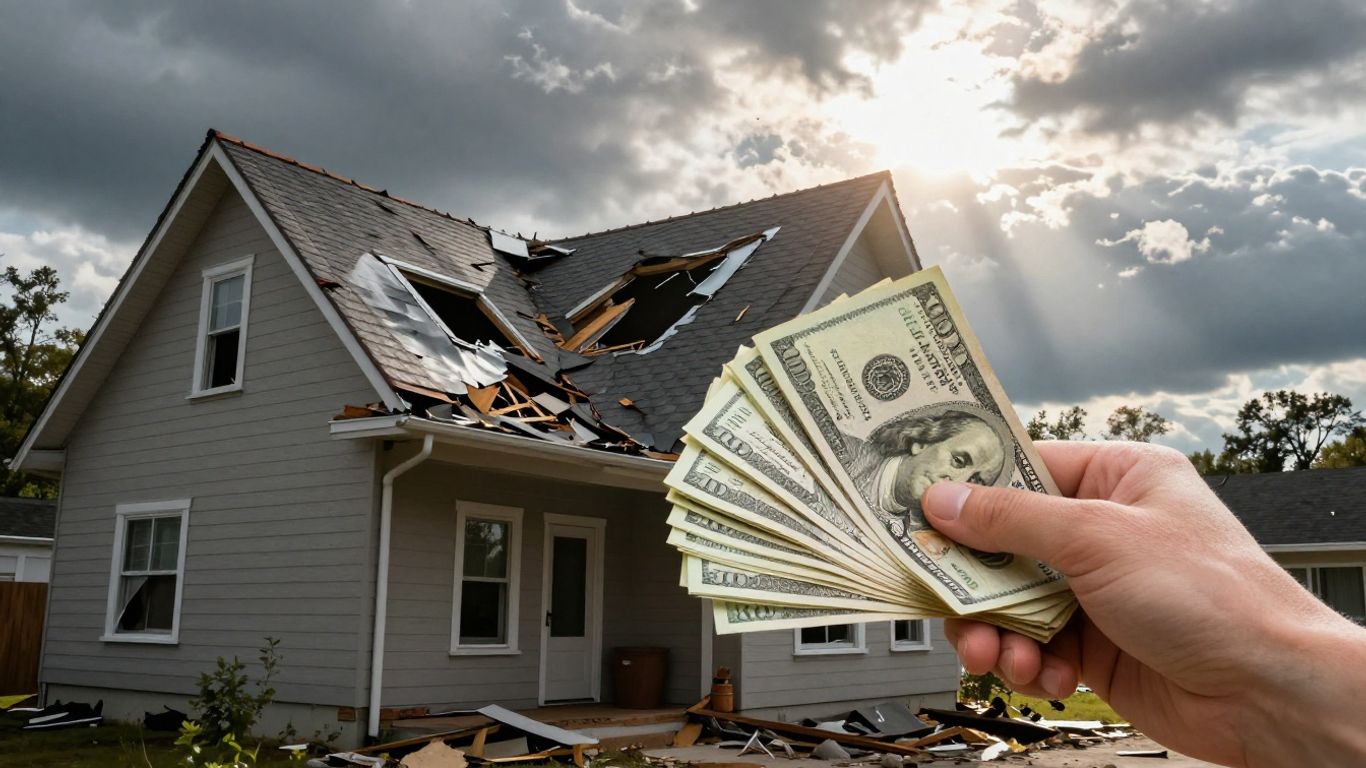
When a storm hits, it often leaves behind damage that needs immediate attention—especially to your roof, foundation, or flood-damaged areas. The financing option you choose can affect both how fast repairs begin and how much they cost over time.
Roof Replacement Financing
A damaged roof often needs immediate action, but replacement costs can be significant. Several financing paths may help:
- Personal loans offer quick access to cash, though rates may be higher.
- HELOCs often provide lower interest rates but may take longer to approve.
- Some contractors offer financing plans, including short-term zero-interest promotions.
Review available roof financing options to compare timing, cost, and flexibility.
Foundation Repair Financing Options
Foundation repairs are often urgent and expensive, and insurance coverage may be limited unless the cause is specifically covered under your policy.
- Unsecured home improvement loans can provide fast funding.
- Home equity loans may offer lower rates if you qualify.
- Government grants or safety-related repair programs may help in some cases.
Before choosing a financing option, estimate the full repair cost and compare it against what you can comfortably afford each month.
Financing for Flood Damaged Homes
Flood damage can affect floors, walls, electrical systems, and more. Repairs add up quickly, and insurance may not fully cover the damage.
- File a homeowners insurance claim as soon as possible.
- Consider a home equity loan or HELOC if you have enough equity.
- Use a personal loan if speed matters most.
- Research government aid and local relief programs for additional support.
Key Considerations for Storm Damage Financing
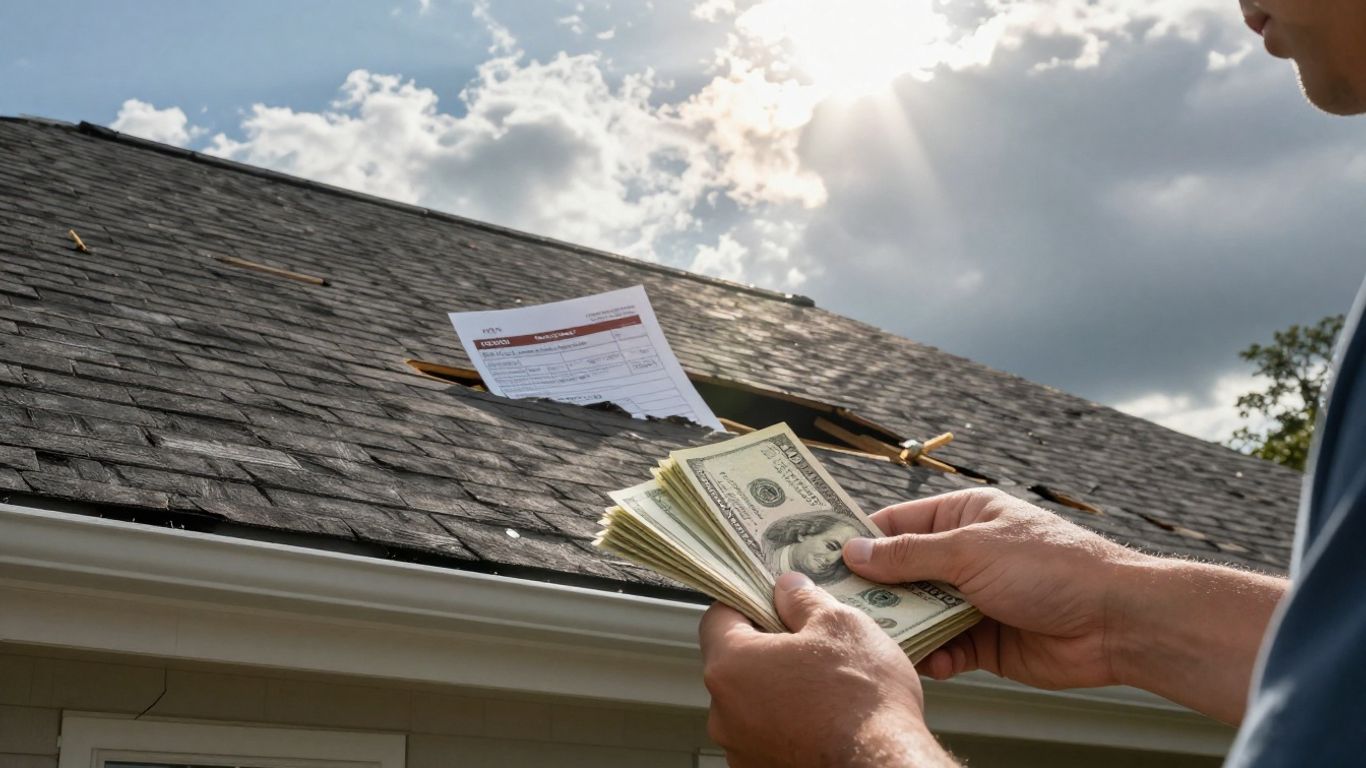
Storm damage is stressful enough without making a financing decision you’ll regret later. Before choosing any loan or payment plan, it helps to focus on a few key details.
Assessing Interest Rates and Terms
Don’t just look at the monthly payment—review the full cost of the loan.
- Compare rates from multiple lenders.
- Check whether the rate is fixed or variable.
- Review the total repayment timeline.
Understanding Approval Timelines
If your home isn’t fully protected, speed matters. Some financing options can fund quickly, while others take longer.
- Online lenders and personal loans are usually the fastest.
- Government loans and grants may take longer to process.
- Home equity loans often involve a longer approval timeline.
Match your financing choice to the urgency of the repair. Fast damage control often needs fast funding.
Evaluating Zero-Interest and Special Offers
Promotional offers can be helpful, but only if you understand the terms clearly.
- Find out how long the zero-interest period lasts.
- Ask what happens after the promotional window ends.
- Check for fees, penalties, and credit requirements.
- See whether deferred interest applies if the balance isn’t paid on time.
Finding the best way to finance repairs after a storm doesn’t have to be a headache. Doing your research, comparing options, and asking for transparent terms can save you money and stress in the long run.
Addressing Financial Preparedness for Weather Events
Preparing financially for storm season is just as important as protecting your home physically. Having a plan in place can help you act quickly when repairs are needed and reduce the pressure of unexpected costs.
The Importance of Emergency Savings
Creating an emergency fund gives you a financial cushion when sudden repair bills show up. Even small monthly contributions can make a difference over time.
- Set aside a fixed amount each month.
- Avoid using the fund for non-emergency expenses.
- If possible, aim to build at least three months of living expenses.
Starting small is still progress. Every dollar set aside can help reduce stress when emergency home repairs happen.
Mitigating Costs Before Disaster Strikes
Preventive maintenance can reduce repair costs later. Routine upkeep and insurance reviews can help protect both your property and your finances.
- Review your insurance coverage regularly.
- Perform annual home maintenance checks.
- Strengthen vulnerable parts of your home where possible.
Seeking Assistance for Home Repairs
If your savings fall short, you may still have options beyond credit cards.
- Contact your insurance provider and ask about claim timelines.
- Look into grants or low-interest government loans.
- Check whether local nonprofits or community programs offer repair assistance.
Being ready for big storms or heavy rain means more than just fixing up your home. It’s also about planning your finances. Want to learn more? Check out our website for tips and support.
Wrapping Things Up
Dealing with storm damage is never easy, and figuring out how to pay for repairs can add even more stress. The good news is that there are several financing options available, from insurance claims and personal loans to government programs and contractor payment plans. Taking time to compare what works best for your budget and repair timeline can make the process much more manageable. Getting your home back in shape is possible, and you don’t have to figure it all out alone.
Frequently Asked Questions
What's the first thing I should do if my home is damaged by a storm?
Your first step should be to review your homeowners insurance policy. Check what damage is covered, what your deductible is, and whether filing a claim makes financial sense.
Can I get a loan if I have bad credit?
Yes, many lenders and financing partners work with homeowners who have less-than-perfect credit. The rate may be higher, but financing may still be available.
How long does it take to get approved for financing?
Some approvals happen within minutes, especially with online lenders or contractor financing partners. Other options, like home equity loans, may take longer.
Are there any ways to finance repairs with no interest?
Some contractors and lenders offer promotional 0% interest options for a limited period. Be sure to read the terms carefully and understand what happens if the balance is not paid in full on time.
Does homeowner's insurance cover foundation repairs?
Usually not, unless the damage was caused by a specific event that your policy covers. Confirm with your insurance provider for exact details.
What's the best way to choose a financing option?
Compare your monthly budget, how quickly you need repairs, interest rates, repayment terms, and any extra fees. The best option is the one that fits both your timeline and your finances.