Spring storms can be rough, and sometimes they leave behind more than just puddles. We're talking about potential damage to your roof and home. It's easy to think everything is fine once the clouds clear, but hidden issues can pop up later. Knowing what to look for after a storm, especially when it comes to hail damage roof Georgia, can save you a lot of trouble and money down the road. Let's break down what you should be checking.
Key Takeaways
- Look for circular dents or dark spots on shingles, and check for missing granules, which are signs of hail impact.
- Wind can lift, tear, or curl shingles, and you might see loose flashing or debris on your roof.
- Check your home's exterior from the ground for damaged shingles, gutters, siding, and other metal parts.
- Water stains on ceilings, musty smells, or dampness in the attic can mean your roof has a leak.
- Getting a professional inspection quickly is important to fix problems before they get worse and to meet insurance claim deadlines.
Identifying Hail Damage On Your Roof
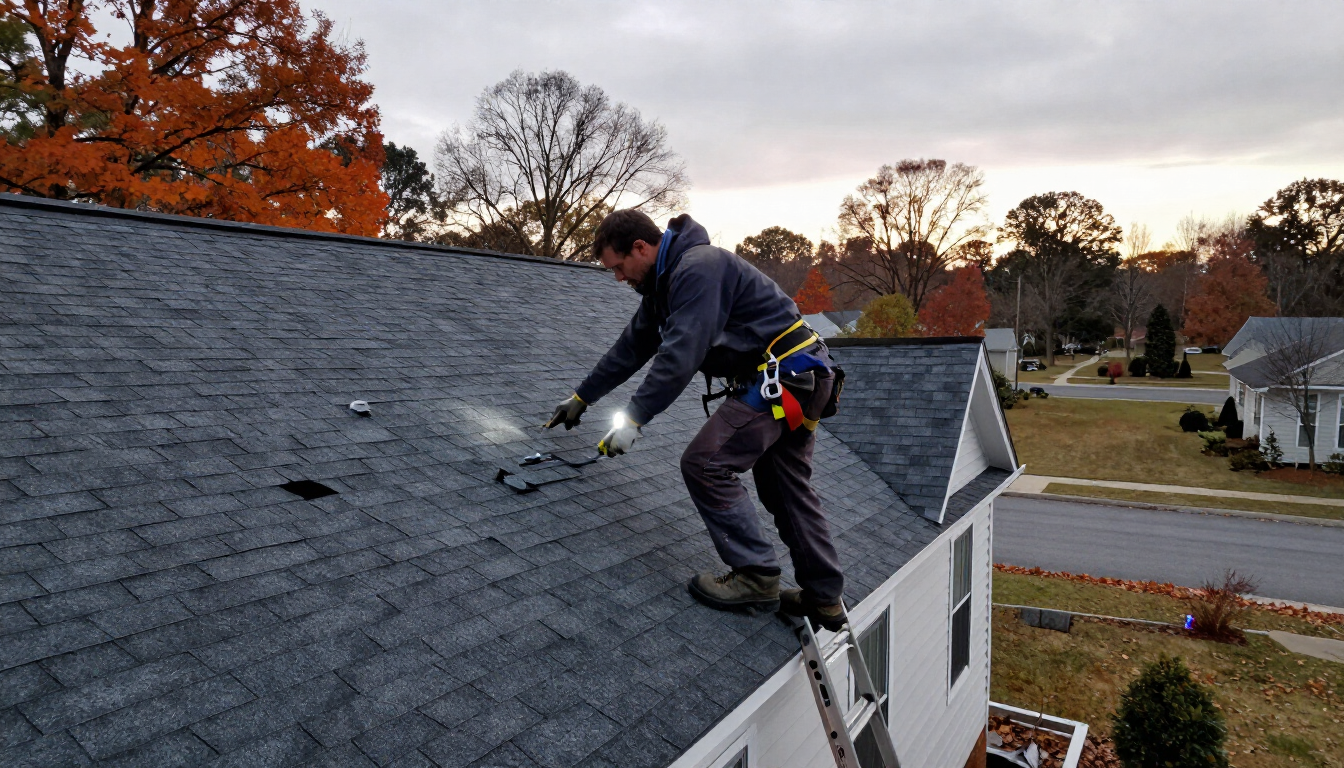
Spring storms have a way of testing your roof, and hail is often the biggest culprit behind hidden damage. If you’ve just had a rough storm, you’ll want to know what to check before things get worse. Let’s talk about what really matters once the skies clear up.
Signs Of Hail Impact On Shingles
Most people don’t realize how sneaky hail damage can be until water starts making its way inside. Look for these typical warning signs on your shingles:
- Soft or spongy spots that feel odd when touched (these bruises mean hail’s hit hard)
- Dark, discolored circles or patches that set certain shingles apart from the rest
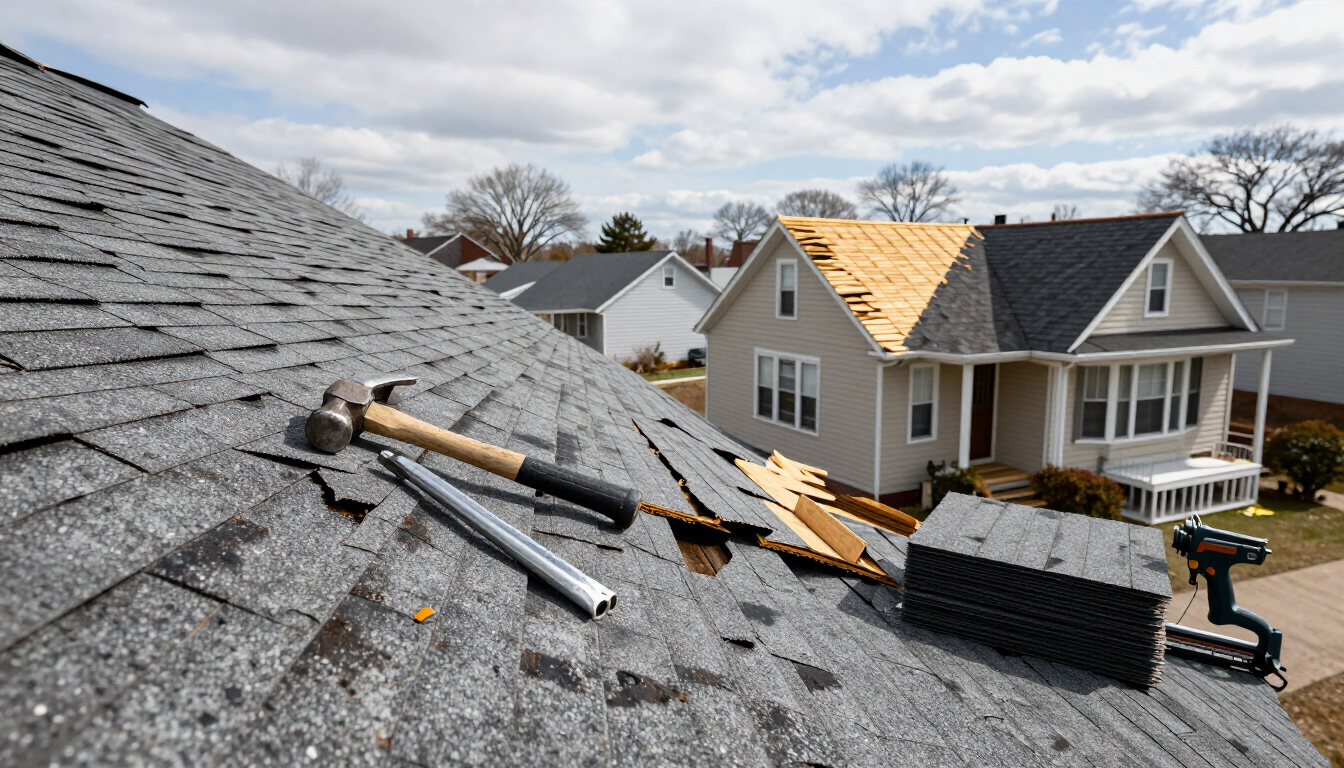
- Actual pieces of shingles missing from the roof, not just cosmetic issues but clear exposure to more damage
Quick action after hail means you won’t get blindsided by unexpected leaks or expensive repairs weeks down the line.
Granule Loss And Its Significance
When hail smacks into your roof, one of the silent problems is granule loss. These gritty bits on top of your shingles aren’t just there for looks—they shield against UV and slow down wear. Here’s what to watch for:
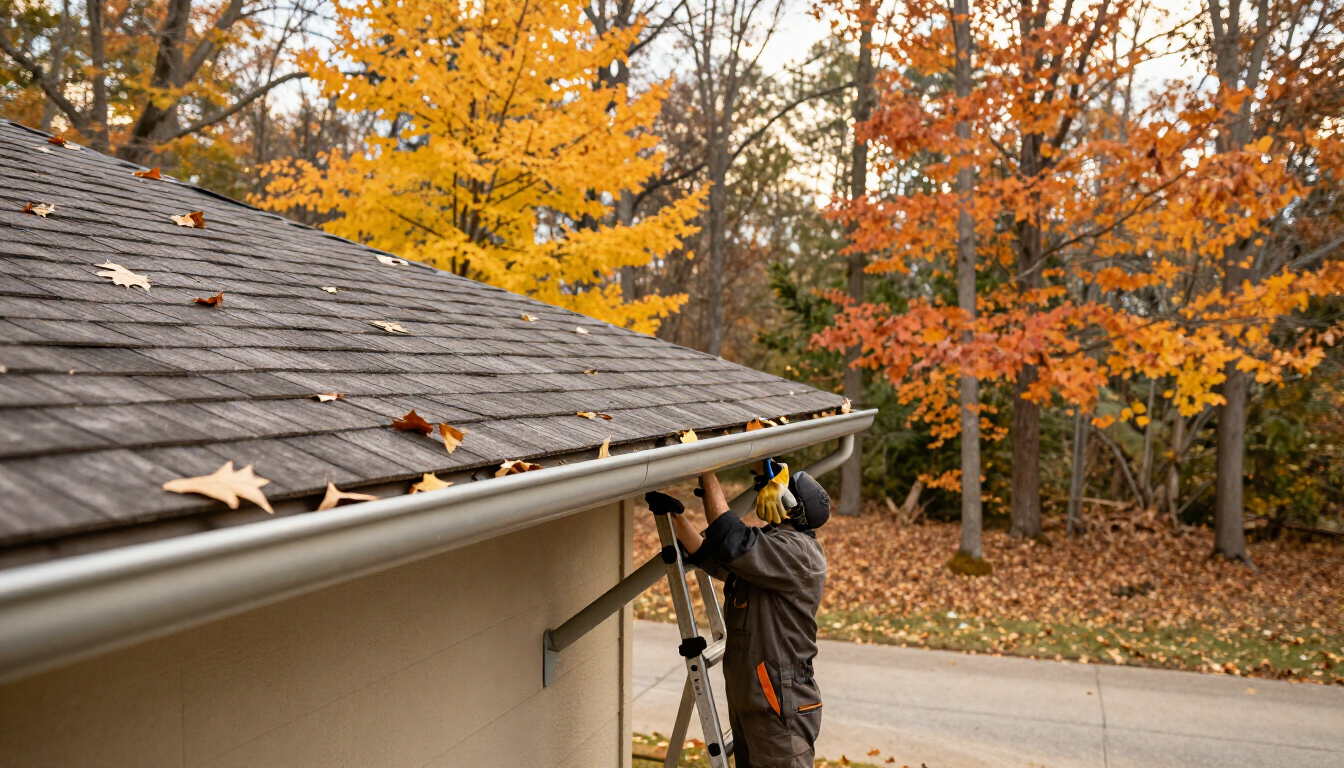
- Piles of black or sandy material building up in your gutters or settling around the ends of downspouts
- Bare or shiny spots on shingles where the granules have been knocked off in chunks
- Shingles that look thin or patchy compared to others in the same area
Granule loss is a warning sign your roof is losing its main defense against the sun and water.
Dents On Metal Components And Flashing
It’s not just the shingles that get hit. Metal parts—like vents, pipes, and flashing—often show dents and dings even if the rest of the roof looks okay. Be on the lookout for:
- Small or shallow dents on vents, metal flashing, or chimney covers
- Dimpled areas near skylights or where two different surfaces meet
- Bent or slightly lifted metal that isn’t sitting flush anymore
Even minor dents might affect how well water runs off your roof. If flashing or vents are compromised, water can sneak in and cause trouble inside. Don’t skip these spots after a hailstorm—they’re often the clue you need that something’s not quite right above your head.
Recognizing Wind Damage After A Storm
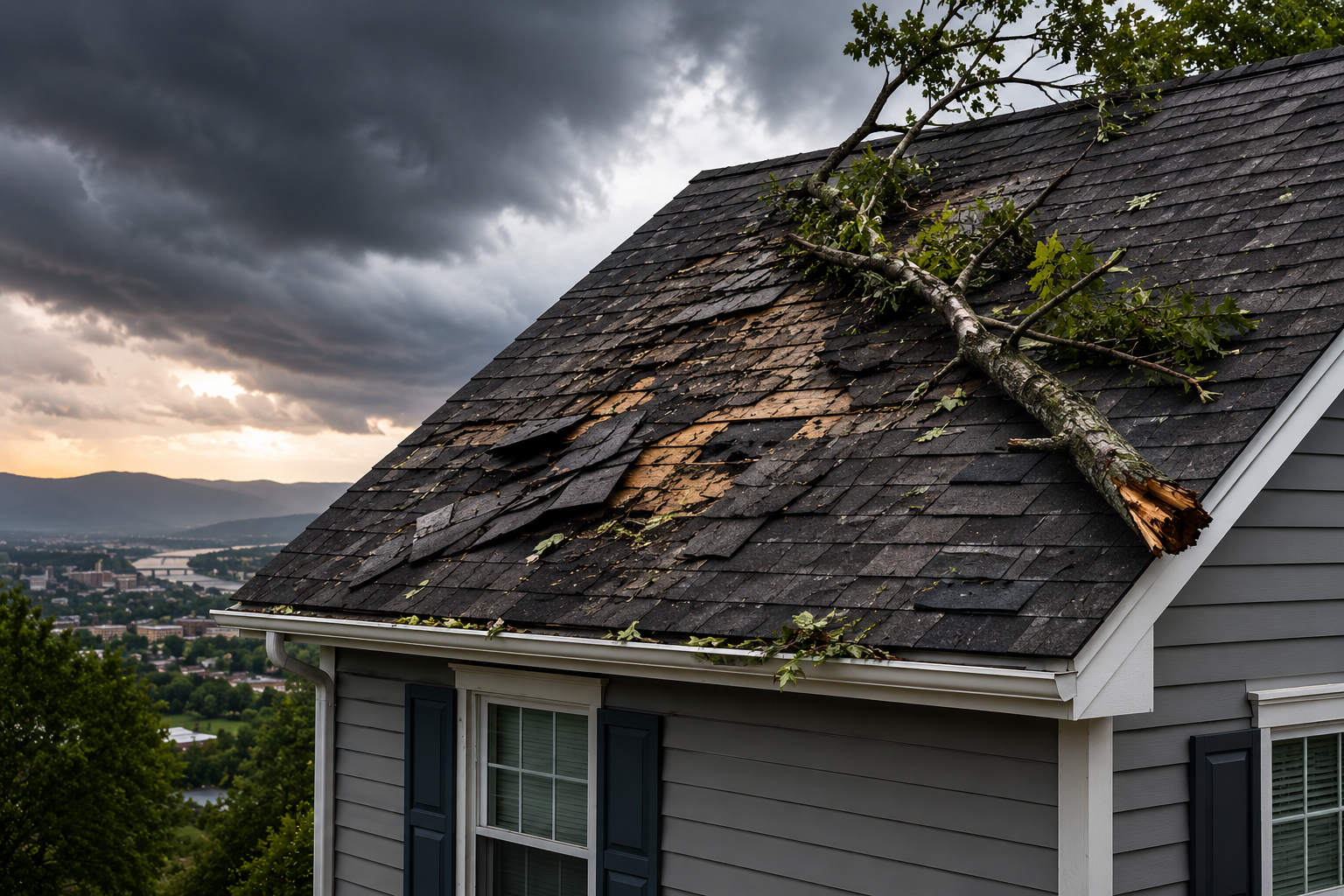
Spring storms often bring strong winds, and these gusts can do more than just blow leaves around. They can actually lift and damage parts of your roof, leaving your home exposed. It's not always obvious from the ground, but paying attention to a few key signs can help you spot trouble before it becomes a bigger problem.
Lifted, Torn, Or Curled Shingles
When the wind gets under your shingles, it can lift them up, break the seals that hold them down, or even tear them right off. You might see shingles that look like they're peeling back, especially along the edges or ridges. Sometimes, they might just curl upwards. Even a small crease or lift in a shingle can break its protective seal, making it much more likely to be damaged further in the next windy spell.
- Look for shingles that are no longer lying flat.
- Check for edges that seem to be lifting away from the roof.
- Notice any shingles that appear cracked or have missing pieces.
Loose Or Detached Flashing
Flashing is that metal material used around roof penetrations like chimneys, vents, and skylights. It's there to direct water away. Strong winds can loosen this flashing, causing it to pull away from the roof. If you see gaps or if the metal looks bent or out of place, water can get underneath and start causing leaks.
Debris Indicating Wind Activity
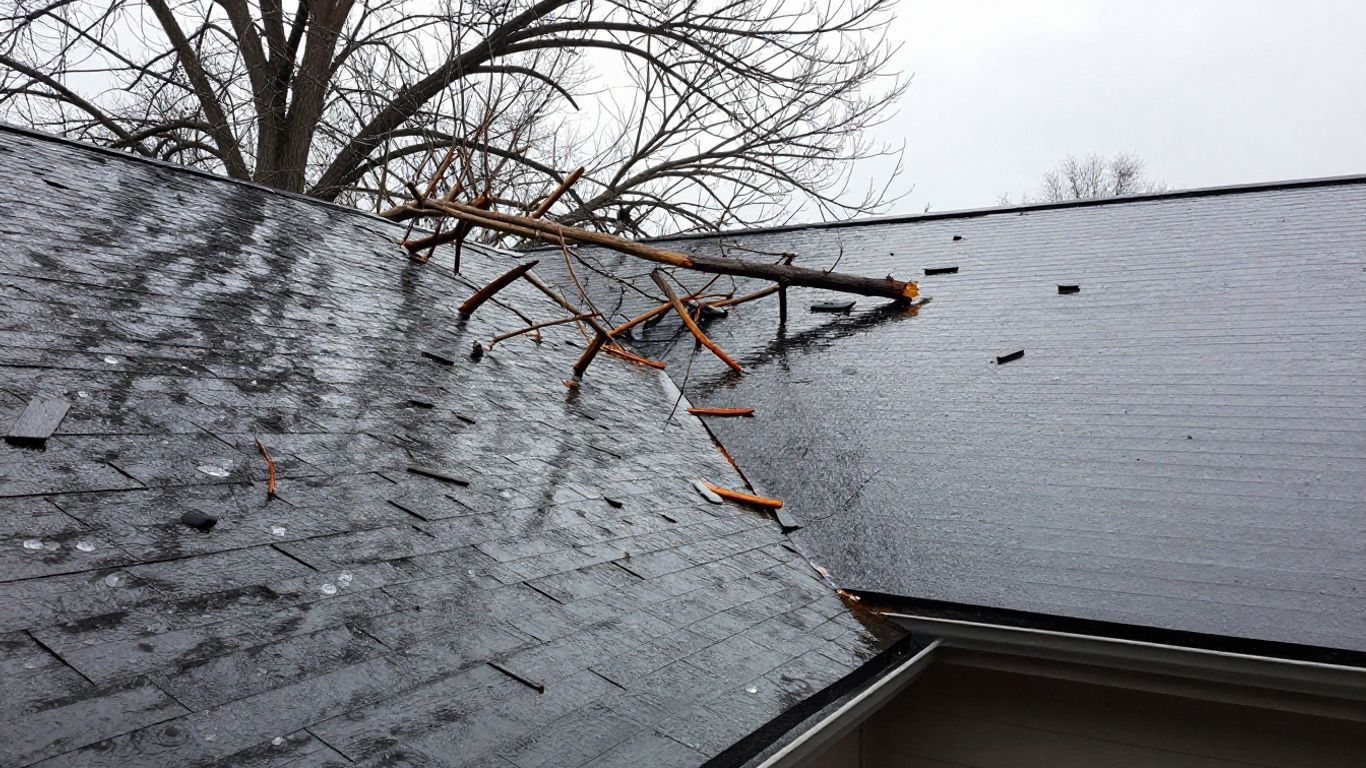
Sometimes, the best clue that wind has been active is the stuff it leaves behind. After a storm, take a look around your yard and on your roof. Are there branches, leaves, or other bits of debris scattered where they shouldn't be? A significant amount of this material, especially if it's lodged in your gutters or downspouts, is a pretty good sign that the wind was strong enough to move things around.
Wind can carry all sorts of things, and when that debris lands on your roof, it can cause damage or clog up drainage systems. It's a clear indicator that the wind's force was considerable.
Exterior Clues Visible From The Ground
After a spring storm, stepping out and just glancing up at your house isn’t enough—there’s a lot you can spot from the driveway or your yard if you know what to look for. Sometimes problems show up in obvious ways, but honestly, the most subtle changes are the ones that end up causing the biggest headaches. Let’s look at how you can check for issues safely, starting at ground level.
Shingle Condition And Placement
One of the quickest things to catch is whether shingles are where they should be. If you notice shingles on the ground or see uneven patterns overhead, that’s a red flag.
- Look for gaps or patches that look different from the rest of the roof – missing or slipped shingles can expose the underlayer to water.
- Notice if any shingles are hanging off the edge or appear crooked.
- Spot any spots where the pattern is disrupted, which could mean wind or hail have moved them around.
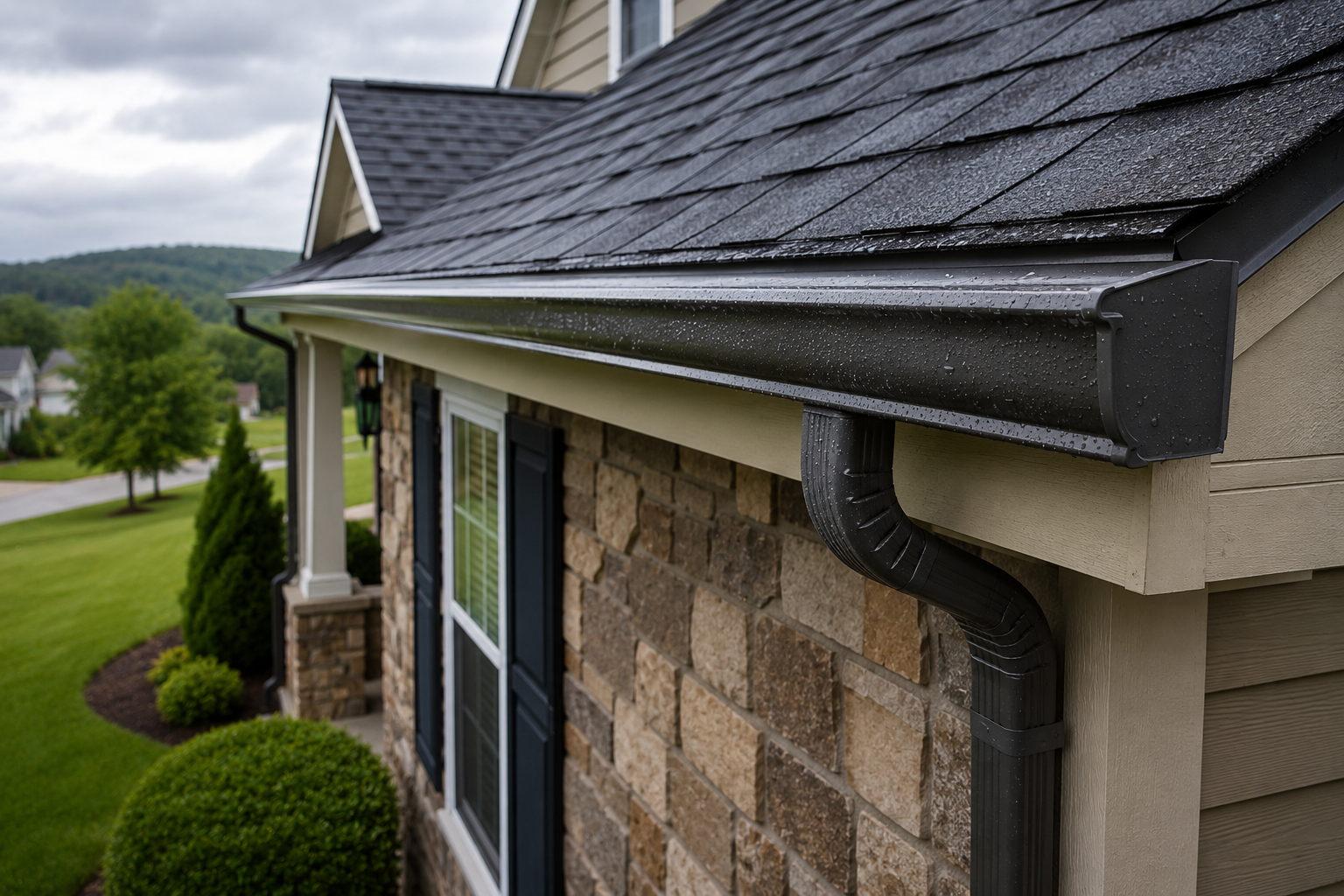
Gutters And Downspout Integrity
Gutters sometimes take the brunt of hail and driving rain. Scan for any of these signs:
- Dents, bends, or crushed areas, especially on the side that took the storm head-on.
- Piles of sand-like granules inside gutters or beneath downspouts—this means shingle surfaces are breaking down.
- Any sagging sections or spots where water is dripping over instead of flowing through.
Dents On Siding And Other Surfaces
Sometimes you don’t notice the roof damage first—the evidence is in your siding, mailbox, or even cars parked outside:
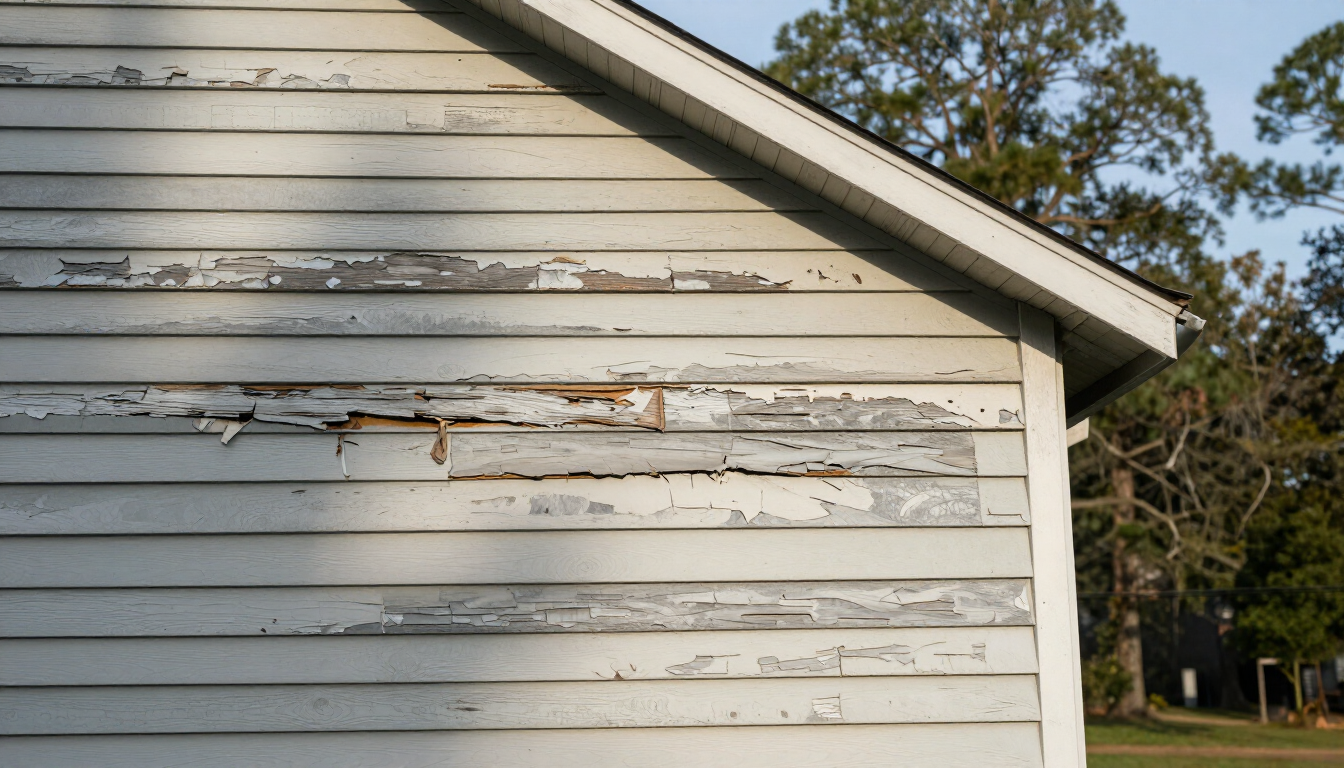
- Check siding for dents, paint chips, or cracks, particularly on the storm-facing side.
- Look for small, round dings on garage doors, window frames, and outdoor furniture.
- Scan for splintered wood, broken fences, or cracked tiles that weren’t damaged before the storm.
Don’t shrug off small dents or a bit of debris. What seems like minor cosmetic damage can actually lead to leaks and further complications if ignored after rough weather.
Interior Signs Of Roof Compromise
Sometimes, the damage from a spring storm isn't immediately obvious from the outside. You might not see any missing shingles or big dents from your yard, but that doesn't mean your roof is in the clear. Water has a sneaky way of finding its way in, and the first place you might notice it is inside your home.
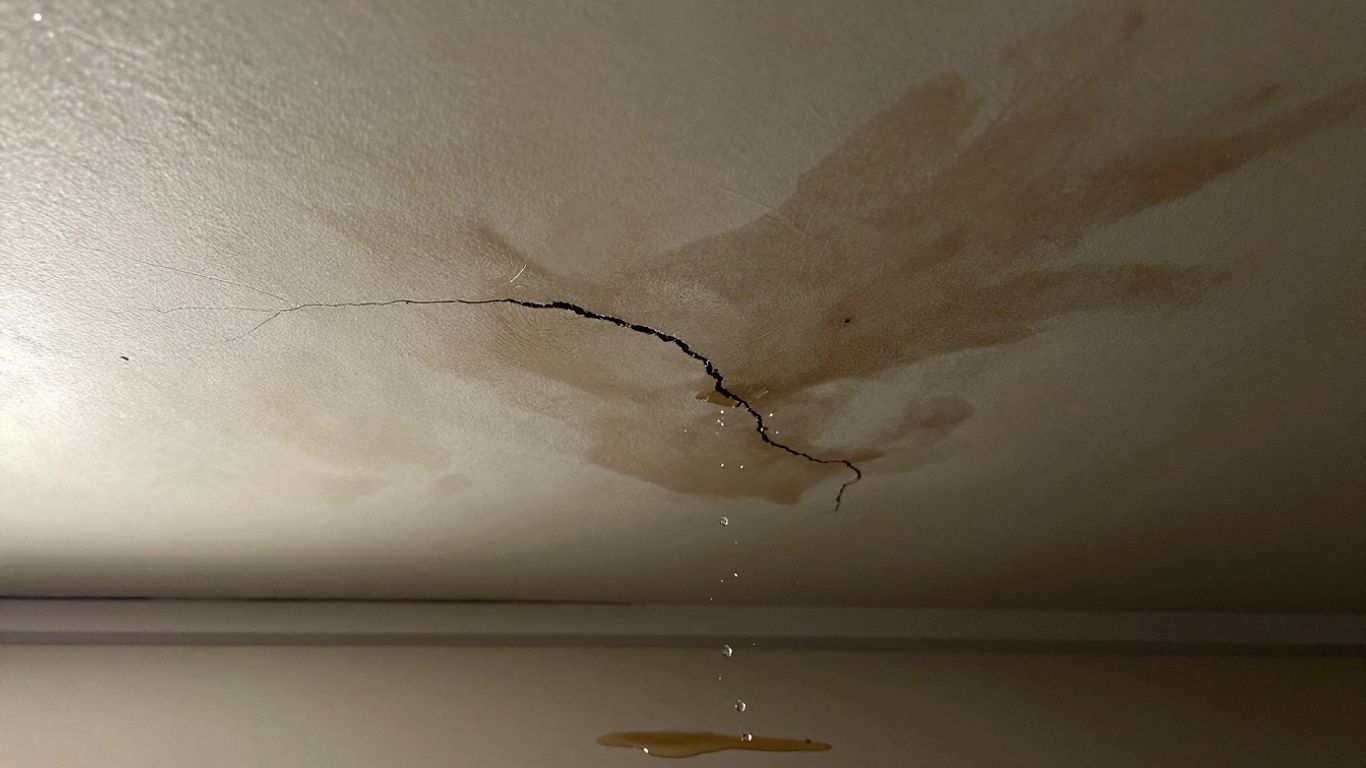
Water Stains On Ceilings And Walls
Keep an eye out for any new discoloration on your ceilings or the upper parts of your walls. These stains often start as small, brownish or yellowish spots. They're a pretty clear sign that water has found a way through your roof and is starting to seep into your home's structure. If you see bubbling paint or peeling wallpaper in these areas, that's another red flag.
Musty Odors In Living Spaces
Another subtle clue is a persistent musty or damp smell, especially in rooms directly below the attic or in closets. This odor usually indicates the presence of mold or mildew, which thrives in dark, moist environments.
Moisture In The Attic
Your attic is like the roof's inner sanctum, and it's often the first place to show signs of trouble. If you venture up there after a storm, look for:
- Damp insulation
- Visible water droplets or puddles
- Dark spots on the wooden rafters or decking
- Any signs of mold growth
Even a small leak can go unnoticed for a while but can cause significant damage to insulation and wood over time.
Why Prompt Inspection Is Crucial For Georgia Homes
A spring storm rolls through, and before you know it, you’re staring up at your ceiling, hoping there aren’t any leaks. For homes in Georgia, quick action after hail and wind events isn’t just smart—it’s a real lifesaver for your house and your wallet.
Preventing Further Deterioration
Skipping or delaying roof checks after a storm lets problems grow quietly. What begins as a few missing granules or a barely noticeable shingle crease can quickly turn into steady leaks, mold, ruined insulation, and higher repair bills.
- Small cracks can spread into large gaps.
- Leaks left untreated may soak walls, floors, and attic insulation.
- Mold growth becomes harder to control the longer water sits unnoticed.
Understanding Insurance Claim Timelines
Insurance companies usually require timely filing for weather damage. If you wait too long, your insurer might question whether the storm caused the problem or if it developed later. Many policies have tight windows for filing claims—sometimes as little as six months.
- Document visible damage right away with clear, date-stamped photos.
- Reach out to a professional for a written inspection report after each major storm.
- Notify your insurance company promptly to start the claim process within the permitted window.
Avoiding Costly Secondary Damage
Left alone, even minor roof damage can turn into big problems. A loose shingle or lifted flashing may seem harmless, but it can allow rainfall to creep in slowly—enough to rot wood, attract pests, or even mess with your home’s wiring if water finds its way in.
- Cut down on expensive repairs by stopping problems early.
- Keep your home safe from electrical or structural risks.
- Reduce the odds of repeat insurance claims, which could raise your premiums.
Fixing a little bit now is a lot easier than fixing a disaster later.
What A Professional Roof Inspection Entails
After a rough spring storm, you might think you can just eyeball your roof and call it good. But honestly, that's usually not enough. A professional roof inspection is way more than just a quick look. These folks know what they're doing and can spot things you'd never notice.
Comprehensive Shingle Assessment
- Impact marks: Tiny dents or bruises on the shingle surface.
- Granule loss: Missing protective granules that can lead to faster wear.
- Cracks and tears: Small openings that allow water in.
- Curling or lifting: Wind-damaged shingles that no longer seal properly.
Flashing and Ventilation Checks
A pro will inspect the flashing around chimneys, vents, and valleys to make sure it’s secure and watertight. They’ll also check that vents are functioning properly so moisture doesn’t build up in the attic.
Attic and Structural Evaluation
- Signs of leaks: Water stains on rafters or decking.
- Moisture or mold: Damp spots or musty odors.
- Structural integrity: Damage to framing or roof decking.
A professional inspection helps identify hidden damage, supports insurance claims, and gives you a clear understanding of what repairs may be needed.
A professional roof inspection is more than just a quick look. It involves a thorough check of your roof's condition, looking for any signs of wear and tear, damage, or potential problems. We examine everything from the shingles and flashing to the gutters and the overall structure to ensure your home is protected. Want to know what goes into a top-notch roof check? Visit our website to learn more about our detailed inspection process and schedule yours today!
Conclusion
Spring storms can sneak up on you, and the damage they leave behind isn’t always obvious. Sometimes it’s just a few granules in the gutter, a dent in the flashing, or a weird water stain on the ceiling. Other times, it’s missing shingles or a musty smell in the attic that tips you off. The main thing is, don’t ignore those little signs. Even small problems can turn into big headaches if you let them sit. If you’re not sure what you’re looking at, or if you can’t get a good view from the ground, it’s smart to call in a pro for an inspection. Take photos, jot down what you see, and keep everything handy for your insurance company. Staying on top of storm damage now can save you a lot of trouble—and money—down the road.
Frequently Asked Questions
How can I tell if my roof has hail damage after a spring storm?
Look for round, dark spots or bruises on your shingles, missing granules in your gutters, and dents on metal parts like vents or flashing. Sometimes, damage is hard to see from the ground, so if you’re unsure, it’s best to have a professional check your roof.
What does wind damage on a roof look like?
Wind damage usually shows up as shingles that are lifted, curled, or even missing. You might also see loose or bent flashing and debris scattered on your roof or around your yard.
Is it safe to check my roof for damage myself?
It’s safest to check your roof from the ground. Walk around your house and look for signs of damage like missing shingles, dents on gutters, or pieces of shingles on the ground. If you think there’s damage but can’t see it clearly, call a professional for a full inspection.
What should I do if I find water stains on my ceiling after a storm?
Water stains on your ceiling or walls often mean your roof has a leak. This could be from hail or wind damage. It’s important to get your roof inspected right away to stop the leak and prevent bigger problems inside your home.
Why is it important to get my roof inspected quickly after a storm in Georgia?
Quick inspections help catch problems before they get worse. They also help you meet insurance deadlines for filing a claim. Waiting too long could mean more damage and higher repair costs.
What happens during a professional roof inspection?
A pro will check your shingles for bruises or missing granules, inspect flashing and vents for dents or looseness, and look in your attic for signs of leaks or moisture. They’ll take photos and notes to help you with insurance claims and give you a clear idea of what needs fixing.