April storms can be rough, right? One minute you're enjoying the spring air, the next, your house has taken a beating. It’s easy to look around after the wind dies down and think, “Okay, that wasn’t too bad.” But sometimes, the real damage isn’t what you see right away. That’s where getting a handle on storm damage repair in Georgia comes in. Ignoring those little issues can turn into big headaches later, costing you more time and money. Let’s talk about why fixing things up quickly after a storm is so important.
Key Takeaways
- Quickly checking your home for issues like roof leaks or siding damage after a storm is important.
- Putting off storm damage repair in Georgia can lead to bigger problems, like structural weakness and higher costs.
- Fixing storm damage fast helps stop your house from getting worse and keeps its value.
- Getting a professional inspection helps uncover hidden damage and can make insurance claims easier.
- Sealing up your home after repairs can improve energy efficiency and lower heating and cooling costs.
Recognizing the Signs of Storm Damage to Your Home
April storms can leave behind more than just scattered branches. Sometimes the damage is obvious, and other times it stays hidden until it becomes a much bigger problem. Knowing what to watch for helps you act quickly while issues are still manageable.
Checking for Hidden Roof and Siding Issues
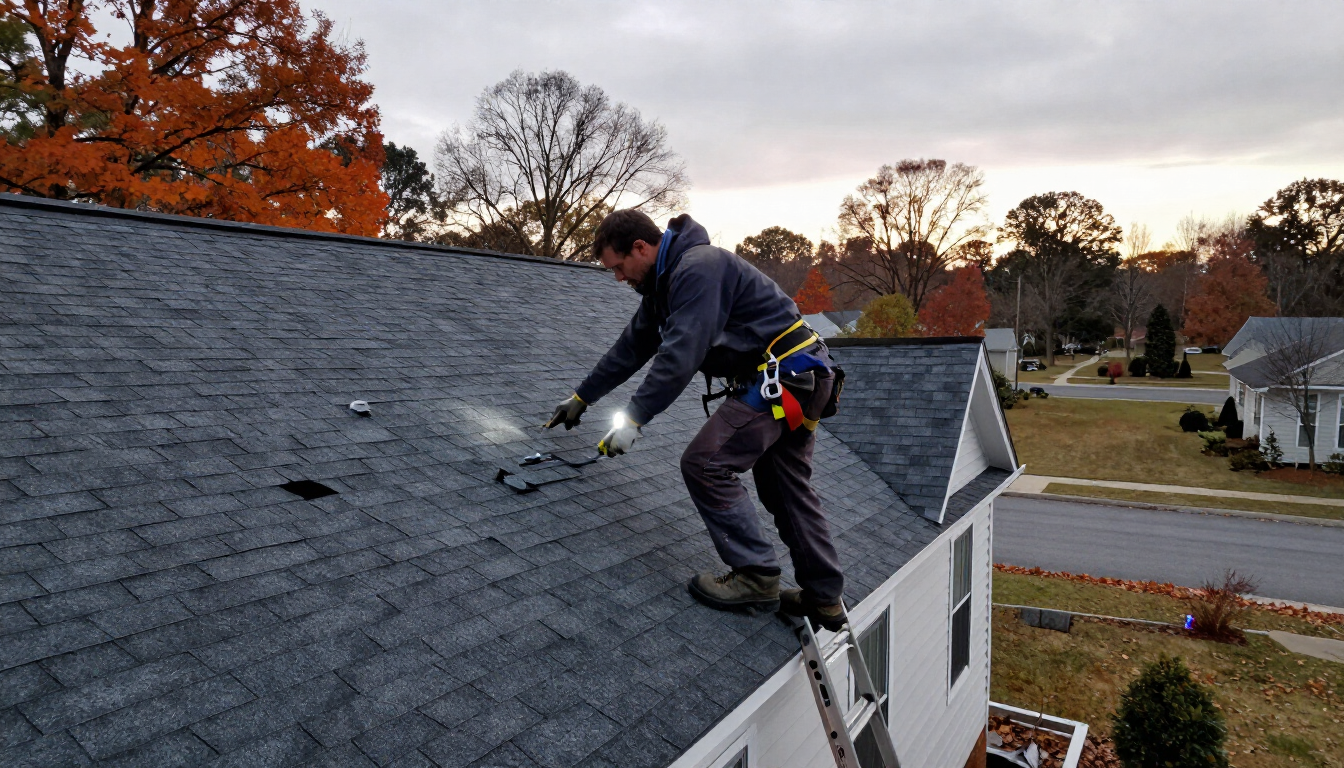
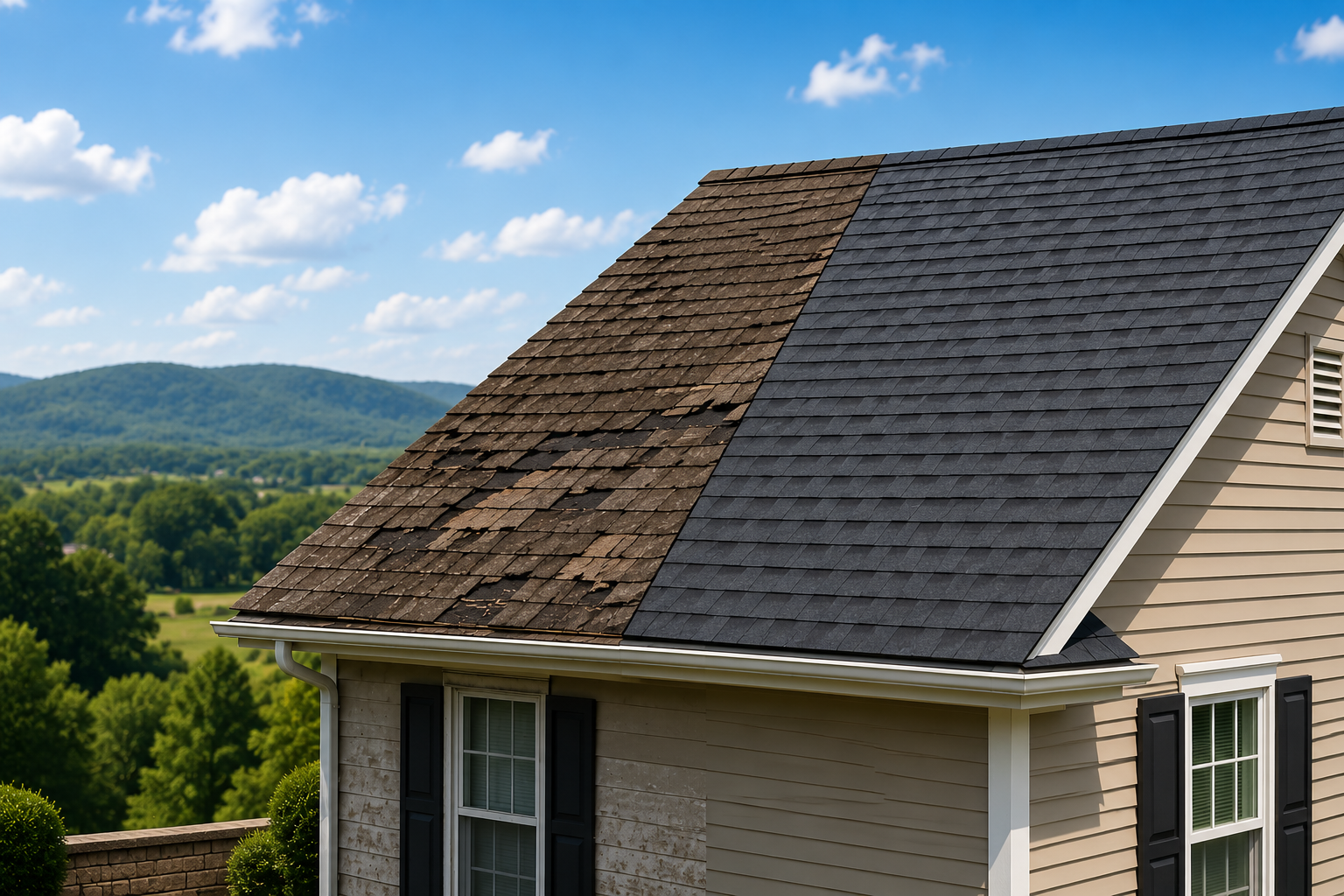
After strong winds or heavy rain, roof and siding damage may not always stand out right away. Some common warning signs include:
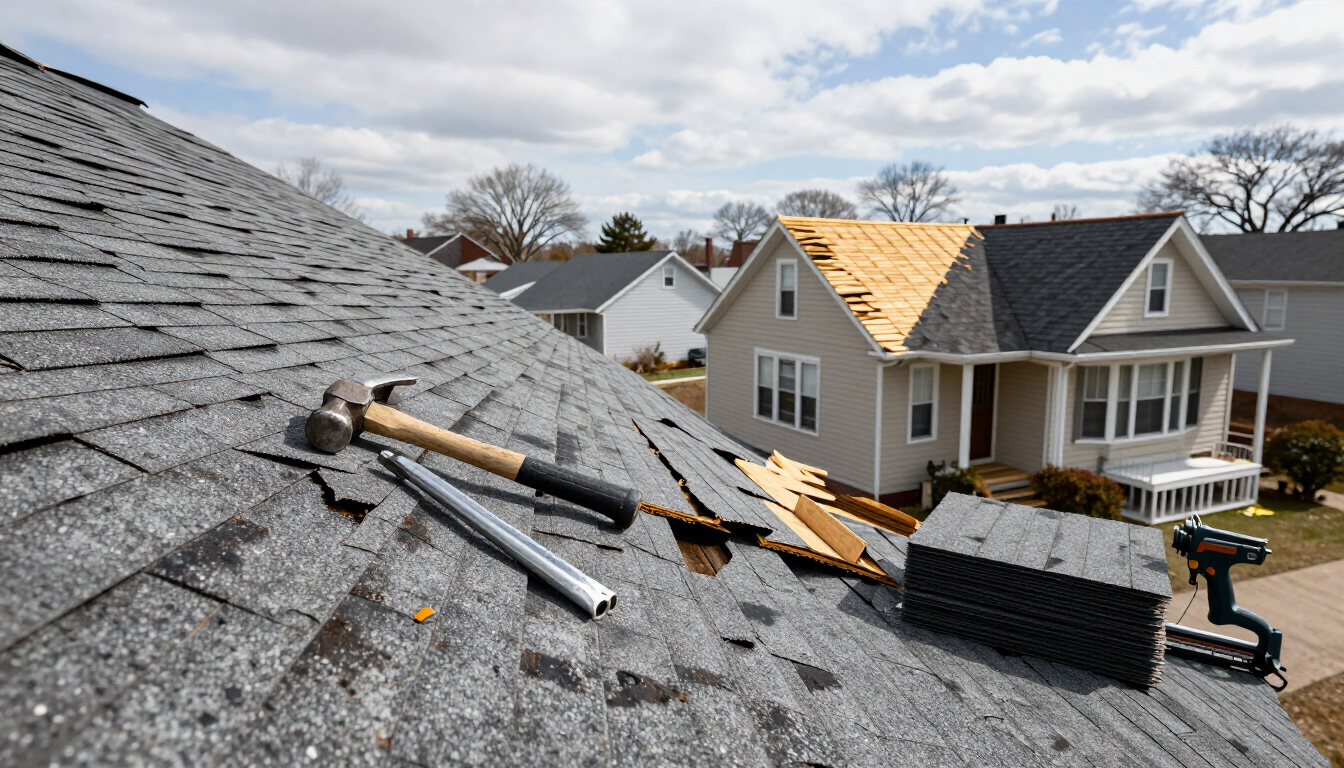
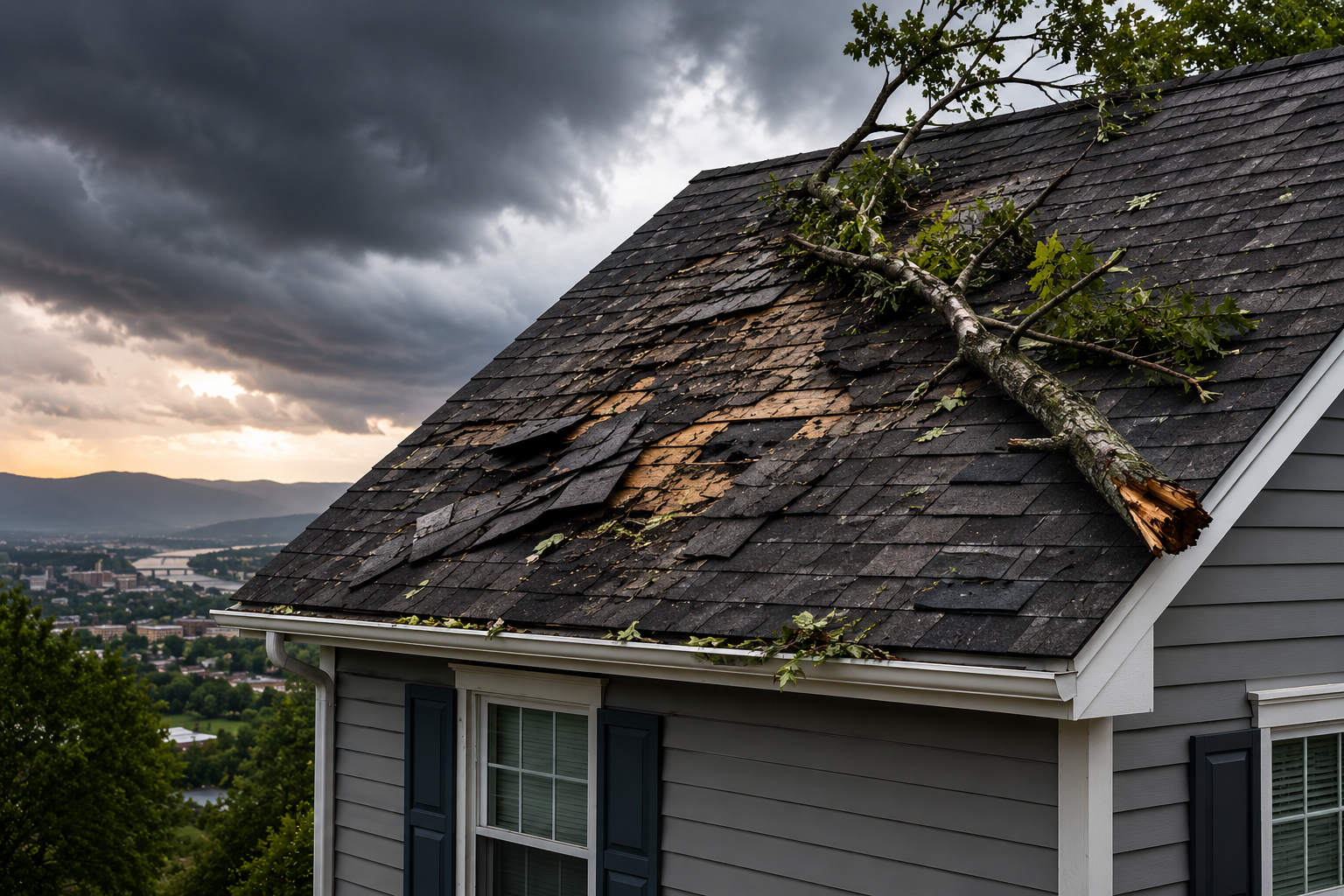
- Shingles that are cracked, lifted, or missing
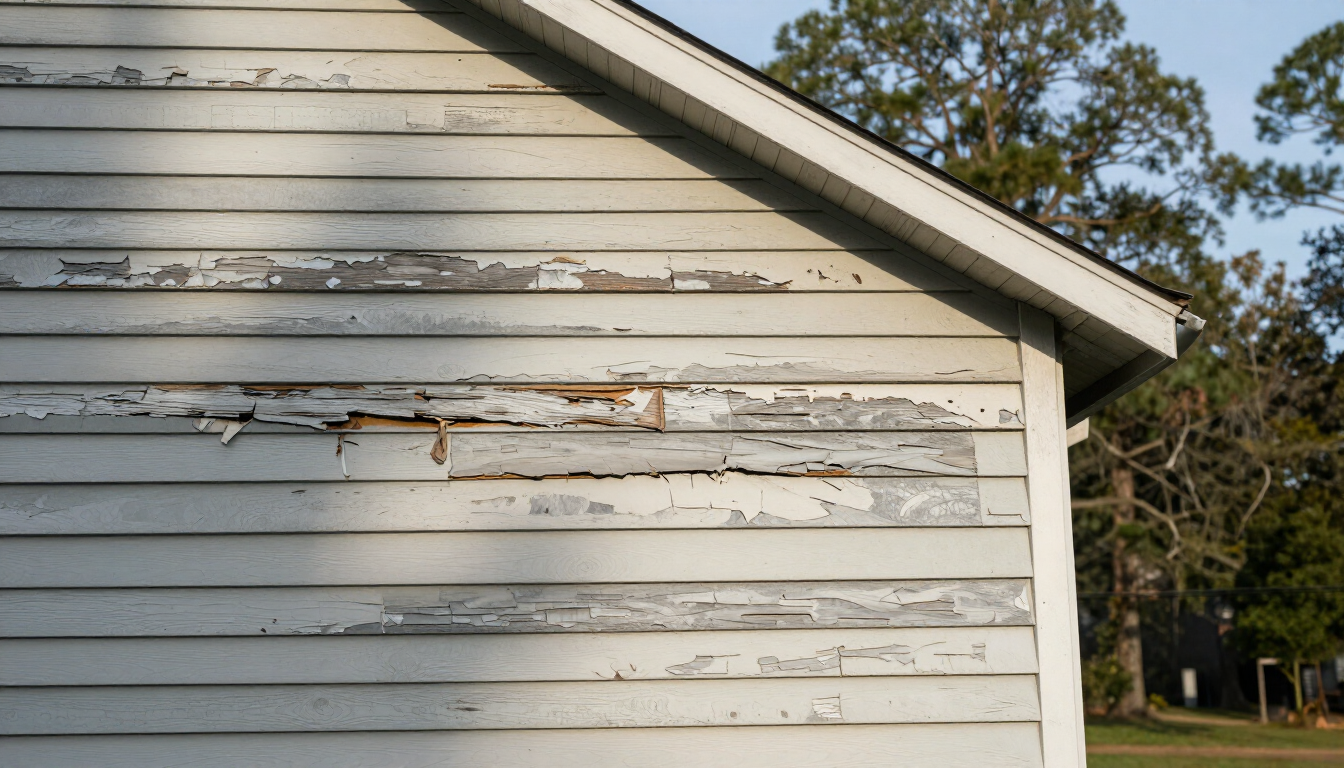
- Loose, bent, or dented siding panels
- Uneven areas along the roofline
- Damaged flashing around vents or chimneys
Sometimes even minor visible storm damage points to much bigger issues underneath the surface.
Identifying Water Infiltration and Interior Leaks
Water intrusion often starts quietly. You may not notice it until stains, odors, or damage begin showing up inside your home.
- Water stains on ceilings or walls
- Damp spots or bubbling paint near the roofline
- Musty smells that linger after the storm has passed
Even a small leak can lead to mold, rot, or electrical concerns if left unaddressed.
Spotting Damage to Gutters, Flashing, and Shingles
Smaller roofing components often suffer damage first. These areas may look minor, but they are often where larger problems begin.
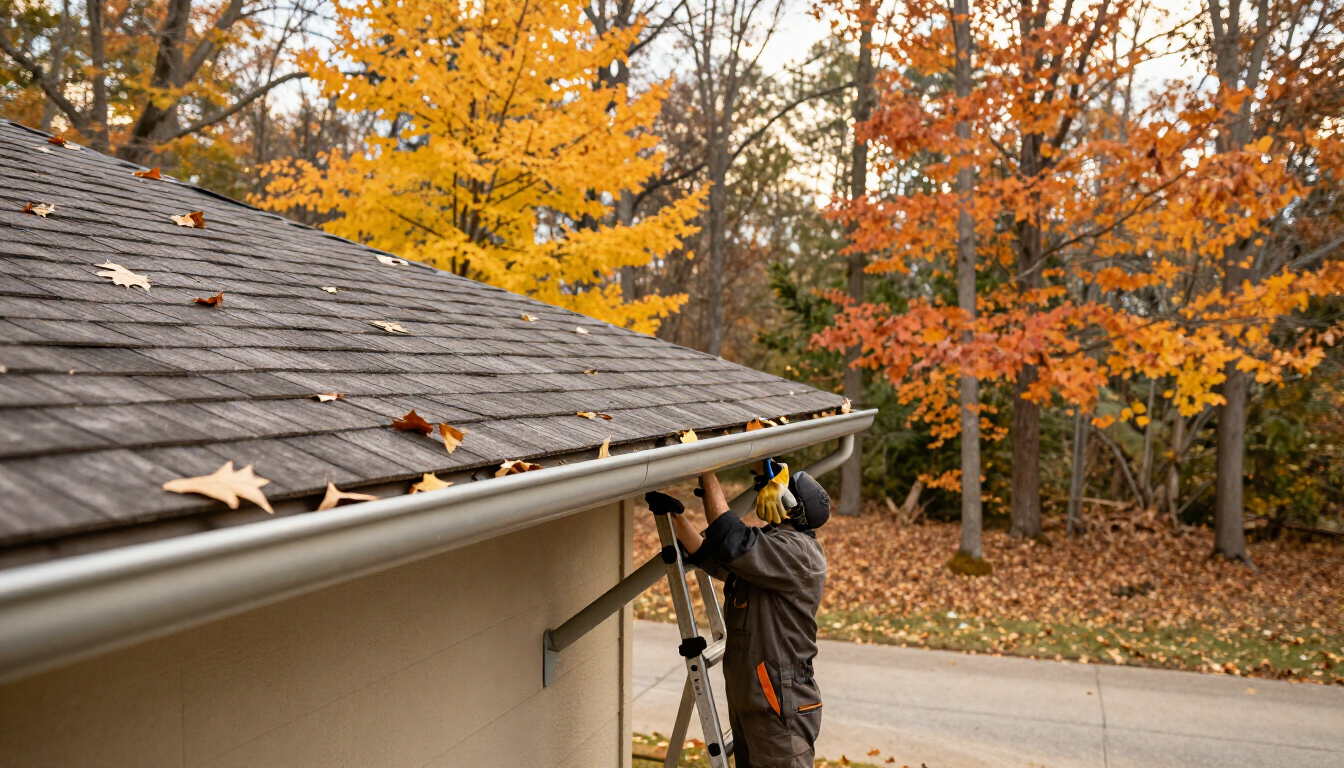
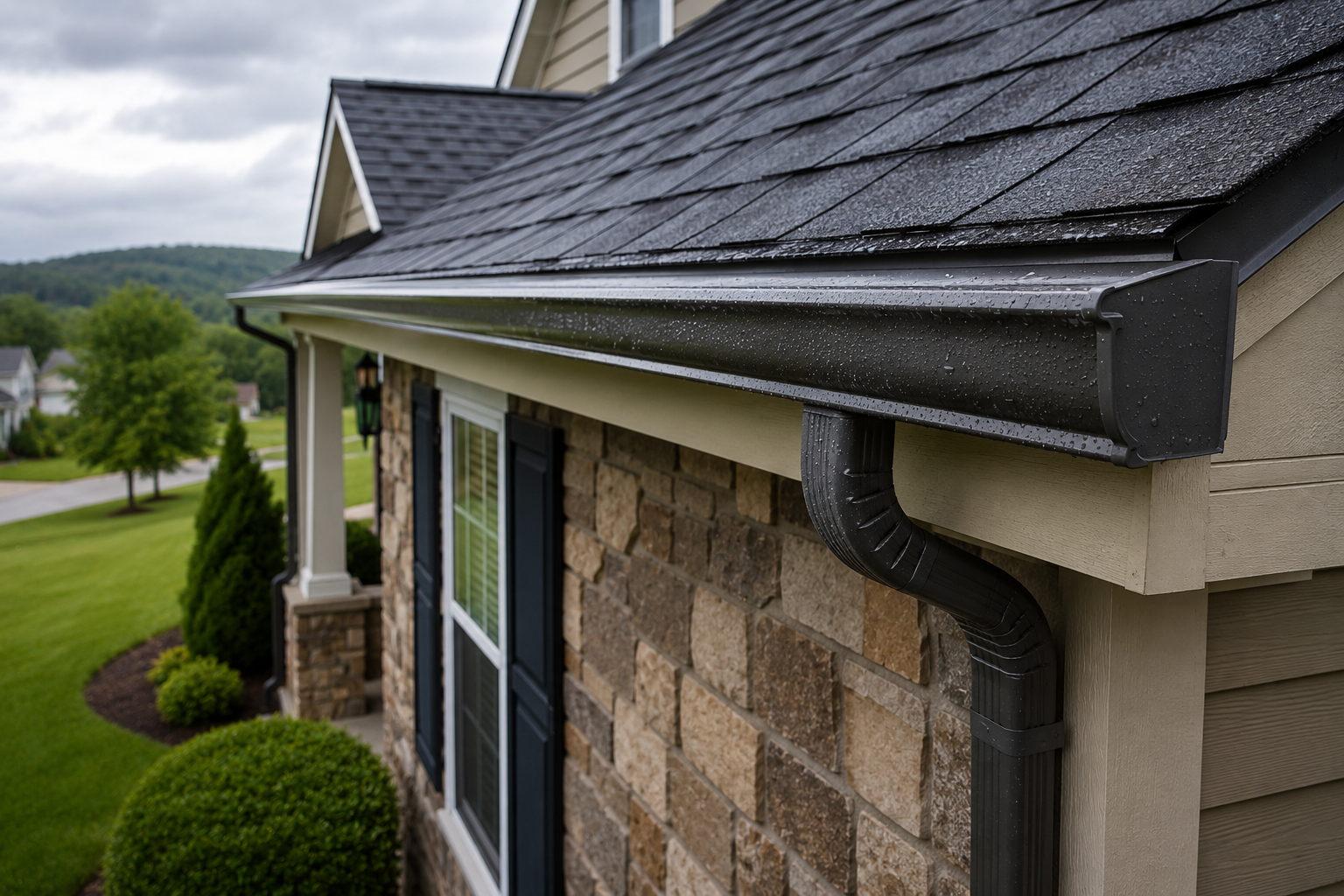
- Bent or detached gutters
- Missing or rusted flashing
- Shingles that are curling, creased, or shedding granules
- Loose gutter seams or drainage issues
Risks of Delaying Storm Damage Repair in Georgia
It’s tempting to wait a little while after a storm and hope the damage isn’t serious. But delaying repairs often makes things worse. Small storm-related issues rarely stay small for long.
- Structural weakness: Wind and water can compromise roofing systems, siding, and other parts of the home’s protective shell.
- Higher repair costs: A small leak today can become water damage, mold, and wood rot tomorrow.
- Pest intrusion: Storm-created openings can give insects and rodents an easy way inside.
Delaying storm damage repairs may save time in the short term, but it often leads to much higher costs and more extensive damage later.
Benefits of Prompt Storm Damage Repair in Georgia
Taking care of storm damage quickly offers more than just peace of mind. Prompt repairs help preserve the condition, safety, and value of your home.
Preventing Further Home Deterioration
Storm damage can create entry points for water and moisture. The sooner those are repaired, the less chance they have to cause mold growth, rotting wood, or larger structural issues.
Fixing damage early helps prevent small problems from turning into expensive major repairs.
Maintaining Home Value and Curb Appeal
Visible damage like missing shingles, bent gutters, or damaged siding makes a home look neglected. Staying on top of repairs helps preserve curb appeal and supports your home’s overall market value.
Ensuring the Safety and Health of Residents
Water intrusion and structural damage can affect more than the house itself. Mold, weakened materials, and moisture near wiring can create real safety and health concerns for everyone living inside.
Quick repairs protect more than your property—they also help protect the comfort, safety, and health of your household.
Why Professional Inspections Matter After April Storms
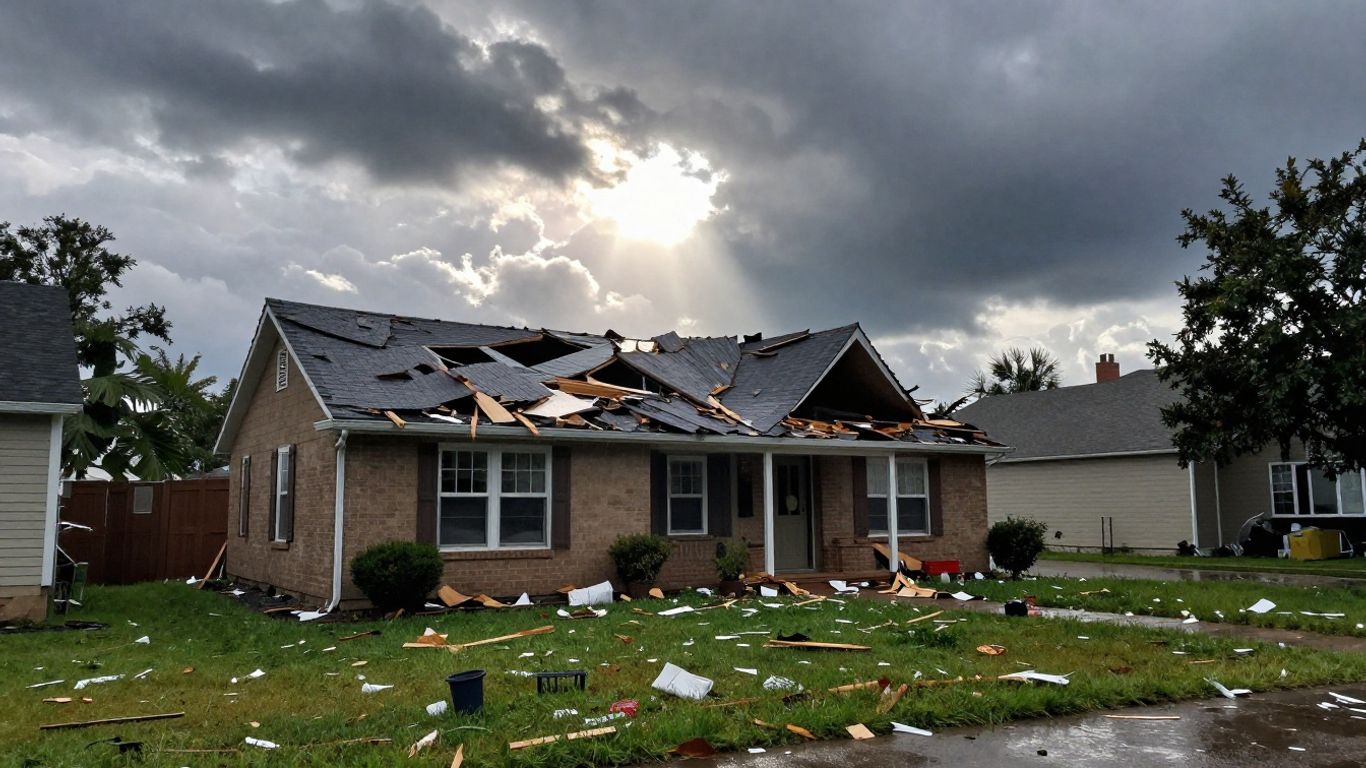
After a storm, not all damage is easy to spot from the ground. A professional inspection can uncover subtle issues before they create larger and more expensive problems.
Uncovering Subtle or Hidden Roof Damage
Roof inspectors know where to look for signs of storm wear that homeowners often miss. This can include:
- Lifted or cracked shingles
- Flashing damage around chimneys and vents
- Granule loss in gutters
- Sagging or soft areas that may indicate underlying damage
These hidden problems can quickly lead to interior water damage if they go unaddressed.
Documenting and Streamlining Insurance Claims
A professional inspection report can also help with insurance claims. Detailed notes, photos, and clear documentation make it easier to show the extent of the storm damage and support the repair process.
A strong inspection report gives you clearer information for both repairs and insurance documentation.
Ensuring Compliance with Local Building Codes
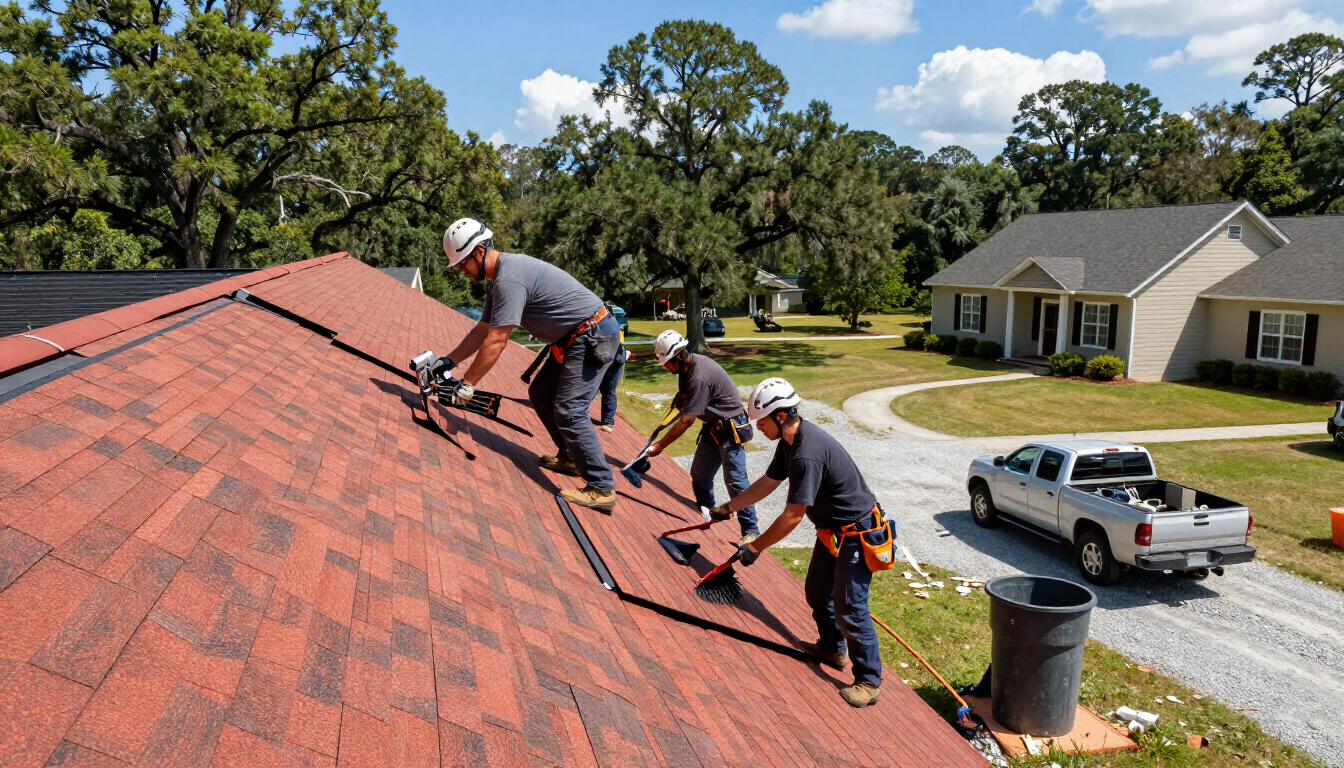
When repairs are needed, they should also meet local building standards. Experienced contractors understand code requirements and can make sure repairs are completed properly and safely.
The Storm Damage Repair Process Explained
Storm damage repair isn’t just about patching what looks broken. A proper process helps ensure your home is restored thoroughly and correctly.
Conducting Thorough Home Assessments and Reports
A reliable contractor will start with a full assessment of the affected areas, both inside and outside the home. This often includes:
- A detailed property walkthrough
- Photos and notes documenting visible damage
- A repair report outlining what needs immediate attention
A complete assessment helps prevent missed issues that could cause more damage after the next storm.
Choosing Repair vs. Replacement for Damaged Areas
Not every damaged area needs full replacement. Contractors typically consider:
- The severity and location of the damage
- The age and condition of the existing materials
- Whether repair or replacement offers better long-term value
Assuring Quality With Certified Contractors
Certified contractors bring local knowledge, proper licensing, and a better understanding of how to complete repairs that last.
- Licensed and insured crews
- Repairs completed to local code standards
- Greater peace of mind throughout the process
How Timely Repairs Improve Energy Efficiency
Storm damage doesn’t just affect how your home looks. It can also impact how efficiently your home holds heated or cooled air.
Sealing Leaks to Reduce Heating and Cooling Costs
Cracks in roofing, siding, or flashing allow outside air to enter and conditioned air to escape. This puts extra pressure on your HVAC system and can raise your monthly energy bills.
Closing those gaps quickly helps your home maintain a more stable indoor temperature.
Preventing Water Damage That Affects Insulation
When water gets into your attic or walls, it can damage insulation and reduce its effectiveness. Once insulation becomes wet, it often loses much of its ability to regulate indoor temperatures.
Enhancing Indoor Comfort Year-Round
Prompt repairs help create a more comfortable indoor environment by reducing drafts, improving temperature consistency, and protecting the home’s overall building envelope.
Timely storm repairs support long-term energy efficiency, indoor comfort, and lower utility costs.
Protecting Your Investment With Spring Storm Preparedness
Scheduling Seasonal Maintenance Inspections
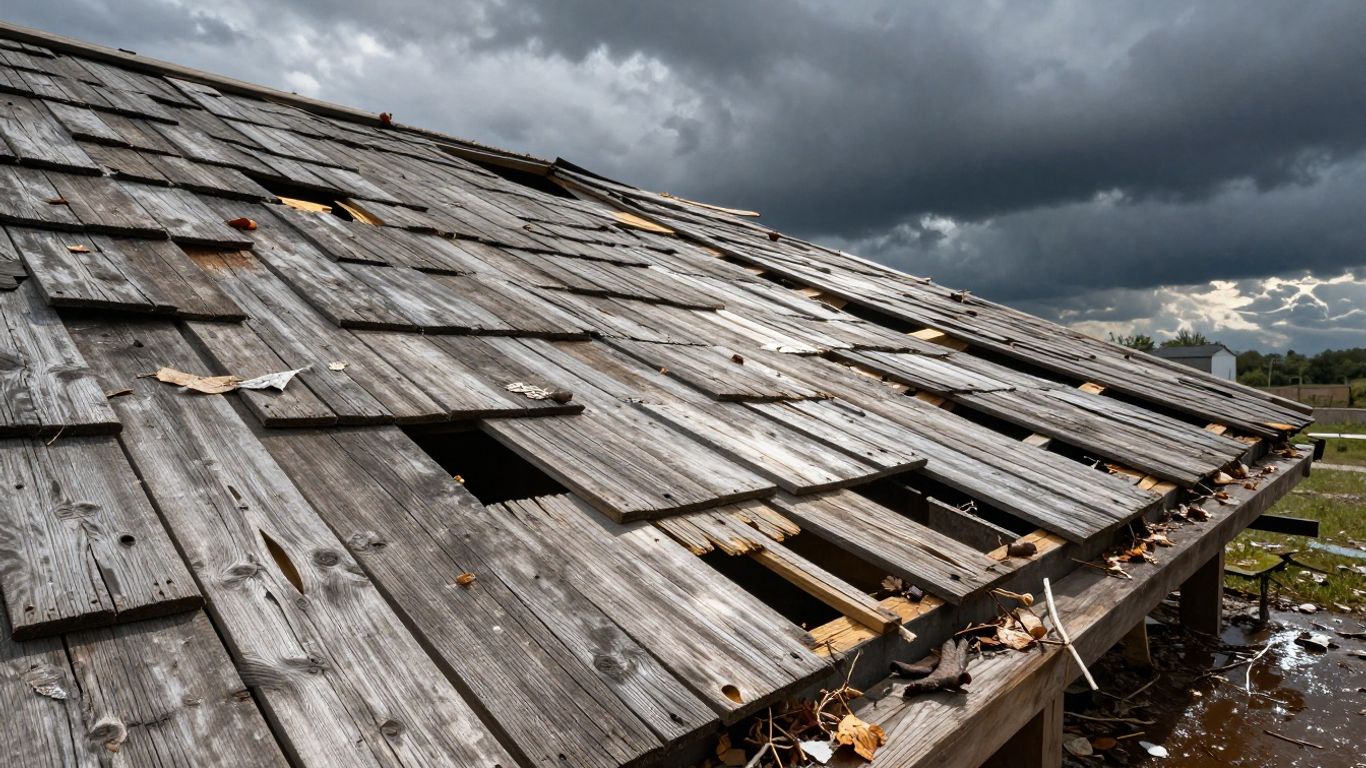
Spring is a smart time to schedule a home inspection, especially after winter weather and before more severe storms arrive. Routine maintenance checks can reveal loose gutters, granule loss, flashing problems, and early signs of wear.
Establishing an Emergency Response Plan
Preparing for storms ahead of time can make a major difference when damage does occur. A simple response plan may include:
- Reviewing your insurance coverage
- Keeping contact information for trusted repair professionals
- Securing outdoor furniture and loose items before storms arrive
- Preparing a basic emergency kit for your household
A little preparation before storm season can help reduce panic and speed up recovery if damage happens.
Partnering With Trusted Local Repair Experts
Having a reliable local contractor before storm season begins can make the repair process much easier. Local experts understand the region’s weather patterns, common storm issues, and code requirements, which helps ensure repairs are done correctly.
Spring storms can be tough on your home. Taking steps now to prepare can save you time, money, and stress later. Visit our website to learn more about how we can help you get your home storm-ready.
Don’t Wait, Fix It Now
April storms can leave behind more damage than you might notice at first glance. What seems minor now can quickly become a bigger issue if it is ignored. Prompt repairs help protect your home from water intrusion, structural damage, pests, and higher repair costs down the line. They also help preserve your home’s value, safety, and energy efficiency. If your property has been through a recent storm, acting quickly now can save you from a much larger headache later.
Frequently Asked Questions
Why is it important to repair storm damage right after it happens?
Fixing storm damage quickly helps prevent small problems from becoming larger, more expensive issues later on.
What are some signs that my house has storm damage?
Common signs include missing shingles, bent gutters, water stains on ceilings, siding damage, peeling paint, and roof leaks.
Can waiting to fix storm damage lead to pest problems?
Yes. Cracks, gaps, and storm-created openings can make it easier for insects and small animals to get inside your home.
How do timely repairs help with energy efficiency?
Repairs help seal air leaks, protect insulation, and reduce the strain on your heating and cooling system, which can improve energy efficiency.
Why should I get a professional inspection after a storm?
A professional can identify hidden damage, provide documentation for insurance, and help ensure repairs are completed properly.
What should I do to get ready for storms in the spring?
Schedule regular inspections, review your emergency plan, secure outdoor items, and know who to call if storm damage happens.