How Summer Heat and Sun Damage Affect Your Roof and Siding
The summer sun may feel great, but it can be tough on your home’s exterior. For homeowners across North Georgia and the Chattanooga area, heat, UV rays, humidity, and summer storms can slowly wear down your roof, siding, and exterior materials.
At Patriot Exteriors, we help homeowners identify signs of roof and siding damage early so small issues do not turn into costly repairs. Whether you need a roof inspection, storm damage assessment, roof repair, roof replacement, siding, gutters, windows, or doors, our team is here to help protect your home.
Key Takeaways
- UV rays and high temperatures can dry out, crack, and weaken roofing materials.
- Siding can fade, warp, or crack from long-term sun exposure.
- Common warning signs include curling shingles, granule loss, cracked sealants, loose flashing, and sagging roof sections.
- Proper attic ventilation can help reduce heat buildup and protect your roofing system.
- Regular roof and siding inspections can help prevent expensive exterior repairs.
The Silent Threat of Sun Exposure
Most homeowners think about storms and heavy rain when it comes to exterior damage, but the sun can also be a major source of wear and tear. UV rays and high heat slowly break down roofing materials and siding over time.
This type of damage can be hard to notice from the ground, which is why regular inspections are important. Patriot Exteriors provides professional exterior inspections to help homeowners spot issues before they become major problems.
How UV Rays Damage Roofing Materials
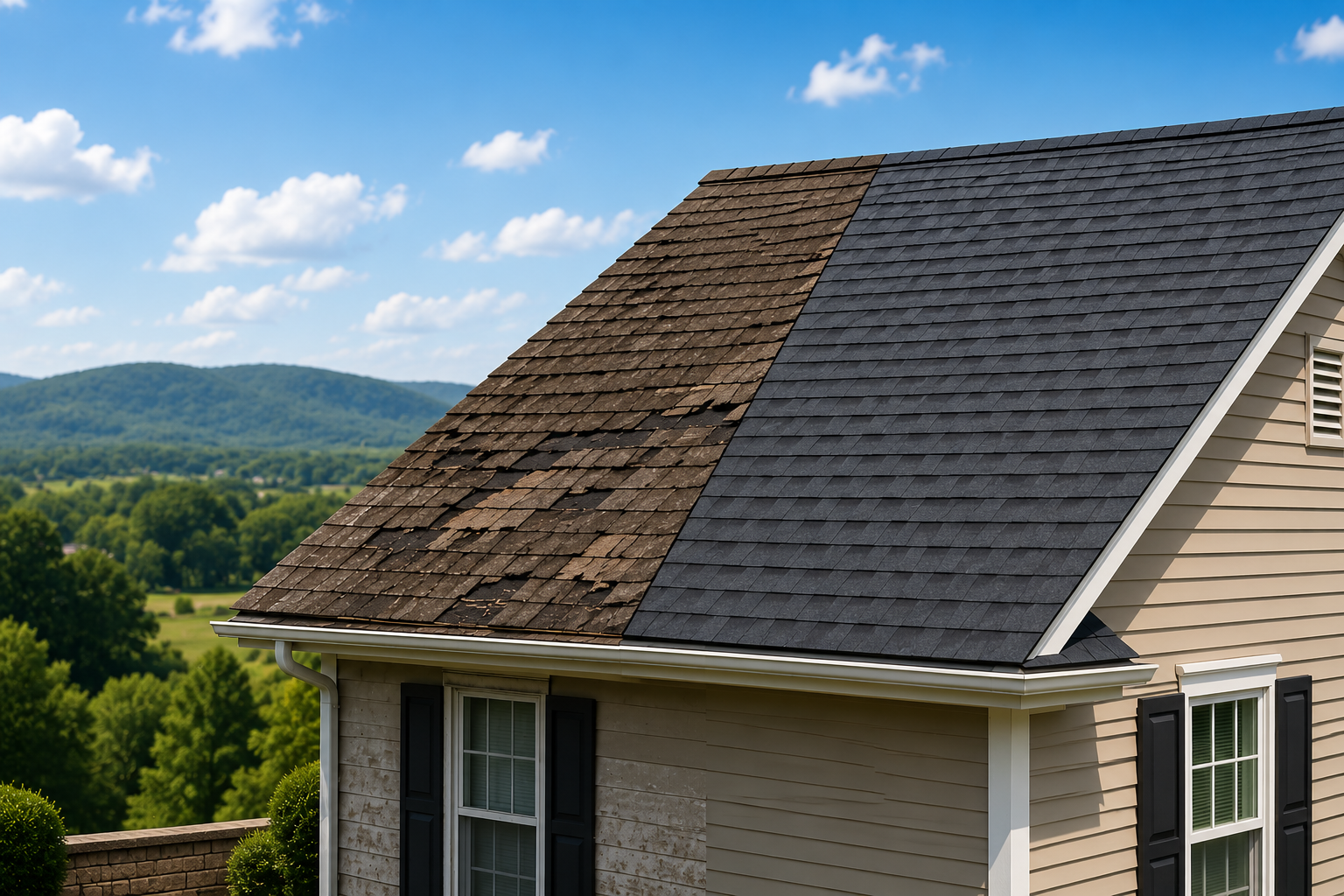
Your roof takes the full impact of the sun every day. Over time, UV rays can cause asphalt shingles to dry out, lose flexibility, and become brittle. When shingles become brittle, they are more likely to crack, curl, or break during high winds and storms.
- Asphalt shingles can dry out and become brittle.
- Protective granules can wear away from the shingle surface.
- Heat and cooling cycles can weaken roofing materials.
- Exposed areas may become more vulnerable to leaks and storm damage.
The Impact of Sun on Your Home’s Siding
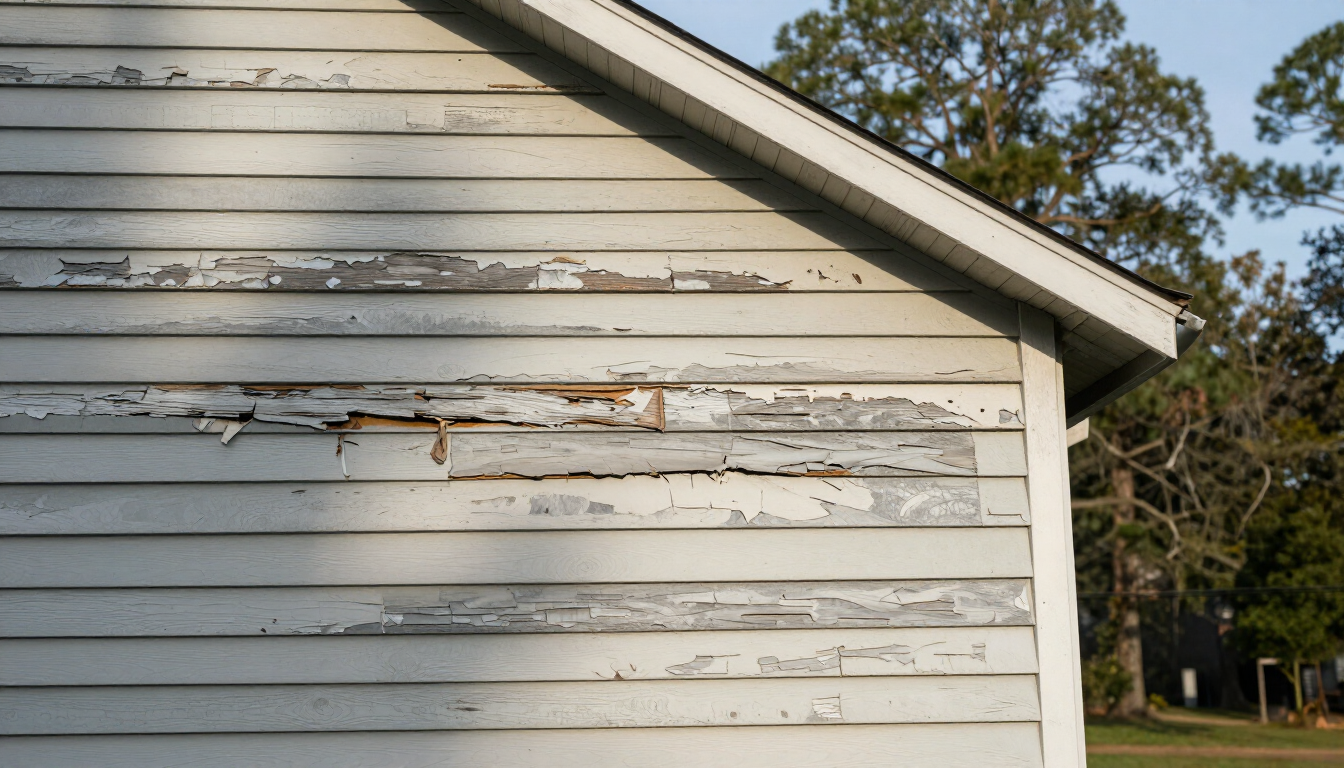
Siding is one of the most visible parts of your home, and sun exposure can affect both its appearance and performance. Prolonged heat can cause fading, warping, cracking, or buckling, especially on the sides of your home that receive the most direct sunlight.
If your siding looks faded, loose, warped, or damaged, Patriot Exteriors can inspect your home and recommend siding solutions that improve curb appeal and help protect your exterior.
Understanding Roof Heat Damage
On hot summer days, roof surface temperatures can climb much higher than the air temperature. This heat can speed up the aging process of shingles, sealants, flashing, and other roofing components.
When sealants shrink or flashing loosens, water can find its way into vulnerable areas. A professional inspection from Patriot Exteriors can help identify these weak spots before leaks appear inside your home.
Visible Signs of Sun and Heat Damage
Heat and UV damage are not always obvious right away, but there are warning signs homeowners should watch for. Catching these signs early can save money and help prevent bigger repairs later.
Shingle Deterioration: Granule Loss and Brittleness
The granules on asphalt shingles help protect your roof from the sun. When those granules wear away, the asphalt underneath becomes more exposed and can deteriorate faster.
Signs of shingle deterioration include:
- Granules collecting in gutters or downspouts
- Bald spots on shingles
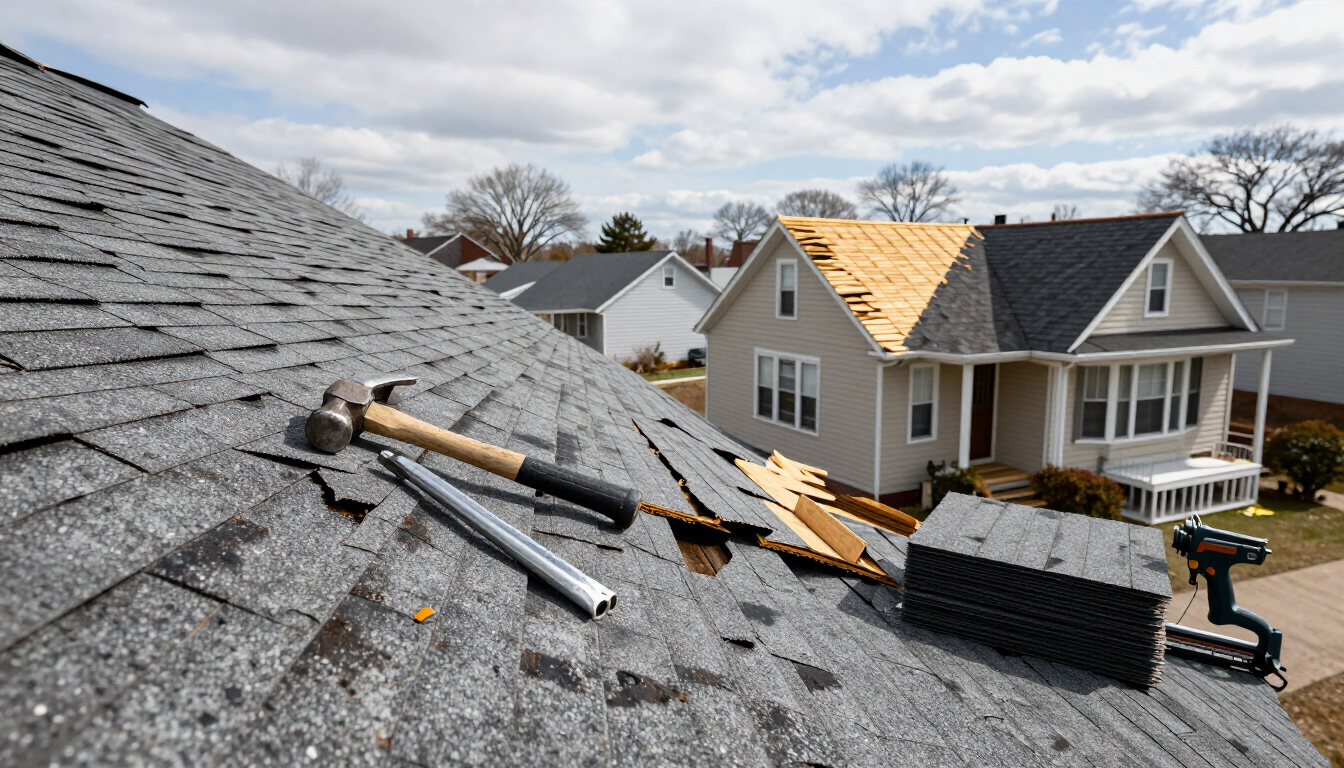
- Cracked or brittle shingles
- Curling or lifted shingle edges
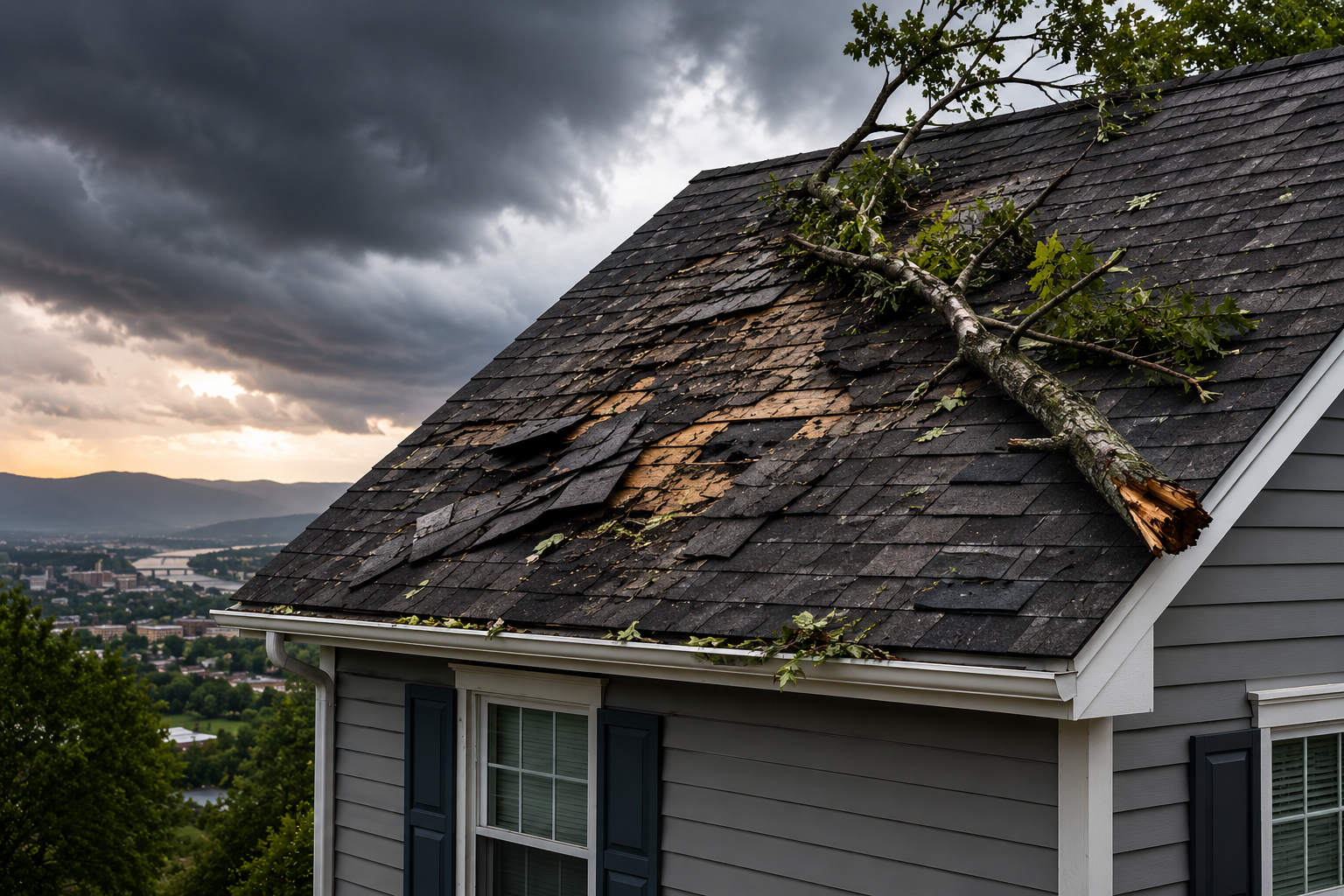
- Missing shingles after storms or high winds
Cracked Sealants and Loose Flashing
Sealants and flashing help protect areas around chimneys, vents, skylights, and roof edges. Heat can cause these materials to shrink, crack, or pull away from the roof surface.
Even a small opening can allow water to enter your home. Patriot Exteriors can inspect these common leak points and provide the right repair recommendations.
Warped Roof Lines and Sagging Sections
If you notice dips, uneven areas, or sagging sections in your roofline, it may be a sign of a more serious issue. Heat, trapped moisture, poor ventilation, or long-term roof damage can all contribute to structural concerns.
If your roofline does not look straight or solid, schedule a professional assessment as soon as possible.
How Different Roofing Materials Respond to Heat
Different roofing materials react to summer heat in different ways. Understanding how your roof performs in hot weather can help you make better maintenance and replacement decisions.
Asphalt Shingles Under Intense Sun
Asphalt shingles are common on many homes, but intense sun exposure can cause them to dry out, crack, curl, and lose protective granules over time.
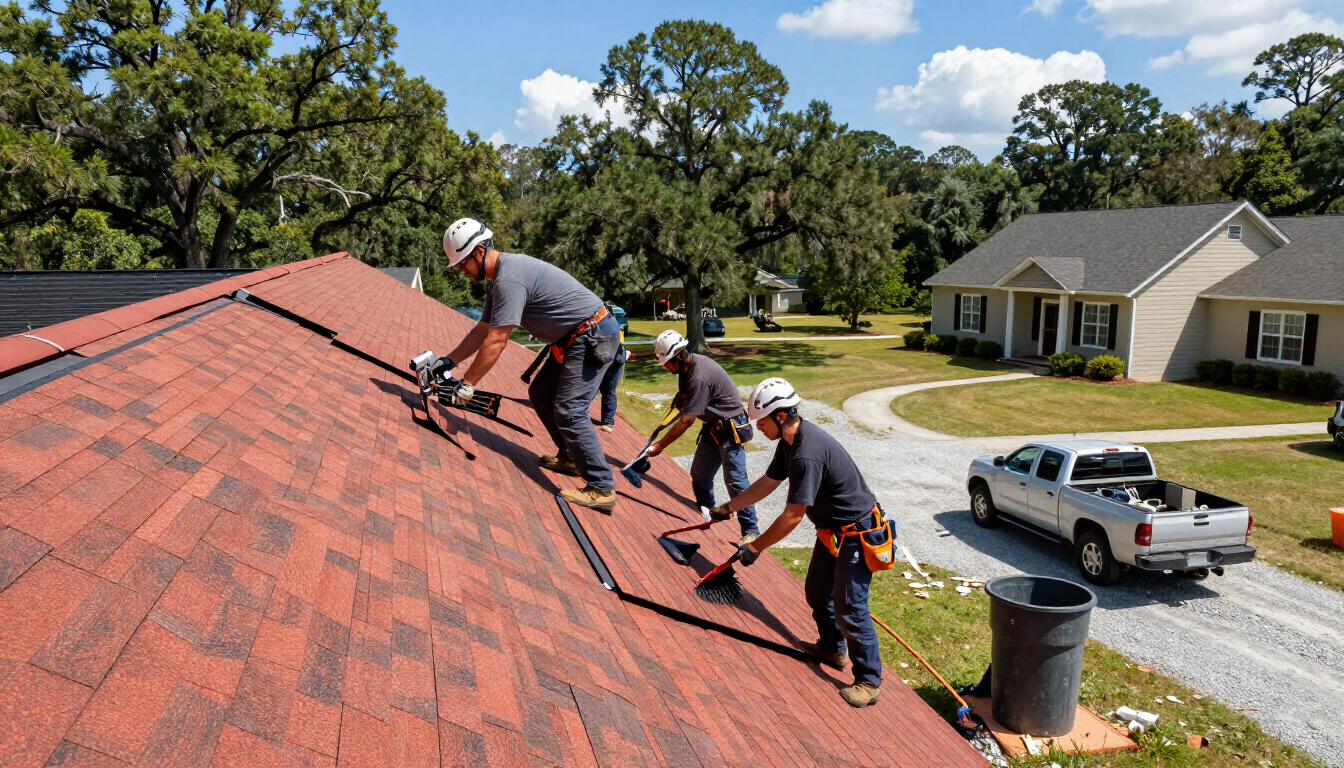
If your asphalt shingles are showing signs of wear, Patriot Exteriors can determine whether a repair or full roof replacement is the best option for your home.
Metal Roofs and Thermal Expansion
Metal roofs can reflect sunlight and help with heat control, but they also expand and contract as temperatures change. Proper installation is important to prevent problems like loose fasteners, movement, or buckling.
Cedar Shakes and Natural Resilience
Cedar shakes offer a natural look and some insulation benefits, but they still need maintenance. Without proper care, cedar can dry out, crack, and become vulnerable to moisture and weather damage.
Protecting Your Roof From Summer Heat
Summer heat can put extra stress on your roofing system, but proactive maintenance can help extend the life of your roof and reduce the risk of damage.
Apply Protective Roof Coatings When Appropriate
Some roofing systems can benefit from reflective coatings that help reduce heat absorption. These coatings can help protect roofing materials and may also support better energy efficiency.
Create Shade Around Your Home
Trees can help provide shade and reduce direct sun exposure, but branches should not hang too close to your roof. Overhanging branches can scrape shingles, drop debris, and cause damage during storms.
Ensure Proper Attic Ventilation
Proper attic ventilation allows hot air and moisture to escape. Without good ventilation, heat can build up under the roof and speed up the aging process of shingles and other materials.
Signs of poor attic ventilation may include:
- A very hot attic
- Moisture or condensation
- Musty smells
- Mold growth
- Premature shingle wear
Flat Roofs and Their Unique Vulnerabilities
Flat roofs and low-slope roof sections can be more vulnerable to heat and drainage issues. These areas may appear on porches, sunrooms, garages, additions, or some ranch-style homes.
Increased Heat Absorption on Flat Surfaces
Flat roof sections often absorb and hold more heat than sloped roofs. This can lead to blistering, cracking, or material breakdown over time.
Challenges With Water Drainage
Because flat roofs do not shed water as quickly, standing water can become a problem after heavy rain. If water sits too long, it can find weak seams or small openings and lead to leaks.
Risks of Blistering and Cracking
Heat causes roofing materials to expand and contract. Over time, this movement can create blisters, cracks, and weak spots on flat roof surfaces.
Watch for these warning signs:
- Surface bubbling or blistering
- Cracks around seams or edges
- Brittle or dried-out roofing material
- Water pooling after rain
- Soft or weak areas on the roof surface
When to Schedule a Professional Roof Assessment
Some roof and siding damage is easy to see, but many issues are hidden until they become more serious. A professional roof assessment can help identify early warning signs and prevent small problems from becoming expensive repairs.
Signs You Should Call Patriot Exteriors
- Curling, cracked, or missing shingles
- Granules collecting in gutters
- Loose flashing or cracked sealants
- Water stains on ceilings or walls
- Warped, faded, or damaged siding
- Sagging roof sections
- Storm damage from wind, hail, or heavy rain
- A noticeably hot or poorly ventilated attic
Prevent Small Issues From Becoming Leaks
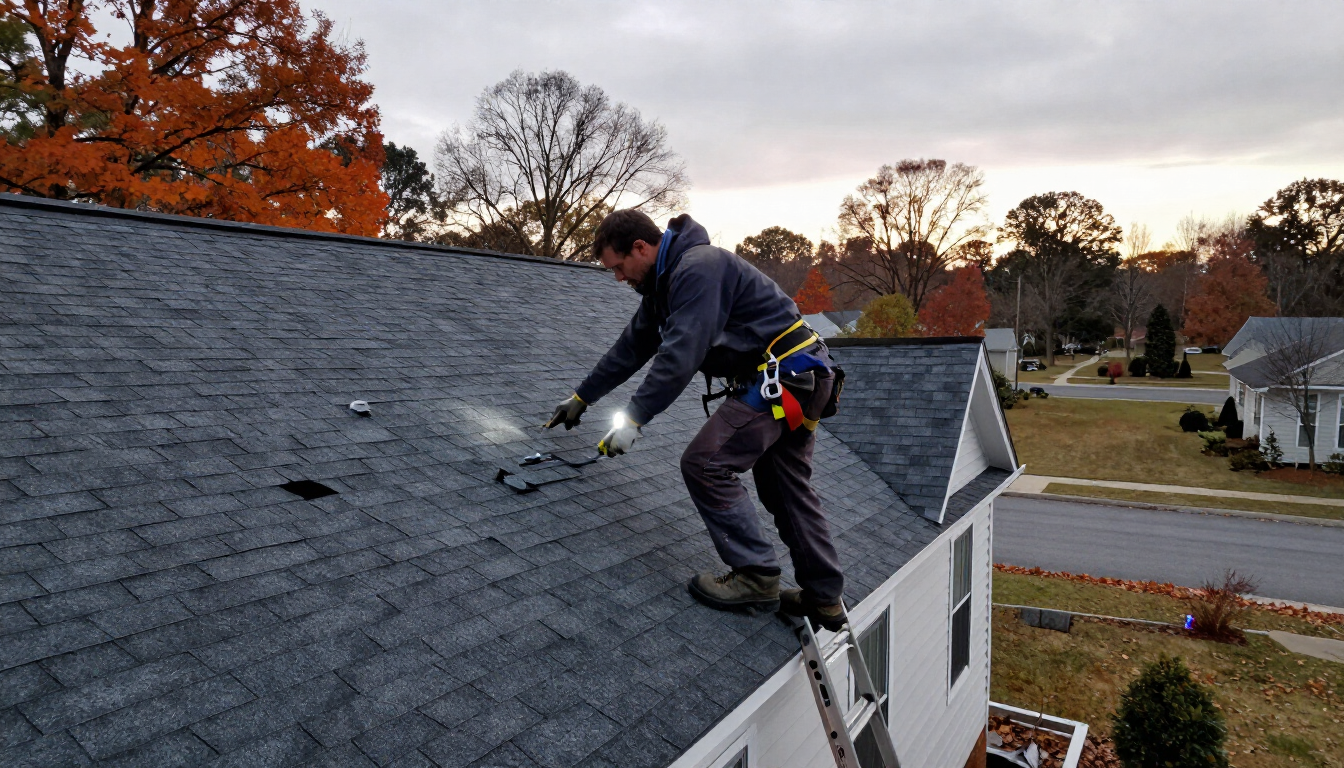
A small crack, loose shingle, or damaged flashing may not seem urgent, but it can quickly lead to leaks and water damage. Patriot Exteriors can inspect your roof, identify weak spots, and recommend the right repair or replacement solution.
The Importance of Annual Inspections
Annual inspections help homeowners stay ahead of roof, siding, and storm damage. If your home has been through a season of intense heat, high winds, or heavy rain, it is a smart time to schedule an exterior assessment.
Why Homeowners Trust Patriot Exteriors
Patriot Exteriors proudly serves homeowners throughout North Georgia and the Chattanooga area with dependable roofing and exterior services.
Our team is committed to honest communication, quality workmanship, and helping homeowners protect their investment.
- Professional roof inspections
- Roof repairs and replacements
- Storm damage assessments
- Siding services
- Gutter solutions
- Windows and doors
- Written quotes within 48 hours
- Financing options available through Hearth
Schedule Your Roof or Siding Inspection Today
Do not wait for sun damage, heat damage, or storm damage to turn into a major repair. Patriot Exteriors can help inspect your roof and siding, explain your options, and provide exterior solutions that protect your home.
If you notice missing shingles, fading siding, cracked sealants, water stains, or signs of storm damage, contact Patriot Exteriors today.
Request Your Free Quote
Conclusion
The sun’s heat and UV rays can slowly damage your roof and siding over time. While storms often get the most attention, long-term sun exposure can lead to cracked shingles, faded siding, loose flashing, poor ventilation, leaks, and costly repairs.
With regular inspections, proactive maintenance, and help from Patriot Exteriors, you can protect your home, extend the life of your exterior materials, and avoid unnecessary repair costs.
Frequently Asked Questions
What does the sun do to my roof?
UV rays can dry out shingles, make them brittle, and cause them to lose protective granules. Over time, this can make your roof more vulnerable to cracks, leaks, and storm damage.
How can I tell if my roof has heat damage?
Common signs include curling shingles, cracked shingles, missing granules, loose flashing, cracked sealants, sagging roof sections, and a very hot attic.
Can heat damage my siding?
Yes. Long-term sun exposure can cause siding to fade, warp, crack, or buckle. If your siding looks damaged or worn, Patriot Exteriors can inspect it and recommend the right solution.
Are some roofing materials better for heat than others?
Yes. Some materials reflect heat better or resist UV damage longer than others. A professional roofing contractor can help you choose the right roofing option for your home and climate.
How can I protect my roof from sun damage?
Proper attic ventilation, regular inspections, clean gutters, trimmed trees, and timely repairs can all help protect your roof from heat and UV damage.
How often should I schedule a roof inspection?
Homeowners should schedule a professional roof inspection at least once a year and after major storms. Patriot Exteriors can inspect your roof and help identify any damage or repair needs.
```